Common Poppy
Papaver rhoeas
Family · Papaveraceae
Corn poppy is sown direct, never transplanted, and germinates from a seed bank that can outlast a human lifetime. Sowing, Shirley poppies and its ecology.
Papaver rhoeas
Plant profile
- WateringLittleWater every 10 days
- Light exposureFull sun
- Hardiness zoneUSDA 3–10
Growth
- Family
- Papaveraceae
- Life cycle
- Annual
- Growth speed
- 7/10
- Mature size
- 50–100 cm
- Spread
- 10–50 cm
- Flowering
- Late spring through summer
- Propagation
- Seed
Dormancynone as a plant; seed instead lies dormant in soil for decades until disturbance and light trigger germination
Time to maturitygerminates in 2 to 3 weeks; flowers from late spring into summer
Soil
- Soil types
- chalk, loam, sand, silt
Light & Placement
- Where to place it
- sunny border
- freshly dug or disturbed ground
- wildflower meadow mix
- cutting garden
- large container with poor, free-draining compost, sown direct rather than transplanted
OriginMacaronesia, Europe to the Mediterranean and western Himalaya; naturalized worldwide as an arable weed
Safety
- Toxicity
- Not evaluated by the ASPCA; toxicity to pets undetermined
- Pet safe
- No
Invasive speciesself-seeds from a long-lived soil seed bank and can persist as a weed of disturbed or cultivated ground
Data fromPapaver rhoeas L., GBIF Backbone TaxonomPOWO: Papaver rhoeas L.RHS: Papaver rhoeas (common poppy)Missouri Botanical Garden Plant Finder: NC State Extension Gardener Plant Toolbo
Where it grows
World distribution
Common Poppy is native to 40 countries: Afghanistan, Albania, Algeria, Austria, Belarus, Belgium, Bulgaria, and Cape Verde….GBIF records 478,386 documented identifications across 103 countries, with the largest concentrations in France, United Kingdom, and Netherlands.
- Afghanistan
- Albania
- Algeria
- Austria
- Belarus
- Belgium
- Bulgaria
- Cape Verde
- Croatia
- Cyprus
- Czechia
- Egypt
Show 28 more countriesShow fewer countries
- Estonia
- France
- Georgia
- Germany
- Greece
- Hungary
- India
- Iran
- Iraq
- Italy
- Kazakhstan
- Lebanon
- Libya
- Morocco
- Netherlands
- Pakistan
- Palestinian Territories
- Poland
- Portugal
- Romania
- Russia
- Saudi Arabia
- Spain
- Switzerland
- Tunisia
- Türkiye
- Turkmenistan
- Ukraine
Yellow to orange dots: concentration of documented identifications per country. Green countries: sourced native range. Source: GBIFNative range from POWO (Kew).
A Weed of Cultivated Ground, Not a Wild Meadow Native
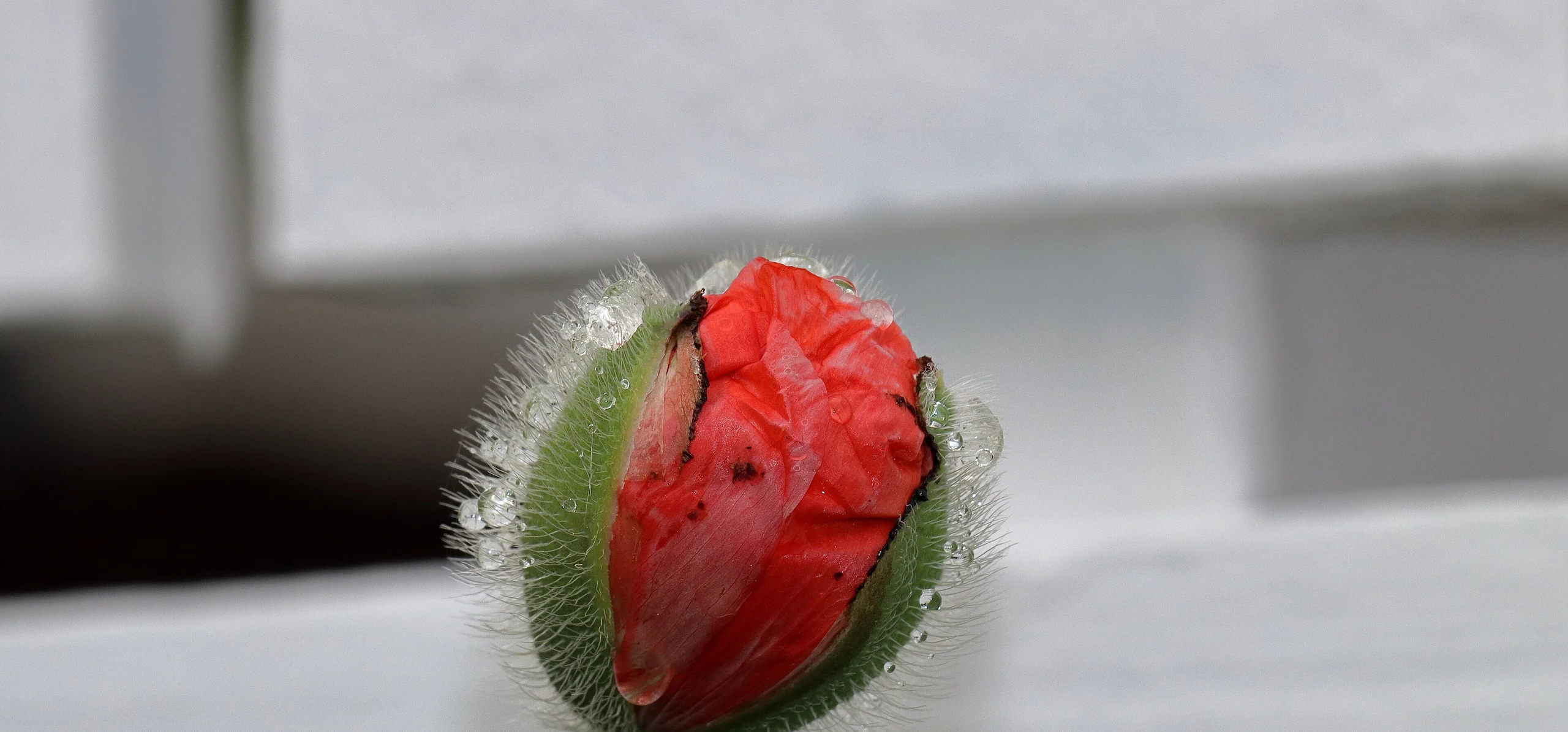
Papaver rhoeas, the common or corn poppy, is a bristly-stemmed annual in the poppy family, Papaveraceae, reaching 50 to 100 cm with a spread of 10 to 50 cm. Its scarlet, four-petalled flowers, each petal thin as tissue and marked with a dark blotch at the base, open for a single day before shattering, then reappear on new buds through late spring and summer. Native range runs from Macaronesia and Europe through the Mediterranean to the western Himalaya, and in Britain it is classed as an archaeophyte, arriving with the first cereal crops rather than being truly wild before agriculture. It has followed grain farming across the world ever since, which is also why fields churned by shelling in Flanders during the First World War erupted in red and gave the flower its role as a symbol of remembrance.
A Seed Bank That Waits for the Light
What makes corn poppy behave the way it does starts underground, not in the flower. Its seed does not simply wait out one winter, it can remain viable in soil for decades, with germination recorded after 80 years of dormancy. Age alone does not wake it: exposure to light near the soil surface does. Deep-buried seed stays dormant indefinitely, and only ploughing, digging or any other disturbance that brings it up into the light switches germination on. That single mechanism explains why a field left untouched for years can show no trace of poppy, then turn red the summer after it is dug over.
Sowing Direct, Autumn or Spring, Never Transplanting
The RHS grows Papaver from seed sown in situ, and that is not a preference, it is close to a requirement: a taproot forms from the moment the seed germinates, and lifting a seedling to move it usually damages that root beyond recovery. There is no useful stage for pricking out or potting on. Scatter seed thinly on raked, bare soil and press it in rather than burying it, since the same light requirement that governs the wild seed bank applies at sowing time. An early to mid autumn sowing produces small rosettes that sit through winter, rated hardy to below -20 degrees C, and come into flower earlier and bushier the following year; a spring sowing, once the soil can be worked, is simpler and avoids any risk to young seedlings from a hard frost, but starts later. Seed germinates in around two to three weeks in mild soil.


Shirley Poppies and Other Garden Strains
The wild form is always scarlet with a black blotch at the base of each petal. The Shirley poppy strain is not a different species but a selection from it: in the 1880s the Reverend William Wilks noticed one plant near his Shirley garden with a thin white edge to otherwise ordinary red petals, and years of saving seed from similar variants produced a strain with a white base, no black blotch, and colours running from white through pink and salmon to red, including semi-double forms. Named cultivars sold today, from simple mixed strains to selections like 'Mother of Pearl' or 'Amazing Grey', all trace back to that one chance seedling and are grown exactly as the species is, sown direct and never moved.
Site, Soil and Watering
Full sun and ordinary, well-drained ground suit it best; it tolerates chalk, loam, sand and silt and does not need rich soil or feeding to flower well. Keep the seedbed from drying out completely while seed germinates and roots establish, then cut back watering, established plants get by on rainfall in most summers and resent soil that stays wet, which encourages root problems rather than better growth. If the ground does dry out hard, water it thoroughly in one go rather than little sips every day.
Deadheading or Letting It Set Seed
This is a genuine choice, not routine tidying. Removing spent flowers before they form a seed capsule keeps a bed looking neater and can stretch the display, since energy goes into new buds rather than ripening seed. But corn poppy is a true annual with no root to regrow from, it exists next year only if seed from this year's flowers reaches the soil. Deadhead everything and the patch needs resowing from bought seed each season; let even a portion of the later flowers go to seed and shatter naturally, and the same ground can keep producing poppies on its own for years, feeding straight into the long-lived seed bank described above.
Why It Vanishes When a Meadow Closes Over
Corn poppy is often included in annual wildflower and cornfield-style seed mixes, and it usually puts on its best show in the first year, then thins fast. The reason is the same disturbance-and-light requirement that governs its whole life cycle: a newly sown meadow starts as bare, open ground, ideal conditions for germination, but as grasses and perennial wildflowers establish and the canopy closes over, bare soil and direct light at ground level disappear. Poppy seed already in the ground stays alive, sometimes for decades, but with the gap closed there is nothing to trigger it. Meadows managed for a repeat poppy show are raked or lightly cultivated each year for exactly this reason, without that disturbance the display quietly fades even though the seed bank underneath has not gone anywhere.
Pests, Disease and a Note on Toxicity
Corn poppy is largely trouble-free. NC State Extension reports no serious insect or disease problems as a rule, though botrytis and powdery mildew can show up on crowded plants in damp, still weather, thinning seedlings and avoiding late-evening overhead watering keeps both in check. On safety, Papaver rhoeas does not appear in the ASPCA's toxic and non-toxic plant database, so unlike some of its relatives it carries no ASPCA rating either way for cats, dogs or horses. Left to grow as it always has, the plant remains what it has been for as long as people have farmed grain: a fast, opportunistic annual that needs nothing more than open, disturbed ground and a patch of light to reappear.
Test your plant knowledge
Tap a card to flip it and reveal the answer.
Papaver rhoeas seed can lie dormant in soil for decades and only germinates once disturbance brings it near the light at the surface. Tap to reveal ✓ True
Corn poppy seedlings can be safely dug up and moved once they have a couple of true leaves. Tap to reveal ✕ False
Shirley poppies were bred from a single chance seedling found growing in an English garden in the 1880s. Tap to reveal ✓ True
Because corn poppy is a true annual with no perennial root, letting some flowers set and shed seed is what keeps a patch going the following year. Tap to reveal ✓ True
The ASPCA lists corn poppy (Papaver rhoeas) as toxic to cats and dogs. Tap to reveal ✕ False
Sources
References consulted for this guide
- Papaver rhoeas L., GBIF Backbone Taxonomygbif.org
- POWO: Papaver rhoeas L.powo.science.kew.org
- RHS: Papaver rhoeas (common poppy)rhs.org.uk
- Missouri Botanical Garden Plant Finder: Papaver rhoeasmissouribotanicalgarden.org
- NC State Extension Gardener Plant Toolbox: Papaver rhoeasplants.ces.ncsu.edu
- Reference entity : Wikipédiaen.wikipedia.org