Silver Birch
Betula pendula
Family · Betulaceae
Silver birch grows fast on shallow roots and stresses badly in drought, the main trigger for bronze birch borer: how to site it, prune and live with its pollen.
Betula pendula
Plant profile
- WateringLittleWater every 10 days
- Light exposurePartial sun
- Hardiness zoneUSDA 2–7
Growth
- Family
- Betulaceae
- Life cycle
- Perennial
- Growth speed
- 8/10
- Mature size
- 1200–2500 cm
- Spread
- 600–1200 cm
- Flowering
- Yellow-brown catkins in early spring, before or as the leaves unfurl
- Propagation
- Seed
Dormancydeciduous, bare in winter
Time to maturityreaches full size in about 20-50 years
Soil & climate
- Soil pH
- pH 4.5–8
- Soil types
- clay, loam, sand, chalk, rocky
- Drought tolerance
- Yes
Light & Placement
- Origin
- Europe to Siberia and N. Iran, and Morocco
- Where to place it
- open lawn or parkland
- roadside or street planting
- windbreak or shelterbelt
- site well clear of foundations, drives and drains
Safety
- Toxicity
- Not listed by the ASPCA as toxic or non-toxic to pets
- Pet safe
- Yes
Data fromGBIF Backbone Taxonomy: Betula pendula RPlants of the World Online (Kew): BetulaRHS: Betula pendula (silver birch)NC State Extension Gardener Plant ToolboMissouri Botanical Garden Plant Finder:
Where it grows
World distribution
Silver Birch is native to 42 countries: Albania, Argentina, Austria, Belarus, Belgium, Bulgaria, Canada, and China….GBIF records 1,054,919 documented identifications across 79 countries, with the largest concentrations in United Kingdom, France, and Germany.
- Albania
- Argentina
- Austria
- Belarus
- Belgium
- Bulgaria
- Canada
- China
- Croatia
- Czechia
- Denmark
- Estonia
Show 30 more countriesShow fewer countries
- Finland
- France
- Georgia
- Germany
- Greece
- Hungary
- Iran
- Iraq
- Ireland
- Italy
- Japan
- Kazakhstan
- Kyrgyzstan
- Mongolia
- Morocco
- Netherlands
- Norway
- Poland
- Portugal
- Romania
- Russia
- South Korea
- Spain
- Sweden
- Switzerland
- Türkiye
- Ukraine
- United Kingdom
- United States
- Uzbekistan
Yellow to orange dots: concentration of documented identifications per country. Green countries: sourced native range. Source: GBIFNative range from POWO (Kew).
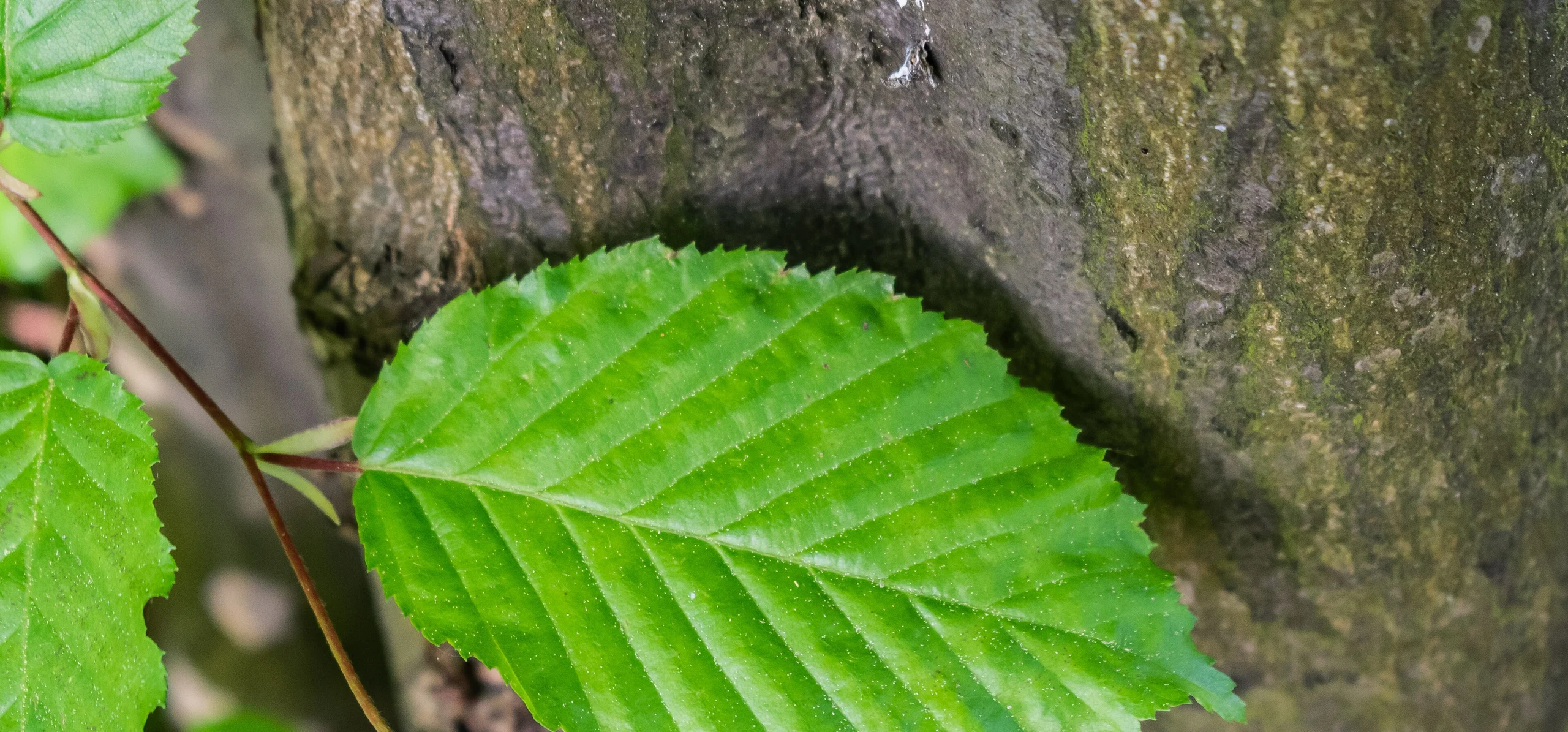
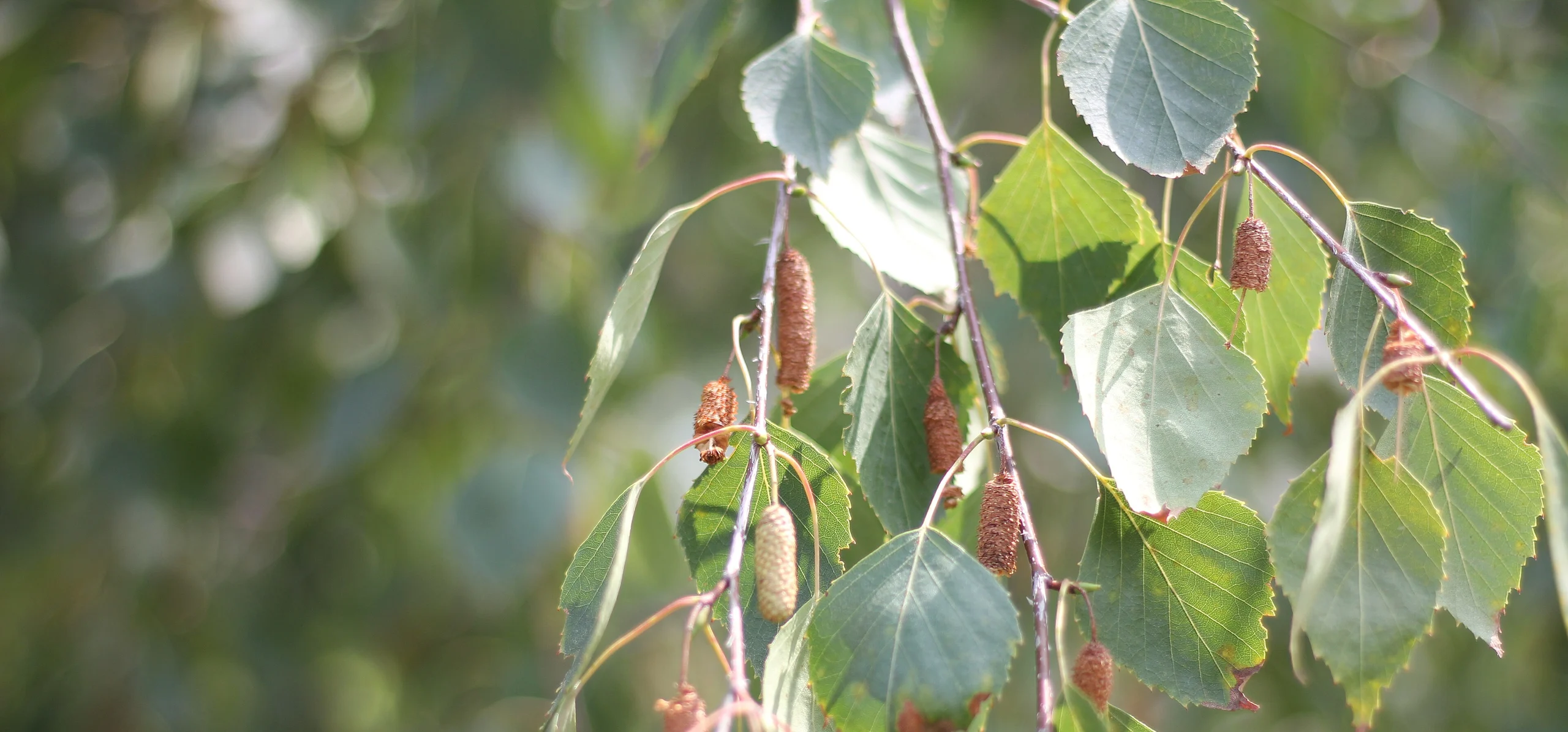
A silver birch (Betula pendula) bought as a whippy young tree does not stay small or slow for long: it is one of Europe's classic pioneer species, built to shoot up fast on bare or disturbed ground, and by year ten or fifteen it is already taller than the house behind it. The white, papery bark that peels in strips and blackens near the base only develops fully with age, so a young tree still shows smooth grey brown bark for its first several years. Its root system spreads wide and shallow rather than sinking deep, which makes it a poor neighbour for foundations, drains and paving, and its slender branch tips droop and weep, giving the species its other common name, weeping birch. Buy or keep this tree expecting a fast, thirsty grower in its early years that turns notably drought stressed if neglected later on.
Origin and Life as a Pioneer Tree
Betula pendula is native across west Eurasia; Plants of the World Online (Kew) gives the native range of the typical subspecies as Europe to Siberia and N. Iran, and Morocco. In the wild it behaves as a classic pioneer: light, wind blown seed lets it colonise open, disturbed or recently cleared ground ahead of slower growing trees such as oak, and it grows fast while there is bare space to take. That pioneering habit explains both its main virtue in a garden or as a street tree, rapid early size, and its main weakness: it invests in speed over long term structure, and its natural role is to be succeeded rather than to stand for centuries. NC State Extension notes it is short lived once grown in the warmer conditions of USDA zones 8 to 9, well outside the cooler climate where it performs best.
Siting: Roots, Buildings and Wind
Because the roots spread wide and shallow rather than sinking a deep taproot, plant a silver birch well clear of foundations, septic fields, drains and paved paths, both to protect the structure and to avoid surface roots that will eventually lift and crack thin paving nearby. Give a full sized tree distance from the house before anything else: the RHS lists an ultimate height above 12 m, commonly to around 25 m, with a spread wider than 8 m, reached over roughly 20 to 50 years, so a birch planted three metres from a wall is a mistake you live with for decades. The same shallow rooting makes it a poor choice next to a vegetable bed or perennial border, where it will out compete smaller plants for surface moisture.


Sun, Soil and Establishing a Young Tree
Silver birch takes full sun to light, dappled shade and, per the RHS, tolerates chalk, clay, loam and sand as long as drainage is reasonable; the NC State Extension plant toolbox lists it as suited to acidic through neutral soils and notes it also handles shallow, rocky ground. Water a newly planted tree deeply and regularly through its first one or two growing seasons while the root system establishes; once settled in, it tolerates naturally dry soil far better than many shade trees its size. That early establishment period matters more for birch than for most trees, because a stressed root system in year one sets up problems that surface years later as canopy dieback.
Drought Stress and Bronze Birch Borer
Bronze birch borer is the single biggest threat to a planted silver birch, and Betula pendula is among the birch species most susceptible to it. The beetle targets old, weakened or drought stressed trees rather than healthy ones: extension research on related birches found that resistance held up when trees received roughly one inch of water a week through the growing season, and dropped sharply once available water fell below about half an inch a week. In practice the single best defence is not a spray but consistent watering through hot, dry spells, especially on a tree already under stress from heat, compacted soil or root damage from nearby digging. Watch for early symptoms: sparse, yellowing foliage and dieback starting at the top of the crown and working down, since by the time D shaped exit holes show in the bark the infestation is usually well established.
Pruning Timing: Why Birch Bleeds
Birch is one of the trees that bleeds heavily from cuts made while sap is rising, so both the RHS and NC State Extension advise against pruning in late winter or spring. Prune instead in late summer through the depths of winter dormancy, while the tree is fully at rest, and keep cuts to a minimum since birch also heals more slowly than faster callusing species. A cut made at the wrong time will weep sap for days or weeks; it rarely harms the tree, but it looks alarming and can stain paving underneath, so plan formative pruning on a young tree around this dormant window rather than reacting to bleeding after the fact.
Other Pests, Diseases and Common Mistakes
Beyond the borer, silver birch is fairly trouble free: aphids, leaf miners and the birch skeletonizer show up but rarely threaten a healthy tree, and the RHS notes occasional leaf spot and honey fungus as possible, if uncommon, issues. The most frequent mistake is planting it too close to a house or drive on the assumption that a whippy young nursery tree will stay that size, then dealing with lifted paving and a canopy overhanging the roofline within fifteen years. The second is skipping supplemental water during the first two summers, which weakens the root system exactly when the tree can least afford it and sets up borer problems that only show up years later. The third is pruning out of habit in late winter rather than waiting for the dormant window, leaving cuts that bleed for weeks without adding any benefit.
Pollen Allergy
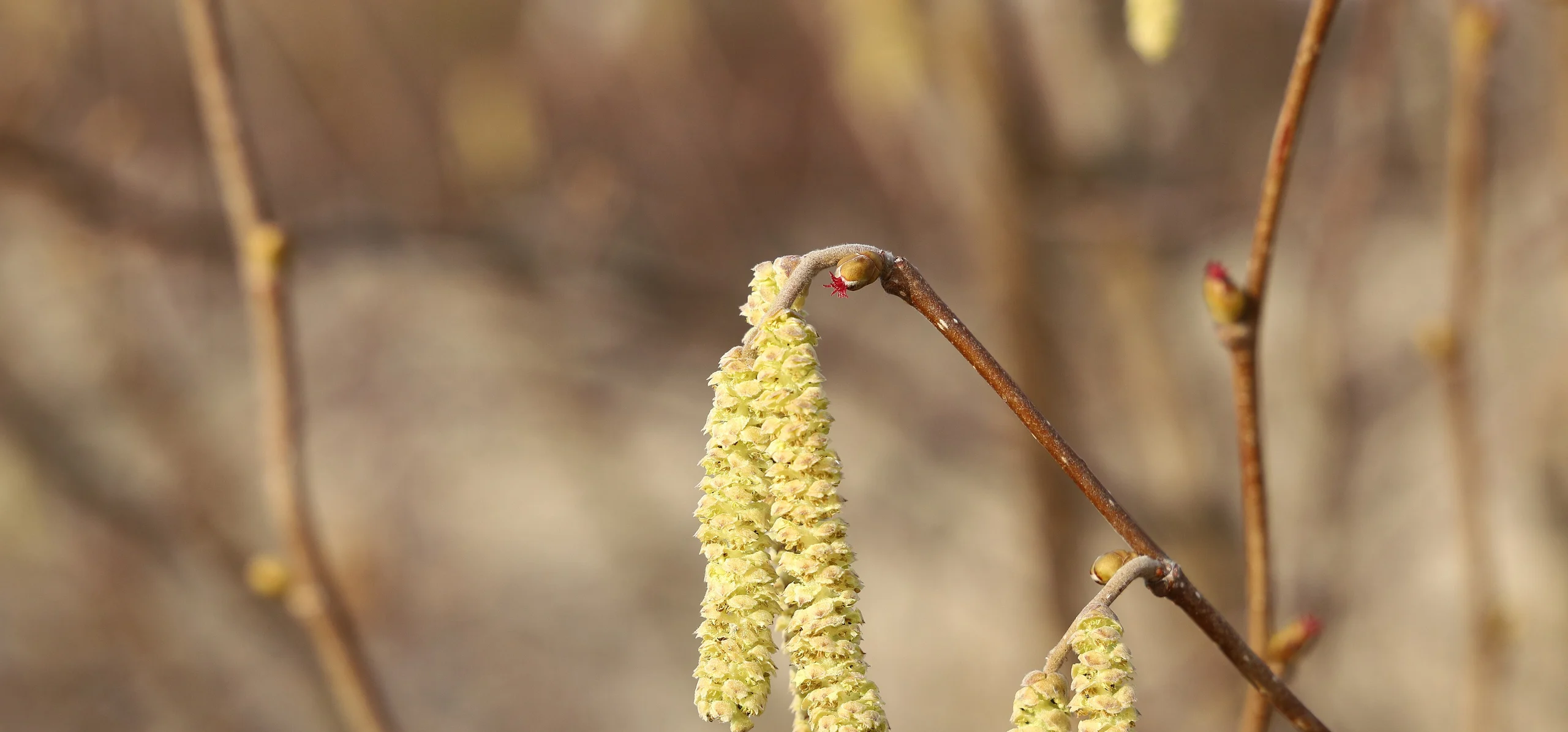
Birch catkins open in early spring, before or just as the leaves unfurl, and release large amounts of wind blown pollen over a short, intense window. Birch pollen is one of the more common tree pollens behind seasonal hay fever symptoms in temperate regions, so anyone in the household with spring pollen allergies is worth considering before planting a mature specimen close to windows, a patio or a regularly used entrance. This is a siting consideration rather than a reason to avoid the species: a birch at the far end of a garden causes far less trouble than one shading a bedroom window.
Test your plant knowledge
Tap a card to flip it and reveal the answer.
Betula pendula behaves as a pioneer species, colonising open or disturbed ground faster than slower growing trees such as oak. Tap to reveal ✓ True
Silver birch has deep roots and causes little disturbance to nearby paving or foundations. Tap to reveal ✕ False
The best time to prune a silver birch is in late winter or early spring, when sap flow helps cuts heal fastest. Tap to reveal ✕ False
Bronze birch borer preferentially attacks trees that are already stressed by drought or heat. Tap to reveal ✓ True
Birch catkins release large amounts of wind-pollinated pollen in early spring, a common trigger for seasonal allergies. Tap to reveal ✓ True
Sources
References consulted for this guide
- GBIF Backbone Taxonomy: Betula pendula Rothgbif.org
- Plants of the World Online (Kew): Betula pendula Rothpowo.science.kew.org
- RHS: Betula pendula (silver birch)rhs.org.uk
- NC State Extension Gardener Plant Toolbox: Betula pendulaplants.ces.ncsu.edu
- Missouri Botanical Garden Plant Finder: Betula pendulamissouribotanicalgarden.org
- Reference entity : Wikipédiaen.wikipedia.org