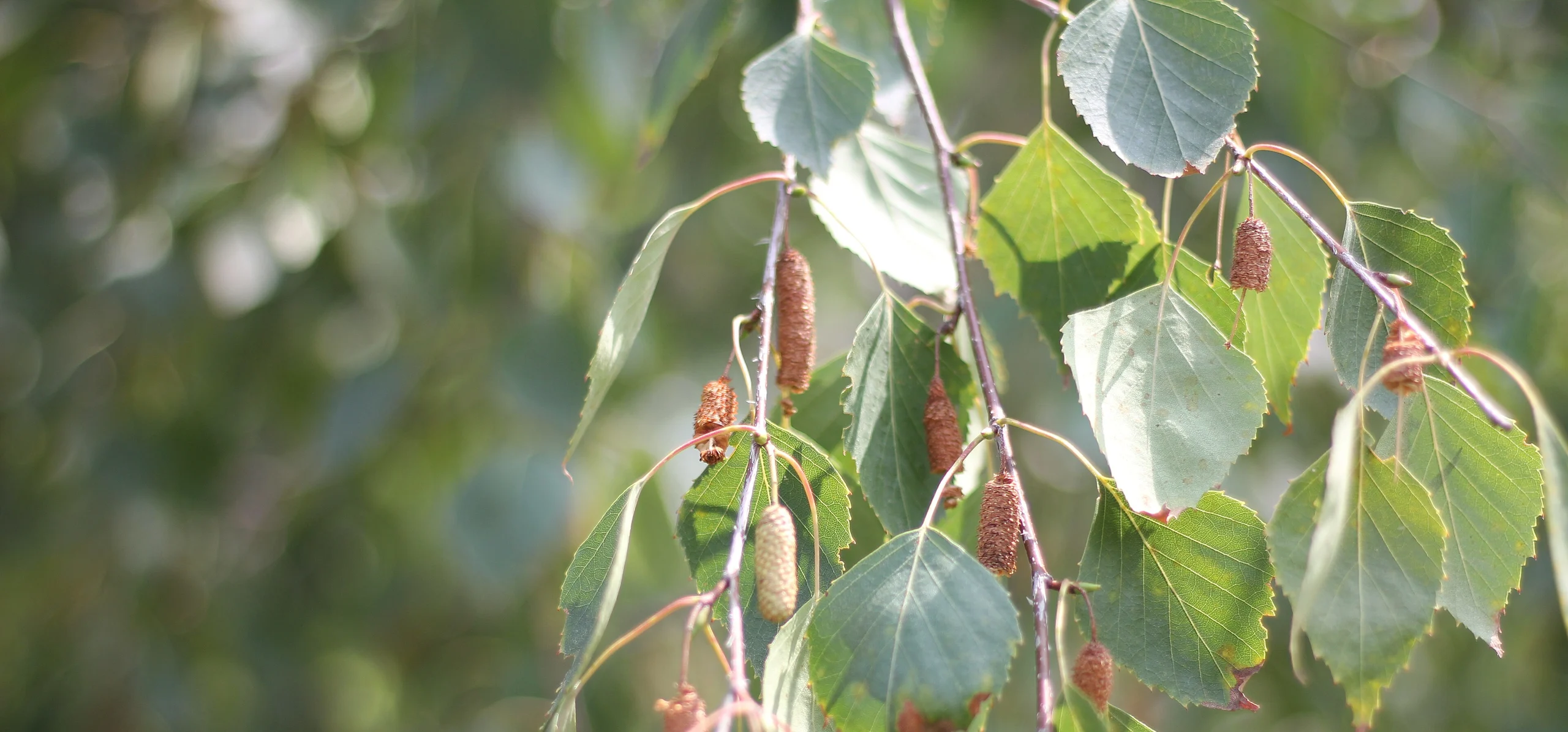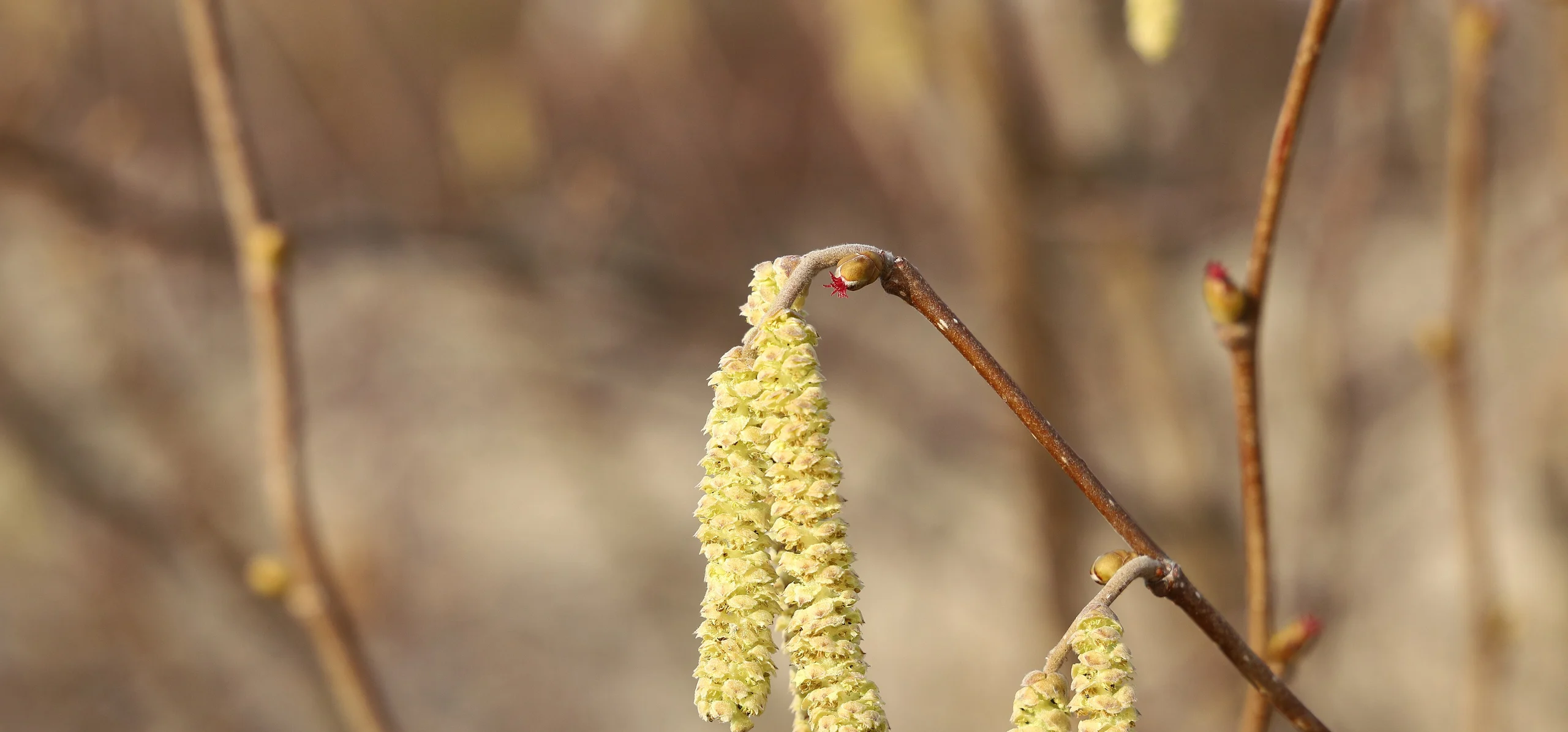
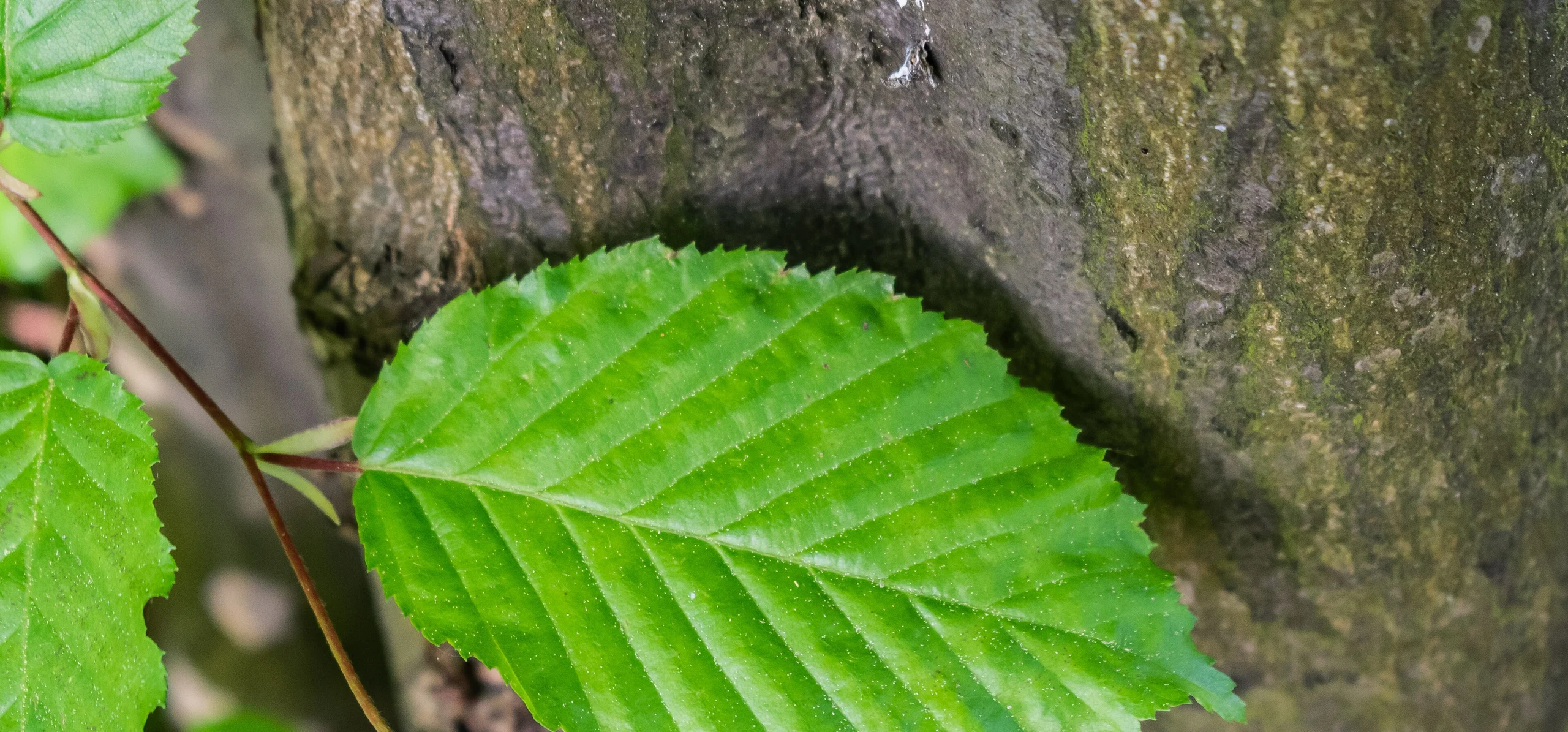
European Hornbeam
Carpinus betulus
Family · Betulaceae
European hornbeam takes clay and part shade where beech gives up, holds papery leaves through winter, and shrugs off the hard clipping pleaching demands.
Carpinus betulus
Plant profile
- WateringLittleWater every 12 days
- Light exposurePartial sun
- Hardiness zoneUSDA 4–8
Growth
- Family
- Betulaceae
- Life cycle
- Perennial
- Growth speed
- 3/10
- Mature size
- 1200–1800 cm
- Spread
- 900–1200 cm
- Propagation
- Seed
- Cutting
- Grafting
FloweringInconspicuous catkins in spring before the leaves, followed by hop-like fruiting clusters in late summer
Dormancydeciduous, marcescent through winter
Time to maturityreaches full size in 50 or more years
Soil & climate
- Soil types
- chalk, clay, loam, sand
- Drought tolerance
- Yes
Light & Placement
- Origin
- Europe to Iran
- Where to place it
- clipped hedge
- pleached screen
- boundary planting
- woodland edge
- heavy or clay soil
Safety
- Toxicity
- Not evaluated by the ASPCA; toxicity undetermined
- Pet safe
- No
Data fromGBIF Backbone Taxonomy: Carpinus betulusPlants of the World Online (Kew): CarpinRHS: Carpinus betulus (common hornbeam)RHS: Carpinus betulus 'Fastigiata'NC State Extension Gardener Plant Toolbo
Where it grows
World distribution
European Hornbeam is native to 26 countries: Albania, Austria, Belarus, Belgium, Bulgaria, Croatia, Czechia, and Denmark….GBIF records 749,801 documented identifications across 63 countries, with the largest concentrations in France, Germany, and Sweden.
- Albania
- Austria
- Belarus
- Belgium
- Bulgaria
- Croatia
- Czechia
- Denmark
- Estonia
- France
- Georgia
- Germany
Show 14 more countriesShow fewer countries
- Greece
- Hungary
- Iran
- Italy
- Netherlands
- Poland
- Romania
- Russia
- Spain
- Sweden
- Switzerland
- Türkiye
- Ukraine
- United Kingdom
Yellow to orange dots: concentration of documented identifications per country. Green countries: sourced native range. Source: GBIFNative range from POWO (Kew).
A hornbeam hedge that still carries a skirt of dry, tan leaves in January is not neglected, it is simply doing what Carpinus betulus does: this tree drops its summer green in autumn like any deciduous species, but a large share of the dead leaves stay clipped to the twigs until spring growth finally pushes them off. That single trait, combined with a tolerance for heavy clay and occasionally waterlogged ground that beech cannot match, is why hornbeam has been the default hedging and pleaching tree across much of lowland Europe for centuries. It takes hard clipping without sulking, keeps a fine, twiggy structure close to the trunk, and rewards patience rather than any particular skill.
Origin and Where It Grows
Carpinus betulus belongs to the birch family, Betulaceae, within the order Fagales, according to the GBIF Backbone Taxonomy. Plants of the World Online lists it as native across a broad band from Britain, France and the Low Countries east through Germany, Poland and the Baltic states to European Russia, and on into the Caucasus, Turkiye and Iran. It is a tree of lowland and hill woodland within that range, often growing as understorey beneath oak, and it has been planted as hedging and parkland timber well beyond its native limits for so long that it now reads as a native hedgerow species almost everywhere in temperate Europe.
Why Hornbeam Outperforms Beech on Heavy or Wet Ground
Hornbeam and common beech (Fagus sylvatica) are interchangeable for most formal hedging purposes and share the marcescent winter foliage that makes both so popular for screening, but they part ways on soil. The North Carolina State Extension plant database rates hornbeam's soil drainage tolerance from good drainage through to occasionally wet, on clay, loam or sandy textures and across acid, neutral or alkaline pH; the RHS adds chalk to that list. Beech, by contrast, sulks and yellows on heavy, poorly drained clay and dislikes waterlogging even briefly. Anyone planting a boundary hedge on clay that puddles after rain, or in a low corner of the garden that stays damp into spring, gets a far more reliable result from hornbeam than from beech, without giving up the same dense, leaf-retaining screen.
Siting, Soil and Planting a Hedge
Hornbeam takes full sun to partial shade equally well, which makes it one of the few hedging species that performs almost as densely against a shaded north wall or under the canopy of larger trees as it does in the open. Plant bare-root whips in the dormant season, from autumn through late winter while the ground is workable, spacing them roughly 45 to 60 cm apart in a single row or staggered in a double row for a thicker screen sooner. Growth is slow by hedging standards, so a newly planted hornbeam hedge takes noticeably longer to fill out than a fast privet or leylandii screen; that slowness is also why an established hedge holds its shape for years between hard renovations. Left unpruned it eventually makes a substantial tree, 12 to 18 metres tall and 9 to 12 metres wide, but regular clipping keeps a hedge at whatever height is cut.


Clipping and Timing for a Formal Hedge
The RHS notes hornbeam tolerates heavy pruning well, which is exactly what a hedge or pleached screen demands. One clip in late summer, after the main flush of growth has hardened, is usually enough for a formal hedge and has the useful side effect of encouraging the marcescent leaf retention that gives winter structure; two clips, one in early to midsummer and a tidy-up in late summer, suit a more formal shape that is on view year round. Avoid cutting into bare old wood in a hard renovation during the coldest part of winter when frost can damage exposed cuts; late winter, just before the new leaves emerge, is the safer window for cutting hard back into a neglected hedge.
Marcescence: Why the Leaves Hang On Through Winter
Marcescence, the retention of dead leaves through winter rather than a clean autumn drop, happens in hornbeam because the abscission layer at the base of each leaf stalk fails to complete in autumn, so the leaf dies and turns tan or copper but stays attached until pushed off by the swelling buds of spring. University extension research comparing hornbeam and beech shows the trait is strongest in both species on young growth and on hedges kept clipped, which is why a trimmed hornbeam hedge holds far more of its dead foliage all winter than an unclipped, mature specimen tree does. The practical upshot for anyone choosing a hedge for winter privacy is that hornbeam and beech both give a warm, papery screen from November to March that a genuinely deciduous hedge such as hawthorn or field maple cannot.
Pleaching a Hornbeam Screen
Pleaching trains a row of trees on a shared horizontal frame so their branches interweave into a flat screen or hedge on stilts, typically with a clear trunk below and a narrow, clipped canopy above. Hornbeam is one of the classic pleaching species precisely because of the traits already described: it tolerates the repeated hard summer clipping pleaching requires, its fine twiggy regrowth knits together densely along the frame, and its marcescent leaves keep the screen from looking bare in winter the way a pleached, non-marcescent species would. New pleached hornbeam is trained onto a bamboo or wire frame while the leading shoots are still flexible, tied in as they extend, and clipped back hard once the framework is filled; established pleached hornbeam is maintained with the same late-summer clip as a conventional hedge.
'Fastigiata' and Other Garden Forms
'Fastigiata' is the hornbeam cultivar most often sold for smaller gardens and street planting: the RHS describes its habit as an upright tree with a narrow crown when young that broadens into a compact, ovoid shape at maturity, reaching the same eventual size as the species, over 12 metres tall and over 8 metres wide, and carrying the same H7 hardiness rating for the coldest continental winters. It suits a narrow avenue or a formal specimen where the species' looser, broader crown would not fit. Cultivars including 'Fastigiata' do not come true from seed and are propagated by grafting onto seedling rootstock or by softwood cuttings, whereas the straight species is usually raised from seed sown as soon as it ripens, since germination can otherwise take up to eighteen months.
Pests, Diseases and Common Mistakes
Hornbeam carries a genuinely short problem list. The RHS notes occasional caterpillars and aphids, along with powdery mildew, coral spot and, rarely, honey fungus, while North Carolina State's extension database describes it as having no serious insect or disease problems beyond occasional leaf-spot fungi and squirrels stripping bark from young stems. The most common mistake is planting hornbeam for winter screening and then clipping only once in spring, which removes the very growth that would have held its marcescent leaves through the following winter; clip in late summer instead if winter cover matters. The second is assuming, because it looks like beech, that it needs beech's free-draining soil: hornbeam is the one to choose precisely where the ground stays heavy or damp.
Test your plant knowledge
Tap a card to flip it and reveal the answer.
Hornbeam tolerates heavy clay and occasionally waterlogged soil better than common beech. Tap to reveal ✓ True
A clipped hornbeam hedge drops all its dead leaves cleanly every autumn. Tap to reveal ✕ False
'Fastigiata' has a narrow, upright crown when young that broadens into a compact, oval shape as it matures. Tap to reveal ✓ True
Hornbeam cannot tolerate hard pruning, which makes it unsuitable for formal hedges. Tap to reveal ✕ False
Pleached hornbeam screens rely on the tree's tolerance of repeated hard clipping and its fine, twiggy regrowth. Tap to reveal ✓ True
Sources
References consulted for this guide
- GBIF Backbone Taxonomy: Carpinus betulus L.gbif.org
- Plants of the World Online (Kew): Carpinus betulus L.powo.science.kew.org
- RHS: Carpinus betulus (common hornbeam)rhs.org.uk
- RHS: Carpinus betulus 'Fastigiata'rhs.org.uk
- NC State Extension Gardener Plant Toolbox: Carpinus betulusplants.ces.ncsu.edu
- Reference entity : Wikipédiaen.wikipedia.org