Common Hazel
Corylus avellana
Family · Betulaceae
Common hazel needs a second cultivar to fruit, light well-drained soil, and August brutting to crop well. Pollination, coppicing, big bud mite and nut weevil.
Corylus avellana
Plant profile
- WateringModerateWater every 9 days
- Light exposurePartial sun
Growth
- Family
- Betulaceae
- Life cycle
- Perennial
- Growth speed
- 6/10
- Mature size
- 400–800 cm
- Spread
- 400–800 cm
- Flowering
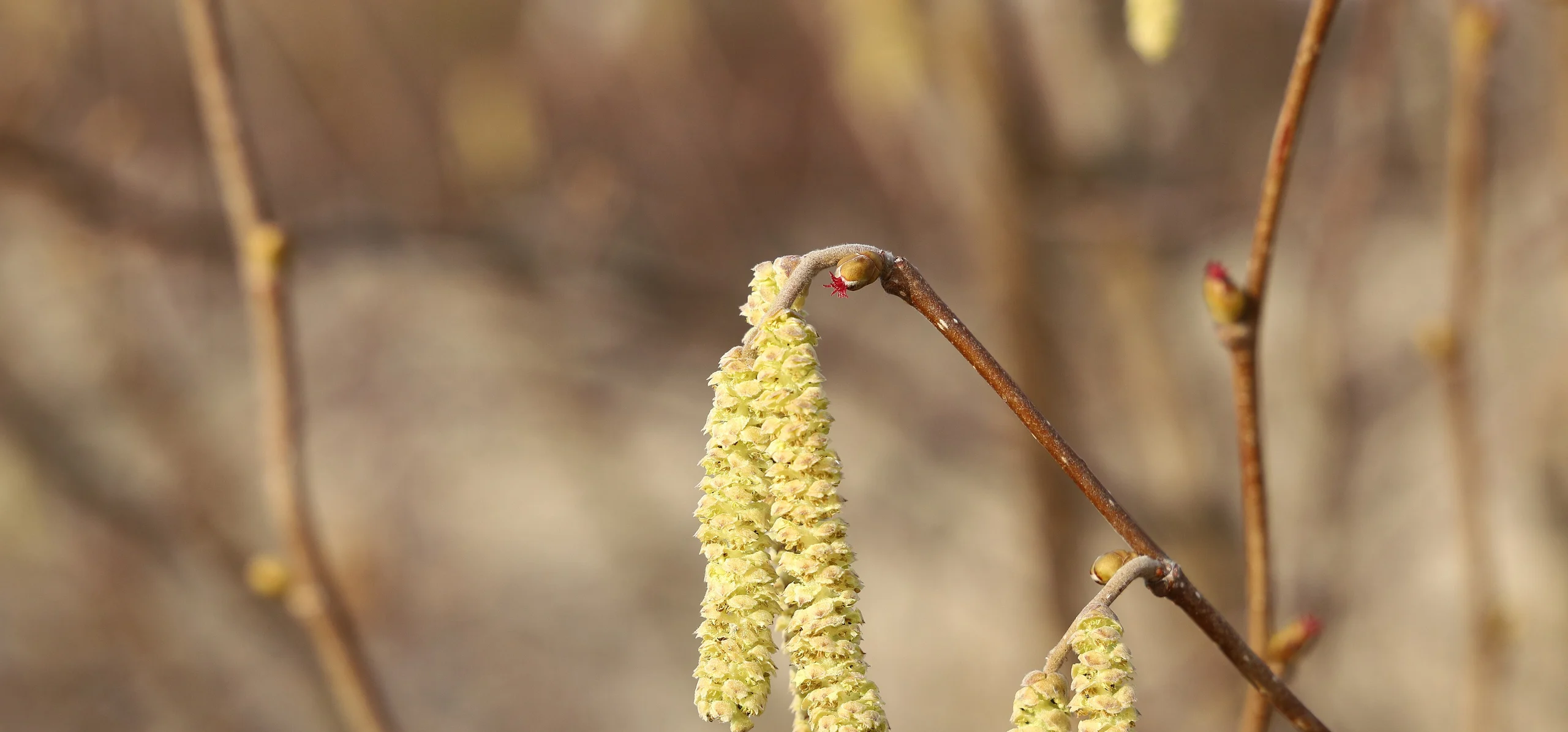
- Yellow male catkins and tiny red female flowers on bare wood, January to March
- Propagation
- Seed
- Layering
- Division
Dormancydeciduous; bare in winter, catkins open on bare wood before the leaves
Time to maturityreaches much of its 4 to 8 m size in 5 to 10 years (RHS); a trained bush gives a first light crop in 3 to 4 years (RHS)
Soil & climate
- Soil pH
- pH 6.5–7.5
- Soil types
- sand, loam, chalk
- Drought tolerance
- No
Light & Placement
- Origin
- Europe to the Caucasus (POWO)
- Where to place it
- sheltered hedgerow or woodland edge
- coppice or nuttery bed
- large mixed border, out of frost pockets
Safety
- Toxicity
- Not evaluated by the ASPCA; the nuts are a familiar edible food crop
- Pet safe
- No
Invasive speciesSpreads by suckering from the base into a multi-stemmed thicket if suckers are not removed (RHS)
Data fromGBIF Backbone Taxonomy: Corylus avellanaRHS: Corylus avellana (hazel)RHS Advice: Cobnuts and filberts, growinRHS: Corylus avellana 'Contorta' (corkscOregon State University Extension: Growi
Where it grows
World distribution
Common Hazel is native to 30 countries: Albania, Austria, Belarus, Belgium, Bulgaria, Croatia, Czechia, and Denmark….GBIF records 1,438,337 documented identifications across 77 countries, with the largest concentrations in France, United Kingdom, and Germany.
- Albania
- Austria
- Belarus
- Belgium
- Bulgaria
- Croatia
- Czechia
- Denmark
- Estonia
- Faroe Islands
- Finland
- France
Show 18 more countriesShow fewer countries
- Georgia
- Germany
- Greece
- Hungary
- Ireland
- Italy
- Netherlands
- Norway
- Poland
- Portugal
- Romania
- Russia
- Spain
- Sweden
- Switzerland
- Türkiye
- Ukraine
- United Kingdom
Yellow to orange dots: concentration of documented identifications per country. Green countries: sourced native range. Source: GBIFNative range from POWO (Kew).
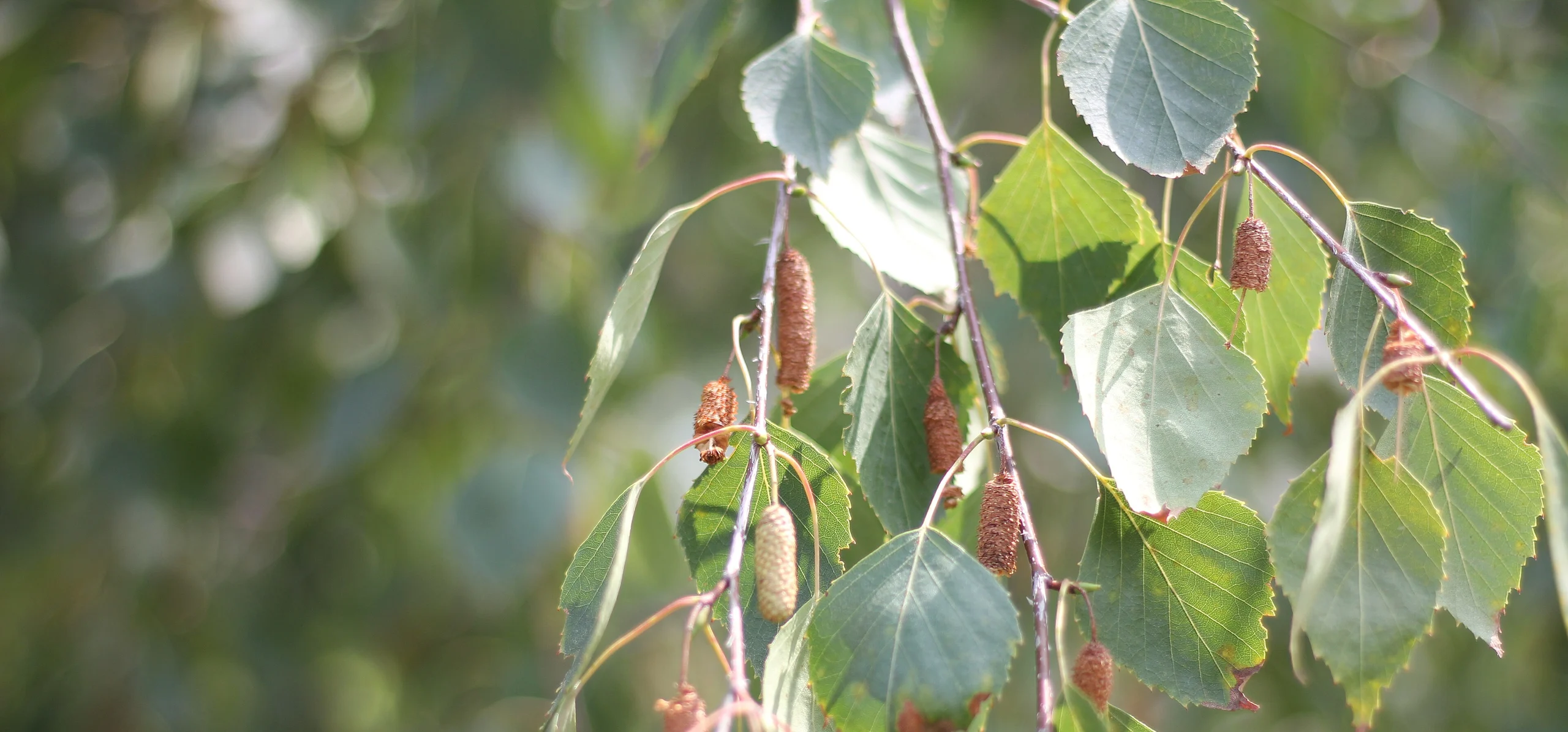
Corylus avellana is the common hazel of European hedgerows, the shrub behind the yellow catkins that dangle from bare wood in January and the cobnuts that ripen in their leafy husks by early autumn. It grows as several stems from one base rather than a single trunk, reaches 4 to 8 m in height and spread according to the RHS, and asks for very little once established: ordinary well-drained soil, a position out of the worst frost, and a second, genetically different hazel nearby, since a lone plant pollinates itself only sporadically and rarely sets a worthwhile crop of nuts.
Where Hazel Comes From and What You're Growing
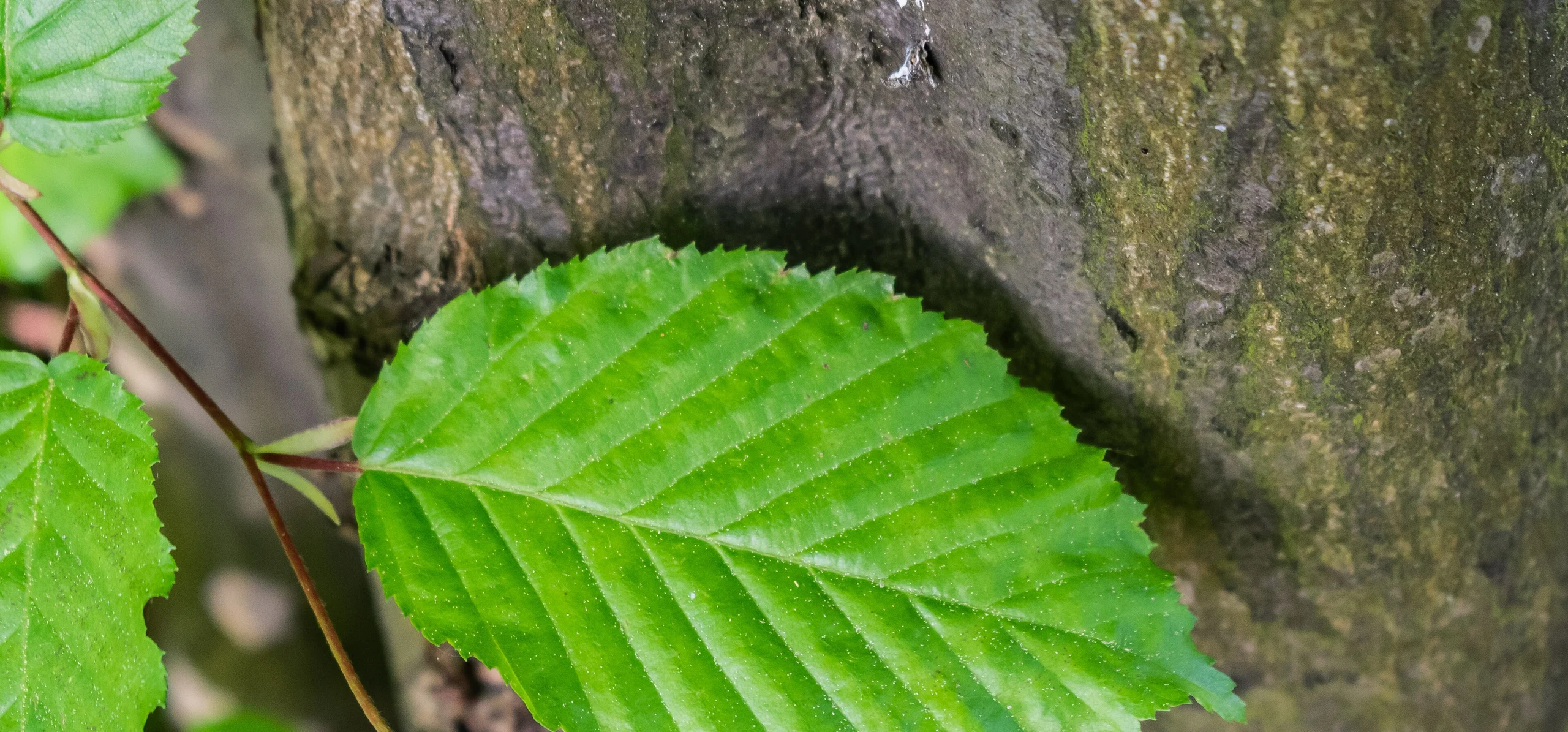
GBIF's Backbone Taxonomy accepts Corylus avellana L. as the correct name, placing it in the birch family, Betulaceae, within the order Fagales. Kew's Plants of the World Online gives its native range as Europe to the Caucasus, and within that range it grows wild along woodland edges, hedgerows and wooded slopes long before anyone planted it for its nuts. The species covers a wide range of forms: plain hedgerow hazel grown for wood and wildlife, named cobnut and filbert cultivars selected for the size and flavour of their nuts, purple-leaved forms such as 'Fuscorubra', and the corkscrew hazel, Corylus avellana 'Contorta', whose spiralling stems earned it an RHS Award of Garden Merit and a following among flower arrangers rather than nut growers. All share the same underlying needs described below.
Site, Soil and Light
The RHS recommends light, sandy, well-drained soil with a pH of 6.5 to 7.5, in full sun or light shade, sheltered from the worst wind and out of frost pockets where cold air pools on still nights. Chalk, loam and sand all suit it, and it tolerates alkaline ground better than most fruiting shrubs, which is why it turns up so often on chalky hillsides. Resist the urge to improve the soil too much: the RHS specifically warns that overly fertile ground pushes the plant into leafy growth at the expense of flowers and nuts, so skip the rich compost and heavy feeding that other fruiting shrubs appreciate.
Planting and the First Few Years
Plant a bare-root hazel between November and March while it is dormant, firming it in at the same depth it grew in the nursery row and mulching around, not against, the base to hold moisture. A yearly dressing of balanced fertiliser at around 70 g per square metre in late winter is enough; more than that works against you. Water through dry spells for the first couple of summers while roots spread, then step back and let rainfall do the work in most soils. Given a partner variety, an untrained hazel is capable of a first light crop within three or four years, though a plant trained as an open-centred bush, described below, fruits more reliably than one left to its own shape.


Catkins and Pollination: Why a Lone Hazel Often Fails to Fruit
Hazel carries both sexes on the same plant but keeps them apart: long yellow male catkins that shed pollen on the wind, and tiny female flowers, little more than a red-tufted bud, borne separately on the same bare branches. Flowering runs from January into March over four to six weeks, but a single plant's male and female flowers rarely open in step with each other, so self-pollination is sporadic at best. The RHS advice is blunt on this point: plant at least two different cultivars to get a good nut set. Each catkin releases more than a million pollen grains, per Oregon State University Extension's pollination research, so quantity is never the limiting factor; timing is, which is why growers plant an early, a mid-season and a late variety together.
Pruning: From a Young Leader to Summer Brutting
A newly planted hazel is headed back to about 45 cm after planting, then the following summer the lowest shoots are removed and the remaining laterals shortened by around a third, building toward an open, goblet-shaped bush on 8 to 10 upright main stems, per RHS guidance. Once that framework is established, growers use a technique called brutting each August: snapping, rather than cutting, the current season's longer side-shoots by hand so they hang half-broken on the bush. It sounds destructive, but it opens the canopy to light and air and triggers the formation of next year's female flowers along the shortened shoots. A winter follow-up cuts the brutted branches back to three or four buds and removes a portion of old or crowded wood, keeping the bush productive rather than letting it run up into a tangle of thin growth.
Coppicing and Suckers
Left for structure rather than nuts, hazel tolerates hard renewal cuts well, and traditional woodland management coppices whole stools every several years, cutting the stems near ground level in winter for straight poles used as hurdles, pea sticks and bean poles while the roots resprout vigorously. That same vigour shows up as suckers at any time: new shoots pushing up from the roots a little distance from the main stems. Left alone they thicken the base into a multi-stemmed clump, which is exactly what a hedgerow or coppice wants; in a border, pull or cut unwanted suckers back to their point of origin as they appear, and note that a rooted sucker lifted with some root attached is itself the easiest way to propagate a new plant, alongside seed and layering.
Big Bud Mite, Nut Weevil and Squirrels
Watch the winter buds for ones noticeably rounder and fatter than their neighbours: that swelling is usually the work of a gall mite living inside, which the RHS lists among the pests hazel commonly carries along with caterpillars, aphids and sawflies, and which weakens the shoots and catkins that emerge from an infested bud. A different problem shows up in the nuts themselves in late summer, a small round hole or a pale grub inside, the larva of the nut weevil, which lays its egg in the young nut earlier in the season; the RHS's only real countermeasure is cultivating the soil beneath the bush in winter to expose and destroy the overwintering grubs. Squirrels are usually the more visible thief, stripping a crop green well before it would naturally ripen, and where they are a persistent problem the RHS suggests harvesting slightly early rather than losing the lot. Powdery mildew can whiten the large leaves on a dry, overcrowded bush; better airflow from the pruning above does more against it than any spray.
Harvesting Cobnuts
Nuts are ready once the leafy husks begin to turn yellow, typically in late September in the UK per RHS timing; pick by hand as the husks loosen rather than waiting for every nut to drop. Spread the harvest in shallow layers somewhere dry and airy, turning it every day or two, until the shells rattle loosely and the kernels have hardened; nuts stored damp mould quickly, while properly dried ones keep for months in a cool, dry, rodent-proof container. A hazel grown for nuts rather than for its wood or its winter silhouette earns its keep this way for decades once the framework from those early formative cuts is in place.
Test your plant knowledge
Tap a card to flip it and reveal the answer.
A single hazel plant will reliably pollinate itself and set a good crop of nuts on its own. Tap to reveal ✕ False
Hazel catkins open in high summer, just before the nuts ripen. Tap to reveal ✕ False
"Brutting", hand-snapping the current season's side-shoots in August, is a real RHS pruning technique used to encourage more female flowers. Tap to reveal ✓ True
A noticeably swollen, rounded winter bud on hazel is always a sign of vigorous new growth. Tap to reveal ✕ False
The nut weevil lays its egg inside a developing hazelnut earlier in the season, and its larva is the grub later found inside a wormy nut. Tap to reveal ✓ True
Sources
References consulted for this guide
- GBIF Backbone Taxonomy: Corylus avellana L.gbif.org
- RHS: Corylus avellana (hazel)rhs.org.uk
- RHS Advice: Cobnuts and filberts, growing guiderhs.org.uk
- RHS: Corylus avellana 'Contorta' (corkscrew hazel)rhs.org.uk
- Oregon State University Extension: Growing Hazelnuts in the Pacific Northwest, Pollination and Nut Developmentextension.oregonstate.edu
- Reference entity : Wikipédiaen.wikipedia.org