Viper's Bugloss
Echium vulgare
Family · Boraginaceae
Viper's bugloss self-seeds fast, needs poor dry soil, and its bristly hairs and sap are toxic to horses and irritate human skin on contact.
Echium vulgare
Plant profile
- WateringLittleWater every 12 days
- Light exposureFull sun
- Hardiness zoneUSDA 4–8
Growth
- Family
- Boraginaceae
- Life cycle
- Biennial
- Growth speed
- 6/10
- Mature size
- 30–100 cm
- Spread
- 10–50 cm
- Flowering
- Late spring through autumn
- Propagation
- Seed
Dormancyoverwinters as a basal rosette
Time to maturityRosette in year one, flowers and dies in year two
Soil & climate
- Soil pH
- pH 5.5–8.5
- Soil types
- chalk, sand, loam, clay, rocky
- Drought tolerance
- Yes
Light & Placement
- Origin
- Europe to Xinjiang
- Where to place it
- gravel garden
- wildflower meadow
- dry roadside or bank
Safety
- Toxicity
- HorsesToxic
- HumansToxic
Invasive speciesConsidered invasive/weedy in Washington State; self-seeds aggressively if not deadheaded
Data fromGBIF Backbone Taxonomy: Echium vulgare LPlants of the World Online (Kew): EchiumASPCA: Toxic and Non-toxic Plants, ViperRHS: Echium vulgare (viper's bugloss)NC State Extension Gardener Plant Toolbo
Where it grows
World distribution
Viper's Bugloss is native to 36 countries: Albania, Austria, Belarus, Belgium, Bulgaria, China, Croatia, and Cyprus….GBIF records 456,262 documented identifications across 89 countries, with the largest concentrations in France, Germany, and Netherlands.
- Albania
- Austria
- Belarus
- Belgium
- Bulgaria
- China
- Croatia
- Cyprus
- Czechia
- Denmark
- Estonia
- Finland
Show 24 more countriesShow fewer countries
- France
- Georgia
- Germany
- Greece
- Hungary
- Ireland
- Italy
- Kazakhstan
- Kyrgyzstan
- Netherlands
- Norway
- Poland
- Portugal
- Romania
- Russia
- Spain
- Sweden
- Switzerland
- Tajikistan
- Türkiye
- Turkmenistan
- Ukraine
- United Kingdom
- Uzbekistan
Yellow to orange dots: concentration of documented identifications per country. Green countries: sourced native range. Source: GBIFNative range from POWO (Kew).
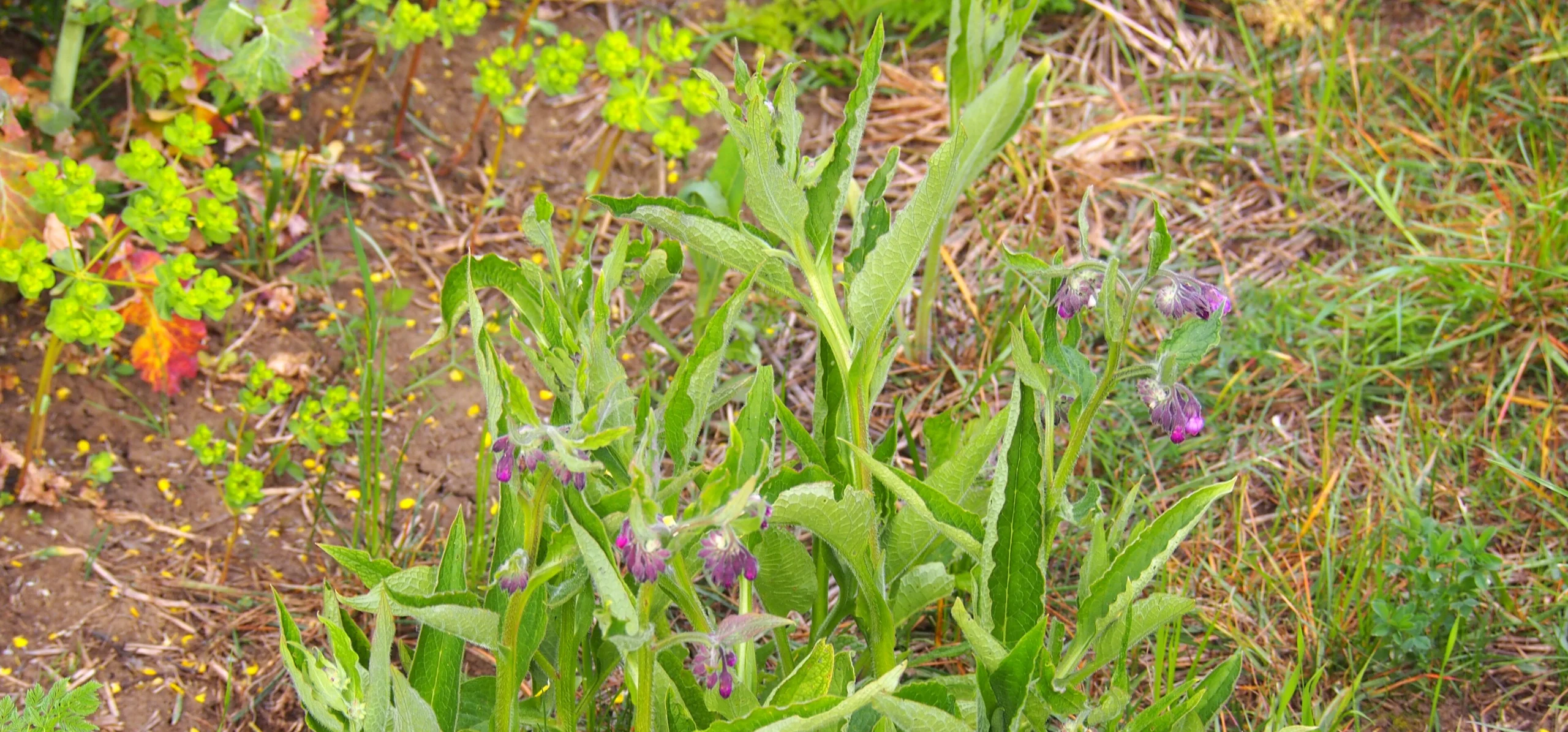
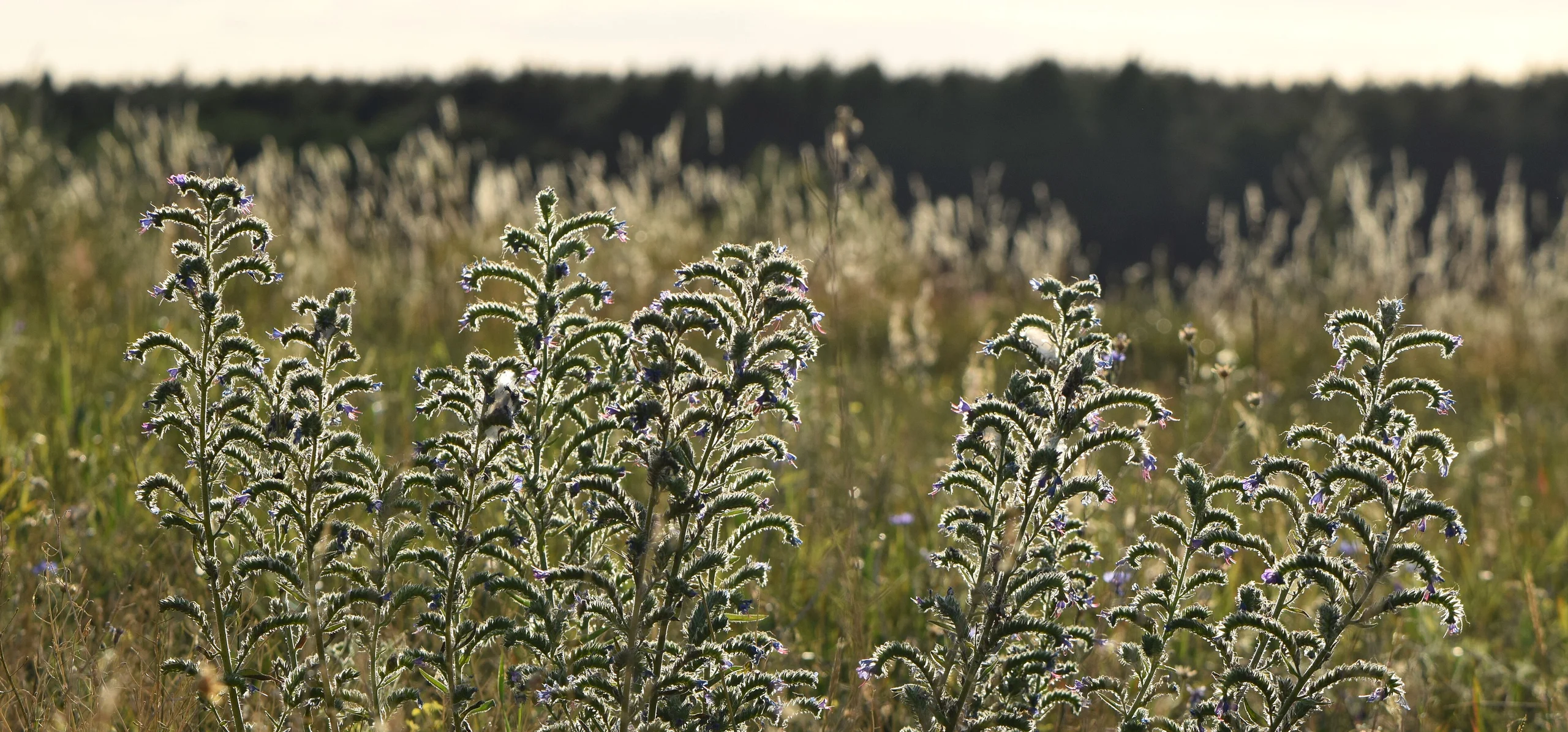
A rosette of narrow, bristly leaves that suddenly bolts into a spike of small blue flowers with long red stamens is almost always Echium vulgare, viper's bugloss. It is a biennial: the first year builds a low mat of hairy foliage close to the ground, the second year sends up one or several flowering stems reaching 0.5 to 1 metre. If you inherited it from a wildflower seed mix or found it colonising a gravel patch, the plant asks for almost nothing, poor dry soil and full sun suit it better than a tended border, and the trade-off is that it seeds itself with real enthusiasm.
Identifying Viper's Bugloss
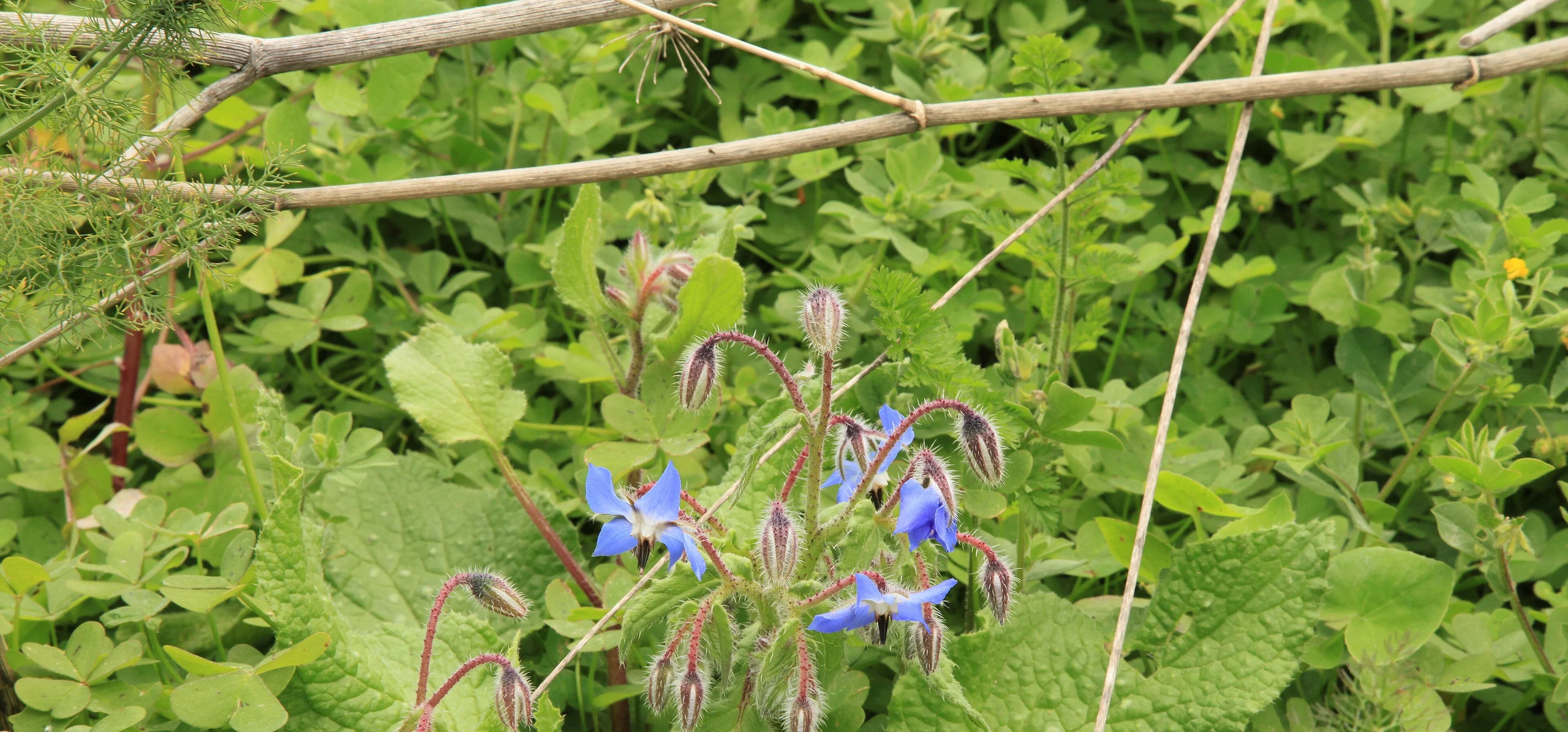
The whole plant, stems and leaves alike, is covered in stiff, spreading hairs with swollen, often red or purple bases, which is what gives established stands their slightly spotted, bristly look up close and makes hand-weeding uncomfortable without gloves. The funnel-shaped flowers open pink from the bud and turn bright blue as they mature, with four long stamens exserted well beyond the petals and a fifth, shorter one tucked inside, a detail that separates it at a glance from borage or forget-me-not. Flowering runs from late spring through summer and often into autumn on later stems.
Native Range and Where It Escapes Cultivation
Kew's Plants of the World Online lists the native range as Europe to Xinjiang, and the plant has since naturalised widely outside that range wherever a patch of disturbed, sunny ground gives it an opening. It is popular enough as a bee plant that gardeners sow it deliberately, but the same self-seeding habit has pushed it into pastures and roadsides across parts of North America. NC State's extension plant database flags it as considered invasive in Washington State, which is worth knowing before you let a stand run to seed near grazing land.
Growing From Seed: The Two-Year Cycle
Sow seed directly where it is to grow, in spring or late summer, since the long taproot resents transplanting once it has developed. Germination is unhurried and uneven rather than fast, and the first season produces only the basal rosette, do not expect flowers until the second spring. Because it is monocarpic, each rosette flowers once and then dies, so a permanent-looking patch is really a rolling population of first-year rosettes and second-year flowering plants replacing themselves year on year.
Site, Soil, and the Case for Poor Ground
Give it full sun and resist the urge to improve the soil. The RHS lists it as tolerant of chalk, loam and sand and of acid, neutral or alkaline pH, while NC State's plant finder adds clay and shallow rocky ground to that list, so the common thread is drainage rather than fertility. NC State is explicit that rich soil or heavy feeding works against the plant, over-fertilising produces soft, floppy growth and noticeably fewer flowers. If your border soil is fertile and moisture-retentive, viper's bugloss will grow but underperform, a gravel garden or a neglected strip near a wall suits it far better.


Watering and Drought Tolerance
Once past the seedling stage, this is a plant built for dry ground. NC State rates it drought resistant, and its behaviour bears that out: the taproot pushes deep in search of moisture while the hairy leaf surface cuts water loss in full sun. Water new sowings while they establish a rosette, then step back. In an open bed there is rarely a need for supplemental watering beyond a genuinely dry spell, and constantly moist soil does the plant no favours, it is one of the few garden flowers that performs best on neglect.
Deadheading to Control Self-Seeding
The single most useful piece of maintenance is deadheading. NC State's advice is direct: remove spent flower spikes to prevent aggressive reseeding, since every faded flower head left in place becomes a scatter of seed by late summer. Where you want the plant to persist as a loose colony, letting a portion of the stand set seed is the easiest way to keep next year's rosettes coming without resowing. Cut the dead flowering stems back in late winter or early spring, once they have finished providing seed and winter interest, to tidy the planting ahead of new growth.
Pollinators and Wildlife Value
Few border plants pull in pollinators as reliably. NC State lists it as attracting bees and butterflies, and a single flowering spike can be worked by several different bee species within an hour on a warm day, the long flowering season from late spring into autumn keeps that nectar source available when many other plants have finished. If a wildlife-friendly patch is the goal, viper's bugloss earns its keep even in a spot too dry and poor for most other flowering plants.
Toxicity: Skin Contact, Horses, and Uncertain Pet Data
Handle mature plants with gloves and long sleeves. The same stiff hairs that identify the species can cause contact dermatitis, and NC State separately notes that eating any part causes mouth pain, digestive upset and potential liver damage in humans, the toxic compound in both cases is a group of pyrrolizidine alkaloids. The ASPCA's dedicated entry for this species lists it as toxic to horses through the same alkaloids, which accumulate in the liver and cause disease if eaten in quantity or over time, this is the reason it is unwelcome in grazed pasture. The ASPCA page for Echium vulgare does not address cats or dogs at all, so treat their risk as unconfirmed rather than assuming it is safe, and keep any bristly, flowering stems out of reach of pets that chew garden plants.
Test your plant knowledge
Tap a card to flip it and reveal the answer.
Viper's bugloss flowers in its first year from seed. Tap to reveal ✕ False
Rich, well-fertilised soil produces the best flowering display. Tap to reveal ✕ False
Deadheading spent flower spikes helps control unwanted self-seeding. Tap to reveal ✓ True
The ASPCA lists viper's bugloss as toxic to horses. Tap to reveal ✓ True
The ASPCA's page for this species confirms it is safe for cats and dogs. Tap to reveal ✕ False
Sources
References consulted for this guide
- GBIF Backbone Taxonomy: Echium vulgare L.gbif.org
- Plants of the World Online (Kew): Echium vulgare L.powo.science.kew.org
- ASPCA: Toxic and Non-toxic Plants, Viper's Bugloss (Echium vulgare)aspca.org
- RHS: Echium vulgare (viper's bugloss)rhs.org.uk
- NC State Extension Gardener Plant Toolbox: Echium vulgareplants.ces.ncsu.edu
- Reference entity : Wikipédiaen.wikipedia.org