Yellow Loosestrife
Lysimachia punctata
Family · Primulaceae
Lysimachia punctata sends up whorls of yellow stars in early summer, spreads hard by rhizome in moist soil, and wilts fast if the ground dries out.
Lysimachia punctata
Plant profile
- WateringHighWater every 4 days
- Light exposurePartial sun
- Hardiness zoneUSDA 4–8
Growth
- Family
- Primulaceae
- Life cycle
- Perennial
- Growth speed
- 8/10
- Mature size
- 50–120 cm
- Spread
- 50–100 cm
- Flowering
- May to September, peaking in early to midsummer
- Propagation
- Seed
- Division
Dormancyherbaceous top growth dies back to ground level in autumn, regrowing from the rhizome crown the following spring
Time to maturityreaches flowering-size clumps within 2 to 5 years of planting (RHS)
Soil & climate
- Soil types
- clay, loam
- Drought tolerance
- No
Light & Placement
- Where to place it
- cottage garden border
- streamside or pond margin
- damp meadow edge
- wild or naturalistic planting
- large container with a sunken, rigid liner to block rhizome escape
OriginE. Central and SE. Europe to N. Iran (POWO), naturalised well beyond that range as a garden escape
Safety
- Toxicity
- Not listed by the ASPCA for cats, dogs or horses
- Pet safe
- No
Invasive speciesRHS warns that excessive vigour in moist soil makes it a determined spreader with the potential to become a nuisance if not managed; Missouri Botanical Garden records it naturalised as a garden escape in waste ground, ditches and roadsides across the northeastern United States, and it is also documented as a naturalised escape in parts of the UK and Scandinavia
Data fromLysimachia punctata L., GBIF Backbone TaPOWO: Lysimachia punctata L.RHS: Lysimachia punctata (dotted loosestMissouri Botanical Garden Plant Finder:
Where it grows
World distribution
Yellow Loosestrife is native to 15 countries: Albania, Austria, Bulgaria, Croatia, Czechia, Georgia, Greece, and Hungary….GBIF records 113,520 documented identifications across 56 countries, with the largest concentrations in United Kingdom, Germany, and Sweden.
- Albania
- Austria
- Bulgaria
- Croatia
- Czechia
- Georgia
- Greece
- Hungary
- Iran
- Italy
- Poland
- Romania
- Russia
- Türkiye
- Ukraine
Yellow to orange dots: concentration of documented identifications per country. Green countries: sourced native range. Source: GBIFNative range from POWO (Kew).
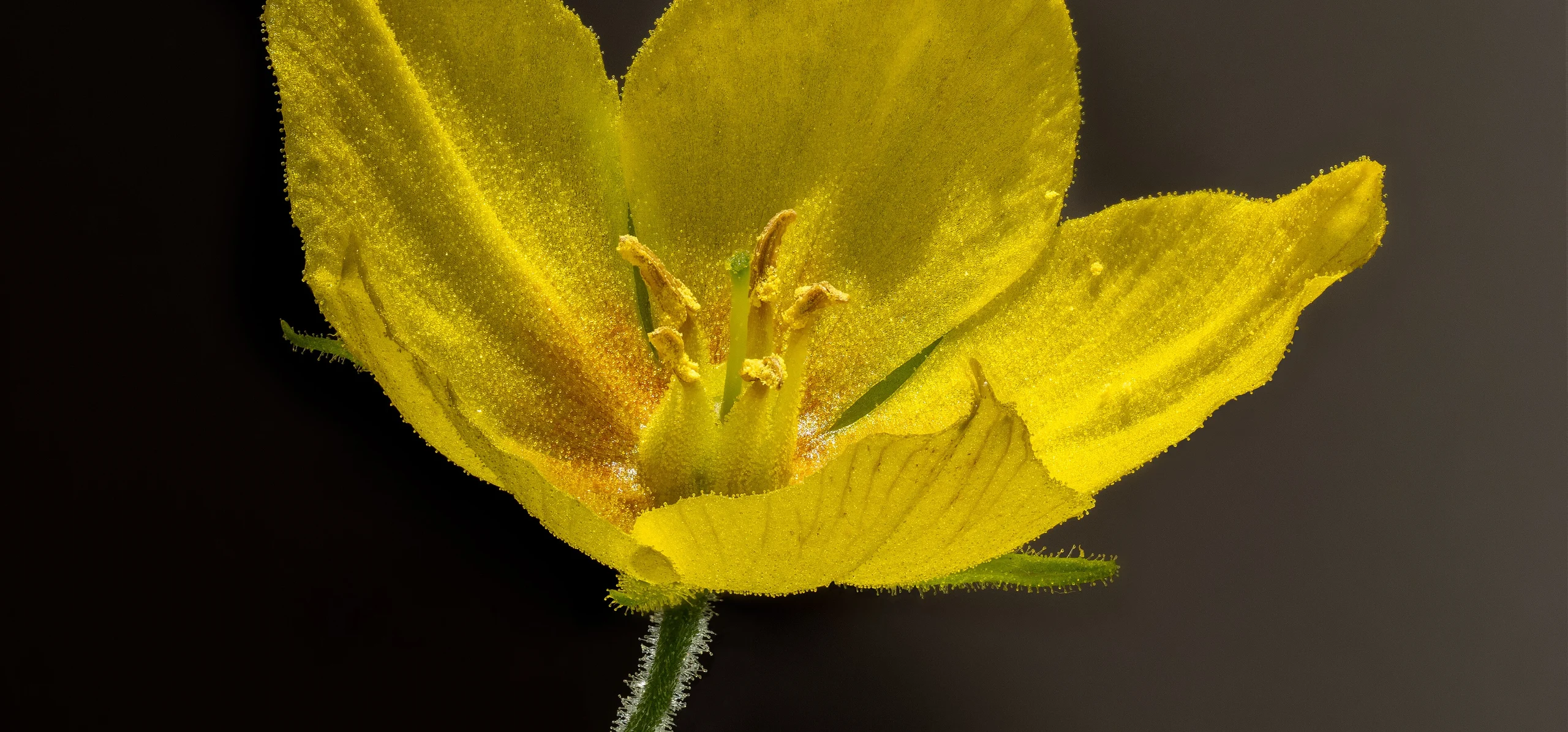
Lysimachia punctata announces itself in early to midsummer with tight whorls of star-shaped, bright yellow flowers stacked up stiff, upright stems, each bloom marked with a faint orange-red ring at its throat. It is an easy, undemanding border perennial as long as the soil stays damp: let it dry out and the leaves wilt within a day, while a spot it actually likes will fill in fast, because this plant spreads hard by underground rhizome and is not shy about colonising the ground around it. If you inherited a clump with an overgrown border, or bought one pot expecting a neat tuft, the two things worth knowing before you plant are where to put it and how often you will need to divide it back down.
Origin, Habitat and a Case of Mistaken Identity
Plants of the World Online gives the native range of Lysimachia punctata as east-central and southeastern Europe through to northern Iran, and Missouri Botanical Garden narrows that to central Europe and Asia Minor, describing it there as a perennial of damp, open ground. Despite the shared common name, it has nothing to do with purple loosestrife: Lysimachia punctata belongs to the primrose family, Primulaceae, while Lythrum salicaria, the plant usually meant by that name in North American wetlands, sits in the unrelated Lythraceae. Missouri Botanical Garden makes the point directly, noting that Lysimachia is also the less aggressive spreader of the two, which matters if you are trying to work out which yellow-flowered rhizomatous perennial you are actually dealing with.
Choosing a Variety: The Species and 'Alexander'
The straight species carries plain mid-green, pubescent leaves in whorls of three or four along the stem, with cup-shaped, five-petalled flowers to about 2.5 cm across held in the leaf axils. The variegated form 'Alexander' is the one most worth seeking out for a border: RHS describes it as a vigorous clump of erect stems with lance-shaped leaves boldly margined in cream and often tinged pink, carrying the same bright yellow flowers in midsummer. It is every bit as vigorous a spreader as the species, so the variegation is a bonus rather than a reason to expect restraint. Several dwarf and more compact selections are also in cultivation for gardeners who want the flower without the height.
Light, Soil and Watering
RHS and Missouri Botanical Garden agree closely on conditions: full sun to part shade, with moist, humus-rich, well-drained soil that does not dry out over summer. Missouri Botanical Garden rates its water need as medium to wet, and in hot climates recommends some afternoon shade to keep it from stressing in the heat of the day. RHS lists it as tolerant of acid, neutral or alkaline soil in clay or loam, so pH is rarely the limiting factor here; moisture is. A border that bakes dry by midsummer is the wrong spot for this plant, however good the light.


Containing a Vigorous Spreader
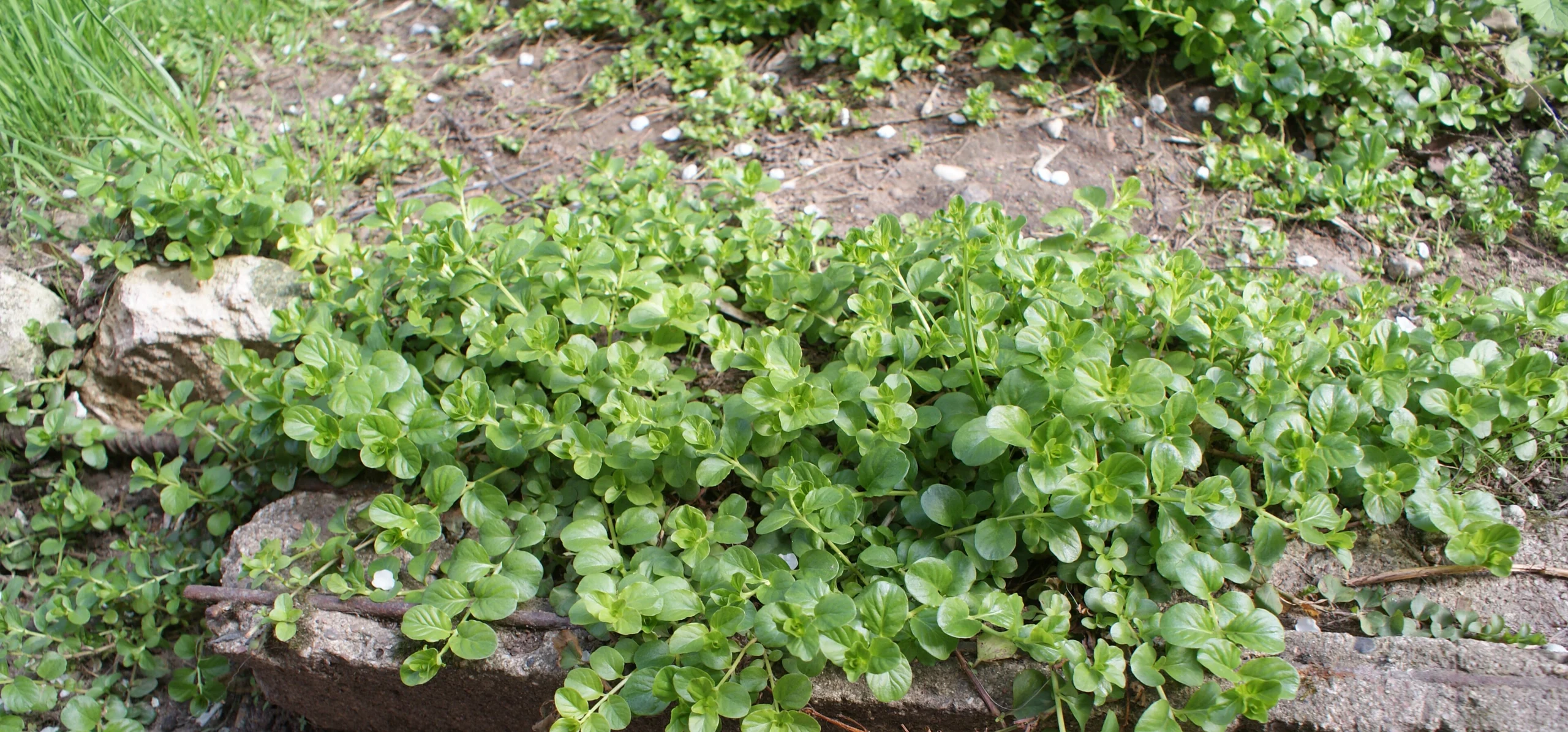
The trait every grower of Lysimachia punctata eventually has to manage is its rhizome spread. RHS warns that excessive vigour in moist soil makes it a determined spreader with real potential to become a nuisance if left alone, and Missouri Botanical Garden advises keeping it in an area separated from other valued perennials it could crowd out, letting it naturalise into its own colony instead. That makes it a useful, unfussy filler for a damp, difficult corner where little else thrives, streamsides, pool margins and wild or cottage-garden plantings are all uses Missouri Botanical Garden suggests, but a poor choice tucked between choice perennials in a tidy border. In a container, use a large pot with a sunken, rigid liner to stop rhizomes escaping into the surrounding bed.
Dividing and Pruning
RHS recommends propagating by division of vigorous clumps in spring or autumn, which doubles as the main tool for restraining a stand that has outgrown its space; digging and replanting a smaller piece every few years keeps the clump from swallowing its neighbours. Once flowering finishes, RHS advises removing the faded flower stems to tidy the plant, which also stops the more prolific self-seeding that Missouri Botanical Garden notes happens readily in good growing conditions. Neither task is fussy: this is a plant that recovers from a hard cutback without complaint.
Naturalised and Locally Invasive Outside the Garden
The same vigour that makes it useful in a difficult corner has let Lysimachia punctata escape gardens altogether in several regions. Missouri Botanical Garden records it naturalised in waste places, ditches and along roadsides across much of the northeastern United States, reached originally as a garden plant that spread from cultivation. It is documented as a naturalised escape in parts of the UK too, and it turns up on inventories of naturalised or locally invasive garden escapes in Scandinavia, typically following streams and damp ground away from the gardens it started in. None of this makes it illegal to grow in most places, but it is worth deadheading and dividing responsibly near any watercourse rather than letting seed and rhizome travel unchecked.
Pests, Hardiness and Pet Safety
RHS rates Lysimachia punctata H6, hardy through the coldest UK and northern European winters, and Missouri Botanical Garden lists it hardy from USDA zones 4 to 8, so winter cold is rarely the issue for this plant. Pest pressure is light: RHS notes slugs and snails as the main pests, usually going after the soft new shoots as they emerge in spring, while Missouri Botanical Garden calls it largely free of serious insect or disease problems, though it flags occasional susceptibility to rust and leaf spot. It does not appear in the ASPCA's toxic and non-toxic plant database for cats, dogs or horses, so no confirmed toxicity status can be given either way for pets sharing the garden.
Test your plant knowledge
Tap a card to flip it and reveal the answer.
Lysimachia punctata spreads mainly through underground rhizomes rather than seed alone. Tap to reveal ✓ True
Lysimachia punctata is a member of the same plant family as purple loosestrife, Lythrum salicaria. Tap to reveal ✕ False
This plant tolerates prolonged drought once its roots are established. Tap to reveal ✕ False
The variegated cultivar 'Alexander' has leaves margined in cream, often tinged pink. Tap to reveal ✓ True
The ASPCA lists Lysimachia punctata as toxic to cats, dogs and horses. Tap to reveal ✕ False
Sources
References consulted for this guide
- Lysimachia punctata L., GBIF Backbone Taxonomygbif.org
- POWO: Lysimachia punctata L.powo.science.kew.org
- RHS: Lysimachia punctata (dotted loosestrife)rhs.org.uk
- Missouri Botanical Garden Plant Finder: Lysimachia punctatamissouribotanicalgarden.org
- Reference entity : Wikipédiaen.wikipedia.org