Creeping Jenny
Lysimachia nummularia
Family · Primulaceae
Creeping Jenny roots at every leaf node, colors deep gold in full sun as the Aurea cultivar, tolerates shallow water, and is invasive in parts of North America.
Lysimachia nummularia
Plant profile
- WateringHighWater every 4 days
- Light exposurePartial sun
- Hardiness zoneUSDA 3–9
Growth
- Family
- Primulaceae
- Life cycle
- Perennial
- Growth speed
- 9/10
- Mature size
- 5–10 cm
- Spread
- 30–60 cm
- Propagation
- Seed
- Cutting
- Division
- Layering
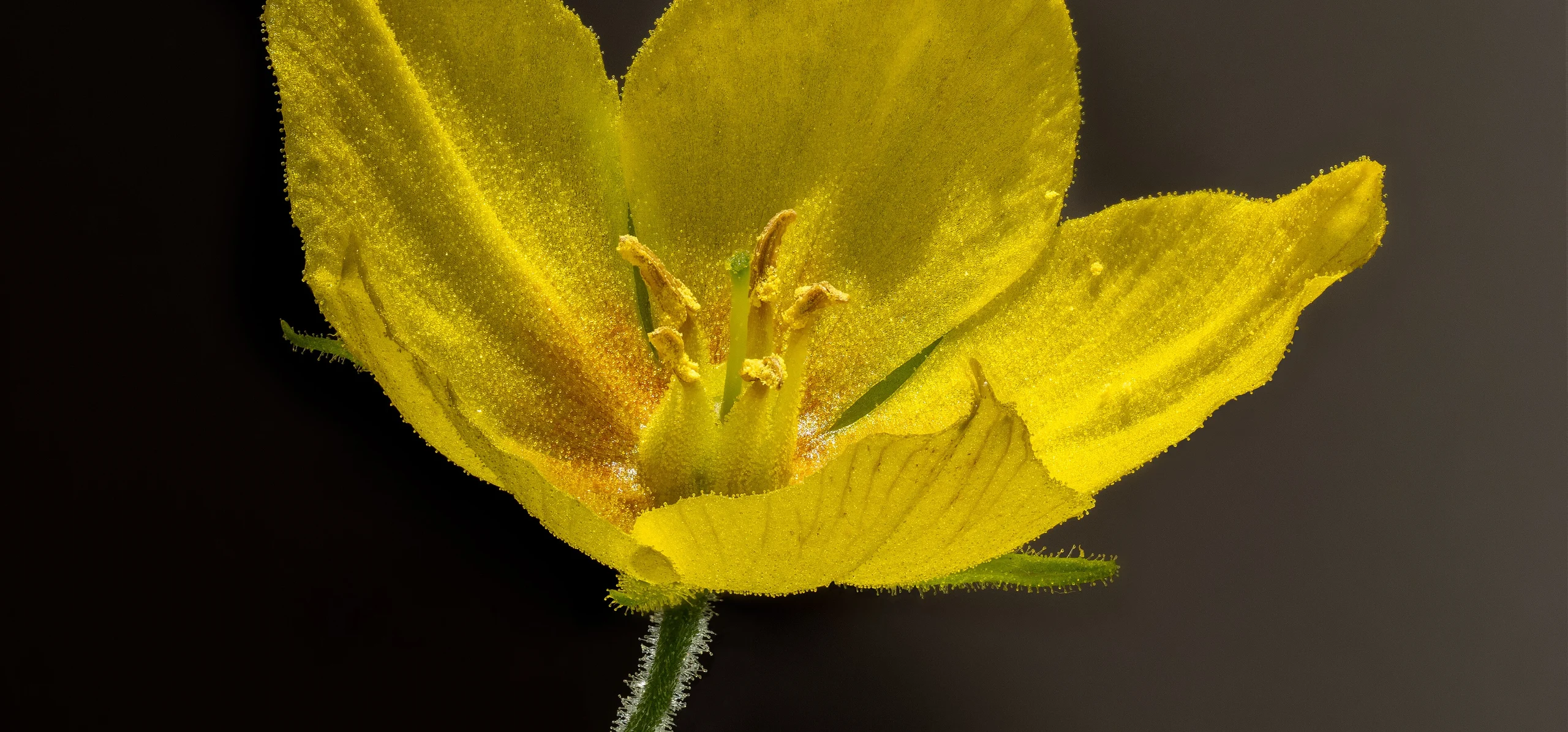
FloweringSolitary, short-stalked, cup-shaped yellow flowers in the leaf axils from late spring into summer (RHS, Missouri Botanical Garden)
DormancySemi-evergreen; NC State Extension describes it as a semi-evergreen perennial that can die back to the crown in cold winters
Time to maturity2 to 5 years to fill out a mat (RHS)
Soil & climate
- Soil types
- clay, loam, sand, chalk
- Drought tolerance
- No
Light & Placement
- Where to place it
- hanging basket
- pond or stream margin in full sun for the best gold color
- ground cover in a consistently moist border
- spilling over a stone wall or raised bed edge
- part shade in hot-summer climates to prevent leaf scorch
- wide shallow container at a water feature edge
OriginNative to Europe, southwest Asia and southwest Siberia (POWO: Europe to SW. Siberia and NW. Türkiye)
Safety
- Pet safe
- No
ToxicityNot listed by the ASPCA under Creeping Jenny, Moneywort or Lysimachia on its cat, dog or horse plant lists
Invasive speciesMissouri Botanical Garden and NC State Extension both flag it as invasive or an ecological threat in parts of the United States and Canada, especially in wet meadows, along stream banks and around pond margins, where escaped mats crowd out native vegetation; check local rules before planting it near natural water
Data fromGBIF: Lysimachia nummularia L.RHS: Lysimachia nummularia (creeping JenRHS: Lysimachia nummularia 'Aurea' (goldMissouri Botanical Garden Plant Finder: NC State Extension Gardener Plant Toolbo
Where it grows
World distribution
Creeping Jenny is native to 26 countries: Albania, Austria, Belarus, Belgium, Bulgaria, Croatia, Czechia, and Denmark….GBIF records 385,664 documented identifications across 58 countries, with the largest concentrations in France, United Kingdom, and Netherlands.
- Albania
- Austria
- Belarus
- Belgium
- Bulgaria
- Croatia
- Czechia
- Denmark
- Estonia
- France
- Germany
- Greece
Show 14 more countriesShow fewer countries
- Hungary
- Ireland
- Italy
- Netherlands
- Norway
- Poland
- Romania
- Russia
- Spain
- Sweden
- Switzerland
- Türkiye
- Ukraine
- United Kingdom
Yellow to orange dots: concentration of documented identifications per country. Green countries: sourced native range. Source: GBIFNative range from POWO (Kew).
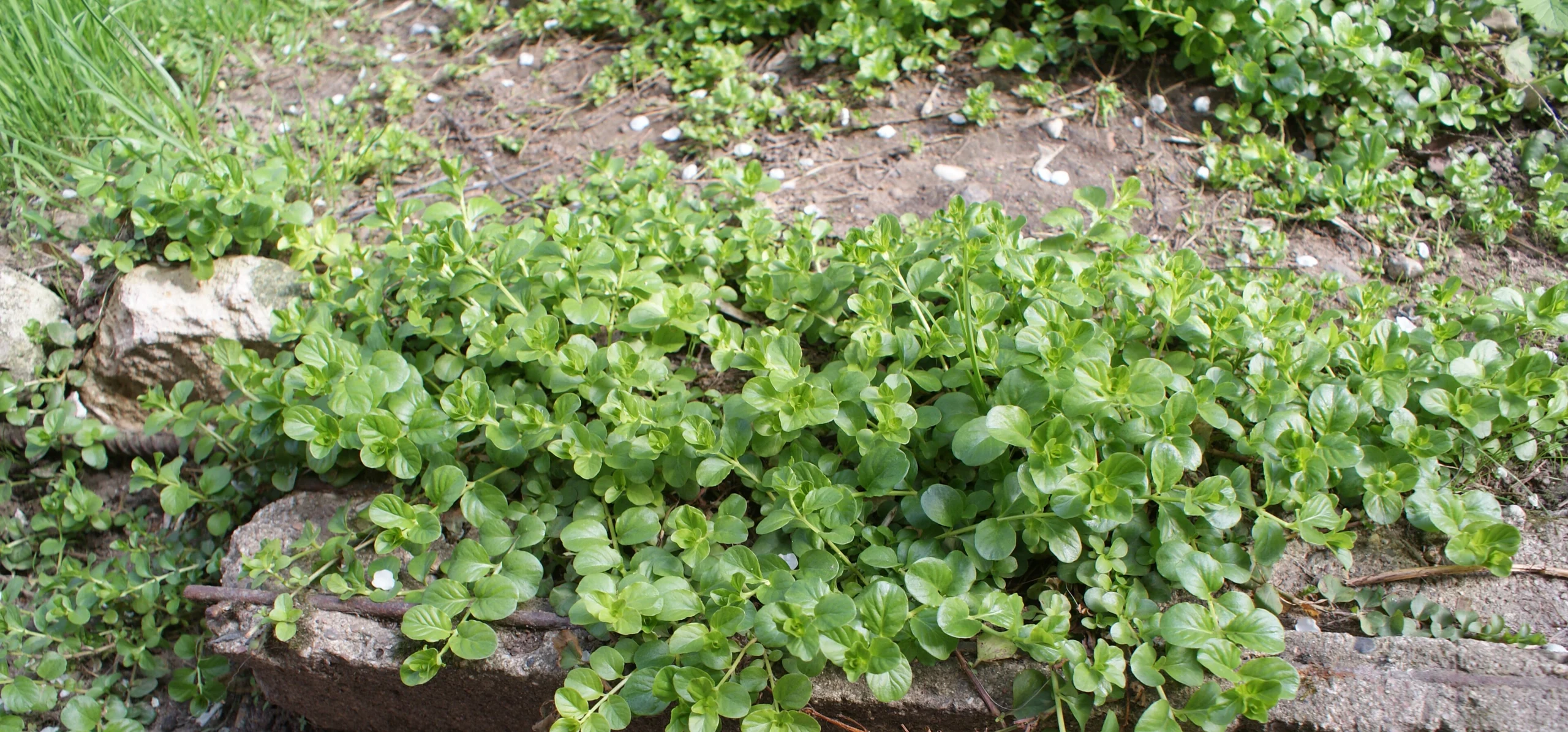
A flat mat of small, round, coin-sized leaves set in opposite pairs along creeping stems, rooting into the soil at almost every joint, with cup-shaped yellow flowers opening singly in the leaf axils through summer, is Lysimachia nummularia. GBIF records the accepted name as Lysimachia nummularia L., in the primrose family Primulaceae, and it is sold under the common names Creeping Jenny and moneywort. Most plants bought at a nursery are the golden-leaved cultivar 'Aurea' rather than the plain green wild species, chosen for the way its foliage lights up a border, hanging basket or pond edge. The plain species is the tougher, faster grower of the two, and in the wrong spot both spread far more readily than a gardener usually expects.
A Creeping Mat That Roots at Every Leaf
NC State Extension records the species as native to Europe and temperate Asia, and POWO's own range statement narrows that to Europe, southwest Siberia and northwest Turkiye. In the ground it forms a leafy mat only 5 to 10 cm tall, but Missouri Botanical Garden and NC State Extension both record it spreading 30 to 60 cm or more from a single planting, because the prostrate stems root wherever a leaf node touches damp soil. That habit is what makes it useful as ground cover under taller plants, in a hanging basket where the stems trail over the rim, or worked between paving where a rooted node can restart the mat in a new crack. It is the same habit that turns a contained planting into an unwanted colony if a stem escapes over a border edge.
Choosing Between the Plain Species and 'Aurea'
The wild species carries plain green leaves and is the more vigorous of the two forms. 'Aurea', golden Creeping Jenny, keeps small, rounded, golden-yellow leaves and is rated by the RHS as slightly less hardy than the species, H5 against H6, hardy to about -15C rather than -20C. Both flower the same way, with solitary, short-stalked, cup-shaped yellow blooms in the leaf axils from late spring into summer. The trade-off with 'Aurea' is color for vigor: Missouri Botanical Garden notes that yellow-leaved cultivars show their best color in full sun, while the plain green species tolerates more shade and generally spreads faster, which is worth knowing before planting either one somewhere it is expected to stay put.


Light: Full Sun for Gold, Part Shade in Hot Summers
The RHS lists the species as suited to full sun or partial shade, tolerating south-, west- or east-facing positions in exposed or sheltered spots. For 'Aurea' specifically, Missouri Botanical Garden is more precise: plants color best in full sun, but in hot climates some afternoon shade is worth giving, since intense midday sun on shallow-rooted foliage can scorch the thin golden leaves faster than it would the plain green species. A planting that has drifted into deeper shade will keep growing and covering ground, but the leaves fade from gold toward green, the most common reason a gardener finds their 'Aurea' looking disappointingly ordinary after a season or two.
Water and Soil: From a Moist Border to a Pond Margin
Missouri Botanical Garden rates water needs as medium to wet, in moist, humus-rich, well-drained soil, and NC State Extension records the species growing directly in wet meadows, seeps, swamps and the banks of streams and ponds. It also tolerates shallow standing water, which is why it turns up as a marginal or even an aquarium plant. The RHS lists it as accepting clay, loam, sand or chalk across acid, neutral or alkaline soils, so the limiting factor is moisture rather than soil type: a bed that dries out between waterings will slow it down and dull the leaf color, while a permanently soggy container with no drainage at all suits it better than most perennials.
Cutting Back a Tatty Mat and Keeping It Contained
Because the whole plant sits only a few centimetres tall, renovation is simple: shearing a patch back hard in spring removes the previous year's straggly, sometimes bare-centered growth and forces a flush of fresh, tightly packed new leaves within a few weeks. The same cut works on a hanging basket that has gone thin and leggy over winter. Containing it is the harder job. A physical edge, a paver path, a mowed strip or a sunken edging strip a few centimetres below soil level stops advancing stems more reliably than pulling, because any node left rooted in place restarts the spread from that point; a stem trailing unnoticed over a border edge toward a lawn or a neighboring bed is the single most common way a contained planting turns into a spreading patch.
Propagation by Division and Cuttings
NC State Extension recommends division as the main propagation method, and it is about as forgiving as it gets: any rooted section lifted with a few nodes attached will establish on its own. The RHS separately notes that 'Aurea' is propagated from stem cuttings taken in spring, which root readily in damp soil or even in a glass of water given the plant's tolerance for wet conditions; the species itself can also be raised from seed, though named cultivars like 'Aurea' need to be divided or taken as cuttings to come true, since seedlings will not reliably keep the golden leaf color.
Rust, Slugs and an Invasive Reputation in Wet Habitats
NC State Extension names rust and leaf spots as the main disease problems, both minor and usually cosmetic rather than plant-killing, and Missouri Botanical Garden similarly reports no serious insect or disease problems. The low, damp mat is a favorite hiding spot for slugs, so a patch that looks unaccountably chewed in a shady, moist corner is worth checking after dark rather than assuming disease. The bigger concern is ecological: Missouri Botanical Garden and NC State Extension both describe the species as naturalized and invasive or an ecological threat in parts of the United States and Canada, having escaped cultivation into wet meadows, floodplains, stream banks and pond margins where its dense mats crowd out native plants; several states restrict or prohibit its sale as a result. Anyone gardening near a pond, stream or wetland should check local rules before planting it there, and deadhead or avoid planting it upstream of natural waterways where escaped stems could root and spread on their own.
Test your plant knowledge
Tap a card to flip it and reveal the answer.
Creeping Jenny roots into the soil wherever a leaf node touches the ground. Tap to reveal ✓ True
The golden foliage of the 'Aurea' cultivar is most intensely colored in deep shade. Tap to reveal ✕ False
The ASPCA lists Creeping Jenny as toxic to cats and dogs. Tap to reveal ✕ False
Creeping Jenny can be grown trailing into shallow standing water at a pond edge. Tap to reveal ✓ True
Being native to Europe means Creeping Jenny cannot spread aggressively in North America. Tap to reveal ✕ False
Sources
References consulted for this guide
- GBIF: Lysimachia nummularia L.gbif.org
- RHS: Lysimachia nummularia (creeping Jenny)rhs.org.uk
- RHS: Lysimachia nummularia 'Aurea' (golden creeping Jenny)rhs.org.uk
- Missouri Botanical Garden Plant Finder: Lysimachia nummulariamissouribotanicalgarden.org
- NC State Extension Gardener Plant Toolbox: Lysimachia nummulariaplants.ces.ncsu.edu
- Reference entity : Wikipédiaen.wikipedia.org