Baby Rubber Plant
Peperomia obtusifolia
Family · Piperaceae
Peperomia obtusifolia care: bright indirect light, let the soil dry between waterings, and propagate easily from leaf or stem cuttings.
Peperomia obtusifolia
Plant profile
- WateringLittleWater every 10 days
- Light exposureIndirect light
- Hardiness zoneUSDA 10–12
Growth
- Family
- Piperaceae
- Life cycle
- Perennial
- Growth speed
- 5/10
- Mature size
- 15–60 cm
- Spread
- 15–60 cm
- Flowering
- Small greenish-white flower spikes, erratic, mainly late summer
- Propagation
- Seed
- Cutting
- Division
DormancyNo true dormancy; growth slows in low winter light
Time to maturity5 to 10 years to ultimate size (RHS)
Soil & climate
- Soil pH
- pH 6–8
- Soil types
- Loam, Sand, Clay, Chalk
- Drought tolerance
- Yes
Light & Placement
- Origin
- Florida, the Caribbean and tropical Central and South America
- Where to place it
- A few feet back from a bright east, south or west window
- North-facing windowsill in a bright room
- Sheltered, shaded patio or lanai in frost-free zones 10 to 12
- Free-draining pot with a drainage hole, only slightly larger than the root ball
- Terracotta
Safety
- Toxicity
- CatsSafe
- DogsSafe
Data fromPeperomia obtusifolia (L.) A.Dietr., GBIPeperomia obtusifolia (L.) A.Dietr., PlaToxic and Non-Toxic Plants: Baby Rubber Peperomia obtusifolia (baby rubber plantPeperomia obtusifolia, NC State Extensio
Where it grows
World distribution
Baby Rubber Plant is native to 28 countries: Antigua & Barbuda, Bahamas, Belize, Bolivia, Brazil, Cayman Islands, Colombia, and Costa Rica….GBIF records 5,660 documented identifications across 59 countries, with the largest concentrations in Mexico, Brazil, and Nicaragua.
- Antigua & Barbuda
- Bahamas
- Belize
- Bolivia
- Brazil
- Cayman Islands
- Colombia
- Costa Rica
- Cuba
- Dominican Republic
- Ecuador
- El Salvador
Show 16 more countriesShow fewer countries
- French Guiana
- Guatemala
- Guyana
- Haiti
- Honduras
- Jamaica
- Mexico
- Nicaragua
- Panama
- Peru
- Puerto Rico
- St. Lucia
- Suriname
- Trinidad & Tobago
- United States
- Venezuela
Yellow to orange dots: concentration of documented identifications per country. Green countries: sourced native range. Source: GBIFNative range from POWO (Kew).
Origin and a leaf built to hold water
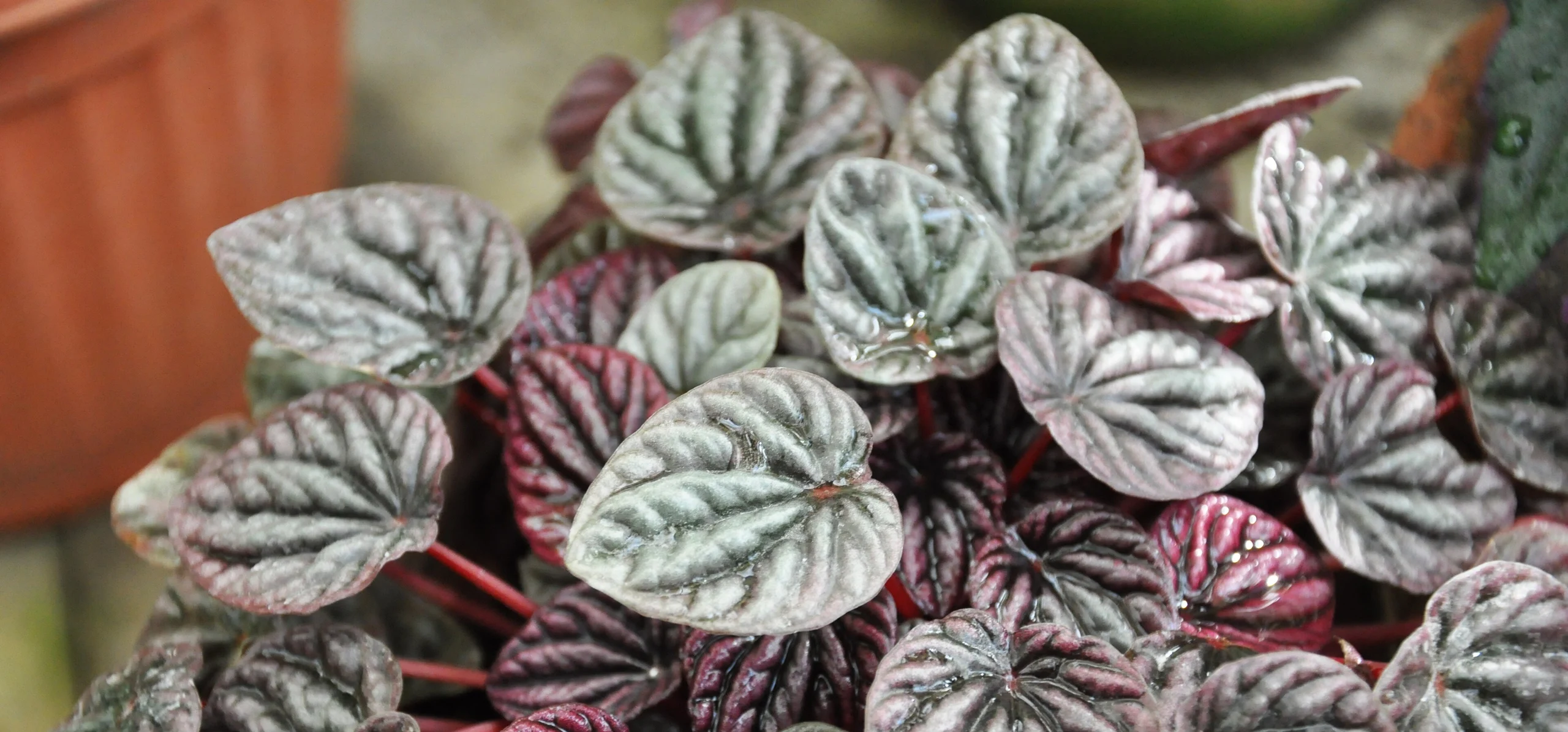
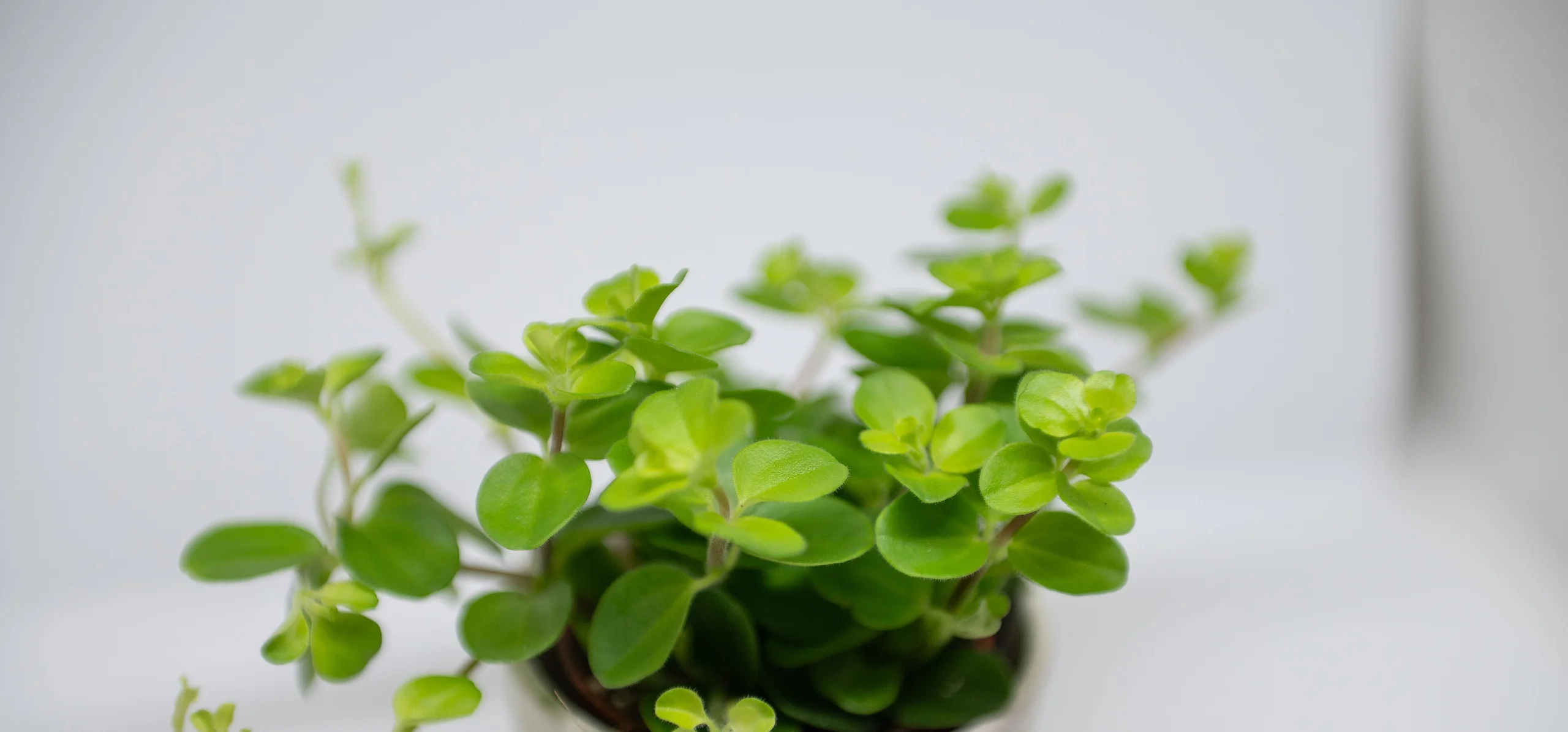
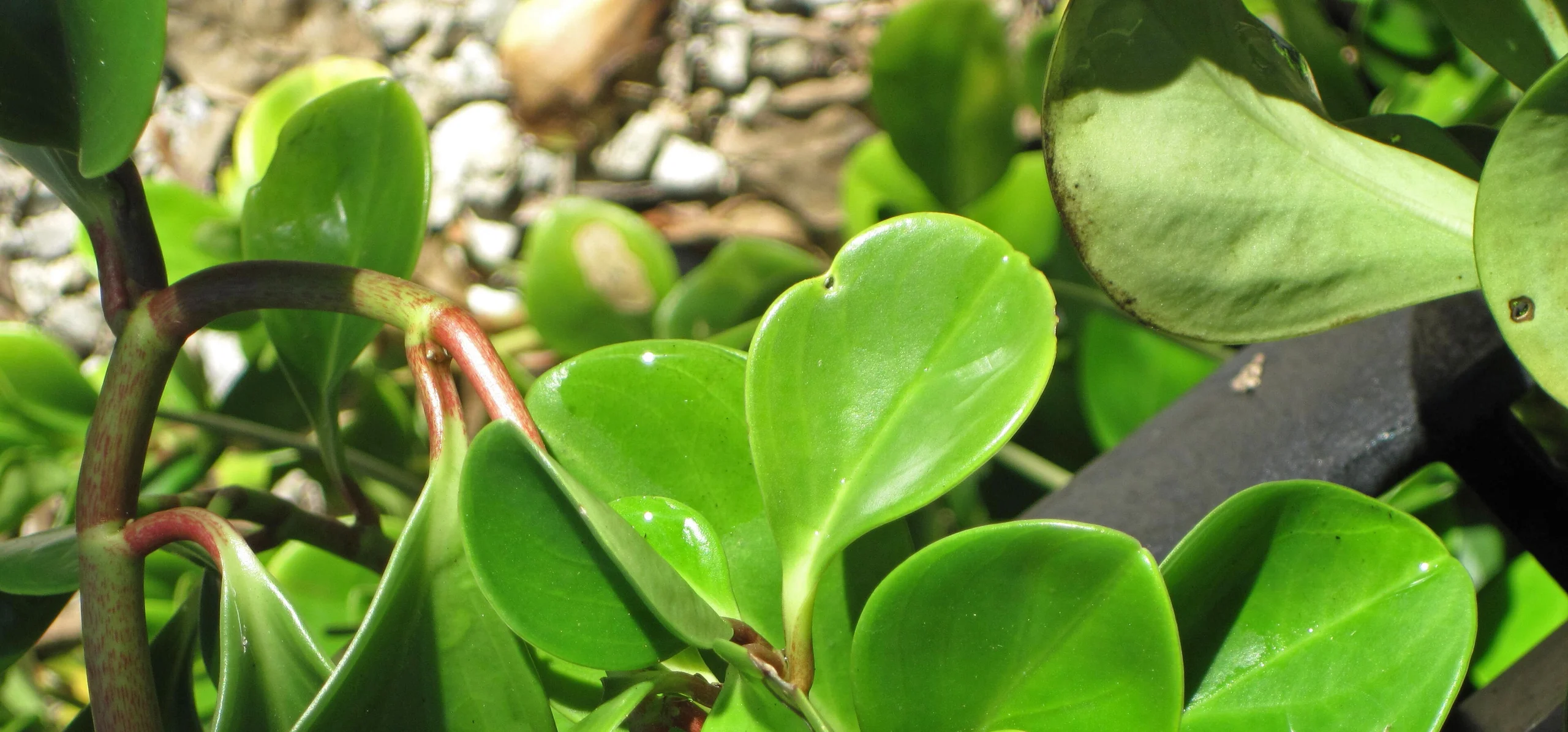
A newly bought Peperomia obtusifolia asks for less than almost any other houseplant: bright, indirect light, soil that is allowed to dry out between waterings, and a pot that never sits in standing water. Its thick, waxy, oval leaves are the giveaway that this species stores water the way a succulent does, which is why overwatering, not underwatering, kills far more of these plants than neglect ever does. Left in a dim corner it survives for months without dying but stops producing new growth, while a spot a few feet back from a bright window keeps it pushing out the same glossy, blunt-tipped leaf pairs that give the species its name (obtusifolia, from the Latin obtusus, meaning blunt or rounded). Within a year or two a young plant fills out into a dense, upright cluster of fleshy stems rather than a trailing vine, which is why it reads as a compact tabletop plant rather than a hanging one.
The species is native to southern Florida, the Caribbean and tropical Central and South America. Plants of the World Online at Kew records its native range as Florida to tropical America, and GBIF's accepted classification places it in the pepper family, Piperaceae, within the genus Peperomia, one of the largest genera of flowering plants with well over a thousand species. In the wild it typically grows as an epiphyte or a ground-cover plant on humid, shaded forest floors and tree trunks rather than in open sun, which is exactly why direct midday light through a window is far more intense than anything it evolved to tolerate.
Light and placement
Bright, indirect light keeps this plant compact and its leaves a deep, glossy green. A spot near an east-facing window, or set back from a south- or west-facing one, works well; direct sun burns and bleaches the foliage, sometimes within a single afternoon on glass that concentrates the light. It tolerates low light for weeks at a time without visible damage, but growth slows and stems can stretch and thin as the plant reaches toward whatever light is available.
Variegated cultivars such as 'Variegata' and 'Tricolor' need noticeably brighter light than the plain green form to hold their cream and gold marbling; in a dim room the pale patches often fade back toward solid green over successive leaves.
Watering
Let the top few centimetres of potting mix dry out before watering again, then water thoroughly and let the pot drain fully rather than sitting in a saucer of water. The thick, fleshy leaves act as a small water reserve, which is why this species tolerates a slightly dry stretch far better than it tolerates constantly damp soil. Consistently wet compost is the single most common way to lose this plant: the stems and roots rot from the base, and by the time lower leaves turn translucent and drop, the damage is often already done below the soil line.
An underwatered plant is far easier to recover from than an overwatered one: leaves lose some firmness and the pot feels noticeably light, but a thorough soak brings the foliage back within a day or two. Checking the compost with a finger before watering, rather than watering to a fixed schedule, avoids both extremes.


Soil and potting
A loose, well-drained mix suits this species best. It grows in loam, sand, clay or even chalky soils in cultivation, tolerating acid, neutral or alkaline conditions, though a neutral pH of roughly 6.0 to 8.0 is the range most often recommended for it. What matters more than the exact texture is drainage: the pot needs a hole in the base, and the mix should never stay saturated for days after watering. A standard peat-free houseplant compost loosened with extra perlite or coarse sand works well.
Because it grows slowly and stays compact, usually no taller than about 30 to 60 centimetres indoors, it rarely needs repotting more than once every two or three years. Move up only one pot size at a time; a container much larger than the root ball holds excess moisture the roots cannot use yet, which raises the risk of the same stem and root rot caused by overwatering.
Feeding
Apply a balanced liquid houseplant fertiliser during active growth in spring and early summer, following the label's rate. Feeding through autumn and winter does little good while growth has slowed, and unused nutrients simply build up as salts in the compost instead of being taken up by the roots. A crust on the soil surface is a sign of that build-up; flushing the pot with plain water until it runs clear from the drainage holes clears it.
Propagation from leaf and stem cuttings
This species roots readily from both leaf and stem cuttings, one of the easier houseplants to multiply. A stem cutting with two or three leaves, taken just below a node and left to callous for a few hours, roots well in a moist, well-drained mix or in a jar of water kept out of direct sun. A single leaf with a short piece of its stalk attached can also be pushed into moist compost and will often root and eventually produce a small new plant at its base, though this route takes noticeably longer than a stem cutting. Dividing an established clump at the base is a third option for a plant that has produced several stems from the soil line.
Pests, diseases and common mistakes
This is a largely trouble-free houseplant, but mealybugs, spider mites and whitefly can turn up, especially on a plant that has been stressed by too little light or inconsistent watering. Mealybugs show as small white cottony tufts at leaf joints and respond well to a cotton swab dipped in isopropyl alcohol; spider mites favour hot, dry air and leave fine webbing and pale stippling on the leaves. Leaf spot, a fungal issue that shows as dark blotches on the foliage, is usually linked to water sitting on the leaves or poor air movement around the plant.
The most common mistakes are watering on a fixed schedule instead of checking the soil first, placing the pot in direct sun where the leaves scorch within days, and potting up into a container far larger than the current root ball in the hope of speeding up growth, which instead invites rot.
Toxicity and pet safety
The ASPCA lists this species, under the common names baby rubber plant, blunt leaf peperomia and pepper face, as non-toxic to both dogs and cats. Horses are not listed on the ASPCA's page for this species, so no claim can be made either way for them. Non-toxic does not mean edible, though: a pet that eats a large amount of any houseplant can still develop mild stomach upset, so keeping the pot out of easy reach of a chewing puppy or kitten remains good practice.
Test your plant knowledge
Tap a card to flip it and reveal the answer.
Peperomia obtusifolia has thin, papery leaves that need constantly moist soil. Tap to reveal ✕ False
Direct sun through a window can scorch or bleach the leaves of Peperomia obtusifolia. Tap to reveal ✓ True
The ASPCA lists Peperomia obtusifolia as non-toxic to cats and dogs. Tap to reveal ✓ True
Peperomia obtusifolia cannot be propagated from leaf cuttings, only from seed. Tap to reveal ✕ False
Consistently wet potting mix is a leading cause of stem and root rot in this species. Tap to reveal ✓ True
Sources
References consulted for this guide
- Peperomia obtusifolia (L.) A.Dietr., GBIF Backbone Taxonomygbif.org
- Peperomia obtusifolia (L.) A.Dietr., Plants of the World Online (Kew)powo.science.kew.org
- Toxic and Non-Toxic Plants: Baby Rubber Plant, ASPCAaspca.org
- Peperomia obtusifolia (baby rubber plant), RHSrhs.org.uk
- Peperomia obtusifolia, NC State Extension Gardener Plant Toolboxplants.ces.ncsu.edu
- Reference entity : Wikipédiaen.wikipedia.org