Trailing Jade
Peperomia rotundifolia
Family · Piperaceae
Peperomia rotundifolia is a semi-succulent trailer from tropical America: bright indirect light, sparing winter water, and non-toxic to pets.
Peperomia rotundifolia
Plant profile
- WateringLittleWater every 10 days
- Light exposureIndirect light
- Hardiness zoneUSDA 11
Growth
- Family
- Piperaceae
- Life cycle
- Perennial
- Growth speed
- 3/10
- Mature size
- Mat-forming, up to about 10 cm tall, spreading 10 to 50 cm (RHS)
- Spread
- 10–50 cm
- Flowering
- Tiny greenish-white flowers on narrow spikes, rarely showy indoors (RHS)
- Propagation
- Seed
- Cutting
DormancyGrowth slows in winter; watered sparingly and given full light rather than shade (RHS)
Time to maturityReaches full spread in about 2 to 5 years (RHS)
Soil & climate
- Soil types
- Loam, Sand
- Drought tolerance
- Yes
Light & Placement
- Origin
- Mexico to tropical America; epiphyte or lithophyte in the wild (POWO)
- Where to place it
- East or west window in bright indirect light
- South-facing sill in winter for full light (RHS)
- Sheltered patio or shaded spot outdoors in summer, frost-free climates only (RHS H1B)
- Small or shallow pot to match its shallow root system
- Hanging basket for the trailing stems
Safety
- Toxicity
- CatsSafe
- DogsSafe
- HorsesSafe
Data fromPeperomia rotundifolia (L.) Kunth, GBIF Peperomia rotundifolia (L.) Kunth, PlantPeperomia Rotundifolia, ASPCA Toxic and Peperomia rotundifolia (jade necklace),
Where it grows
World distribution
Trailing Jade is native to 25 countries: Antigua & Barbuda, Argentina, Belize, Bolivia, Brazil, Colombia, Costa Rica, and Cuba….GBIF records 5,451 documented identifications across 55 countries, with the largest concentrations in Brazil, Colombia, and Costa Rica.
- Antigua & Barbuda
- Argentina
- Belize
- Bolivia
- Brazil
- Colombia
- Costa Rica
- Cuba
- Dominican Republic
- Ecuador
- French Guiana
- Guatemala
Show 13 more countriesShow fewer countries
- Guyana
- Haiti
- Honduras
- Jamaica
- Mexico
- Nicaragua
- Panama
- Paraguay
- Puerto Rico
- St. Lucia
- Suriname
- Trinidad & Tobago
- Venezuela
Yellow to orange dots: concentration of documented identifications per country. Green countries: sourced native range. Source: GBIFNative range from POWO (Kew).
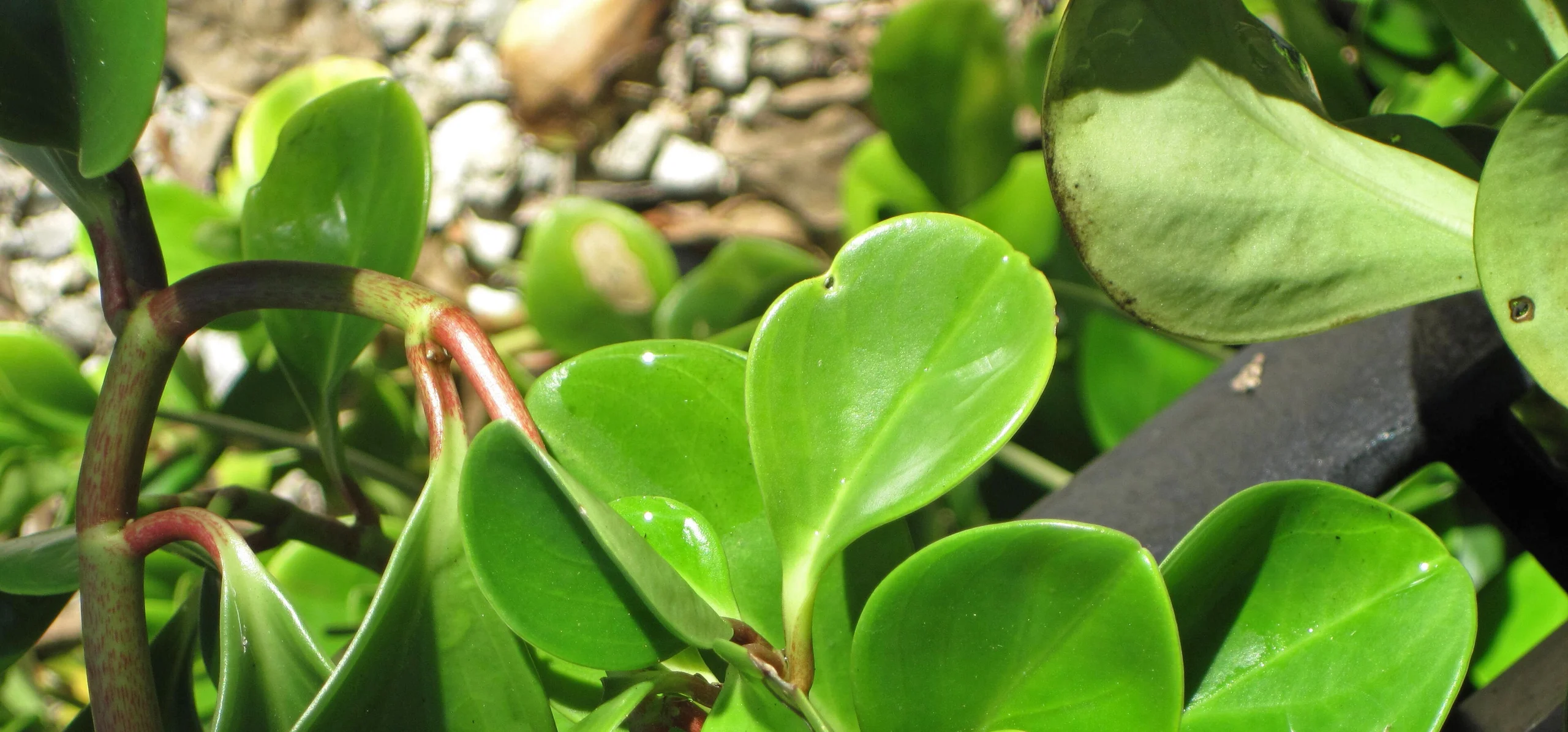
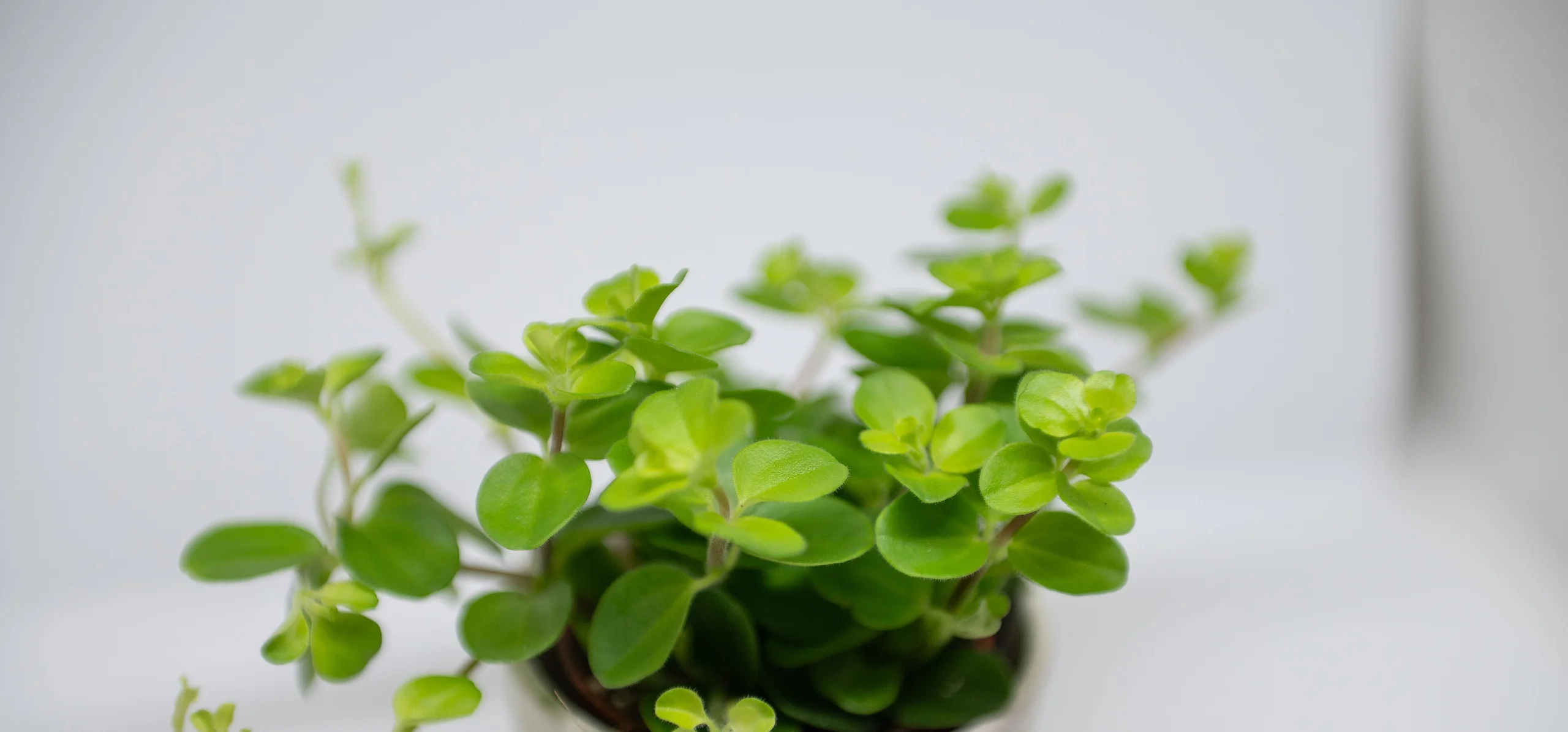
Peperomia rotundifolia arrives as a small mat of thread-thin, reddish stems strung with round, coin-sized leaves, spilling over the rim of its nursery pot rather than standing upright. Kew's Plants of the World Online classifies it as a semi-succulent epiphyte or lithophyte from Mexico through tropical America, meaning in the wild it roots into bark or rock crevices rather than open soil, a habit that explains why it tolerates the free-draining, slightly dry conditions of a windowsill pot better than a typical thin-leaved houseplant. RHS lists it simply as an easy, pest-free evergreen perennial known as jade necklace, needing bright indirect light, moderate summer watering, and a sheltered spot once nights turn cold. Left undisturbed, the trailing stems keep lengthening for years, making it one of the lowest-maintenance plants for a hanging pot or a high shelf.
A Semi-Succulent Trailer from Tropical America
Peperomia rotundifolia belongs to Piperaceae, the pepper family, in the genus Peperomia alongside better-known houseplants such as the watermelon peperomia and the baby rubber plant. Plants of the World Online records its native range as Mexico to Tropical America, spanning Central America, the Caribbean and South America, growing wild as an epiphyte on tree bark or a lithophyte wedged into rock crevices in wet tropical forest rather than as a ground-rooted plant. That epiphytic origin explains most of the plant's behaviour in a pot: its roots evolved to draw on a thin film of moisture and organic debris on a branch or rock face, not to sit in a deep column of wet soil, which is why it punishes overwatering more than underwatering. The rounded, succulent leaves, each barely a centimetre across, store water for the dry spells that follow tropical downpours, giving the plant a buffer that thinner-leaved peperomias lack.
Light: Bright Indirect, Full Sun Only in Winter
RHS guidance for this species is specific about the seasonal switch: bright indirect light while the plant is actively growing, moved into full light once winter arrives. An east or west window works for most of the year, giving several hours of gentle light without the scorching midday intensity of a south-facing sill. Once day length shortens, moving the pot to the brightest spot available, including direct winter sun, keeps the stems compact instead of drawing out thin and pale as they reach for light. A plant kept in the same dim corner all year tends to stretch, dropping its lower leaves and leaving bare, wiry stems behind the newer growth, the clearest visual sign that it needs more light rather than more water.


Watering: Moderate in Summer, Sparing in Winter
The RHS instruction is to water moderately in summer and sparingly in winter, using tepid, soft water rather than water straight from a cold tap. In practice that means letting the top of the mix dry out between waterings rather than keeping it constantly damp, since the plant's succulent leaves already hold a reserve most houseplants don't have. Soft or rainwater matters more here than for many houseplants: hard tap water leaves mineral deposits on the fine, shallow root system faster than it does on a plant with a deeper, more robust root ball. Through autumn and winter, cut back further still, watering only once the mix has dried through and the pot feels distinctly light when lifted.
Soil, Potting and Feeding
A loam or sand based mix that stays moist but drains freely suits this species, and RHS notes it tolerates acid, neutral or alkaline soil equally well, so getting the pH exactly right matters less than getting the drainage right. A wide, shallow pot suits the plant's mat-forming, shallow-rooted habit better than a tall one, and a hanging basket or an elevated shelf lets the trailing stems drape rather than pool on a windowsill. Feed monthly with a balanced liquid fertiliser from spring through summer, stopping once growth slows in autumn; the plant's slow, steady habit means it needs far less feeding than a fast-growing tropical foliage plant, and excess fertiliser salts tend to show up as leaf-tip browning before any other symptom.
Propagation from Stem Cuttings
RHS lists summer stem cuttings as the reliable way to propagate Peperomia rotundifolia, alongside sowing fresh seed at 19 to 24 degrees C when it is available, though cuttings are by far the more practical route for a home grower. Cut a length of trailing stem with several leaf pairs attached, strip the lowest leaf or two, and set the cut end into barely damp, free-draining mix or a glass of water; the succulent stem tissue holds enough reserve moisture to survive the initial adjustment without wilting the way a thinner-stemmed cutting would. Keep the cutting warm and out of direct sun until new growth confirms it has rooted, then treat it exactly as a mature plant. Because the species mats and trails naturally, several cuttings potted together around the rim of one container produce a fuller-looking plant far faster than waiting for one stem to branch on its own.
Why This Species Rarely Runs Into Trouble
RHS records Peperomia rotundifolia as generally pest-free and generally disease-free, a rare claim among houseplants and one that tracks with its tough, semi-succulent leaves and epiphytic origin. The most common problem in practice isn't a pest at all but root rot from a pot that never dries out, since the species evolved to grow where excess water drains away within minutes rather than pooling around the roots for days. Leggy, sparse stems with wide gaps between leaves point to insufficient light rather than disease; sudden leaf drop after a cold draught or a chilly windowsill points to temperature rather than pests. Because it needs so little intervention, most of the problems reported with this plant trace back to overwatering or too little light rather than anything that actually needs treating.
Toxicity and Pet Safety
The ASPCA lists Peperomia rotundifolia by name as non-toxic to cats, dogs and horses, one of the few houseplants with a species-specific entry rather than a genus-wide guess. That makes it a reasonable choice for a low shelf or hanging pot in a home with curious pets or children, though any plant material can still cause mild digestive upset if eaten in quantity regardless of toxicity status. Its compact, mat-forming growth and preference for a hanging or elevated pot also naturally keeps it out of easy reach, which helps regardless of its non-toxic status.
Test your plant knowledge
Tap a card to flip it and reveal the answer.
Peperomia rotundifolia is a semi-succulent plant, which makes it more tolerant of missed waterings than a typical thin-leaved houseplant. Tap to reveal ✓ True
In the wild, Peperomia rotundifolia usually grows rooted directly in open soil rather than on bark or rock. Tap to reveal ✕ False
The ASPCA lists Peperomia rotundifolia as toxic to cats, dogs and horses. Tap to reveal ✕ False
RHS advice is to water Peperomia rotundifolia heavily and on the same schedule all year round. Tap to reveal ✕ False
Peperomia rotundifolia can be propagated from stem cuttings taken in summer. Tap to reveal ✓ True
Sources
References consulted for this guide
- Peperomia rotundifolia (L.) Kunth, GBIF Backbone Taxonomygbif.org
- Peperomia rotundifolia (L.) Kunth, Plants of the World Online (Kew)powo.science.kew.org
- Peperomia Rotundifolia, ASPCA Toxic and Non-Toxic Plantsaspca.org
- Peperomia rotundifolia (jade necklace), RHSrhs.org.uk
- Reference entity : Wikipédiaen.wikipedia.org