Balloon Flower
Platycodon grandiflorus
Family · Campanulaceae
Balloon flower care: sun and soil needs, watering through the season, staking, seed and division propagation, and why it emerges so late each spring.
Platycodon grandiflorus
Plant profile
- WateringModerateWater every 6 days
- Light exposurePartial sun
- Hardiness zoneUSDA 3–8
Growth
- Family
- Campanulaceae
- Life cycle
- Perennial
- Growth speed
- 3/10
- Mature size
- 30–60 cm
- Spread
- 30–45 cm
- Flowering
- Midsummer into early autumn
- Propagation
- Seed
- Division
Dormancydies back completely below ground each winter
Time to maturity2-5 years to a full-size flowering clump
Soil & climate
- Soil types
- loam, silt
- Drought tolerance
- No
Light & Placement
- Origin
- SE. Siberia to Japan and China
- Where to place it
- sunny border
- cottage garden bed
- rock garden (compact forms)
- large container with a loam-based, well-drained mix
Safety
- Toxicity
- Not listed by the ASPCA for cats, dogs or horses
- Pet safe
- No
Invasive speciesnot reported as invasive; self-seeds modestly but stays clump-forming
Data fromPlatycodon grandiflorus, GBIF Backbone TPlatycodon grandiflorus (Jacq.) A.DC., PRHS: Platycodon grandiflorus (balloon flNC State Extension Gardener Plant ToolboUniversity of Illinois Extension, HortAn
Where it grows
World distribution
Balloon Flower is native to 4 countries: China, Japan, Russia, and South Korea.GBIF records 7,276 documented identifications across 48 countries, with the largest concentrations in China, Japan, and United States.
- China
- Japan
- Russia
- South Korea
Yellow to orange dots: concentration of documented identifications per country. Green countries: sourced native range. Source: GBIFNative range from POWO (Kew).
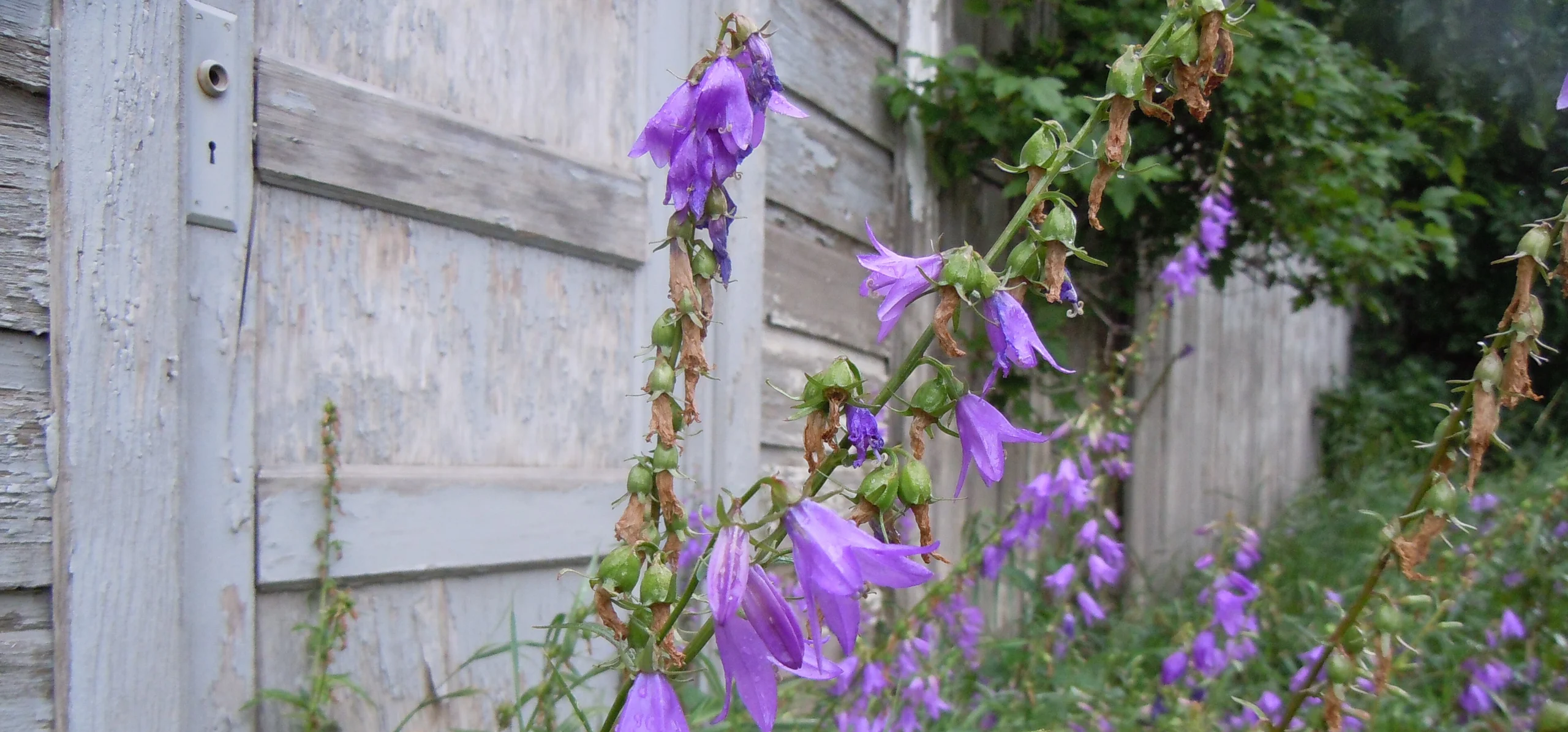
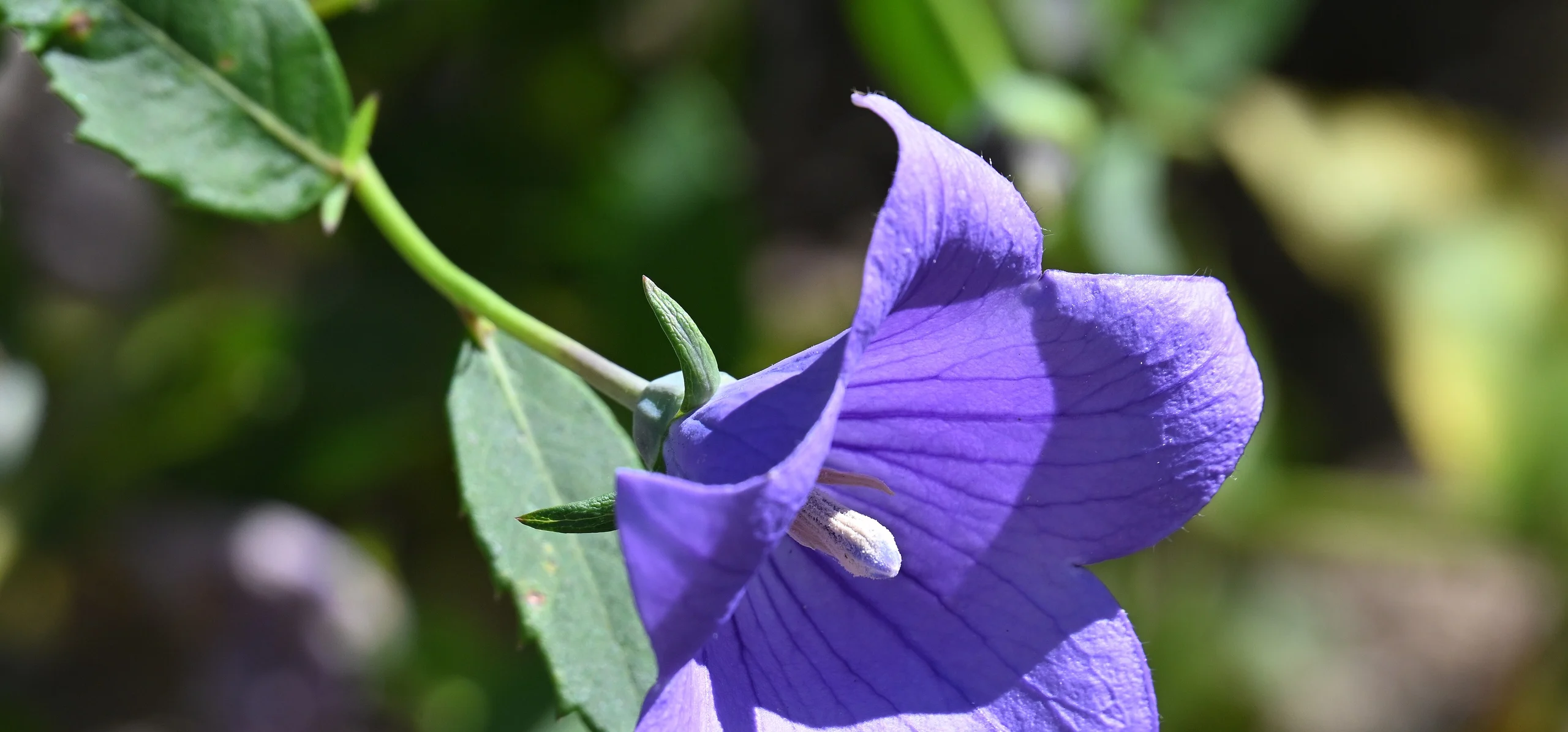
Platycodon grandiflorus earns its common name from the angular buds that swell for days before splitting open into five-pointed, star-shaped bells, usually violet-blue but also available in pink and white. It is a true taprooted perennial, not a plant to reshuffle each spring: pick its spot with care, since established clumps resent being lifted and moved. New shoots take their time to appear every year, often breaking ground well after neighbouring perennials are in full leaf, so mark the crown before winter rather than assume it has died. Give it sun, drainage and a few seasons of patience, and one clump will bloom reliably from midsummer into early autumn for years.
Choosing a Balloon Flower Variety
The species itself grows 30 to 60 cm tall with a 30 to 45 cm spread and carries single, outward-facing violet-blue flowers on upright stems. For borders and containers where height is a liability, the RHS-listed Astra series, Astra Blue, Astra Pink and Astra White, stays clump-forming at around 30 cm, so it needs no staking and suits a large pot. Compact alpine-leaning selections such as the Apoyama Group and the cultivar 'Mariesii' are shorter still and better suited to a rock garden or the front of a bed than the taller species form. In Korea the taproot is cultivated as a food crop, doraji, sliced and blanched before cooking, a reminder that this is a genuinely different plant from the ornamental campanulas it resembles at first glance.
Sun and Position
Balloon flower takes full sun or partial shade and tolerates south, west or east aspects in either an exposed or a sheltered spot. In regions with intense summer heat, a little afternoon shade keeps the violet-blue petals from bleaching pale by August, while in cooler, cloudier climates full sun all day produces the sturdiest stems and the most flowers per clump. Good air movement around the foliage matters more than perfect shelter, crowded planting slows the loamy soil from drying between waterings and encourages the slugs that are this plant's main pest.


Soil and Planting
Loam or silt soil that drains well but never dries out completely is the target, and a slightly acidic pH under 6.0 suits it best, though it is not a fussy plant about the exact number. Dig the planting hole a full spade deep before setting a young plant in, because the taproot resents shallow, cramped ground almost as much as it resents being moved later. Work in organic matter at planting time rather than trying to amend the bed every year afterward, since digging near an established clump risks slicing through the very root that makes the plant hard to establish in the first place. Once sited, treat the spot as permanent.
Watering Through the Season
Aim for evenly moist soil rather than a strict schedule: roughly once a week through a dry summer is typical for an in-ground clump, more often for a container where the loam-based mix dries faster. Extension data lists both drought stress and drowning or edema as recognised problems for this species, so the goal sits between the two, water deeply when the top few centimetres of soil have dried, then let it drain rather than sitting wet. Newly planted specimens need closer attention for their first season while the taproot is still establishing; established clumps are considerably more forgiving of a missed week.
Staking and Deadheading
Taller, unstaked forms of the species can flop once flower-laden stems catch wind or rain, a short twiggy stake or grow-through ring set early in the season holds them upright without looking artificial once foliage fills in. Deadhead spent blooms just above the next bud or leaf joint to keep the clump producing new buds through summer rather than setting seed early. At the end of the season, once flowering has finished and foliage has yellowed, cut the whole plant back to the base, this tidies the bed and removes overwintering sites for slug eggs.
Propagation: Seed and Division
Seed sown in spring is the reliable method and the one the RHS recommends first, germination is steady in a free-draining seed mix kept just moist. Division is possible but genuinely more difficult than with most perennials, the fragile taproot tears easily, and NC State Extension advises dividing in spring only if necessary rather than as routine maintenance. In practice, established clumps rarely need dividing at all, they simply widen slowly year on year, so most gardeners raise new plants from seed instead of splitting an existing one.
Spring Emergence and Winter Care
After the autumn cut-back, the crown sits dormant below ground through winter with nothing visible above soil level, this is normal and expected down to USDA zone 3. Come spring, resist the urge to write the plant off: new shoots are consistently among the last perennials in the bed to appear, sometimes weeks behind neighbouring plants. A plant label pushed in at the crown the previous autumn saves a lot of accidental digging. Full flowering size and the densest bloom typically take two to five years to reach from a young plant.
Pests and Problems
Slugs and snails are the main threat, targeting soft new shoots as they finally emerge in spring, when growth is slowest is also when it is most vulnerable, so this is the moment to act if slugs are a recurring problem in the bed. Beyond that, the RHS rates the species as generally disease-free. The two environmental issues worth watching are the ones already covered in watering: prolonged drought stresses the plant, while waterlogged, poorly drained soil causes drowning and edema in the roots, both are avoidable with the right site and a consistent watering rhythm rather than any ongoing treatment.
Test your plant knowledge
Tap a card to flip it and reveal the answer.
Balloon flower's roots are so fragile that mature clumps resent being dug up and moved. Tap to reveal ✓ True
New shoots break ground very early in spring, often before the last frost. Tap to reveal ✕ False
The plant's common name comes from buds that inflate like balloons before opening. Tap to reveal ✓ True
Balloon flower does well in soil that stays waterlogged through winter. Tap to reveal ✕ False
Compact cultivars such as the Astra series stay small enough for containers. Tap to reveal ✓ True
Sources
References consulted for this guide
- Platycodon grandiflorus, GBIF Backbone Taxonomygbif.org
- Platycodon grandiflorus (Jacq.) A.DC., Plants of the World Online, Kew Sciencepowo.science.kew.org
- RHS: Platycodon grandiflorus (balloon flower)rhs.org.uk
- NC State Extension Gardener Plant Toolbox: Platycodon grandiflorusplants.ces.ncsu.edu
- University of Illinois Extension, HortAnswers: Balloon Flowerweb.extension.illinois.edu
- Reference entity : Wikipédiaen.wikipedia.org