Bird of Paradise
Strelitzia reginae
Family · Strelitziaceae
Strelitzia reginae needs years of root-bound patience to flower: light, watering, soil pH, winter protection and division timing for bird of paradise.
Strelitzia reginae
Plant profile
- WateringModerateWater every 10 days
- Light exposurePartial sun
- Ideal temperature15–29 °C
- Humidity40–60 %
- Hardiness zoneUSDA 10–12
Growth
- Family
- Strelitziaceae
- Life cycle
- Perennial
- Growth speed
- 3/10
- Mature size
- 90–150 cm
- Spread
- 90–120 cm
- Flowering
- First bloom after 4 to 6 years from seed
- Propagation
- Seed
- Division
DormancySemi-dormant through cool winter months, no true leaf drop
Time to maturityFirst bloom after 4 to 6 years from seed, 1 to 2 years from a mature division
Soil & climate
- Soil pH
- pH 5.5–7.5
- Soil types
- Rich loam-based potting mix, Free-draining compost with added grit or perlite
- Saline soil
- Partially tolerated
- Drought tolerance
- Yes
Light & Placement
- Origin
- Cape Provinces to KwaZulu-Natal, South Africa
- Where to place it
- South-facing window with direct light
- Bright conservatory or sunroom
- Full sun with afternoon shade in hot climates
- Sheltered, sun-warmed patio wall
- Heavy terracotta or ceramic to balance the clump
- Large nursery pot 10 to 14 inches wide
Safety
- Toxicity
- CatsToxic
- DogsToxic
- HorsesToxic
Invasive speciesNaturalized in parts of tropical South America but not widely listed as invasive
Data fromStrelitzia reginae Banks, GBIF Backbone Strelitzia reginae Banks, Plants of the Bird of Paradise Flower, ASPCA Animal PoStrelitzia reginae, Missouri Botanical GHow to grow strelitzia, RHS Growing Guid
Where it grows
World distribution
Bird of Paradise is native to a single country: South Africa.GBIF records 1,861 documented identifications across 74 countries, with the largest concentrations in South Africa, Portugal, and Spain.
- South Africa
Yellow to orange dots: concentration of documented identifications per country. Green countries: sourced native range. Source: GBIFNative range from POWO (Kew).
A slow, structural bloomer worth the wait
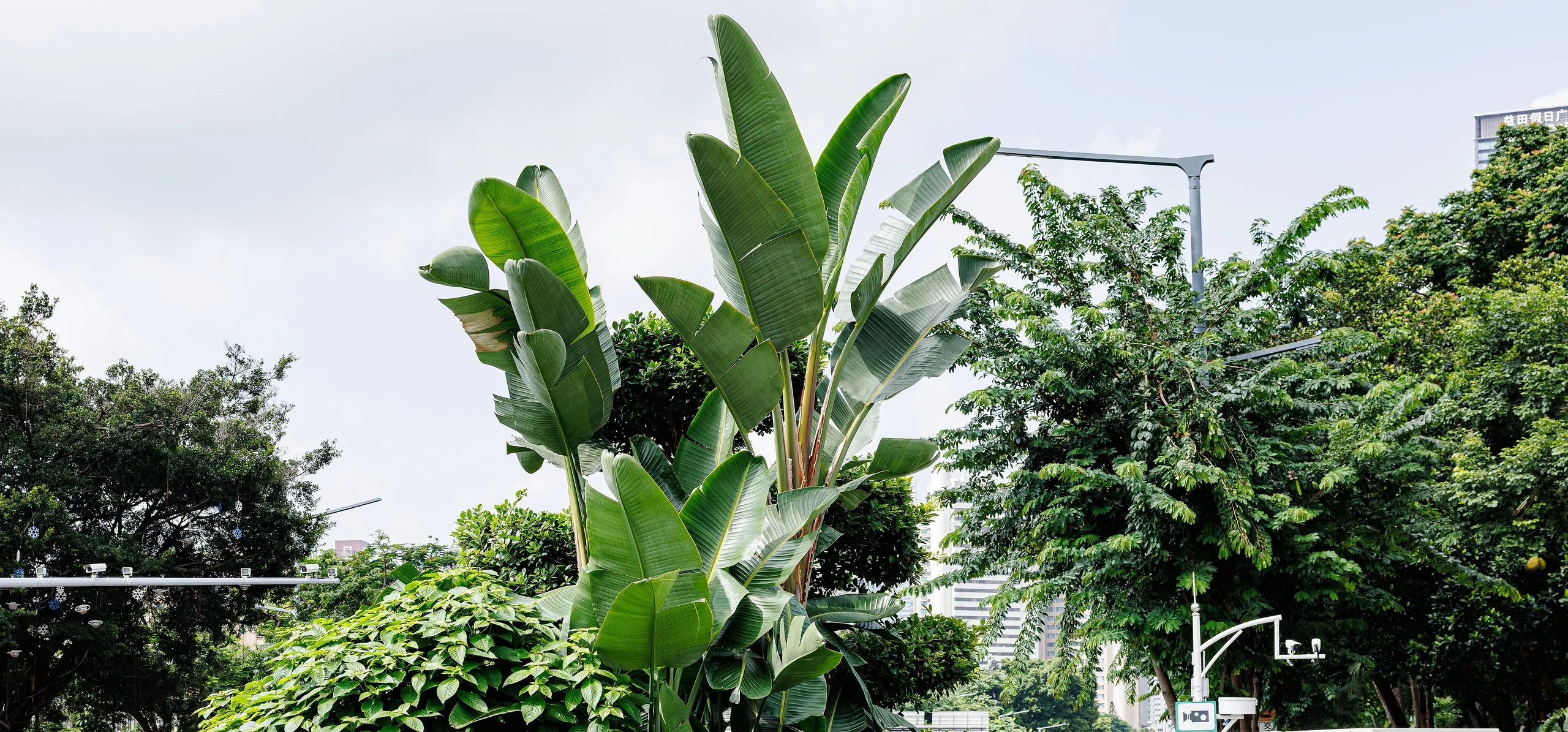
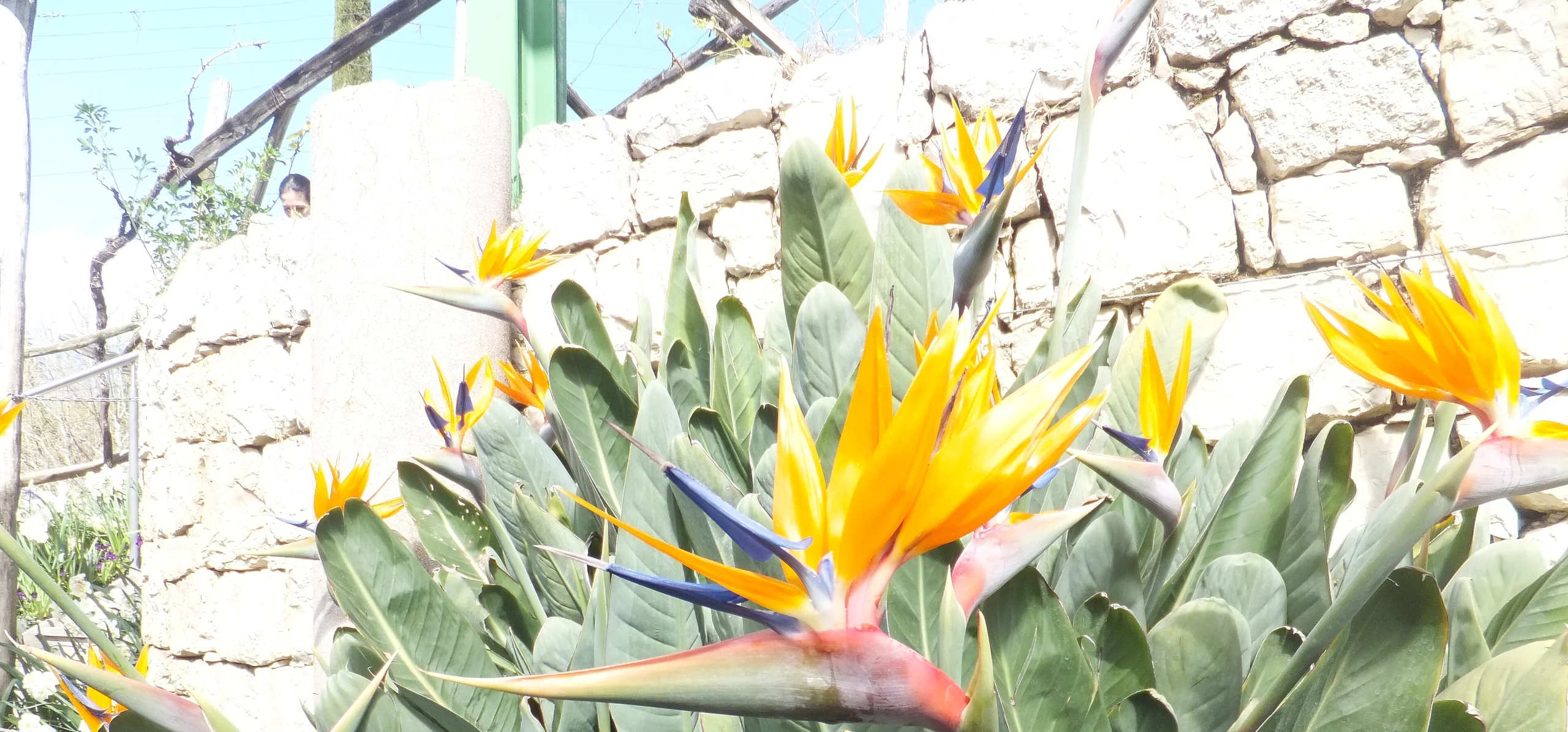
Strelitzia reginae, the bird of paradise, is a clumping evergreen from South Africa grown for its stiff, grey-green paddle leaves and its orange-and-blue flowers shaped like a crane's head. If you bought a young potted plant, temper your expectations: seed-grown specimens usually need four to six years before their first bloom, and a plant you just divided or repotted will sulk for a year or more before flowering again. Foliage, by contrast, is forgiving and grows steadily in a bright spot with regular water. Outdoors it survives winters in USDA zones 10 to 12 only; everywhere colder, it is a container plant that spends summer outside and winter under cover.
Origin, habitat and how it is pollinated
In the wild, Strelitzia reginae grows from the Cape Provinces through to KwaZulu-Natal in South Africa, in scrub and along riverbanks where its thick rhizomes carry it through dry spells. Each flower emerges one at a time from a horizontal, boat-shaped bract: three upright orange sepals unfurl first, followed by three fused blue petals that form a crest-like structure, which is how the plant earned both its common name and the alternative name crane flower. Pollination in its native range is handled almost entirely by sunbirds: a bird lands on the flower to drink nectar, and its weight on the petal's ledge forces the blue tepal open, dusting its feet with pollen that it carries to the next flower it visits. Ripe seed pods split to reveal seeds wrapped in a fluffy orange aril, which birds also disperse. The species has naturalized in parts of tropical South America, and it was adopted as the official flower of the city of Los Angeles.
Light and placement
Give it as much direct sun as you can. Outdoors, full sun produces the tightest clumps and the most flowers; in climates with harsh summer afternoons, light shade after midday prevents leaf scorch. Indoors, a south-facing window is close to the minimum requirement: without several hours of direct or very bright light daily, the plant survives but rarely flowers, and new leaves come in narrower and more widely spaced than usual. A conservatory, sunroom or a spot right against unobstructed glass works better than a position a few feet back from a window. Turn the pot a quarter turn every few weeks so the fan of leaves does not lean permanently toward the light.


Watering and soil
Water generously through spring and summer, letting the top few centimetres of soil dry between waterings, then cut back once autumn cools the nights. Established clumps tolerate short dry spells thanks to their fleshy rhizomes, but foliage droops and older leaves yellow if the plant is left dry for weeks during active growth. The roots are the real constraint: they resent sitting in wet, compacted soil and rot quickly in a pot without drainage. Use a rich but free-draining, loam-based mix, ordinary potting soil cut with coarse grit or perlite works well, with a pH between about 5.5 and 7.5. In the ground, a position with good drainage and organic matter worked into heavy clay beats a low spot that collects water after rain. The plant tolerates light coastal salt exposure and windy sites, though heavy salt spray still damages leaf margins.
Feeding and getting it to flower
Feed every two to three weeks from spring through summer with a balanced liquid fertiliser, switching to one lower in nitrogen and higher in potassium as buds approach, since nitrogen pushes leafy growth at the expense of flowers. Stop feeding in autumn and winter, when growth slows regardless of indoor warmth. The detail that surprises most new growers: Strelitzia reginae flowers best when its roots are crowded. A plant moved into a much bigger container, or one recently divided, typically skips flowering for a year or two while it rebuilds its root mass. If the goal is blooms rather than a bigger plant, resist the urge to upsize the pot every year.
Repotting and propagation by division
Repot only every three to four years, and only when roots are visibly circling the pot or pushing it apart, moving up one container size at most. The best time is spring, as new growth starts. Propagation is by division rather than cuttings, since the plant has no stem to cut: lift a mature clump and, with a clean spade or saw, separate sections that each keep at least three to four leaves and a healthy piece of rhizome and root. Pot divisions promptly in a free-draining mix and keep them out of strong direct sun for a few weeks while new roots establish; expect one to two years before a division flowers again. Growing from seed is possible but slower and less predictable: seeds need scarifying or soaking to break dormancy, and several years pass before the first flower.
Cold protection and winter care
This is not a frost-hardy plant. Leaves and buds are damaged at freezing, and sustained temperatures much below about -2°C can kill the plant back to the rhizome. Where winters dip that low, grow it in a pot and move it under glass, into a garage, or against a sheltered, sun-warmed wall before the first frost, then bring it back out once nights stay reliably above freezing. Indoors for winter, keep it in the brightest spot available and water sparingly, just enough to stop the rhizome from shrivelling, since the plant is not actively growing and excess moisture in cool, low-light conditions is the fastest way to rot the roots.
Pests, diseases and common mistakes
Indoors and in greenhouses, watch for scale insects and mealybugs on leaf undersides and stalks; both show up as small waxy or cottony bumps and respond to a cotton swab of isopropyl alcohol followed by insecticidal soap. Spider mites appear in hot, dry indoor air and cause fine stippling on the leaves; raising humidity and rinsing the foliage helps. Leaf spot fungal disease develops on plants kept too wet or crowded with poor air movement; remove affected leaves and improve airflow rather than reaching for a fungicide first. The most common mistake is impatience: repotting or dividing a plant every year, feeding heavily to push growth, or moving it from full sun to a dim corner all delay or stop flowering. The seeds, and to a lesser extent the flowers and leaves, are toxic to cats, dogs and horses according to the ASPCA, causing mild nausea, vomiting and drowsiness if chewed or swallowed, so keep pots out of reach of pets that like to chew foliage.
Test your plant knowledge
Tap a card to flip it and reveal the answer.
Bird of paradise plants flower better when their roots are crowded in the pot. Tap to reveal ✓ True
Strelitzia reginae is pollinated mainly by bees in its native South Africa. Tap to reveal ✕ False
This plant tolerates hard frost and can stay outdoors year-round in cold climates. Tap to reveal ✕ False
Strelitzia reginae is propagated mainly by dividing the rhizome, not by stem cuttings. Tap to reveal ✓ True
The seeds and flowers of Strelitzia reginae are considered toxic to cats and dogs. Tap to reveal ✓ True
Sources
References consulted for this guide
- Strelitzia reginae Banks, GBIF Backbone Taxonomygbif.org
- Strelitzia reginae Banks, Plants of the World Online (Kew)powo.science.kew.org
- Bird of Paradise Flower, ASPCA Animal Poison Controlaspca.org
- Strelitzia reginae, Missouri Botanical Garden Plant Findermissouribotanicalgarden.org
- How to grow strelitzia, RHS Growing Guiderhs.org.uk
- Reference entity : Wikipédiaen.wikipedia.org