Red Osier Dogwood
Cornus sericea
Family · Cornaceae
Red osier dogwood earns its keep with bare red winter stems, but only on young wood. How the yearly cut works, why it spreads, and living with wet ground.
Cornus sericea
Plant profile
- WateringHighWater every 7 days
- Light exposurePartial sun
- Hardiness zoneUSDA 2–7
Growth
- Family
- Cornaceae
- Life cycle
- Perennial
- Growth speed
- 7/10
- Mature size
- 180–275 cm
- Spread
- 150–300 cm
- Propagation
- Seed
- Cutting
- Layering
- Division
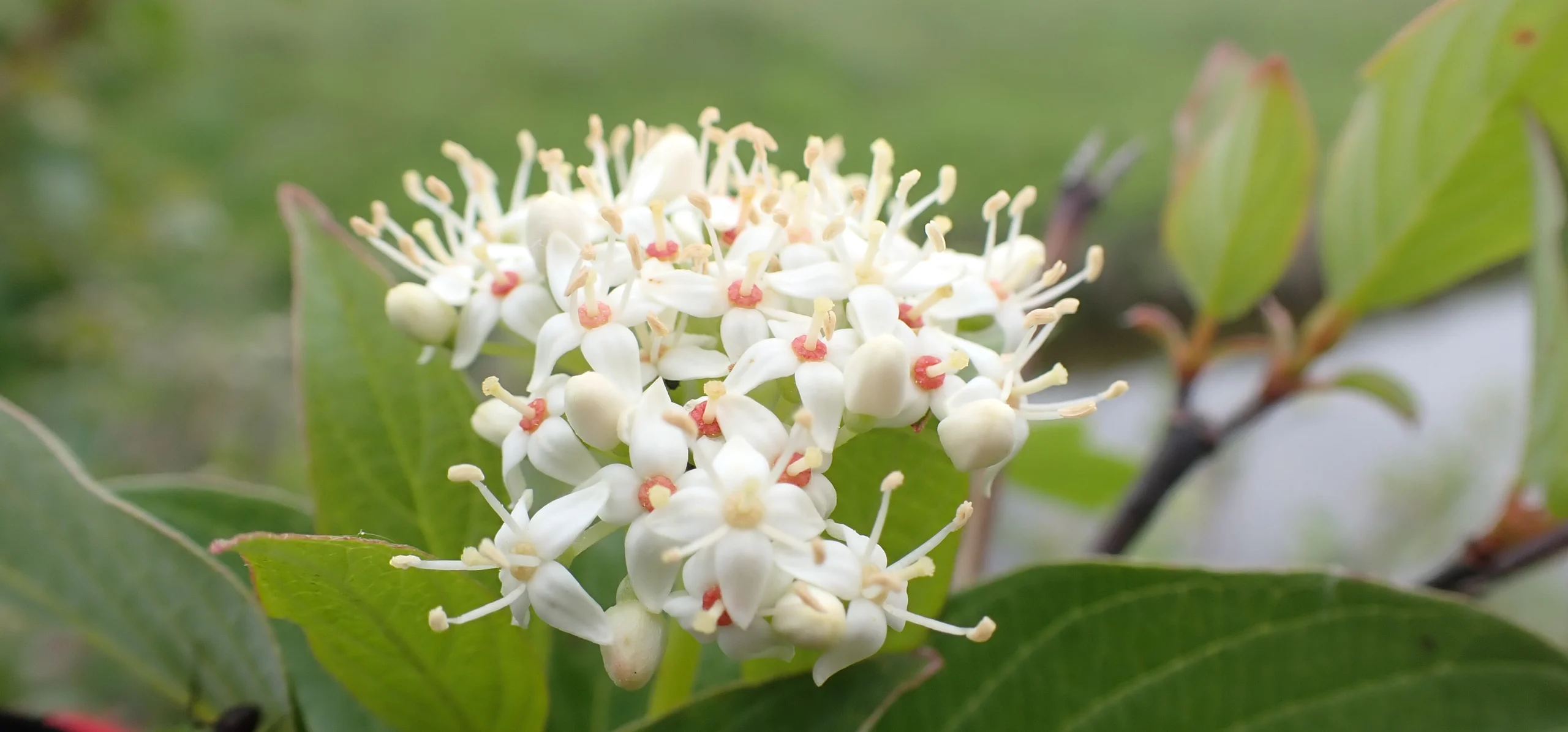
FloweringFlat-topped clusters of small dull white flowers in late spring, followed by white, blue-tinged berries
Dormancydeciduous, bare colourful stems in winter
Time to maturityreaches full size in 3-5 years
Soil & climate
- Soil pH
- pH 6–8
- Soil types
- clay, loam, sand, boggy or wet soil
- Drought tolerance
- Yes
Light & Placement
- Where to place it
- rain garden
- pond or stream margin
- wet clay border
- informal hedge or screen
- large tub sunk in the ground to contain suckers
OriginNorth America, from Alaska and Canada through the northern and central United States into northern Mexico
Safety
- Toxicity
- Not listed by the ASPCA as toxic or non-toxic to cats, dogs or horses
- Pet safe
- Yes
Invasive speciesSpreads by root suckers and occasional stem rooting; can become weedy without root pruning or edging
Data fromGBIF Backbone Taxonomy: Cornus sericea LPlants of the World Online (Kew): CornusNC State Extension Gardener Plant ToolboRHS: Cornus sericea (red osier dogwood)
Where it grows
World distribution
Red Osier Dogwood is native to 3 countries: Canada, Mexico, and United States.GBIF records 106,021 documented identifications across 38 countries, with the largest concentrations in Canada, United States, and United Kingdom.
- Canada
- Mexico
- United States
Yellow to orange dots: concentration of documented identifications per country. Green countries: sourced native range. Source: GBIFNative range from POWO (Kew).
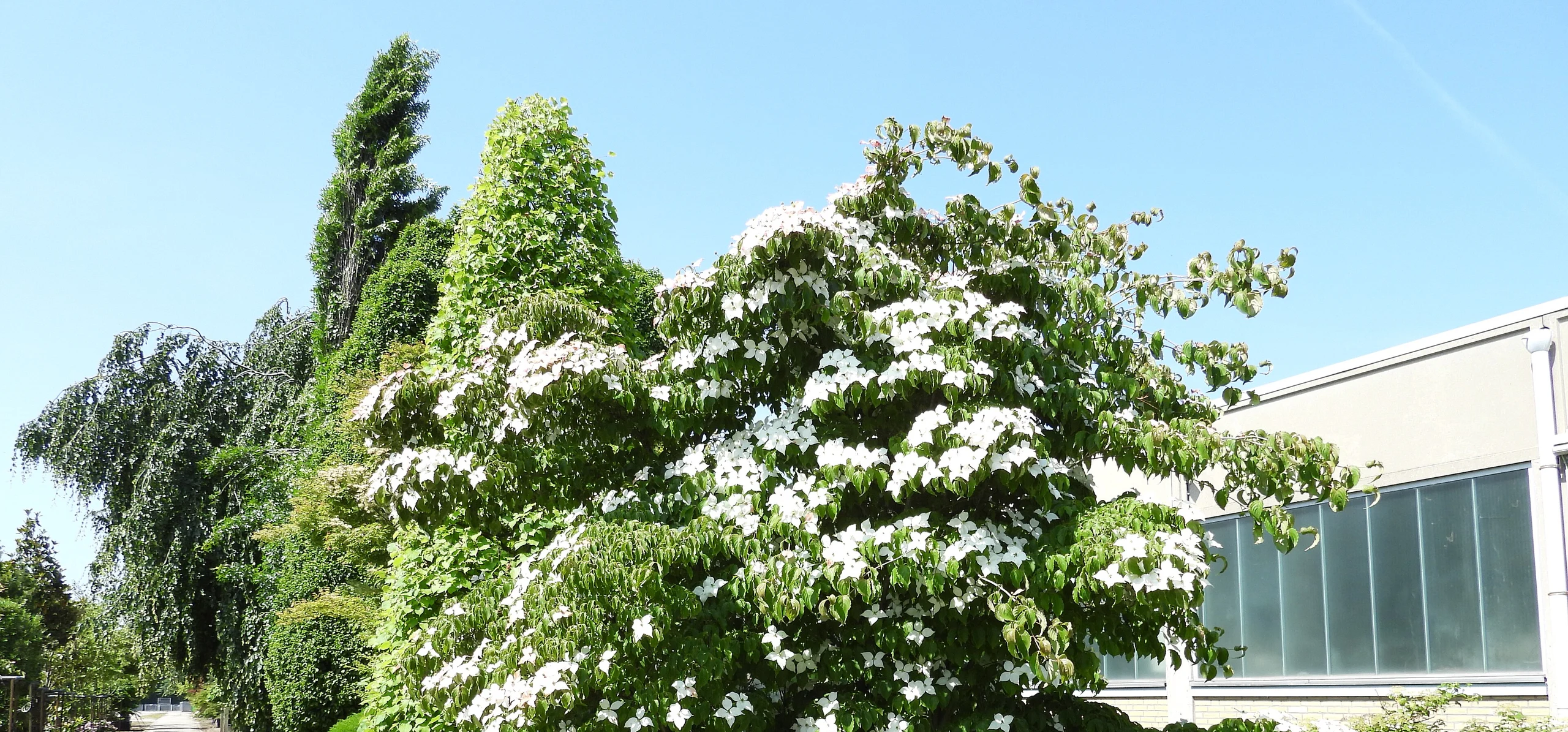
Cornus sericea earns its place for what happens after the leaves drop: bare young stems that turn a glossy, deep red through the cold months, which is why it is sold as red osier or red-twig dogwood. The colour lives only in stems one to three years old, so a plant left unpruned slowly turns into a tall, grey-barked thicket with dull winter interest. It is also a genuine wet-ground native, happier in a rain garden, pond margin or heavy clay bed than most shrubs sold alongside it, and it spreads steadily by suckers and rooting stem tips, so give it room from the start rather than fighting it later.
A Confusing Family Tree: Sericea, Alba and Stolonifera
The accepted botanical name is Cornus sericea, but nursery tags and older books use at least two other names for essentially the same plant. Cornus stolonifera is simply an outdated synonym; the botanist who coined it thought the shrub spread by true stolons, horizontal stems rooting at the tip, when in fact the spread comes mostly from suckers off the root system, with only occasional low branches rooting where they touch damp soil. Cornus alba, the Siberian dogwood, is a separate but nearly identical Old World species, and the two have been crossed and traded so interchangeably that some named cultivars are genuinely uncertain in origin. A tag reading Cornus alba 'Baileyi' or 'Sibirica' is a close relative, not a mislabelling, which is why the two species share overlapping registered synonyms.
Native Range and Where It Belongs
This is a North American native, recorded from Alaska and most of Canada down through the northern and central United States into the mountains of northeastern, northwestern and southwestern Mexico, and it has since naturalised in parts of northern and central Europe. In the wild it lines stream banks, swamp edges and wet meadows rather than dry upland woods, which explains why it tolerates standing water at the roots better than almost any other flowering shrub commonly sold for a border. It is hardy across USDA zones 2a to 7b, so winter cold is rarely the limiting factor; a badly drained clay corner that kills other shrubs is usually exactly where this one wants to go.
Choosing a Cultivar for Stem Colour
The wild species carries stems in a strong blood red, brightest on wood grown the previous season and duller on anything older. 'Flaviramea' swaps that for a clear yellow-gold, a useful contrast planted near red-stemmed forms or against dark evergreens, though its stems fade to green faster in summer shade than in full sun. 'Kelseyi' is a genuine dwarf, staying close to three feet each way, with thinner, less vividly coloured stems; it earns its place more as a dense, suckering groundcover for wet ground than as a winter stem feature. Newer compact selections bred for small gardens, sold under names like Arctic Fire, keep full-strength red colour on a much narrower plant, useful where the species' eight- to ten-foot spread would swallow the bed.


Site, Soil and Planting
Full sun gives the deepest stem colour and the densest, most compact growth; in shade the plant still survives but stretches for light, and stems stay a muddier red. It is not fussy about soil texture, growing in clay, loam or sand, and prefers ground with reasonable organic matter and a neutral to slightly alkaline pH, but the trait that sets it apart is genuine tolerance of wet feet: permanently moist ground, a seasonally flooded rain garden basin or a spot at a pond's edge all suit it, something that would rot the roots of most other shrubs within a season. The one site it dislikes is hot, fast-draining sand in full sun, where it can look scorched by midsummer. Because it suckers, plant it where a colony six to ten feet across is welcome, not tight against a path or a small perennial bed.
Pruning: The Annual Coppice for Colour
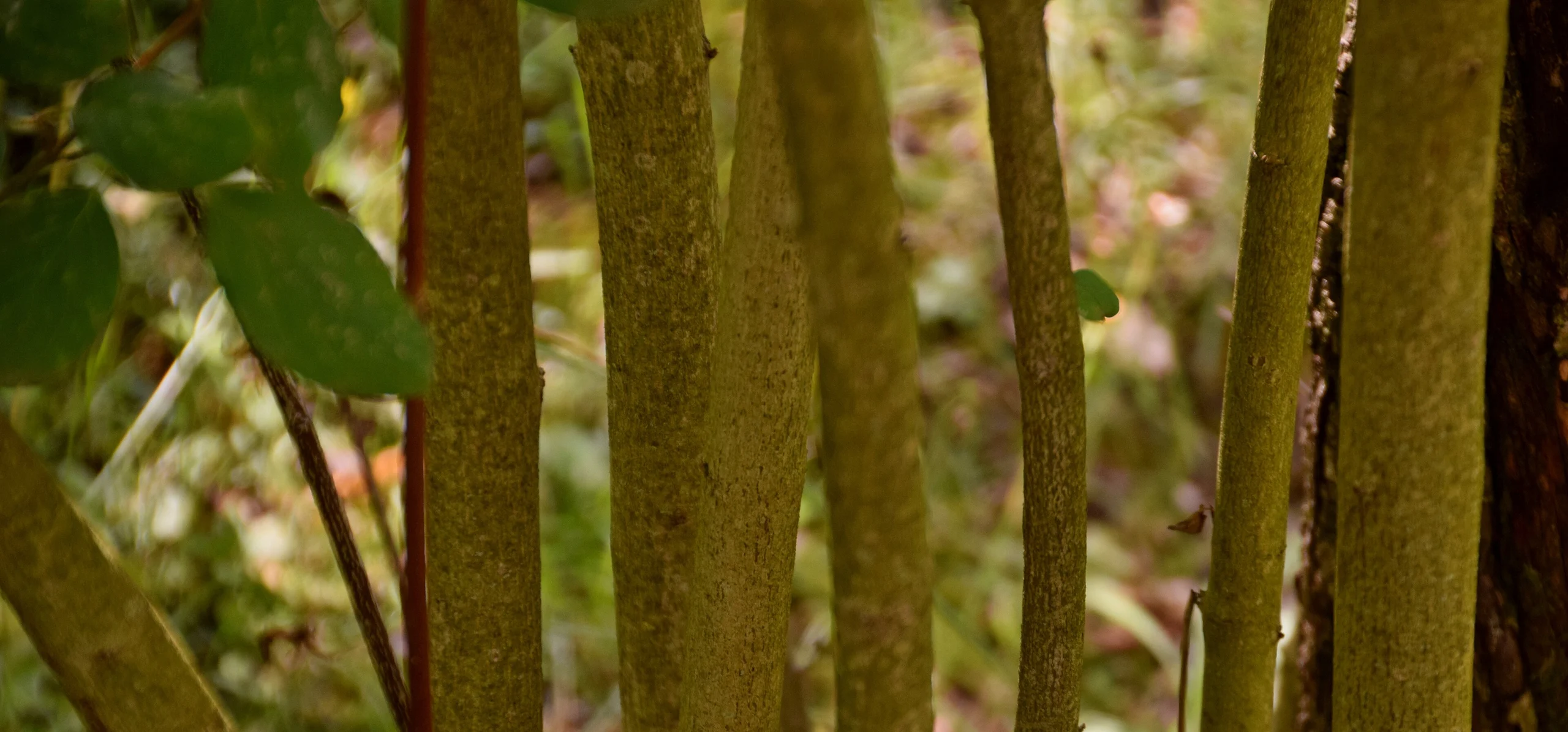
Without cutting, the wood ages within two or three winters, the bark dulls to grey-brown, and the display that sold the plant disappears. The classic method is a full coppice: in late winter, before the buds break and while the framework is still leafless, cut every stem back to five to eight centimetres above the ground. The plant responds with a flush of vigorous new shoots that colour up fully by the following winter, though the shrub itself stays low and leafless-looking for the first half of the growing season. A gentler rotation, cutting out only the oldest third of the stems at ground level each year, keeps some height and screening value through the season while still refreshing the colour on a rolling basis; this suits a shrub used for privacy as well as winter interest. Either way, prune in late winter rather than autumn, since stems cut too early lose a full season of colour for nothing gained.
Suckering and Controlling Spread
Left alone, a single plant will colonise several metres of ground within a few years, sending up new shoots from spreading roots well beyond the original stems; a low branch that lies against consistently damp soil for a season will often have rooted at that point by autumn, adding another point of spread. Where a defined clump rather than a thicket is wanted, slice around the plant's perimeter with a sharp spade once a year, in spring or autumn, severing surface roots before they travel further, and pull or dig out young suckers while they are still thin enough to come out with the root intact. In a small garden, growing it in a large buried container or tub with the bottom removed for drainage keeps the display without the colonising habit.
Pests and Diseases
This species is less trouble-prone than the flowering dogwoods and is not susceptible to dogwood anthracnose, the disease that has devastated Cornus florida across much of its range. It can still pick up leaf spot and powdery mildew in a humid, crowded planting, plus canker and twig blight fungi that usually enter through pruning wounds or stressed wood and kill individual stems while the rest of the plant looks healthy. Borers, leaf miners and scale insects are occasional but rarely serious. The useful habit is sanitation: cut out and destroy any cankered stem promptly, well below the visible damage, and wipe pruning blades between cuts once a plant shows dieback.
Flowers, Berries and Wildlife
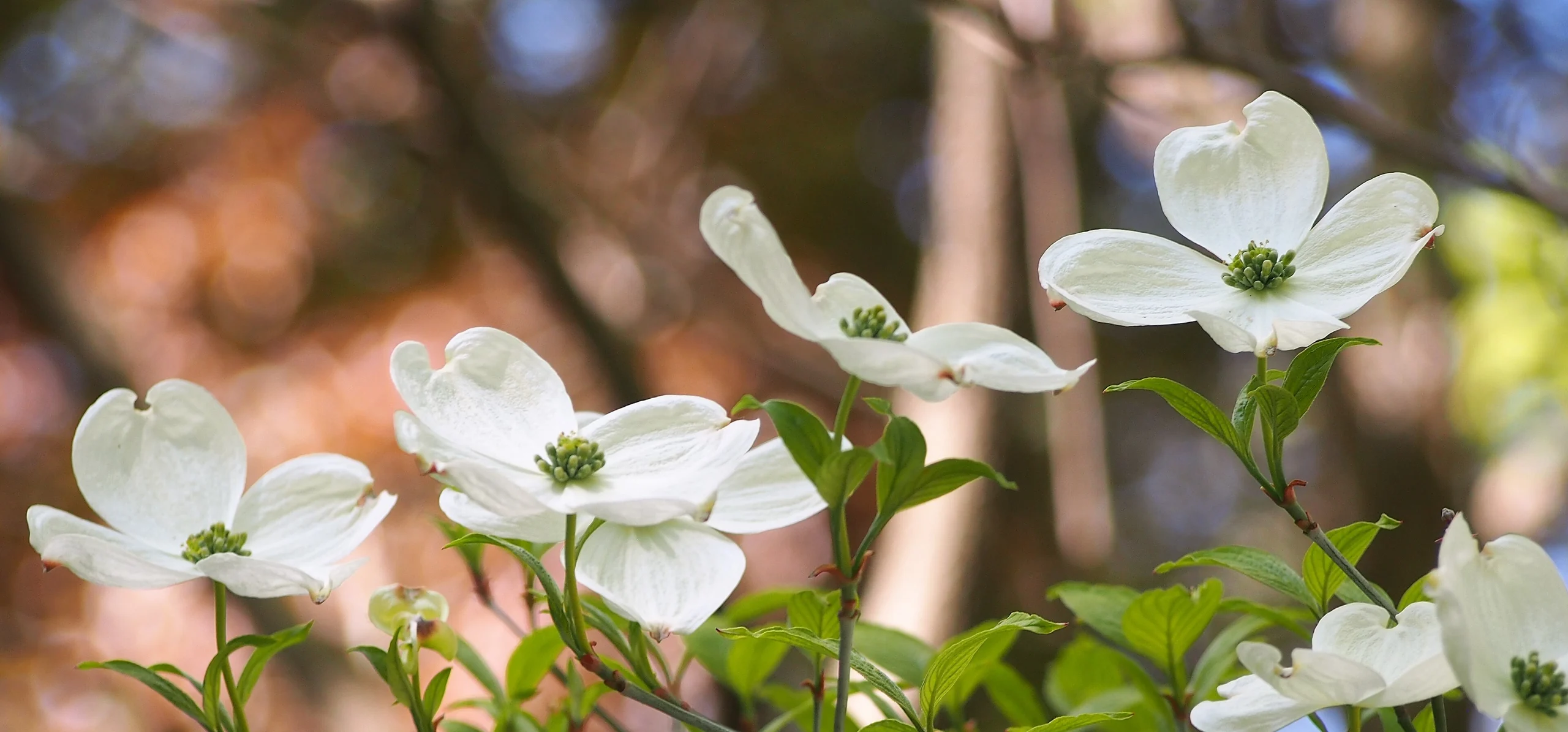
In late spring, flat-topped clusters of small, dull white flowers open at the branch tips; no single flower is showy, but a mature clump covered in these flat white pads is a reasonable display in its own right and draws a steady traffic of small pollinating bees. By late summer the flowers become clusters of white berries with a faint bluish tinge, rarely more than a centimetre across, and they do not last long once ripe: birds strip them within days, which is the main reason to grow the species even where stem colour is a secondary concern. The shrub also hosts spring azure butterfly caterpillars and supports several specialist bee species tied to Cornus. On safety, the ASPCA has not listed Cornus sericea in its toxic or non-toxic plant databases for cats, dogs or horses, and no reliable toxicity to humans has been documented by university extension sources; the berries are simply bitter and not eaten as food.
Test your plant knowledge
Tap a card to flip it and reveal the answer.
Red osier dogwood shows its best red stem colour on old, thick wood rather than young stems. Tap to reveal ✕ False
Cornus stolonifera and Cornus sericea are simply two names for the same plant. Tap to reveal ✓ True
This shrub tolerates permanently wet or seasonally flooded soil better than most flowering shrubs. Tap to reveal ✓ True
Red osier dogwood is highly susceptible to dogwood anthracnose, the disease that damages flowering dogwoods. Tap to reveal ✕ False
Left unpruned and uncontrolled, the shrub will stay a tidy, non-spreading clump. Tap to reveal ✕ False
Sources
References consulted for this guide
- GBIF Backbone Taxonomy: Cornus sericea L.gbif.org
- Plants of the World Online (Kew): Cornus sericea L.powo.science.kew.org
- NC State Extension Gardener Plant Toolbox: Cornus sericeaplants.ces.ncsu.edu
- RHS: Cornus sericea (red osier dogwood)rhs.org.uk
- Reference entity : Wikipédiaen.wikipedia.org