Gardenia
Gardenia jasminoides
Family · Rubiaceae
Gardenia jasminoides drops buds after a temperature swing or a move, and yellows in alkaline soil. Give it cool 15-18°C nights and acid soil instead.
Gardenia jasminoides
Plant profile
- WateringHighWater every 5 days
- Light exposureIndirect light
- Ideal temperature10–24 °C
- Humidity60–80 %
- Hardiness zoneUSDA 7–11
Growth
- Family
- Rubiaceae
- Life cycle
- Perennial
- Growth speed
- 4/10
- Mature size
- 90–240 cm
- Spread
- 90–240 cm
- Flowering
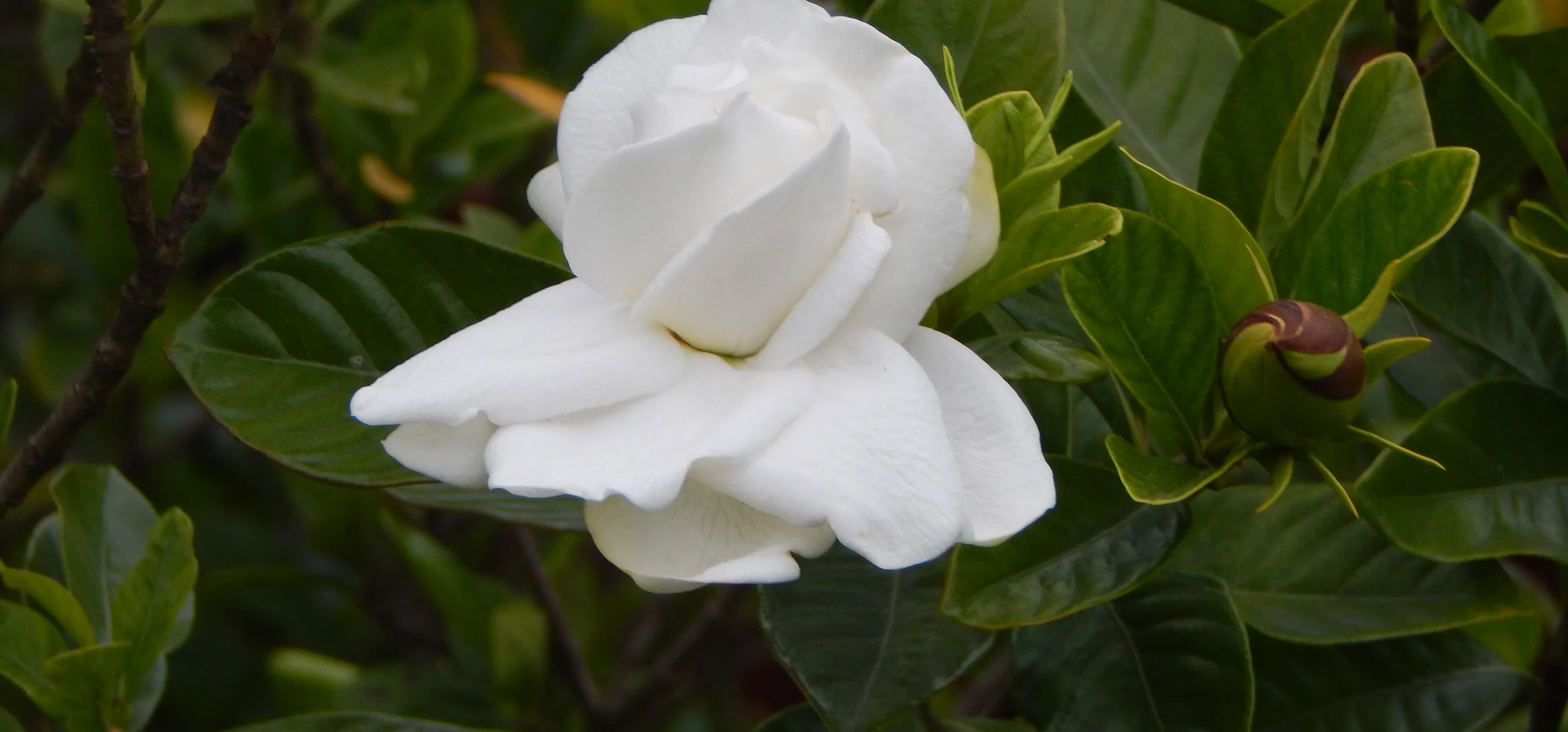
- Fragrant single or double white flowers, mainly late spring into summer
- Propagation
- Cutting
- Layering
DormancyEvergreen, no true winter dormancy
Time to maturitySeveral years to reach mature size and its heaviest bloom
Soil & climate
- Soil pH
- pH 5–6
- Soil types
- loam
- Drought tolerance
- No
Light & Placement
- Origin
- E. Himalaya to Central & S. China and Indo-China, S. Central & S. Japan
- Where to place it
- Bright spot near an east or south-facing window with some direct morning sun
- Away from cold drafts and heating vents
- Morning sun with afternoon shade in hot climates
- Sheltered spot away from wind and reflected heat
- Container with peat-free ericaceous, well-draining potting mix and drainage holes
Safety
- Toxicity
- CatsToxic
- DogsToxic
- HorsesToxic
Data fromGBIF Backbone Taxonomy: Gardenia jasminoPlants of the World Online (Kew): GardenASPCA: Toxic and Non-Toxic Plants, GardeRHS: How to Grow GardeniasClemson HGIC: GardeniaMissouri Botanical Garden Plant Finder:
Where it grows
World distribution
Gardenia is native to 8 countries: Bhutan, Cambodia, China, Japan, Laos, Taiwan, Thailand, and Vietnam.GBIF records 10,249 documented identifications across 91 countries, with the largest concentrations in China, Taiwan, and Japan.
- Bhutan
- Cambodia
- China
- Japan
- Laos
- Taiwan
- Thailand
- Vietnam
Yellow to orange dots: concentration of documented identifications per country. Green countries: sourced native range. Source: GBIFNative range from POWO (Kew).
A gardenia bought in full bud from a nursery or supermarket is often carrying more flowers than it can actually open indoors. Gardenia jasminoides is famous among houseplant growers for two related habits: it drops unopened buds at the first sign of a temperature swing or a change of location, and its glossy dark green leaves turn pale with the veins standing out green the moment the soil drifts even slightly alkaline. Neither problem means the plant is dying; both are the shrub reacting exactly as it does in its native subtropical range, where nights cool noticeably and the ground stays acidic. Give it a stable spot, cooler nights, and acid soil, and the same plant that seems to sulk on a warm windowsill opens scented, waxy white flowers for weeks.
Origin and Native Range
GBIF records the accepted name as Gardenia jasminoides J.Ellis, in the coffee family Rubiaceae, order Gentianales. Plants of the World Online traces its native range from the eastern Himalaya through central and southern China and Indo-China to south-central and southern Japan, a subtropical band where nights cool noticeably even while days stay warm and humid. That day-night split, more than any single number, is the detail worth carrying indoors: the species evolved to set flower buds under warm days and distinctly cooler nights, not the flat, heated air of a living room. Older texts sometimes list the plant as Gardenia augusta or Gardenia florida; nurseries still sell it as Cape jasmine or cape-jessamine, both names for the same shrub.
Light and Placement
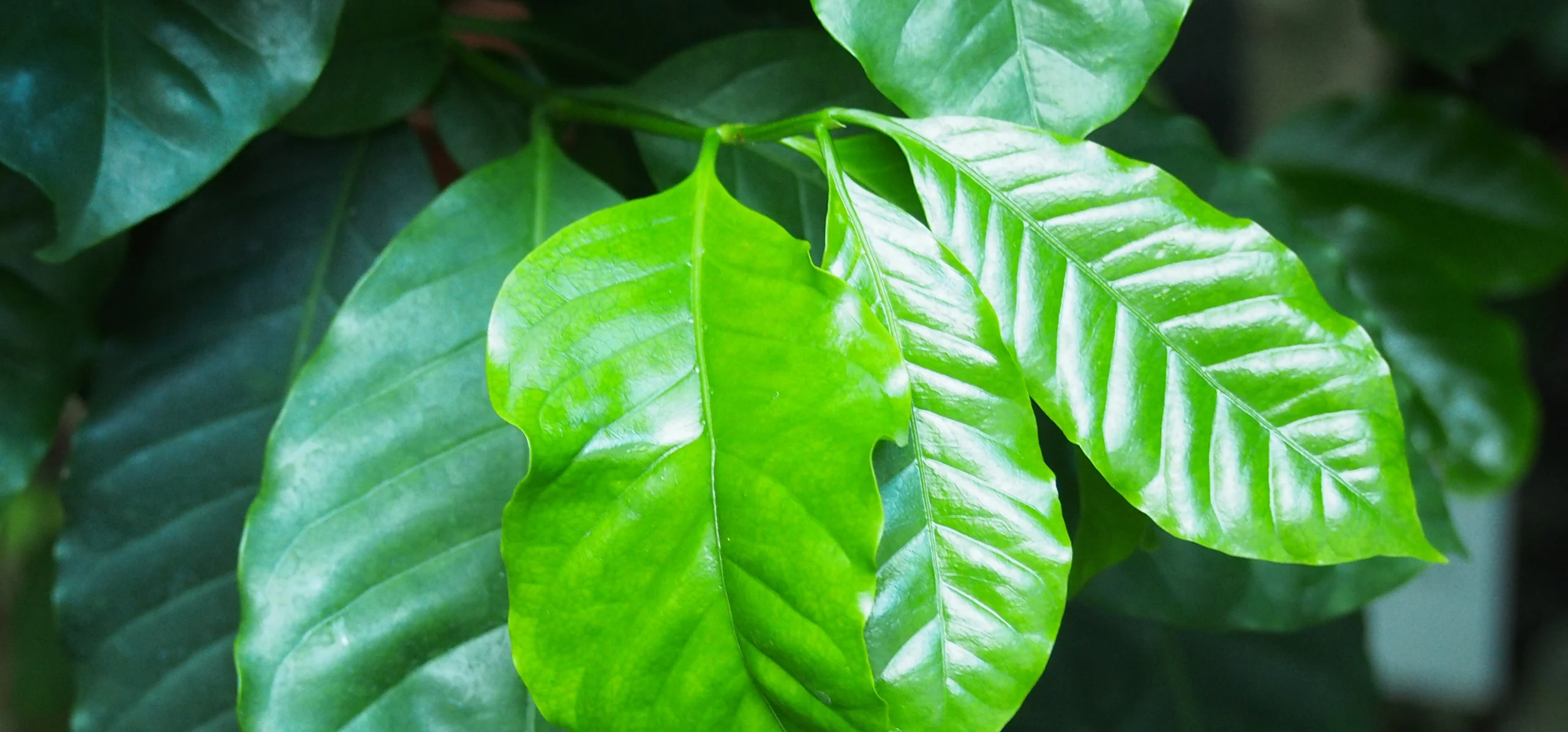
Outdoors, Clemson Cooperative Extension recommends light to partial shade, ideally morning sun with afternoon shade; a gardenia grown in full, hot afternoon sun scorches its leaves and drops buds before they open. Indoors, the closest match is a bright spot near an east or south-facing window that gets some direct morning light without baking through glass at midday. Keep the plant away from cold drafts by an exterior door, and away from the dry blast of a heating vent or radiator, both of which recreate exactly the temperature swing that triggers bud drop. A gardenia that is otherwise thriving but has recently been moved, even from one side of a room to the other, commonly drops its next flush of buds within days; that is the plant reacting to the move itself, not a sign of a deeper problem.
Temperature, Humidity, and Bud Drop
The Royal Horticultural Society is specific about the numbers that matter: gardenias set flower buds best with daytime temperatures around 21 to 24°C and nights that drop to a cooler 15 to 18°C, and buds fail to form, or abort once formed, when nights stay at 18°C or warmer alongside dry air. Winter temperatures should not fall much below 16°C, though an established plant tolerates a spell down to 10 to 15°C. Humidity matters just as much as temperature: gardenias want high, uniform humidity, and the RHS suggests standing the pot on a tray of damp gravel and misting the foliage often in hot weather, keeping water off open flowers since wet petals brown and spot. The most common bud-drop triggers, in roughly the order they show up, are a sudden temperature swing, moving the plant to a new spot, dry indoor air in winter, and irregular watering; ruling those out before treating for pests or disease saves a lot of misdirected effort.


Acid Soil and Chlorosis
Clemson HGIC puts the target soil pH at less than 6.0, and the Missouri Botanical Garden Plant Finder specifies a well-drained, humus-rich, acidic mix, worked in with compost or ground bark at planting time. Push the pH toward neutral, whether through hard tap water, garden lime, or a bed too close to a concrete foundation, and the plant develops iron-deficiency chlorosis: new leaves emerge pale yellow with the veins still standing out dark green, a pattern easy to mistake for a watering problem but actually one of soil chemistry. The fix is a peat-free ericaceous compost for potted plants, an iron or acid-plant feed, and rainwater instead of tap water wherever it is available, since even moderately hard tap water nudges an ericaceous mix back toward neutral over a season of watering.
Watering and Feeding
Keep the compost constantly moist through spring and summer without letting it sit saturated, per the RHS, and ease off in winter while never letting it dry out completely between waterings. The RHS recommends a high-nitrogen liquid feed weekly through the growing season, switching to a balanced fertiliser with trace elements roughly every five to six weeks once winter sets in; skip feeding altogether during any spell of cool, low-light weather when the plant is not actively growing. Overwatering and underwatering both appear on Clemson's list of bud-drop causes, so consistency, not volume, is the goal: the same amount on the same rough schedule beats an occasional heavy soak.
Outdoor Cultivars for Milder Gardens
The species itself is reliably hardy only to about USDA zone 8, per Clemson HGIC, but a few modern cultivars extend that range for gardeners in cooler climates. 'Kleim's Hardy', bred by Don Kleim, is a compact, rounded shrub reaching only 60 to 90cm tall and wide with single, two-inch fragrant white flowers, and the Missouri Botanical Garden lists it as hardy to zone 7. 'Crown Jewel' goes further still: bred by crossing 'Kleim's Hardy' with the cold-hardy 'Chuck Hayes', it stays low and spreading, around 60 to 90cm tall but spreading to roughly 120cm wide, carries double flowers to about three inches across, and is listed as winter hardy, with protection, to zone 6. Both are worth seeking out specifically for a garden bed rather than a container, where the straight species is more likely to struggle through a cold winter.
Mealybugs and Sooty Mould
Mealybugs are one of the most common problems on gardenia, listed alongside scale insects, aphids, whiteflies, and spider mites by both the RHS and the Missouri Botanical Garden. They cluster in leaf axils and along stems as small, cottony white patches, sucking sap and excreting sticky honeydew as they feed. Left alone, that honeydew supports a black fungal growth, sooty mould, that coats leaves and blocks light rather than infecting the plant tissue itself. Wipe visible mealybugs off with a cotton swab dipped in isopropyl alcohol, follow up with insecticidal soap or horticultural oil on a weekly cycle until the colony is gone, and wash off sooty mould with plain water once the insects feeding it are cleared, since the mould will not regrow without fresh honeydew.
Toxicity to Pets
The ASPCA lists gardenia as toxic to cats, dogs, and horses, with genioposide and gardenoside as the toxic principles; ingestion typically causes mild vomiting or diarrhoea and, in some cases, hives, rather than anything more severe. The bitter taste of the leaves and flowers puts off most animals after a first bite, but a plant kept where a curious cat or dog can reach it is still worth moving or fencing off, especially a young plant with soft new growth that is easier to chew through than mature, leathery leaves.
Test your plant knowledge
Tap a card to flip it and reveal the answer.
Gardenia jasminoides sets its flower buds best when nights are cooler, around 15 to 18°C, than the daytime temperature. Tap to reveal ✓ True
Moving a gardenia to a new spot in the same room has no effect on its flower buds. Tap to reveal ✕ False
Yellow new leaves with the veins still dark green usually point to alkaline soil rather than a watering problem. Tap to reveal ✓ True
'Kleim's Hardy' and 'Crown Jewel' are gardenia cultivars bred specifically for better cold tolerance in the garden. Tap to reveal ✓ True
According to the ASPCA, gardenia is non-toxic to cats, dogs, and horses. Tap to reveal ✕ False
Sources
References consulted for this guide
- GBIF Backbone Taxonomy: Gardenia jasminoides J.Ellisgbif.org
- Plants of the World Online (Kew): Gardenia jasminoides J.Ellispowo.science.kew.org
- ASPCA: Toxic and Non-Toxic Plants, Gardeniaaspca.org
- RHS: How to Grow Gardeniasrhs.org.uk
- Clemson HGIC: Gardeniahgic.clemson.edu
- Missouri Botanical Garden Plant Finder: Gardenia jasminoidesmissouribotanicalgarden.org
- Missouri Botanical Garden Plant Finder: Gardenia jasminoides 'Kleim's Hardy'missouribotanicalgarden.org
- Missouri Botanical Garden Plant Finder: Gardenia jasminoides 'Crown Jewel'missouribotanicalgarden.org
- Reference entity : Wikipédiaen.wikipedia.org