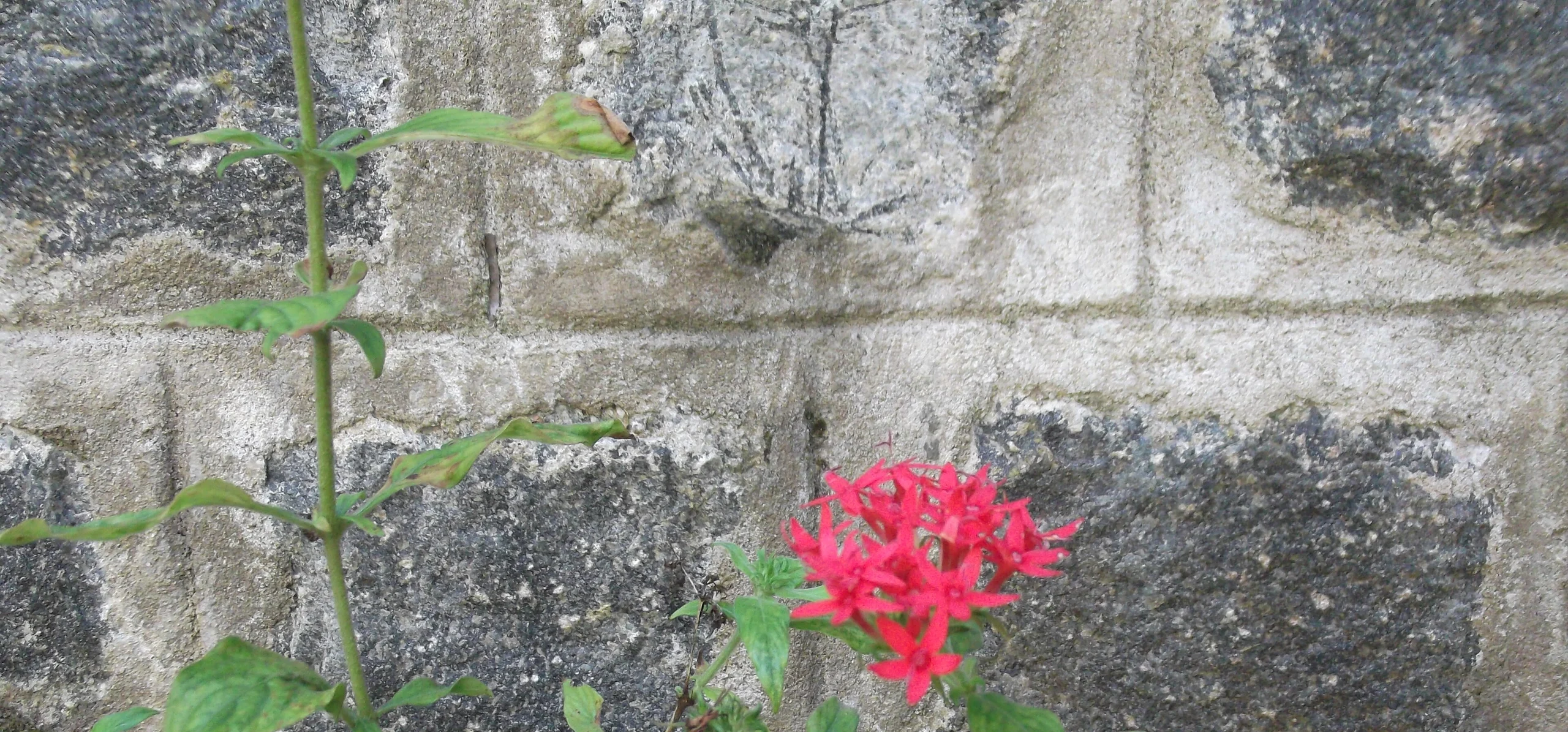
Egyptian Star Cluster
Pentas lanceolata
Family · Rubiaceae
Pentas lanceolata needs full sun and steady feeding for nonstop bloom; covers Butterfly and Graffiti series, deadheading and overwintering cuttings indoors.
Pentas lanceolata
Plant profile
- WateringModerateWater every 5 days
- Light exposureFull sun
- Ideal temperature5–35 °C
- Hardiness zoneUSDA 8–11
Growth
- Family
- Rubiaceae
- Life cycle
- Perennial
- Growth speed
- 7/10
- Mature size
- 35–90 cm
- Spread
- 40–90 cm
- Propagation
- Seed
- Cutting
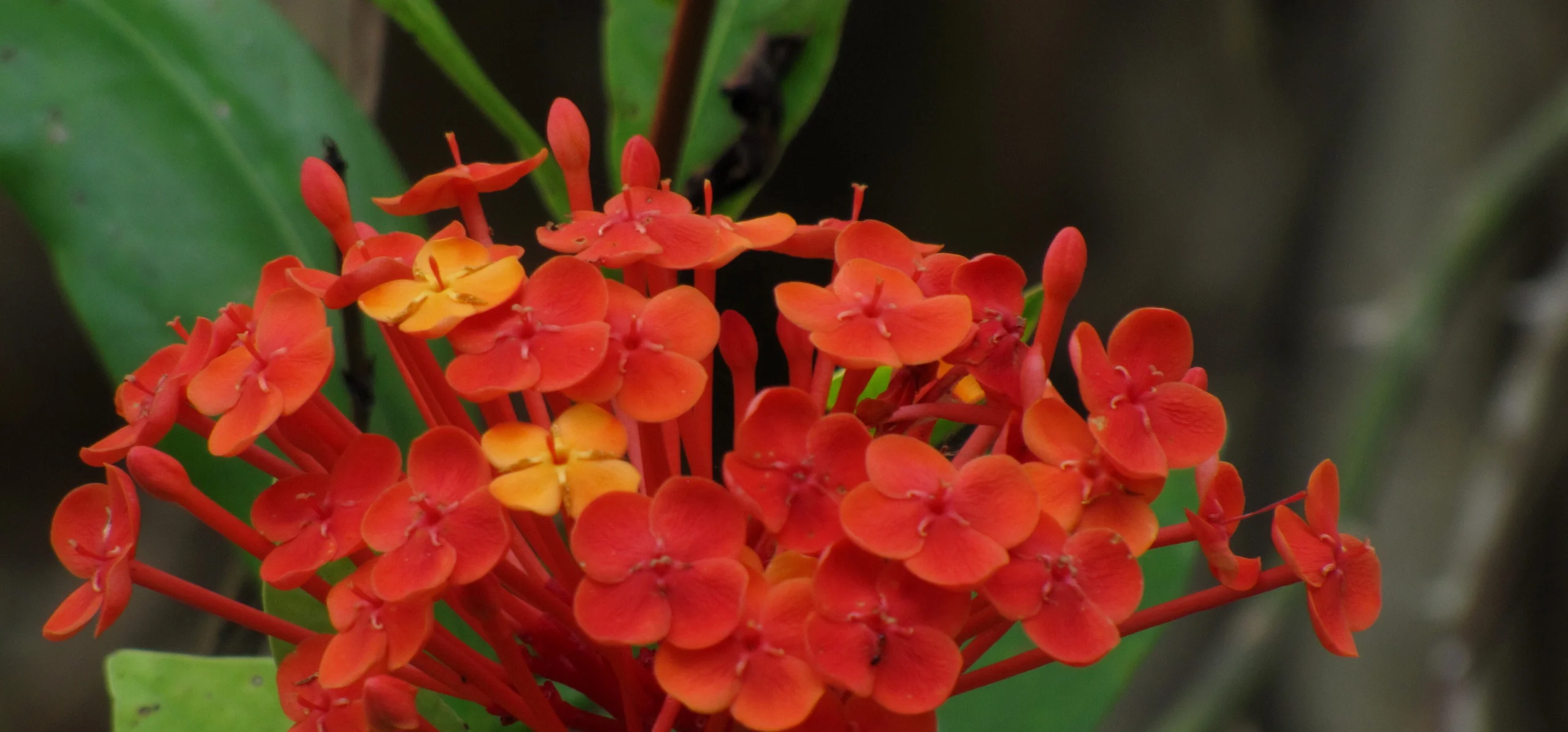
FloweringDense clusters of small star-shaped red, pink, lavender or white flowers from late spring to first frost, nearly nonstop with enough sun and feed
Dormancynone in frost-free climates; cut back and mulched over winter in USDA zone 8, or kept alive indoors as rooted cuttings where hard freezes occur
Time to maturityflowers within weeks of planting; standard cultivars reach full size in a single growing season
Soil & climate
- Soil types
- loam, fertile well-drained soil
- Drought tolerance
- Yes
Light & Placement
- Origin
- Native from Ethiopia to Mozambique, the Comoros and the Arabian Peninsula
- Where to place it
- warm, south-facing window for overwintered cuttings
- south- or west-facing bed or border in full sun
- sunny patio container
- well-drained pot with peat-free, loam-based potting compost
Safety
- Toxicity
- Not evaluated by the ASPCA; not on its toxic or non-toxic plant lists
- Pet safe
- No
Data fromPentas lanceolata (Forssk.) Deflers, GBIPlants of the World Online (Kew): PentasRHS: Pentas lanceolata (Egyptian star, EUniversity of Florida IFAS Extension (EDUniversity of Arkansas Cooperative Exten
Where it grows
World distribution
Egyptian Star Cluster is native to 16 countries: Bangladesh, Burundi, Comoros, Congo - Kinshasa, Djibouti, Eritrea, Ethiopia, and Kenya….GBIF records 4,411 documented identifications across 116 countries, with the largest concentrations in Saudi Arabia, Tanzania, and United States.
- Bangladesh
- Burundi
- Comoros
- Congo - Kinshasa
- Djibouti
- Eritrea
- Ethiopia
- Kenya
- Malawi
- Mozambique
- Rwanda
- Saudi Arabia
Show 4 more countriesShow fewer countries
- Sudan
- Tanzania
- Uganda
- Yemen
Yellow to orange dots: concentration of documented identifications per country. Green countries: sourced native range. Source: GBIFNative range from POWO (Kew).
Pentas lanceolata earns its spot in a summer bed or patio pot by refusing to quit: from the first hot week of early summer through the first real frost, its dense, star-shaped flower clusters keep opening in red, pink, lavender or white, and butterflies find them from across the yard. It is a tender perennial where winters stay mild, but almost everywhere else it is grown as a heat-loving annual, replaced each spring or kept going as rooted cuttings on a windowsill. Give it full sun, steady water and regular feeding and one plant fills out into a rounded, knee-to-waist-high mound of near-continuous bloom; skimp on any of the three and flowering slows to a trickle within a couple of weeks.
Origin: A Subtropical Shrub From Africa and Arabia
Plants of the World Online lists the native range of Pentas lanceolata as stretching from Ethiopia to Mozambique, the Comoros and the Arabian Peninsula, where it grows as a subshrub in seasonally dry, sun-baked scrub and open ground. GBIF's accepted classification places it in Rubiaceae, the madder family, the same family that gives the world coffee and quinine, under the genus Pentas in the order Gentianales. Older tags and catalogs sometimes list it under Mussaenda lanceolata, Manettia lanceolata or Neurocarpaea lanceolata; these are synonyms for the same accepted species, not different plants. That native background, hot sun and lean, well-drained ground, explains almost everything about how the plant behaves in cultivation: it wants heat, resents wet feet and slows down the moment light drops.
Choosing a Series: Butterfly, Graffiti and Dwarf Types
The Butterfly series, an Arkansas Select plant for its performance across the state, grows to about 24 inches tall with a 16-inch spread and carries the classic tall, upright habit in red, pink, blue and white. The Graffiti and Lucky Star series were bred more recently for a tighter, more compact habit that still flowers heavily and holds up to hot, humid summers, making them a better fit for the front of a border or a smaller pot. Dwarf cultivars, sold simply as dwarf pentas, top out around 14 inches and suit edging or mixed containers where a 2 to 3 foot standard plant would swamp its neighbors. None of the series differs meaningfully in care, so the choice comes down to the space available and the flower color wanted.

Full Sun, Six Hours Minimum
University of Arkansas Cooperative Extension is blunt about light: less than six hours of direct sun a day reduces flowering, and pentas planted in that much shade or less will produce foliage with only scattered blooms. A south- or west-facing bed, border or patio spot that gets sun for most of the day is the right outdoor placement; university trial gardens report full flowering only once the plant is getting close to a full day of direct sun. Indoors or on a covered porch, a bright south-facing window is the minimum worth trying, and even then flowering will be lighter than outdoors in full sun.
Watering and Feeding for Nonstop Flowers
The RHS describes the preferred soil moisture as moist but well-drained, and University of Florida IFAS Extension notes that plants fertilized regularly through the growing season keep growing and blooming all through the warm months, while a plant left unfed slows down noticeably by midsummer. In practice that means watering enough to keep the root zone from drying out completely, especially in a container in full sun, without letting the pot sit in standing water, and feeding on a regular schedule rather than once at planting time. A plant that wilts between waterings and then rebounds is being underwatered; one with yellowing lower leaves and soft, dark stem bases is usually sitting too wet.
Deadheading: Mostly Optional
Pentas has a genuine advantage over most bedding plants here: University of Florida IFAS gardeners note that the spent flower clusters largely self-deadhead, browning and dropping away on their own as new clusters open from the same stem tips, so missing a week of tidying rarely stalls the show. A plant that has gotten leggy or sparse at the base, though, benefits from an occasional pinch or light trim through summer to force side branching and more flower heads rather than a few tall, bare stems. Where pentas is being carried over as a perennial in a frost-free climate, the RHS places it in pruning group 9, meaning a harder cutback in late winter, before new growth starts, keeps the plant compact and floriferous for another season.
Overwintering: Treat It as an Annual or Save Cuttings
UF/IFAS Extension gives pentas a hardiness range of USDA zones 8b through 11; in zone 8, a heavy mulch over the crown of plants cut back to the ground helps them come back the following spring, while colder zones lose the plant outright to a hard freeze. The RHS rates it H1C, needing a minimum of 5 to 10 degrees Celsius, which is why in temperate climates it is grown outdoors only for summer and then either discarded or moved under glass. The more reliable route for gardeners without a greenhouse is University of Arkansas Extension's approach: take softwood cuttings from summer growth, root them in soil or water, and keep the rooted plants in a warm, south-facing window through winter, where they will often keep blooming indoors until it is warm enough to plant them back out.
Spider Mites Indoors and Other Pests
The RHS lists aphids and red spider mite as the main pests, and UF/IFAS Extension adds that mites and the occasional caterpillar chewing foliage are the only real problems worth watching for outdoors, with no major disease issues on record. Spider mites are far more likely to build up on a plant overwintered indoors, where heated, dry winter air suits them better than the humid outdoor conditions the plant prefers; fine webbing between leaves and a stippled, pale look to the foliage are the first signs, and raising humidity around the plant or a strong shower in the sink usually knocks a light infestation back before it spreads.
Toxicity and Pets
Pentas lanceolata does not appear on the ASPCA's toxic or non-toxic plant lists under any of its common names, so its safety for cats, dogs or horses is unevaluated rather than confirmed either way. As with any unlisted plant, the safer approach is to keep pets from chewing on it regularly and to call a veterinarian if a pet eats a significant amount, rather than assuming it is harmless simply because it has not been flagged.
Test your plant knowledge
Tap a card to flip it and reveal the answer.
Pentas lanceolata is native to a range stretching from Ethiopia to Mozambique, the Comoros and the Arabian Peninsula. Tap to reveal ✓ True
Pentas flowers well with as little as two or three hours of direct sun a day. Tap to reveal ✕ False
Spent pentas flower clusters must be deadheaded by hand to keep the plant blooming. Tap to reveal ✕ False
The RHS places pentas in pruning group 9, meaning it is cut back hard in late winter where grown as a perennial. Tap to reveal ✓ True
The ASPCA lists Pentas lanceolata as toxic to cats and dogs. Tap to reveal ✕ False
Sources
References consulted for this guide
- Pentas lanceolata (Forssk.) Deflers, GBIF Backbone Taxonomygbif.org
- Plants of the World Online (Kew): Pentas lanceolata (Forssk.) Deflerspowo.science.kew.org
- RHS: Pentas lanceolata (Egyptian star, Egyptian star cluster)rhs.org.uk
- University of Florida IFAS Extension (EDIS FP465): Pentas lanceolata, Egyptian Star-clusterask.ifas.ufl.edu
- University of Arkansas Cooperative Extension: Butterfly Pentasuaex.uada.edu
- Reference entity : Wikipédiaen.wikipedia.org