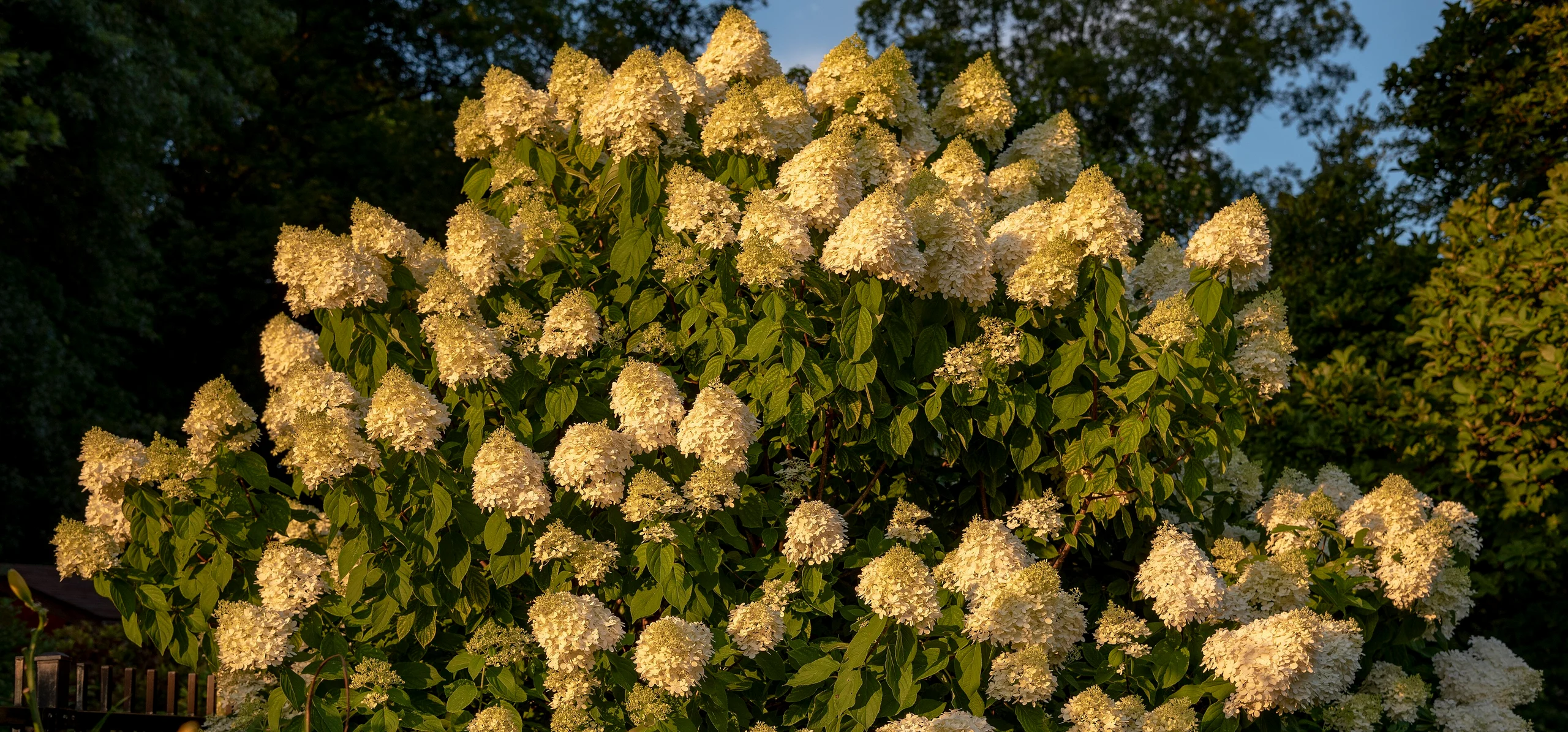
Panicle Hydrangea
Hydrangea paniculata
Family · Hydrangeaceae
Hydrangea paniculata blooms on new wood, tolerates full sun and survives cold to about -35°C. Cultivar picks, pruning timing and standard training explained.
Hydrangea paniculata
Plant profile
- WateringModerateWater every 7 days
- Light exposurePartial sun
- Ideal temperature-35–35 °C
- Hardiness zoneUSDA 3–8
Growth
- Family
- Hydrangeaceae
- Life cycle
- Perennial
- Growth speed
- 6/10
- Mature size
- 100–400 cm
- Spread
- 100–250 cm
- Propagation
- Cutting
- Layering
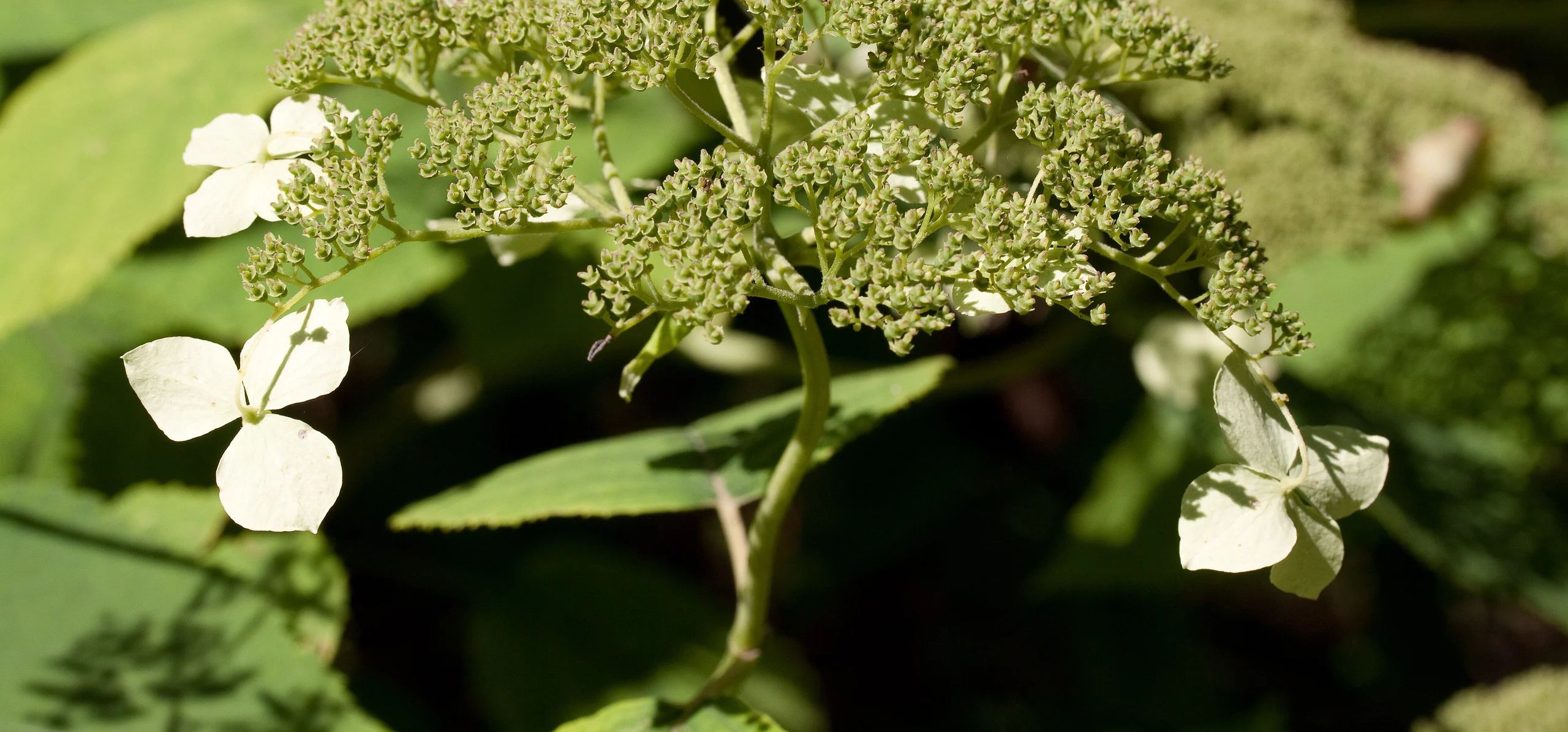
FloweringCone-shaped panicles opening white or cream in mid to late summer, aging to lime, pink or rose
Dormancydeciduous; drops its leaves and stands bare over winter, resprouting from woody stems in spring
Time to maturitycan flower in its first or second year after planting; reaches full mature size within about 3 growing seasons
Soil & climate
- Soil types
- average garden soil, loam, clay, well-drained soil
- Drought tolerance
- Yes
Light & Placement
- Origin
- Central and southern China, Sakhalin to Japan, and Taiwan
- Where to place it
- sunny mixed border
- foundation planting
- hedge or screen
- trained as a standard
- large container for compact cultivars such as 'Little Lime' or 'Bobo'
Safety
- Toxicity
- CatsToxic
- DogsToxic
- HorsesToxic
Data fromGBIF Backbone Taxonomy: Hydrangea panicuPlants of the World Online (Kew): HydranRHS: Hydrangea paniculata (panicled hydrMissouri Botanical Garden Plant Finder: ASPCA: Toxic and Non-Toxic Plants, Hydra
Where it grows
World distribution
Panicle Hydrangea is native to 4 countries: China, Japan, Russia, and Taiwan.GBIF records 10,511 documented identifications across 37 countries, with the largest concentrations in Japan, China, and United States.
- China
- Japan
- Russia
- Taiwan
Yellow to orange dots: concentration of documented identifications per country. Green countries: sourced native range. Source: GBIFNative range from POWO (Kew).
Hydrangea paniculata is the hydrangea to plant where the border gets real sun rather than dappled shade: it flowers reliably in full light, shrugs off cold that would kill most other garden hydrangeas outright, and sets its flower buds on the current season's growth. That last point is the one fact that governs everything else about the plant, because it means a hard cut in late winter costs nothing in bloom and is in fact what produces the biggest panicles. The cone-shaped flower heads open white or cream in midsummer and shift through lime green to pink or rose as they age on the shrub, a change driven by flower maturity and cooling autumn temperatures, not by anything you add to the soil. Named cultivars such as 'Limelight', 'Vanille Fraise', 'Little Lime' and 'Bobo' cover a size range from waist-high to small tree, so the first real decision is which one fits the space rather than how to keep the species alive.
Choosing a Cultivar for the Space You Have
'Limelight' is the workhorse of the group, reaching roughly 1.8 to 2.4 m tall and as wide, with dense, upright, lime-white panicles up to 20 cm across. 'Little Lime' is a dwarf sport of it, holding to about 1.2 m in both directions, which makes it the one to choose for a foundation planting or a large container rather than a border backdrop. 'Bobo' goes further still, staying under a metre, so densely floriferous that the plant can look more flower than foliage by midsummer. 'Vanille Fraise' (sold as 'Renhy') is grown for the two-tone effect of its aging panicles, cream at the base shading to strawberry pink at the tip while the top of the same flower head is still opening white. None of these cultivars need different treatment from the species; the difference is entirely in mature size and flower proportion.
Sun, Placement and Cold Hardiness
Give it full sun to, at most, light afternoon shade. Unlike Hydrangea macrophylla, which scorches and sulks in strong sun, paniculata flowers more heavily and holds a tighter habit the more light it gets, and it is the hardiest hydrangea commonly grown in temperate gardens, taking winter cold down to roughly -35°C without dieback to the root zone. That hardiness is also why it is the hydrangea worth planting in an exposed, cold-winter garden where macrophylla would need protection or would simply fail to survive most years. The trade-off for that sun tolerance is that a plant baking in a hot, dry spell will wilt visibly by mid-afternoon even when the soil underneath is not actually dry, a stress response rather than a sign of thirst; check the soil before reaching for the hose.


Soil and the pH Myth
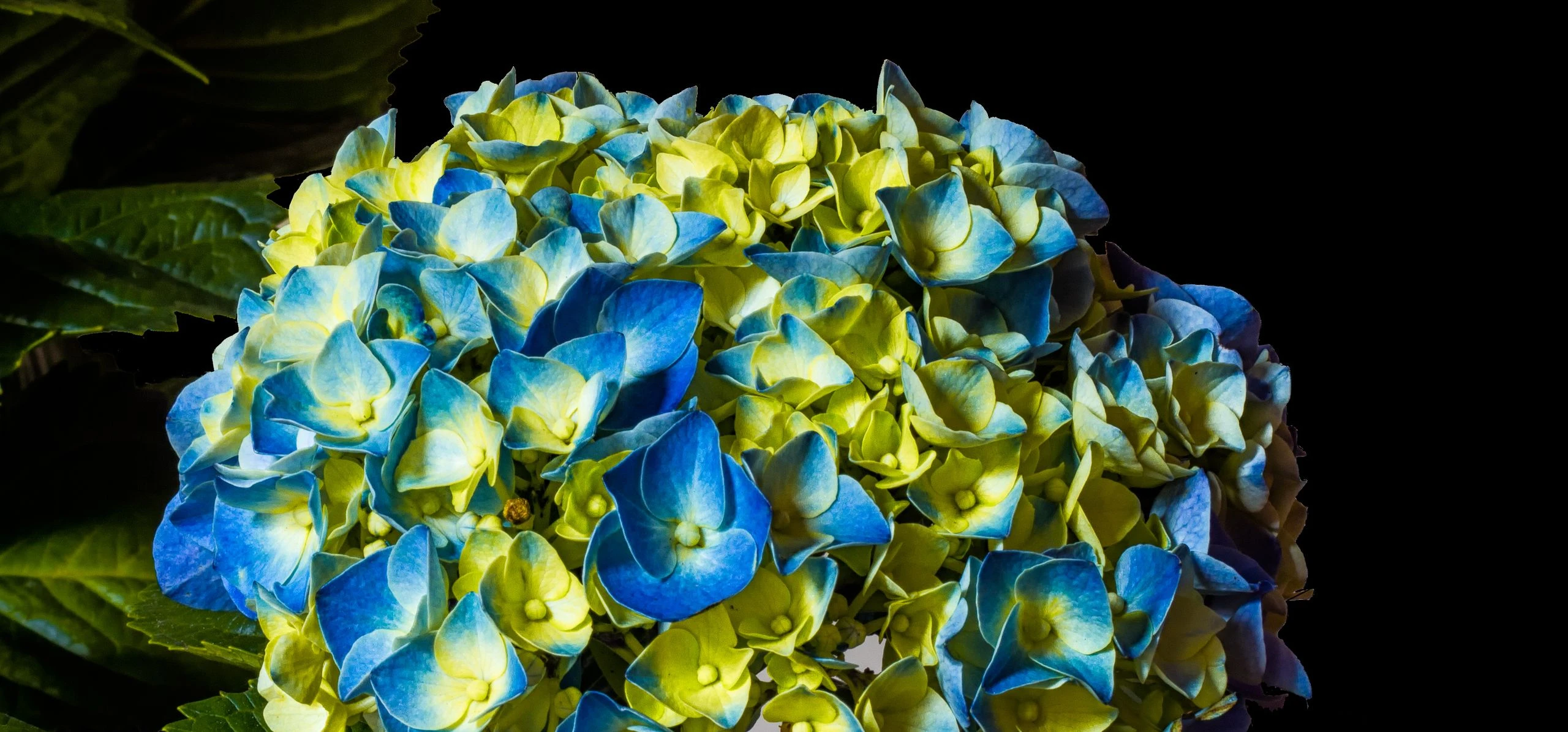
Gardeners who have grown macrophylla often assume they can push paniculata's flowers toward blue by acidifying the soil the same way. It does not work: paniculata's white-to-pink color shift is fixed by genetics and driven by flower age and temperature, not by the aluminum uptake that changes macrophylla's color at low pH. The species tolerates acidic through slightly alkaline soil without complaint, and is not fussy about fertility either, but it does need soil that drains; roots sitting in standing water over winter are a far bigger risk than any pH extreme.
Watering Through Establishment and Heat
Water a newly planted shrub deeply and regularly through its first one to two growing seasons while the root system is still shallow and small. Once established, it is genuinely drought-tolerant and will carry itself through normal dry spells on rainfall alone, but a stretch of real summer heat still calls for a deep soak; the visible wilting described above is the plant's own signal that it is under more stress than the soil moisture alone would suggest. Mulching the root zone keeps soil temperature and moisture more even and cuts down how often you need to intervene.
Pruning for Bigger Panicles, Not Just Shape
Because every flower forms on wood grown that same spring, prune in late winter or very early spring before new growth starts, never in summer or autumn when you would be cutting off the coming season's buds. Cut stems back to a low framework, or to two or three buds above the previous year's cuts on an established plant. Left alone, the shrub still flowers, but panicles get smaller and more numerous as the plant carries more stems than it can properly feed; thinning to roughly five to ten strong primary shoots and cutting those back hard produces noticeably larger, showier flower heads than leaving a dense, unthinned framework.
Training as a Standard
Panicle hydrangea is one of the few hydrangeas trained as a standard, a single clear trunk topped with a rounded flowering head, because its stems are stiff and woody enough to hold a form that a floppier species could not. Start with a young plant, select the strongest upright stem as the leader, stake it, and remove all competing shoots and side growth along the lower trunk as it grows, leaving foliage only in the top third. Once the trunk reaches the desired height, pinch or cut the leader to force branching and begin shaping the head; after that, the same late-winter hard prune used on a bush-form plant is what keeps the head full and the panicles large each year.
Toxicity and Dried Heads for Winter Interest
The ASPCA lists hydrangea as toxic to cats, dogs and horses; the toxic principle is a cyanogenic glycoside concentrated in the leaves and flower buds, and clinical signs are typically gastrointestinal, vomiting, depression and diarrhea, rather than the severe cyanide poisoning the term cyanogenic might suggest. Keep grazing animals and chewing pets away from fresh foliage and buds in particular. On the upside, the papery, faded panicles that stay on the plant through autumn are worth leaving in place rather than deadheading: cut a few for a dried arrangement, or leave the rest standing through winter, when the bleached cone shapes hold structure in an otherwise bare border and catch frost and low light in a way few other shrubs manage once their leaves are down.
Test your plant knowledge
Tap a card to flip it and reveal the answer.
Hydrangea paniculata flowers on wood produced that same spring, so a hard prune in late winter does not sacrifice the coming season's blooms. Tap to reveal ✓ True
Adding aluminum sulfate to the soil will turn Hydrangea paniculata's flowers blue, the same way it works on Hydrangea macrophylla. Tap to reveal ✕ False
Hydrangea paniculata tolerates full sun better than most other commonly grown garden hydrangeas. Tap to reveal ✓ True
Hydrangea paniculata is one of the least cold-hardy hydrangeas and typically needs winter protection in temperate gardens. Tap to reveal ✕ False
According to the ASPCA, hydrangea is listed as toxic to cats, dogs and horses. Tap to reveal ✓ True
Sources
References consulted for this guide
- GBIF Backbone Taxonomy: Hydrangea paniculata Sieboldgbif.org
- Plants of the World Online (Kew): Hydrangea paniculata Sieboldpowo.science.kew.org
- RHS: Hydrangea paniculata (panicled hydrangea)rhs.org.uk
- Missouri Botanical Garden Plant Finder: Hydrangea paniculata 'Limelight'missouribotanicalgarden.org
- ASPCA: Toxic and Non-Toxic Plants, Hydrangeaaspca.org
- Reference entity : Wikipédiaen.wikipedia.org