Common Evening Primrose
Oenothera biennis
Family · Onagraceae
Common evening primrose is a biennial wildflower with lemon-yellow blooms that open at dusk. Here is how to site, water and control its self-seeding habit.
Oenothera biennis
Plant profile
- WateringLittleWater every 10 days
- Light exposurePartial sun
- Hardiness zoneUSDA 4–9
Growth
- Family
- Onagraceae
- Life cycle
- Biennial
- Growth speed
- 7/10
- Mature size
- 90–150 cm
- Spread
- 60–90 cm
- Flowering
- Summer, June to September
- Propagation
- Seed
Dormancyoverwinters as basal rosette
Time to maturitysecond growing season
Soil & climate
- Soil types
- clay, loam, sand, rocky
- Drought tolerance
- Yes
Light & Placement
- Origin
- Canada to Central Mexico, most common in eastern and central North America
- Where to place it
- sunny border
- wildflower meadow
- gravel garden
- cottage garden bed
- naturalized roadside or waste ground
- large container or raised bed with a gritty, free-draining mix
Safety
- Toxicity
- Not listed by the ASPCA
- Pet safe
- Yes
Invasive speciesself-seeds freely and can naturalize in disturbed or waste ground
Data fromOenothera biennis L., GBIF Backbone TaxoOenothera biennis L., Plants of the WorlOenothera biennis, Missouri Botanical GaOenothera biennis, NC State Extension Ga
Where it grows
World distribution
Common Evening Primrose is native to 3 countries: Canada, Mexico, and United States.GBIF records 105,535 documented identifications across 81 countries, with the largest concentrations in United States, France, and Sweden.
- Canada
- Mexico
- United States
Yellow to orange dots: concentration of documented identifications per country. Green countries: sourced native range. Source: GBIFNative range from POWO (Kew).
A Biennial Life Cycle: What You're Actually Growing
Common evening primrose is a biennial, not a perennial: the rosette of shallow-toothed, olive-green leaves you see in year one produces no flowers at all, and only the following spring does it send up a single stiff, purple-tinged flowering stem from the center of that rosette. If you just bought a small rosette from a wildflower nursery or found one establishing in a gravel path, expect nothing showy this season, the payoff comes in year two, when that stem climbs 90 to 150 cm and opens lemon-scented yellow flowers from June into September. Plants that flower and set seed die afterward, so a patch that looks permanent is really a rolling population of first-year rosettes and second-year bloomers replacing themselves through self-seeding.
Siting: Sun, Soil and Drainage
Native from Canada south to central Mexico and most common across the eastern and central part of that range, evening primrose turns up naturally on disturbed roadsides, dry prairies and sandy waste ground, so it is built for lean conditions rather than a pampered bed. Give it full sun for the sturdiest, most upright flowering stems, though it tolerates part afternoon shade without much complaint. Soil matters less than drainage: it grows in clay, loam, sand and shallow rocky ground alike, and actually performs best in gravelly or sandy soil that stays on the dry side. Rich, regularly fertilized beds push soft, floppy growth that flops over by midsummer and invites the fungal problems covered below.
Watering New and Established Plants
First-year rosettes need consistent moisture while the taproot develops, water every few days through the first month after transplanting or germination, especially in sandy soil that drains fast. Once established, evening primrose is genuinely drought tolerant and asks for very little: a deep watering every 10 to 14 days in summer is enough for plants in the ground, while container plants dry out faster and may need it weekly. Overwatering a mature plant does more harm than skipping a week, standing moisture around the crown is a common route to the leaf spot and root problems that otherwise rarely trouble this species.


The Evening Bloom and Its Pollinators
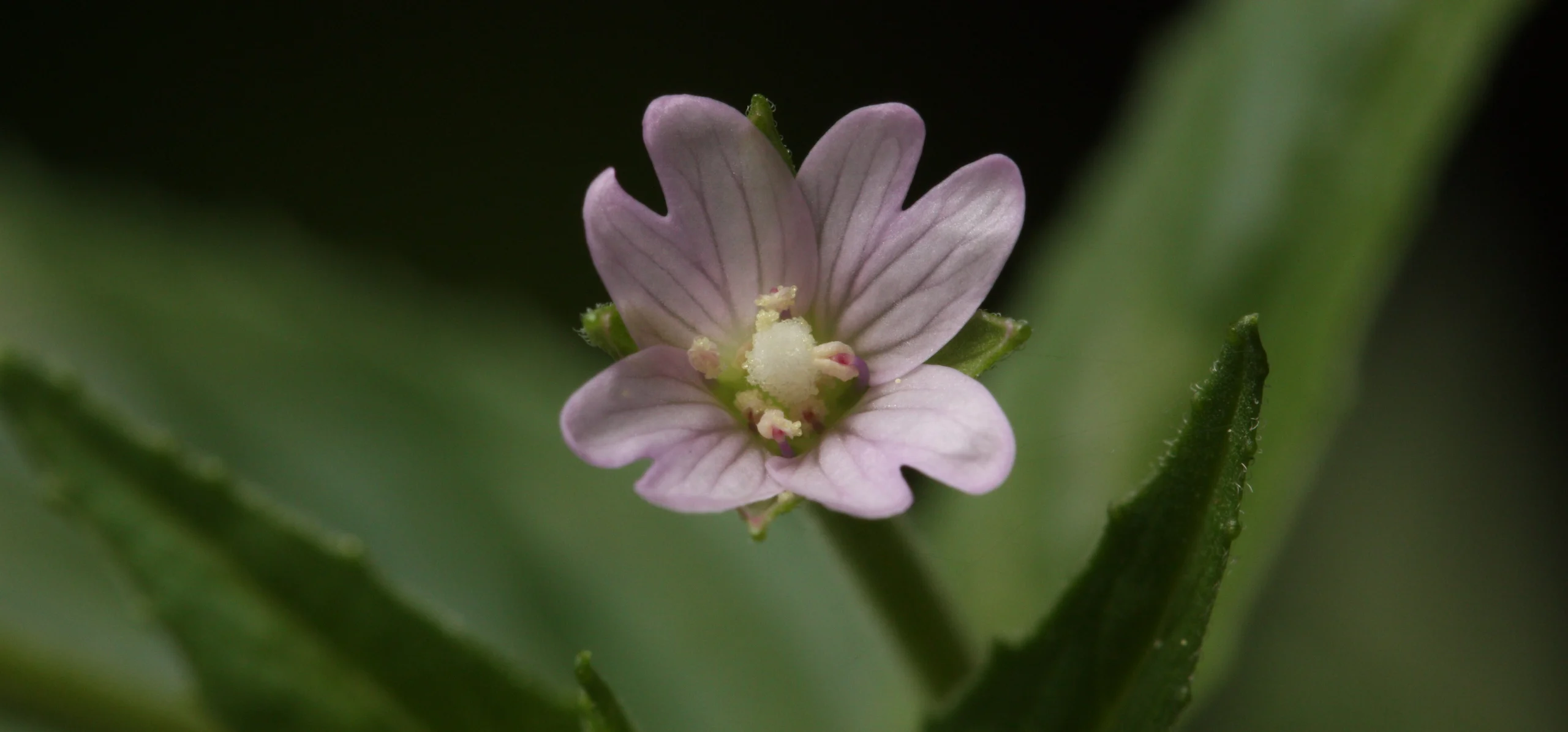
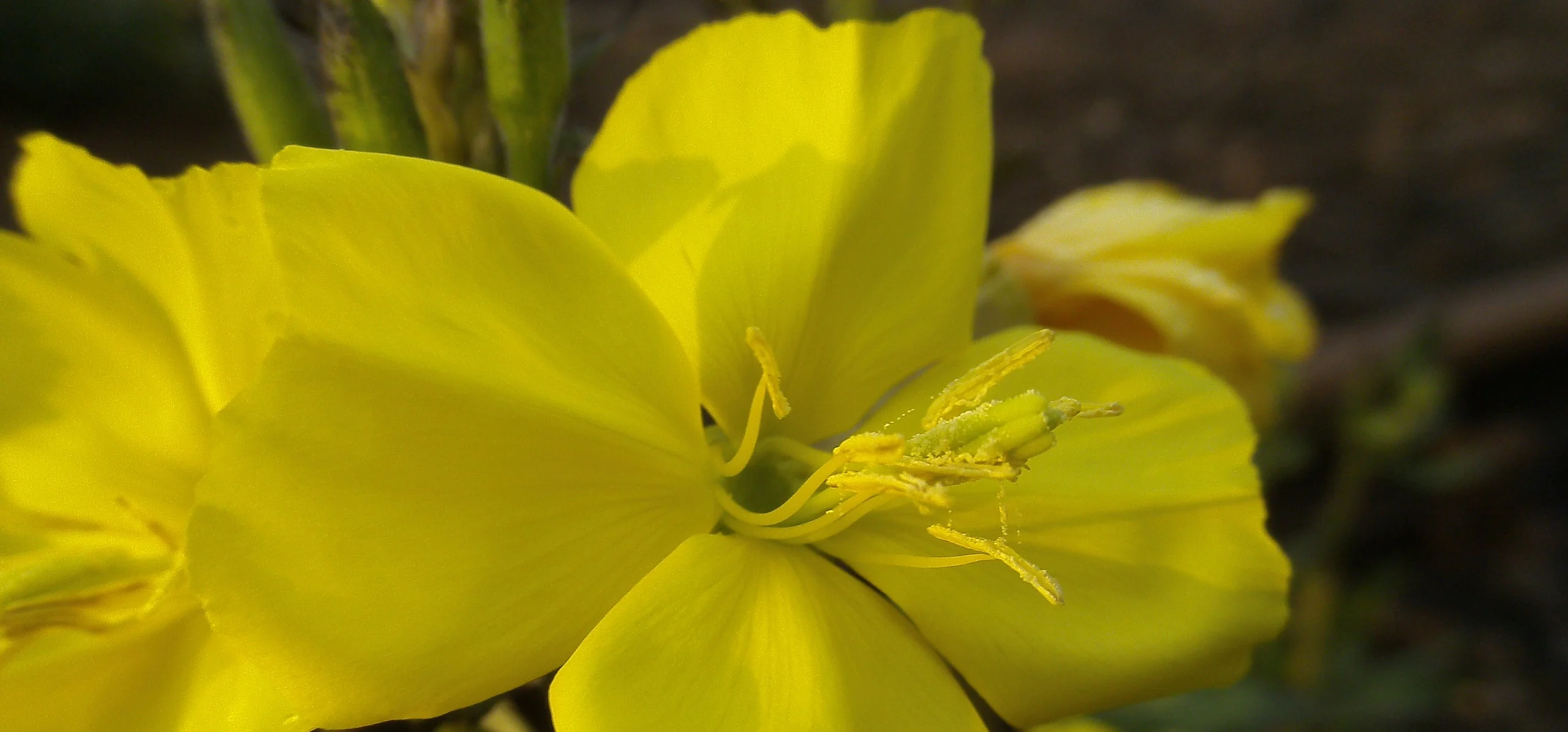
Each flower opens at dusk, sometimes visibly unfurling within a few minutes, and closes again the next morning once direct sun hits the petals, the trait that gives the plant its common name. The four broad yellow petals, 2 to 5 cm across, release a mild lemon fragrance that intensifies after dark to draw night-flying moths, the main pollinators, while bees work whatever flowers are still open in early morning before they close. A single stem carries many buds in a tall terminal spike, opening a few new flowers each evening over many weeks rather than all at once, so a planting stays in bloom from June well into September.
Feeding and Keeping Stems Upright
Skip routine fertilizing. This is a plant adapted to poor soil, and extra nitrogen produces exactly the tall, weak-stemmed growth that then needs staking. If a bed is genuinely depleted, a light top-dressing of compost in spring is enough. Where plants lean or flop despite lean soil, the more common cause is crowding or too much shade rather than a nutrient shortage, thin surrounding growth and check that the site gets close to six hours of direct sun before reaching for fertilizer.
Pests and Diseases Worth Watching
Evening primrose has no serious insect or disease problems, which is part of why it naturalizes so easily. Flea beetles chew small round holes in young spring foliage, usually cosmetic and outgrown without treatment; a row cover over seedlings solves it if the damage bothers you. Japanese beetles will feed on the leaves and flowers in midsummer where present, hand-picking them into soapy water in the early morning keeps numbers down. The two disease issues worth watching are leaf spot and powdery mildew, both more likely on crowded plants with poor airflow, so space plants and clear spent foliage rather than spraying preventively. One insect is worth welcoming rather than fighting: the primrose moth's caterpillars feed on the flower buds here, a normal part of the plant's biology rather than a problem to treat.
Self-Seeding: Propagation and Controlling Spread
Propagation is entirely by seed, evening primrose has no rhizome or crown to divide. Each spent flower leaves behind a narrow seed capsule up to 4 cm long that splits open when ripe, releasing as many as 100 tiny seeds, and a well-branched second-year stem carries many such capsules over the season. Those seeds are famous for patience: buried seed can remain viable in the soil for up to 70 years, which is why plants keep reappearing in disturbed ground years after the last flowering stem was pulled. Where a colony is welcome, leave the spent stems standing through winter, seed-eating songbirds work the dry capsules. Where you want to limit spread, deadhead before capsules split, or simply accept that a young rosette or two will need pulling each spring in nearby beds.
Harvesting Seed and Common Mistakes
To save seed deliberately, let capsules dry brown on the stem and collect them into a paper bag before they split, then store the tiny seeds somewhere cool and dry, they need no special treatment to germinate the following spring. The most common mistake with this species is planting it expecting first-year flowers, then judging it a failure and pulling the rosette before its second season arrives, patience through that quiet first year is the entire trick to growing it well. The second mistake is over-improving the soil: gardeners who treat it like a border perennial with regular feeding and watering get tall, floppy stems and a shorter bloom, while a lean, sunny, slightly neglected corner produces the sturdy, long-flowering plants this species is known for in the wild.
Test your plant knowledge
Tap a card to flip it and reveal the answer.
Common evening primrose flowers in its first year after germinating. Tap to reveal ✕ False
Evening primrose flowers open at dusk and close again once direct sun hits them the next day. Tap to reveal ✓ True
Evening primrose needs rich, heavily fertilized soil to bloom well. Tap to reveal ✕ False
Established evening primrose is drought tolerant and needs watering only every 10 to 14 days in summer. Tap to reveal ✓ True
Evening primrose seeds lose the ability to germinate after one winter in the soil. Tap to reveal ✕ False
Sources
References consulted for this guide
- Oenothera biennis L., GBIF Backbone Taxonomygbif.org
- Oenothera biennis L., Plants of the World Online, Kew Sciencepowo.science.kew.org
- Oenothera biennis, Missouri Botanical Garden Plant Findermissouribotanicalgarden.org
- Oenothera biennis, NC State Extension Gardener Plant Toolboxplants.ces.ncsu.edu
- Reference entity : Wikipédiaen.wikipedia.org