Virginia Creeper
Parthenocissus quinquefolia
Family · Vitaceae
Virginia creeper climbs by sticky holdfast disks, tolerates full shade to full sun, and turns crimson red in fall. How to plant, train, and control it.
Parthenocissus quinquefolia
Plant profile
- WateringModerateWater every 10 days
- Light exposurePartial sun
- Hardiness zoneUSDA 3–10
Growth
- Family
- Vitaceae
- Life cycle
- Perennial
- Growth speed
- 8/10
- Mature size
- 914–1524 cm
- Spread
- 152–305 cm
- Flowering
- Greenish white, insignificant, late spring to summer
- Propagation
- Seed
- Cutting
Dormancydeciduous, bare in winter
Time to maturityreaches full size on a support in roughly 5 to 10 years (RHS)
Soil & climate
- Soil types
- clay, loam, sand, high organic matter
- Saline soil
- Tolerated
- Drought tolerance
- Yes
Light & Placement
- Origin
- SE Canada to El Salvador, and Bermuda to Cuba
- Where to place it
- freestanding wall or fence
- arbor or pergola
- large, tolerant tree
- slope or rock pile as ground cover
Safety
- Toxicity
- HumansToxic
Invasive speciesListed on Schedule 9 of the UK Wildlife and Countryside Act as an invasive non-native species (RHS); a vigorous self-clinging vine that self-seeds via bird-dispersed berries and roots wherever a cut stem touches soil.
Data fromGBIFPlants of the World Online (Kew)RHSMissouri Botanical Garden Plant FinderNC State Extension
Where it grows
World distribution
Virginia Creeper is native to 8 countries: Bahamas, Bermuda, Canada, Cuba, El Salvador, Guatemala, Mexico, and United States.GBIF records 126,089 documented identifications across 82 countries, with the largest concentrations in United States, Canada, and United Kingdom.
- Bahamas
- Bermuda
- Canada
- Cuba
- El Salvador
- Guatemala
- Mexico
- United States
Yellow to orange dots: concentration of documented identifications per country. Green countries: sourced native range. Source: GBIFNative range from POWO (Kew).
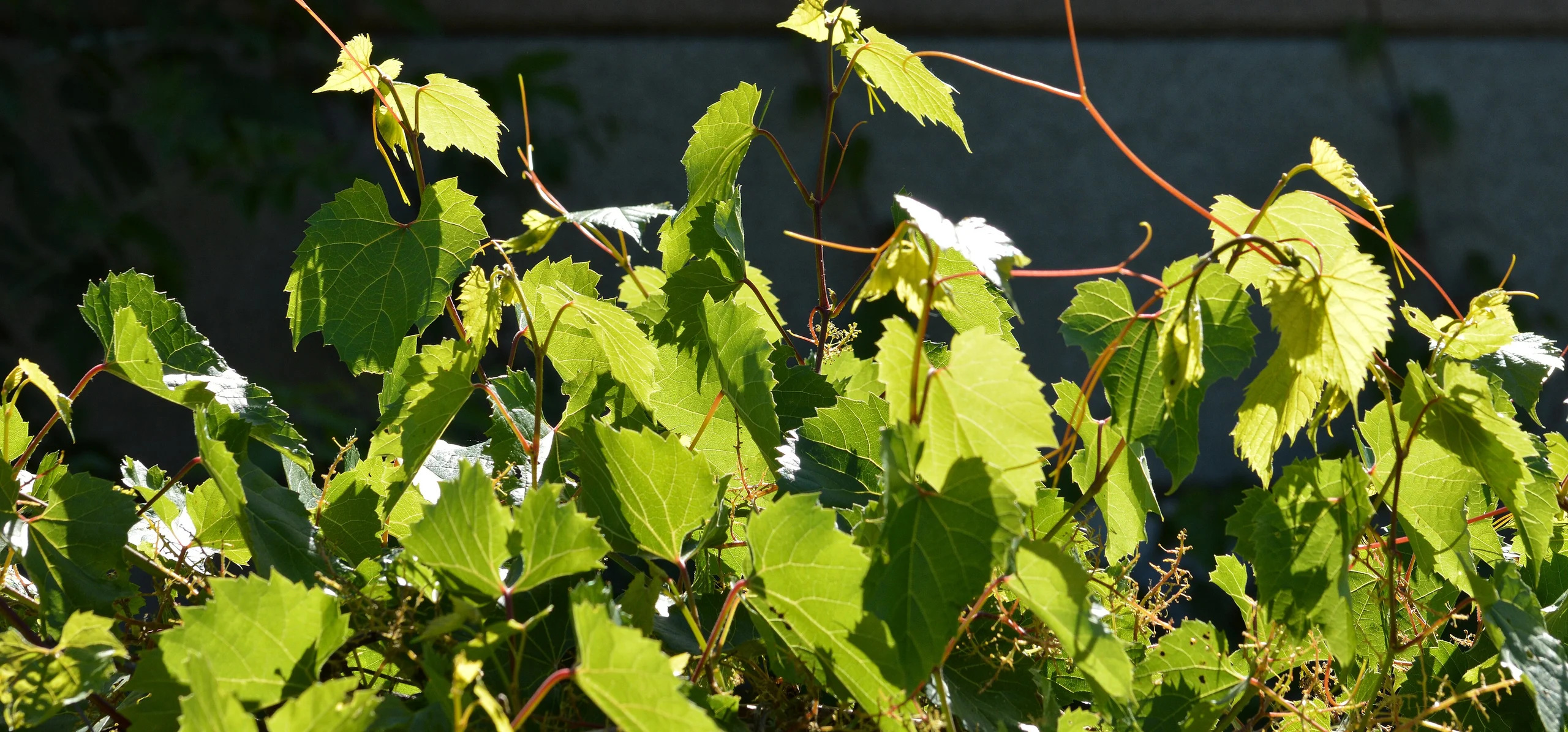
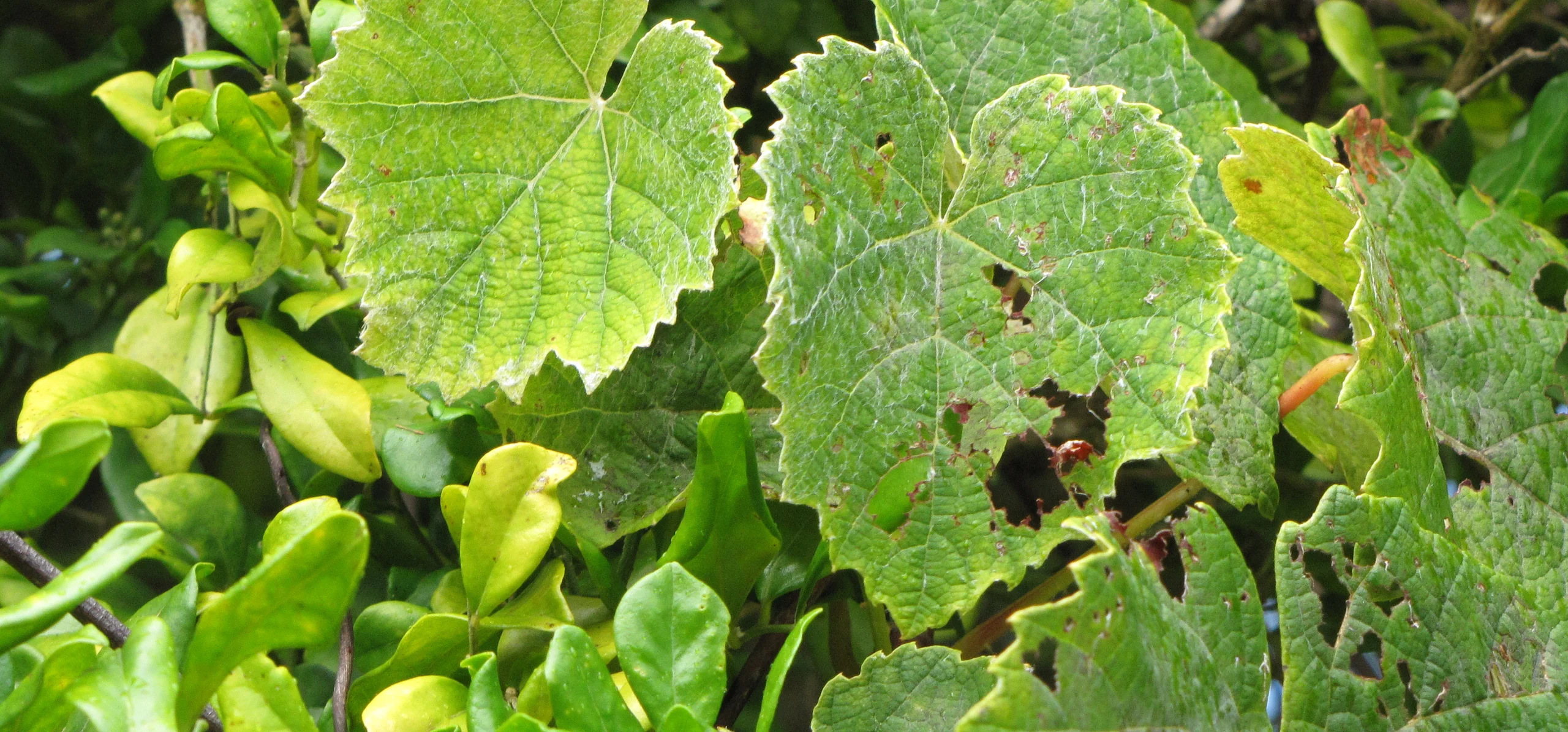
Virginia creeper announces itself twice a year: as a wall of clean green palmate leaves through summer, then as a sheet of crimson and purple in fall that outshines almost anything else in the garden. It is a self-clinging vine, so once it is established against a wall, fence or dead tree it needs no wires or trellis to climb. The plant most people confuse it with in the wild is poison ivy, and telling the two apart on sight is the first skill worth learning before you plant, weed around, or handle either one.
Origin and habitat
Parthenocissus quinquefolia is native from southeastern Canada south through the eastern United States to El Salvador, with populations from Bermuda to Cuba, according to Plants of the World Online (Kew). In the wild it grows in ravines, rich woods, thickets, rocky bluffs, hillsides and fencerows, scrambling over other vegetation and rock rather than standing alone. That habit, climbing through whatever structure is nearby, carries straight over into gardens: it needs something to grip, and it will use fences, tree trunks, masonry or neighboring shrubs with equal enthusiasm.
Telling it apart from poison ivy
Both vines climb by clinging, both turn red in fall, and both grow in the same hedgerows and woodland edges, which is why Virginia creeper gets blamed for rashes it did not cause. The reliable difference is leaf count: Virginia creeper carries five saw-toothed leaflets in a hand-shaped, palmate arrangement, while poison ivy has three. New leaves on Virginia creeper unfurl a soft purplish red before hardening to dull green over the following days, a color phase that can briefly resemble poison ivy's new growth, so count leaflets rather than judging by color alone. The berries are another tell: Virginia creeper produces small blue-black fruit on red stalks, while poison ivy's berries are pale and waxy.


Where to plant it
Give it a structure it can damage without consequence. The adhesive holdfast disks at the tendril tips grip stone, brick and wood so tightly that pulling the vine off later leaves the disks behind and can strip paint or mortar with them, a problem the Missouri Botanical Garden and the RHS both flag directly. Plant it against a freestanding wall, a sturdy fence, an arbor, or up into a large, tolerant tree rather than against painted siding, under eaves, or near gutters and wiring it can invade. It also works as a ground cover on slopes, rock piles or stumps where erosion control matters more than a tidy edge.
Light is flexible: North Carolina State Extension and the RHS both list full sun through partial shade as suitable, and the Missouri Botanical Garden notes it tolerates full shade as well. The trade-off is color, not survival, since the richest red and purple fall tones develop on plants grown in full sun.
Soil and watering
This vine is not particular about soil. Extension sources describe it thriving in clay, loam, sand or soil high in organic matter, across acidic, neutral or alkaline pH, in conditions from moist to occasionally dry. Average, medium-moisture, well-drained ground is the easiest starting point, but established plants shrug off short dry spells once their roots are in. Give a newly planted vine regular water through its first season while roots establish, then taper off; NC State Extension and the Missouri Botanical Garden both list it among plants tolerant of drought, heat, compacted soil and even the juglone toxicity that black walnut trees release into the surrounding soil.
Training and keeping it in bounds
Left alone, this is a rapid grower that the RHS rates as capable of exceeding 12 meters, with the Missouri Botanical Garden and NC State Extension both citing a more typical mature length of 30 to 50 feet and a 5 to 10 foot spread on a structure. That vigor is the whole appeal on a bare wall and the whole problem everywhere else: it needs trimming back at least once a year to stay off roofs, gutters, windows and neighboring plants, and cut stems left on the ground will root wherever a node touches soil. In Great Britain it is listed on Schedule 9 of the Wildlife and Countryside Act as an invasive non-native species, meaning it is an offence to plant it or allow it to grow in the wild there, a status worth checking against local rules before planting it near a hedgerow or woodland edge anywhere outside its native range.
Fall color and fruit
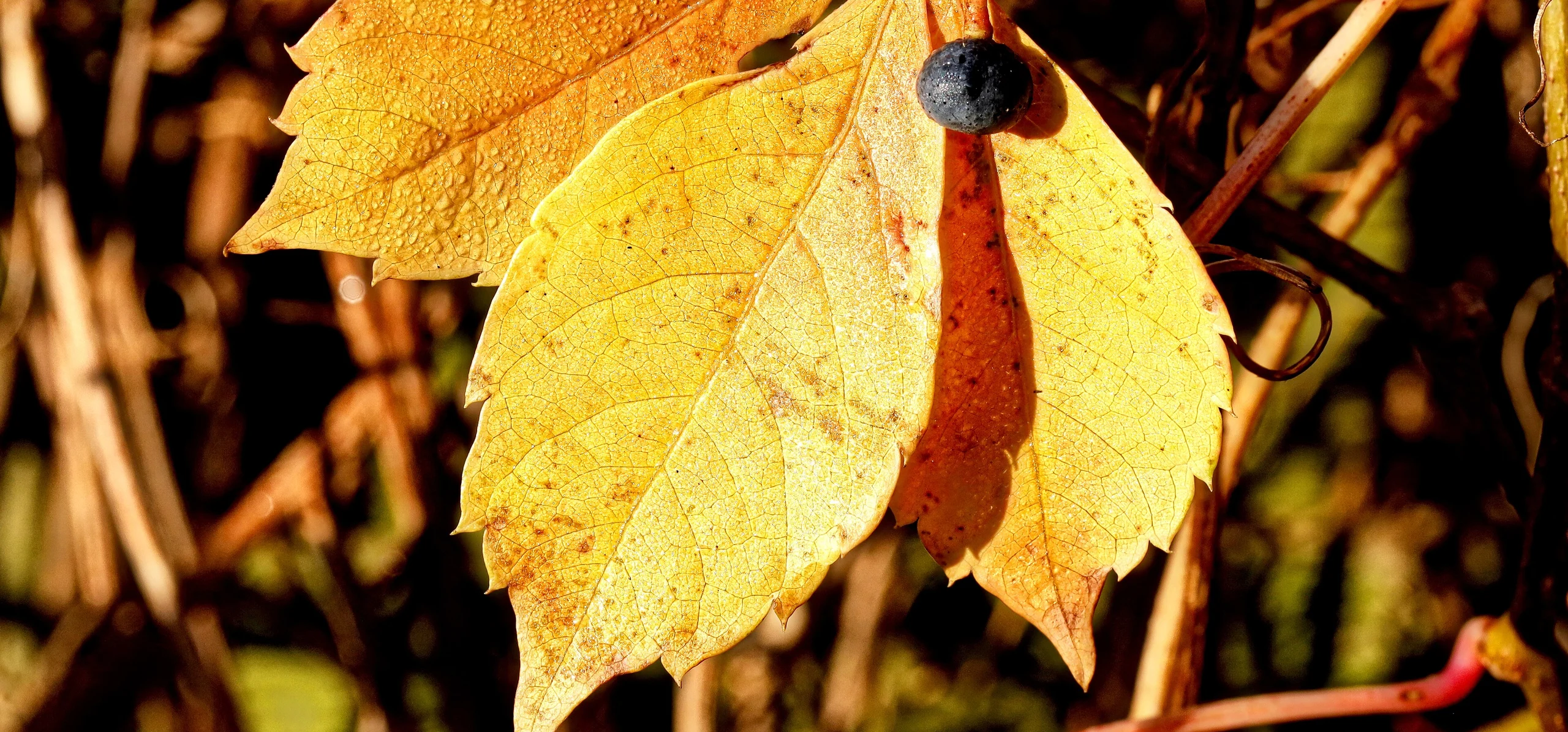
The greenish white summer flowers are easy to miss entirely, clustered in the upper leaf axils and hidden by foliage; they appear from late spring into summer, with the Missouri Botanical Garden giving a May to August window and NC State Extension narrowing it to May through July in North Carolina. What follows is more noticeable: clusters of blue-black berries under an inch across, held on red stalks and mostly hidden until the leaves drop in fall, when birds strip them quickly. The five-leaflet foliage turns from summer green through purple and crimson red as nights cool, the display most gardeners actually plant this vine for.
Pests, diseases and common mistakes
NC State Extension and the Missouri Botanical Garden agree this is a plant with few serious problems: occasional mildew, leaf spot, canker or wilt, and susceptibility to leafhoppers, scale insects and beetles, none of which usually needs treatment on an established vine. The real mistakes are structural. Letting it climb wood or shingle siding means the holdfasts become nearly impossible to remove without damage later. Skipping the annual trim lets it reach gutters, shutters and wiring, where it can trap moisture and cause damage the RHS and Missouri Botanical Garden both warn about. And planting it against a fence shared with a neighbor without discussing maintenance is a fast way to turn a handsome vine into a dispute.
Toxicity and safety
The ASPCA does not carry a dedicated listing for this species, so no pet toxicity status can be confirmed here one way or the other. For humans, the RHS lists the plant as harmful if eaten and a skin irritant, and recommends gloves when handling or pruning it. NC State Extension describes the berries as a high-severity poisoning risk if eaten, containing oxalic acid, with symptoms that can include nausea, abdominal pain and vomiting; keep children away from the fruit and wash hands after pruning.
Test your plant knowledge
Tap a card to flip it and reveal the answer.
Virginia creeper climbs using adhesive holdfast disks rather than by twining around a support. Tap to reveal ✓ True
The ASPCA lists Virginia creeper as toxic to cats and dogs. Tap to reveal ✕ False
Virginia creeper's five leaflets distinguish it from poison ivy, which has three. Tap to reveal ✓ True
Virginia creeper only survives in full sun and will die if planted in shade. Tap to reveal ✕ False
In Great Britain, Virginia creeper is listed as an invasive non-native species under the Wildlife and Countryside Act. Tap to reveal ✓ True
Sources
References consulted for this guide
- GBIF - Parthenocissus quinquefoliagbif.org
- Plants of the World Online (Kew) - Parthenocissus quinquefoliapowo.science.kew.org
- RHS - Parthenocissus quinquefoliarhs.org.uk
- Missouri Botanical Garden Plant Finder - Parthenocissus quinquefoliamissouribotanicalgarden.org
- NC State Extension - Parthenocissus quinquefoliaplants.ces.ncsu.edu
- Reference entity : Wikipédiaen.wikipedia.org