Staghorn Sumac
Rhus typhina
Family · Anacardiaceae
Rhus typhina thrives in poor, sunny soil and spreads fast by root suckers. How to site it, prune RHS group 7, and tell it apart from poison sumac.
Rhus typhina
Plant profile
- WateringLittleWater every 12 days
- Light exposureFull sun
- Hardiness zoneUSDA 3–8
Growth
- Family
- Anacardiaceae
- Life cycle
- Perennial
- Growth speed
- 7/10
- Mature size
- 400–800 cm
- Spread
- 400–800 cm
- Flowering
- Greenish-yellow panicles in June-July, followed by crimson fruit spikes into winter
- Propagation
- Seed
- Cutting
Dormancydeciduous, bare in winter
Time to maturityreaches full size over 10-20 years
Soil & climate
- Soil types
- chalk, clay, loam, sand, shallow or rocky soils
- Drought tolerance
- Yes
Light & Placement
- Origin
- Eastern Canada to north-central and eastern United States
- Where to place it
- sunny bank or slope
- naturalized or wildlife garden
- hedgerow or screen planting
Safety
- Toxicity
- HumansSafe
Invasive speciesspreads by root suckers into colonies
Data fromGBIF Backbone Taxonomy: Rhus typhina L.POWO (Kew): Rhus typhina L.Missouri Botanical Garden Plant Finder: RHS: Rhus typhina (stag's horn sumach)NC State Extension Gardener Plant Toolbo
Where it grows
World distribution
Staghorn Sumac is native to 2 countries: Canada and United States.GBIF records 122,949 documented identifications across 60 countries, with the largest concentrations in United States, Canada, and France.
- Canada
- United States
Yellow to orange dots: concentration of documented identifications per country. Green countries: sourced native range. Source: GBIFNative range from POWO (Kew).
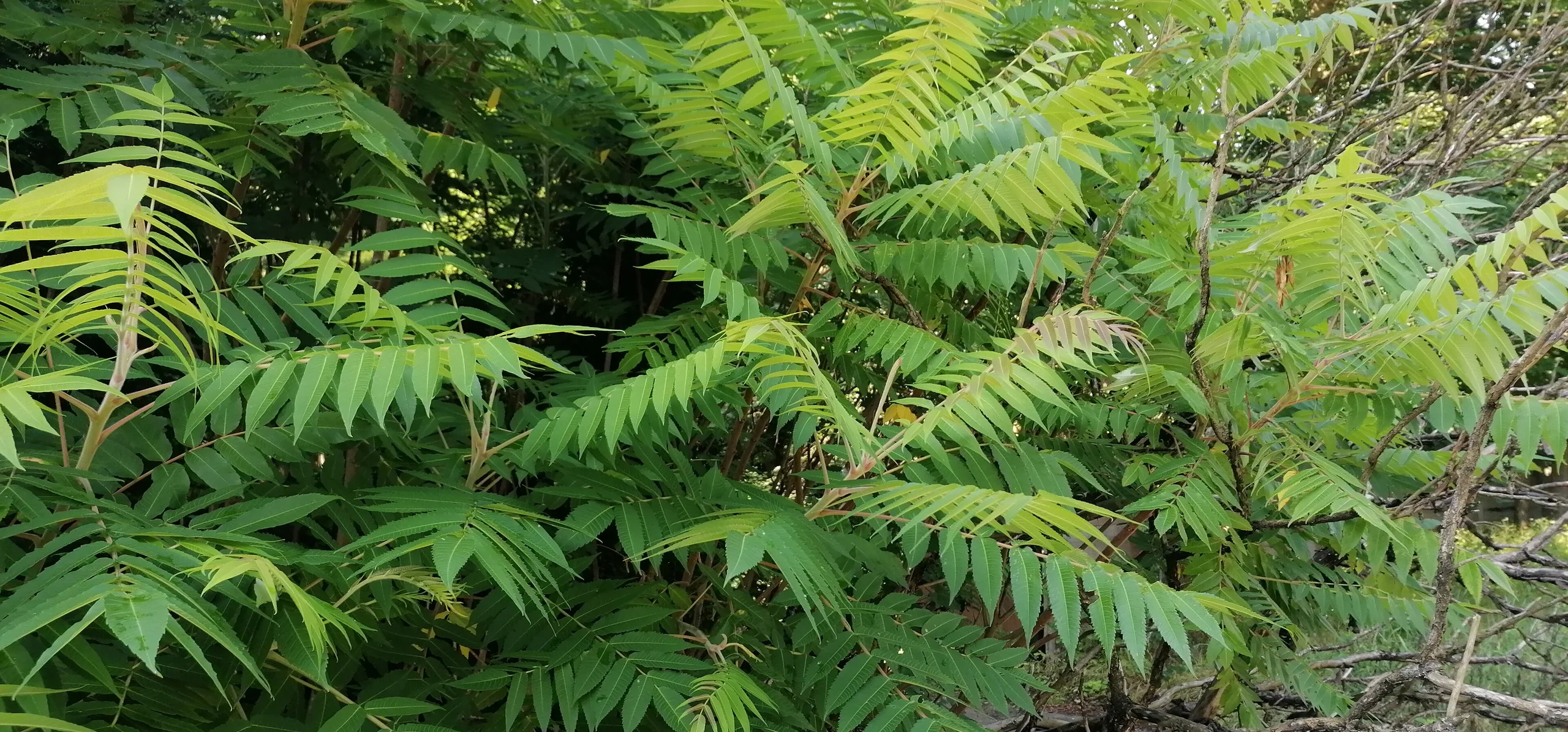
Rhus typhina announces itself before you even identify the leaves: young branches are covered in a dense, reddish-brown fuzz that genuinely looks like velvet on a deer's antler, which is exactly where the name staghorn sumac comes from. It grows fast, tolerates neglect, and by its third or fourth year sends up root suckers well beyond the original planting hole, so the main decision with this shrub is not whether it will grow, but how much ground you are willing to let it take. Give it full sun and poor, well-drained soil and it rewards you with fern-like compound leaves, crimson fruit spikes that stand through winter, and some of the most reliable fall colour of any native North American shrub.
Not to Be Confused With Poison Sumac
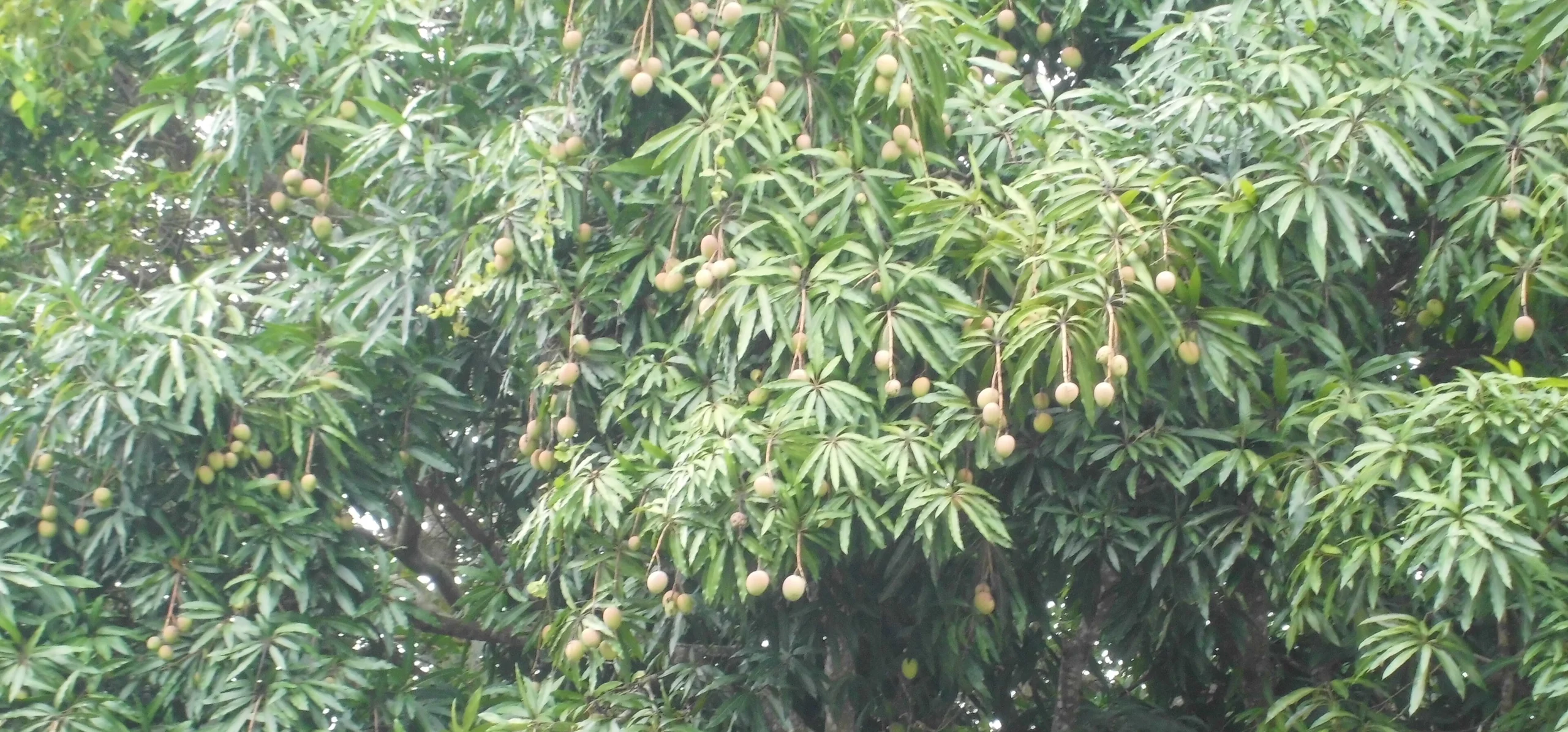
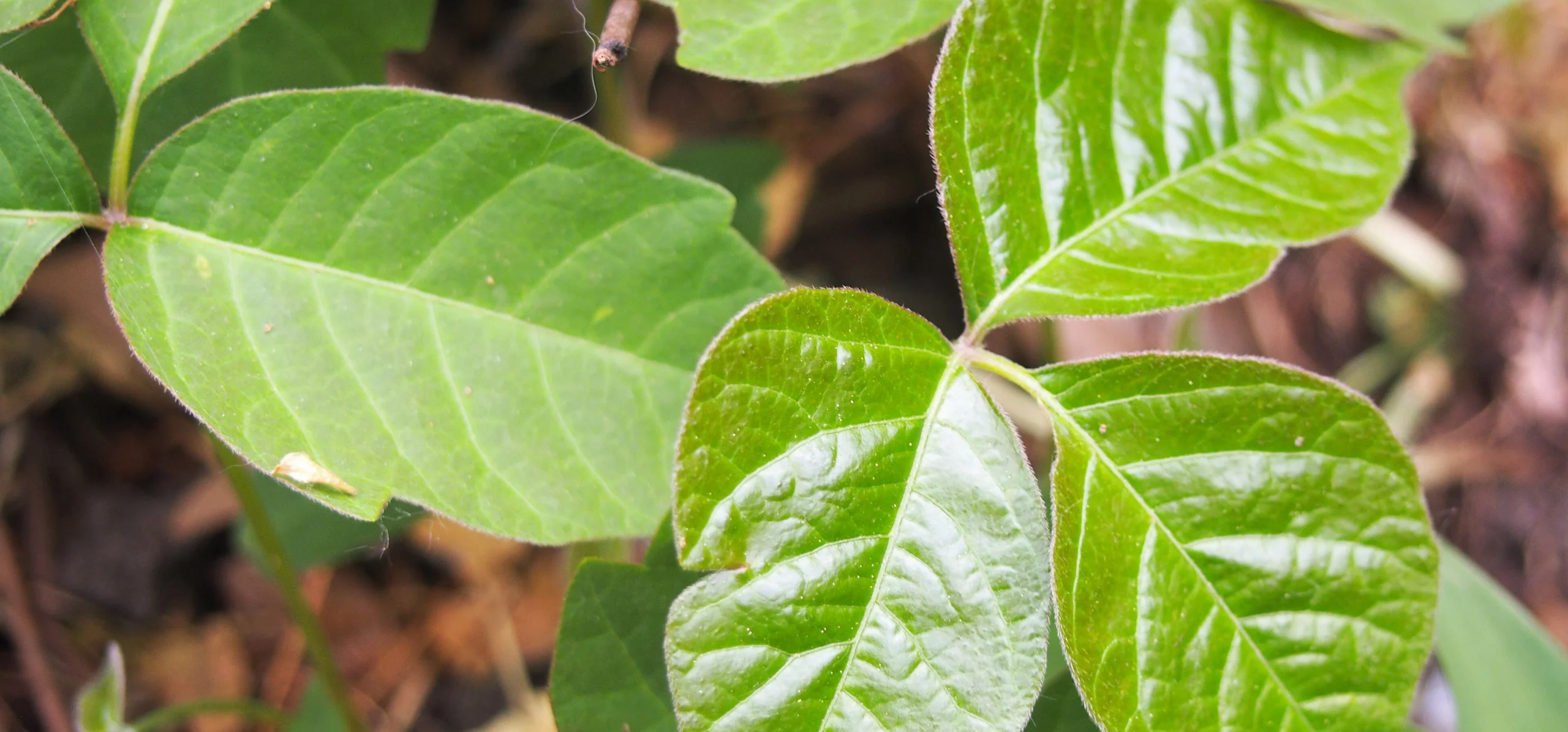
The single most useful thing to know before you plant this shrub is what it is not. Staghorn sumac belongs to the genus Rhus, in the Anacardiaceae family, the same family as cashew and mango. Poison sumac, a wetland plant that causes the same severe rash as poison ivy, was reclassified decades ago into the genus Toxicodendron and is a different plant entirely. The two are easy to tell apart once you know what to look for: staghorn sumac carries upright, cone-shaped clusters of fuzzy crimson fruit that persist through winter, while poison sumac carries loose, drooping clusters of smooth, whitish-gray berries. NC State Extension lists Rhus typhina as not poisonous, and it produces none of the urushiol oil responsible for poison ivy and poison sumac rashes, so pruning it bare-handed carries no risk beyond the usual scratches from a woody shrub.
Origin, Hardiness and Site Selection
Staghorn sumac is native to eastern Canada and the north-central to eastern United States, where it colonizes forest edges, roadsides and dry, disturbed ground rather than rich woodland soil. That native habitat explains its two defining traits: exceptional cold hardiness, down to USDA zone 3, and a strong preference for poor, sunny sites over cultivated garden beds. Give it full sun, at least six hours of direct light a day; in shade it stretches, thins out and produces far less of the fall colour and fruiting display it is grown for. It tolerates exposed, windy positions and disturbed, marginal ground, which is why NC State Extension lists it for erosion control on slopes and naturalized plantings rather than as a refined border shrub.
Soil and Planting
This is one of the few ornamental shrubs that genuinely prefers poor soil. The RHS lists it as tolerant of chalk, clay, loam and sand and across acid, neutral or alkaline pH, and NC State Extension notes it thrives in shallow, rocky ground with sharp drainage, generally in acidic soil below pH 6. The one condition it will not forgive is standing water: plant it on a slope, a raised bed, or anywhere runoff drains away quickly, never in a low spot that stays wet after rain. Set new plants at the same depth they sat in the pot, water in well, and skip the enriched planting hole, since improved soil encourages the same soft, over-vigorous growth that makes the suckering habit worse.
Watering and Drought Tolerance
Water a newly planted sumac deeply once a week for its first growing season while the roots establish in the surrounding soil.
How often to water your Staghorn Sumac
After that, treat it as a genuinely drought-tolerant shrub: NC State Extension rates it as resistant to drought once established, and established plants rarely need supplemental watering outside of extended dry spells. If anything, overwatering is the bigger risk here, since the roots that shrug off drought so well have no tolerance at all for sitting in saturated soil for more than a few days.
Managing the Suckers
This is the section that determines whether you enjoy growing staghorn sumac or regret planting it. Both RHS and NC State Extension describe the same behaviour: the shrub spreads by root suckers and can form dense colonies if left unchecked. Mow or cut off unwanted suckers at ground level as soon as they appear rather than pulling them, since a severed root often responds by throwing up two or three new shoots instead of one. A physical root barrier around the planting area is the only long-term fix if you want the fruiting silhouette without the thicket; short of that, plan for an annual patrol with loppers each spring. In a naturalized area, hedgerow or slope planting, let it run and it earns its keep as erosion control and wildlife cover instead of a maintenance chore.
Pruning
Staghorn sumac is RHS pruning group 7, the same category as smoke bush and colourful-stemmed dogwoods: shrubs that respond to hard, regular cutting back with vigorous new growth and oversized foliage rather than resenting it. In late winter or early spring, before the leaves emerge, remove dead, damaged or crossing branches on an established plant, and if you want a smaller, denser shrub with bolder leaves, take the whole framework back to a low stool every few years. Left unpruned, it grows into a more open, irregular, candelabra-like small tree, which is the better choice if you specifically want the crimson winter fruit spikes, since hard stooling sacrifices that structure for a season or more. Avoid pruning in summer, when cuts bleed a sticky, resinous sap and take longer to callus over.
Fall Colour, Fruit and the Sumac-Ade Tradition
Staghorn sumac's compound, fern-like leaves turn brilliant shades of orange, red and burgundy in autumn, and the display holds up even on younger plants still developing their mature shape. Female plants follow the summer's greenish-yellow flower panicles with dense, upright, cone-shaped clusters of crimson, hairy fruit that stay on the branches through winter, when little else in the garden offers colour or forage. NC State Extension notes that these fuzzy drupes carry a tart, lemony coating of ascorbic acid and are traditionally soaked in cold water and strained into a tart drink sometimes called sumac-ade. Ring-necked pheasant, bobwhite quail and wild turkey feed on the fruit through winter, native bees visit the flowers, and the foliage serves as a larval host plant for the luna moth and spring azure butterfly.
Pests, Diseases and Common Mistakes
Staghorn sumac is largely trouble-free. NC State Extension lists armored scale, aphids and various caterpillars as occasional insect problems, none of them usually serious enough to need treatment on an established plant. The most common mistake is planting it in a small, tidy border and then being surprised when it suckers into the lawn or a neighbouring bed within a few seasons; this is a plant for naturalized areas, slopes, hedgerows and erosion control, not a foundation planting next to a patio. The second common mistake is confusing the harmless sap of Rhus typhina with that of its relatives: it never needs the caution you would give poison ivy or poison sumac, and confirming any unfamiliar look-alike against its whitish, drooping fruit clusters is the quickest way to tell the two apart before assuming the worst.


Test your plant knowledge
Tap a card to flip it and reveal the answer.
Staghorn sumac's fuzzy stems carry the same urushiol oil that makes poison ivy and poison sumac dangerous. Tap to reveal ✕ False
Staghorn sumac spreads by underground root suckers and can form dense colonies if left unmanaged. Tap to reveal ✓ True
This shrub needs consistently moist, fertile soil to thrive. Tap to reveal ✕ False
Staghorn sumac shares the same RHS pruning group as smoke bush and colourful-stemmed dogwoods. Tap to reveal ✓ True
The crimson fruit clusters that persist through winter provide food for game birds like pheasant and quail. Tap to reveal ✓ True
Sources
References consulted for this guide
- GBIF Backbone Taxonomy: Rhus typhina L.gbif.org
- POWO (Kew): Rhus typhina L.powo.science.kew.org
- Missouri Botanical Garden Plant Finder: Rhus typhinamissouribotanicalgarden.org
- RHS: Rhus typhina (stag's horn sumach)rhs.org.uk
- NC State Extension Gardener Plant Toolbox: Rhus typhinaplants.ces.ncsu.edu
- Reference entity : Wikipédiaen.wikipedia.org