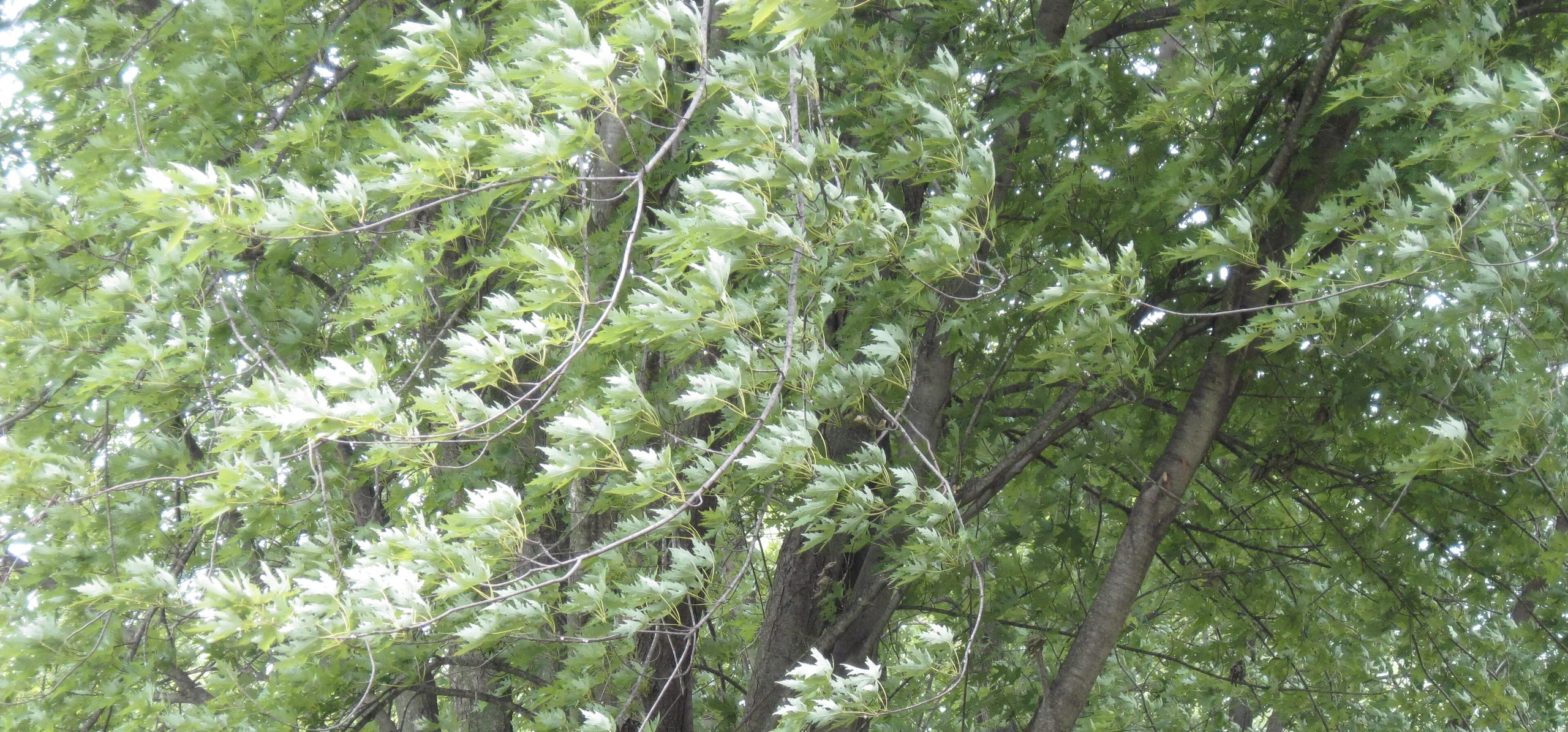
Silver Maple
Acer saccharinum
Family · Sapindaceae
Silver maple grows fast in wet or dry soil, but its weak wood snaps in storms and its shallow roots can reach for pipes, so site and pruning matter.
Acer saccharinum
Plant profile
- WateringHighWater every 7 days
- Light exposurePartial sun
- Hardiness zoneUSDA 3–9
Growth
- Family
- Sapindaceae
- Life cycle
- Perennial
- Growth speed
- 8/10
- Mature size
- 1500–2400 cm
- Spread
- 1200–1800 cm
- Propagation
- Seed
- Grafting
FloweringSmall reddish flowers in late winter before the leaves; samaras ripen and fall in late spring
Dormancydeciduous, bare in winter
Time to maturity10 to 20 years to full size
Soil & climate
- Soil types
- clay, loam, sand, rocky
- Drought tolerance
- Yes
Light & Placement
- Origin
- SE Canada to north-central and eastern United States
- Where to place it
- open lawn well away from structures and pipes
- streamside or floodplain edge
- wide side yard with room for a mature spread
Safety
- Toxicity
- Not listed by the ASPCA as toxic to cats, dogs or horses
- Pet safe
- No
Data fromGBIF Backbone Taxonomy: Acer saccharinumPlants of the World Online (Kew): Acer sNC State Extension Gardener Plant ToolboRHS: Acer saccharinum
Where it grows
World distribution
Silver Maple is native to 2 countries: Canada and United States.GBIF records 102,577 documented identifications across 58 countries, with the largest concentrations in United States, Germany, and Canada.
- Canada
- United States
Yellow to orange dots: concentration of documented identifications per country. Green countries: sourced native range. Source: GBIFNative range from POWO (Kew).
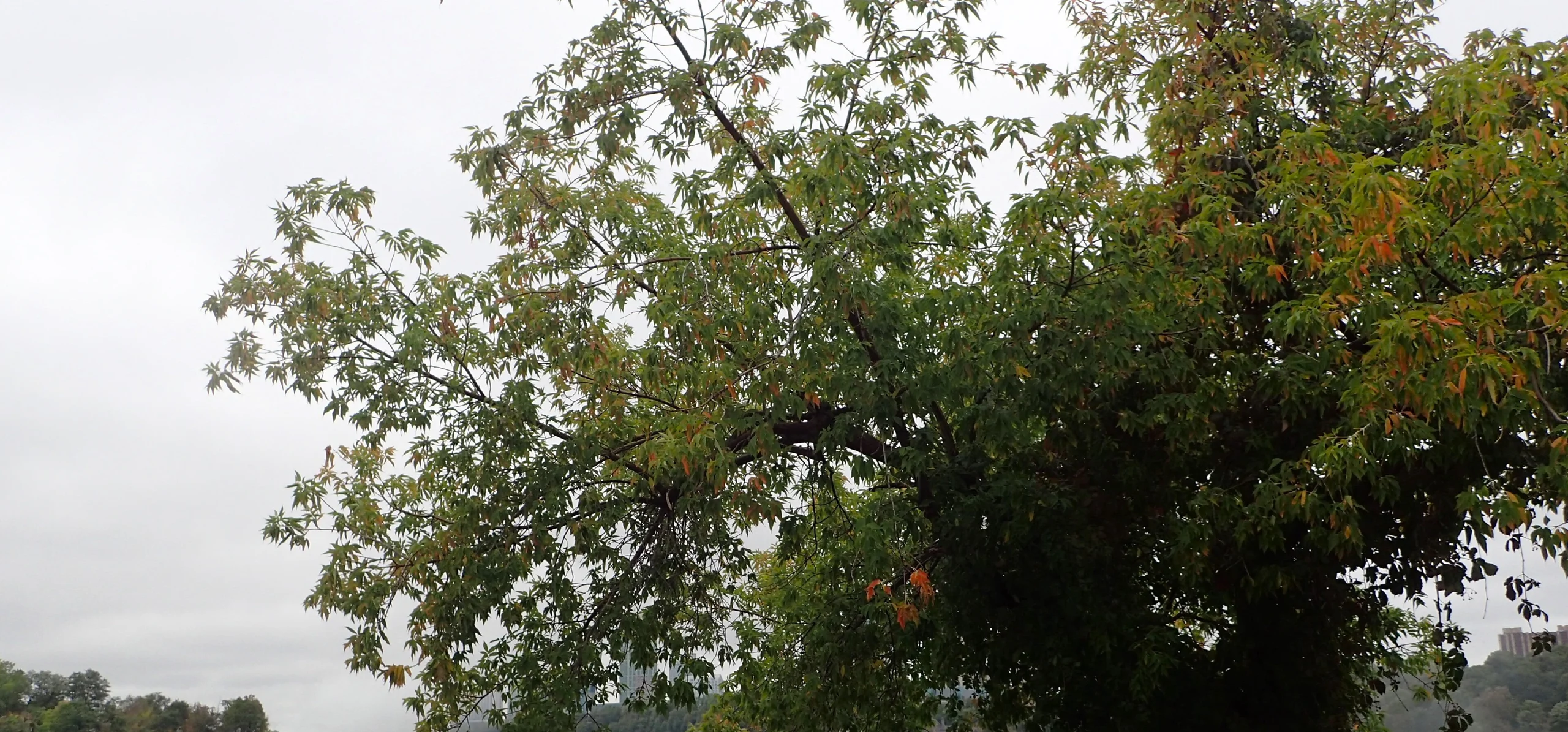
A silver maple (Acer saccharinum) on a property is usually either a volunteer that seeded itself from a nearby tree or a fast shade tree planted decades ago that has since outgrown the yard around it. It is one of the quickest-growing shade trees in North America, but that speed comes from soft, weak wood that splits in storms and shallow, aggressive roots that heave into pipes and foundations. Before deciding whether to keep, prune, or remove one, it helps to know what sets this species apart from the maples sold as garden ornamentals: a five-lobed leaf with a silvery underside, a taste for wet ground, and a habit of flowering and dropping seed months before most other maples even leaf out.
A Fast-Growing Native of River Floodplains
Plants of the World Online lists the native range of Acer saccharinum as SE Canada to N Central and E U.S.A. In the wild it grows along riverbanks and in floodplains, tolerating periodic flooding and heavy, poorly drained soil that would kill most other trees; North Carolina State Extension notes it "will grow in poor acidic wet soils where other trees won't." That floodplain origin explains both its strengths, rapid growth and adaptability to difficult sites, and its main weakness, since a tree built to grow fast in soft river silt does not put much energy into dense, storm-resistant wood.
Reading the Leaf: Telling Silver Maple from Its Relatives
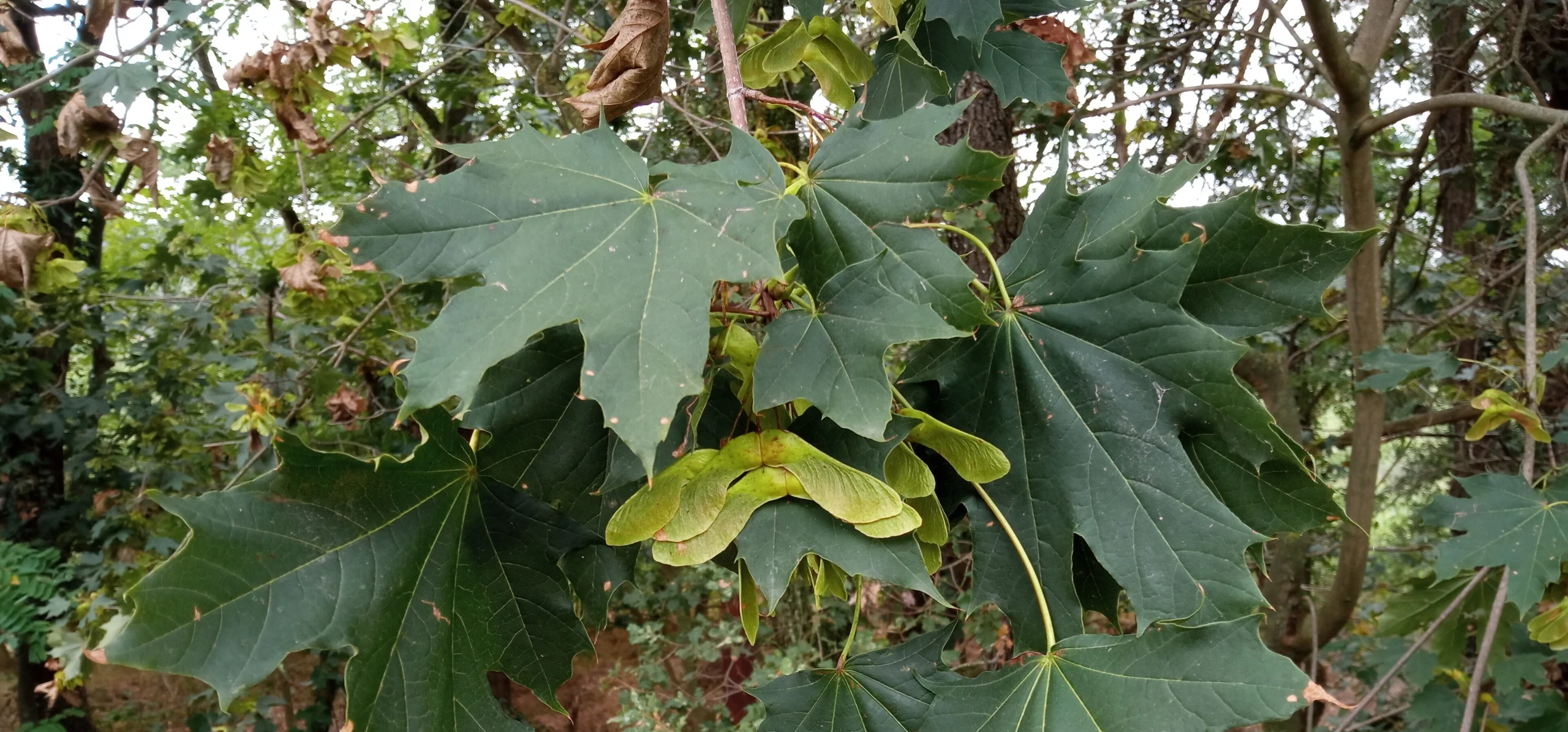
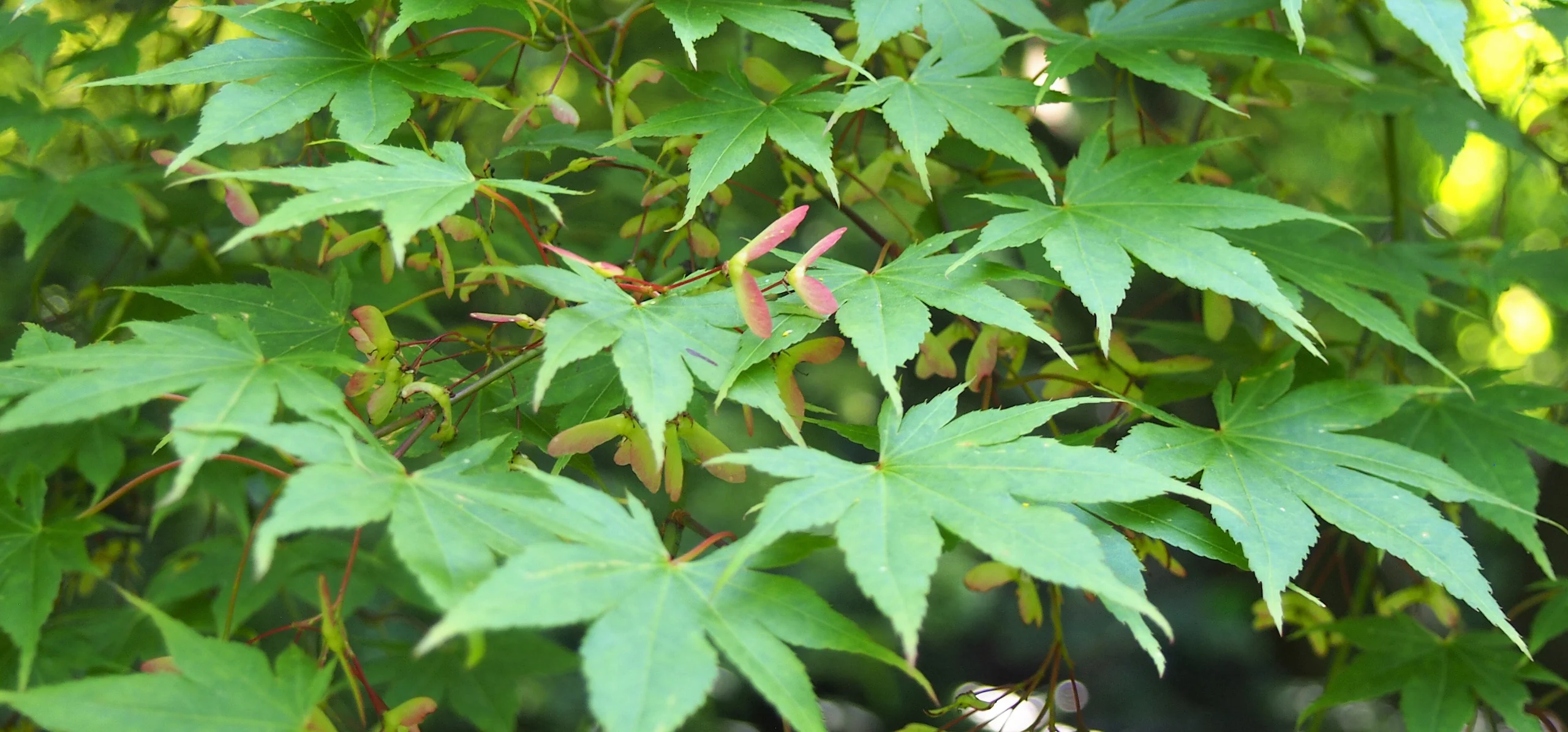
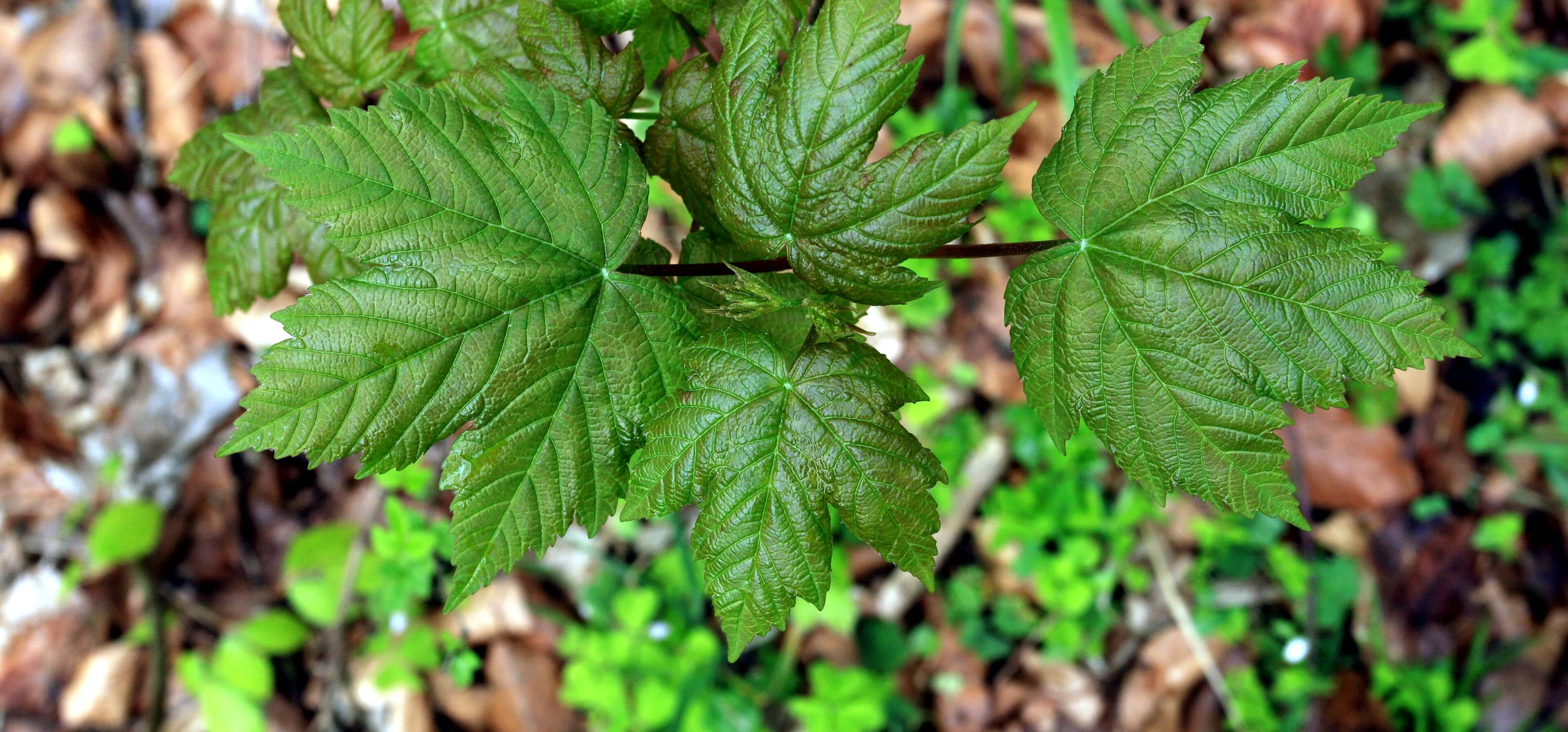
The species name comes from the underside of the leaf: each five-lobed blade is cut deeply and sharply between the lobes, almost to the midrib, and flashes silvery-white when the wind turns it over, a trait Norway maple and sugar maple do not share. Autumn colour is a modest pale yellow rather than the crimson of red maple (Acer rubrum), and the paired winged seeds, or samaras, are larger than those of most other maples and set at a wide angle from each other. If a tree on your property fits this description but you are unsure, check the bark too: a mature silver maple develops long, loosely attached grey plates that peel at the edges, distinct from the tighter, furrowed bark of sugar maple.
Choosing, or Managing, a Planting Site
North Carolina State Extension records mature dimensions of roughly 15 to 24 m tall and 12 to 18 m wide, so a young tree needs far more room than its nursery pot suggests. Keep it well clear of the house, driveway, and septic or water lines: the same shallow roots that let it tap floodplain water tables will lift pavement and seek out any leaking pipe. RHS growing notes list full sun to partial shade with shelter from strong wind as the preferred position, which matters because an exposed, wind-battered site accelerates the limb breakage this species is already prone to.


Soil and Water: Wide Tolerance, One Real Limit
Few shade trees handle as broad a range of soil as silver maple. North Carolina State Extension lists tolerance for clay, loam, sand and shallow rocky soil, and for pH from acidic to alkaline, with good performance from occasional flooding to periods of dryness once the tree is established. The condition it does not forgive well is a young tree left to dry out in its first two seasons, before the root system reaches deeper, more reliable moisture. A new planting benefits from a deep, infrequent soak through its first two summers and a mulch ring kept clear of the trunk; after that it is largely self-sufficient except in prolonged drought.
Pruning for Storm Safety, Not Just Shape
Structural pruning matters more for this species than for almost any other common shade tree, because RHS and North Carolina State Extension both describe the wood as weak and prone to breaking under storm loads or heavy snow. Start early: a young tree trained to one dominant leader and well-spaced main branches, rather than the multiple co-dominant trunks it tends to produce on its own, is far less likely to split apart once mature. On an established tree, remove crossing, narrow-angled or crowded limbs in late winter while it is dormant, and have any large deadwood or overextended limb taken down by a professional before a storm does it for you.
Pests and Diseases
A healthy, well-sited silver maple has no serious insect or disease problems, but RHS and North Carolina State Extension both flag the same recurring issues: verticillium wilt and canker on stressed trees, anthracnose in wet springs, and the acer gall mite, which raises small reddish bumps on the leaf surface without seriously harming the tree. Scale insects, aphids and borers show up occasionally, usually on trees already weakened by drought, root damage or storm wounds, which is another reason good structural pruning and a stable growing site matter more than routine spraying.
Flowering and Seed: Ahead of the Rest of Spring
Silver maple flowers unusually early, often in late winter before the leaves emerge, and the small reddish flowers are wind-pollinated rather than showy. The winged samaras that follow ripen and fall within weeks, in late spring, months ahead of the autumn seed drop typical of most other maples; that head start is part of why silver maple seeds so readily into ditches, fence lines and neglected corners of a garden. Gardeners wanting a specific form propagate by grafting, since seedlings vary and named selections will not come true; species trees are grown from the freshly fallen seed itself, which germinates best sown right away rather than stored.
Test your plant knowledge
Tap a card to flip it and reveal the answer.
Silver maple's leaf underside turns silvery-white when the wind turns it over. Tap to reveal ✓ True
Silver maple is one of the slowest-growing shade trees. Tap to reveal ✕ False
Silver maple wood is strong and rarely breaks in storms. Tap to reveal ✕ False
Silver maple tolerates a wide range of soils, including wet floodplain ground. Tap to reveal ✓ True
The ASPCA lists silver maple as toxic to horses. Tap to reveal ✕ False
Sources
References consulted for this guide
- GBIF Backbone Taxonomy: Acer saccharinum L.gbif.org
- Plants of the World Online (Kew): Acer saccharinum L.powo.science.kew.org
- NC State Extension Gardener Plant Toolbox: Acer saccharinumplants.ces.ncsu.edu
- RHS: Acer saccharinumrhs.org.uk
- Reference entity : Wikipédiaen.wikipedia.org