Japanese Maple
Acer palmatum
Family · Sapindaceae
Site a Japanese maple out of hot afternoon sun and wind, keep it evenly moist, and prune only in late autumn or winter to avoid heavy sap bleeding.
Acer palmatum
Plant profile
- WateringModerateWater every 7 days
- Light exposurePartial sun
- Hardiness zoneUSDA 5–8
Growth
- Family
- Sapindaceae
- Life cycle
- Perennial
- Growth speed
- 3/10
- Mature size
- 400–800 cm
- Spread
- 400–800 cm
- Flowering
- Small reddish purple flowers in mid-spring, followed by winged samaras
- Propagation
- Cutting
- Grafting
Dormancydeciduous, bare in winter
Time to maturity10 to 20 years to ultimate size
Soil & climate
- Soil types
- loam, sand, clay, chalk
- Drought tolerance
- No
Light & Placement
- Origin
- Korea and Japan
- Where to place it
- sheltered specimen site out of strong wind
- woodland garden margin with dappled shade
- spot with afternoon shade in hot climates
- large container for a patio specimen or bonsai, moved to shelter in harsh winters
Safety
- Toxicity
- Not evaluated by the ASPCA; toxicity undetermined
- Pet safe
- No
Data fromGBIF Backbone Taxonomy: Acer palmatum ThPlants of the World Online (Kew): Acer pMissouri Botanical Garden Plant Finder: RHS: Acer palmatum
Where it grows
World distribution
Japanese Maple is native to 2 countries: Japan and South Korea.GBIF records 25,094 documented identifications across 51 countries, with the largest concentrations in Japan, United States, and South Korea.
- Japan
- South Korea
Yellow to orange dots: concentration of documented identifications per country. Green countries: sourced native range. Source: GBIFNative range from POWO (Kew).
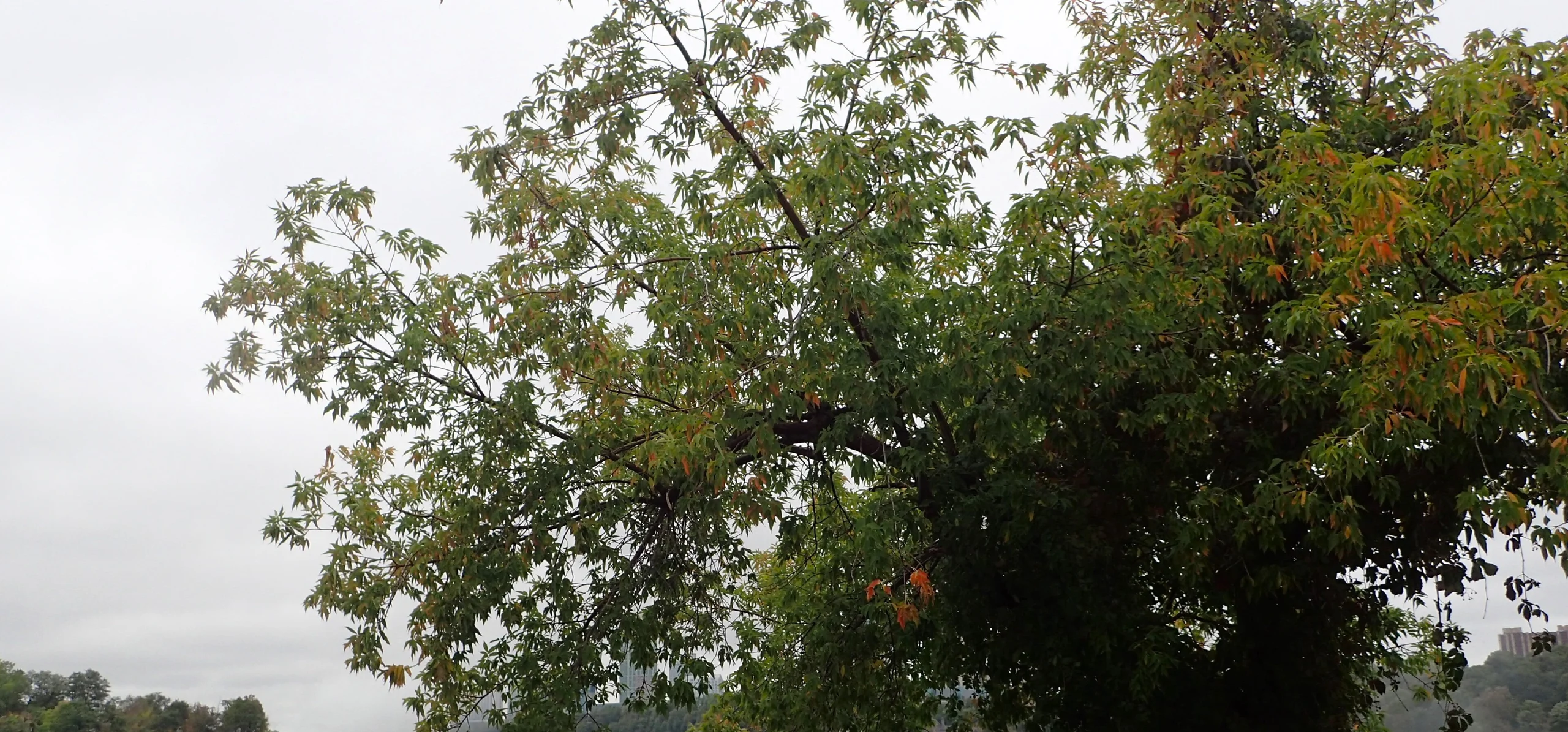
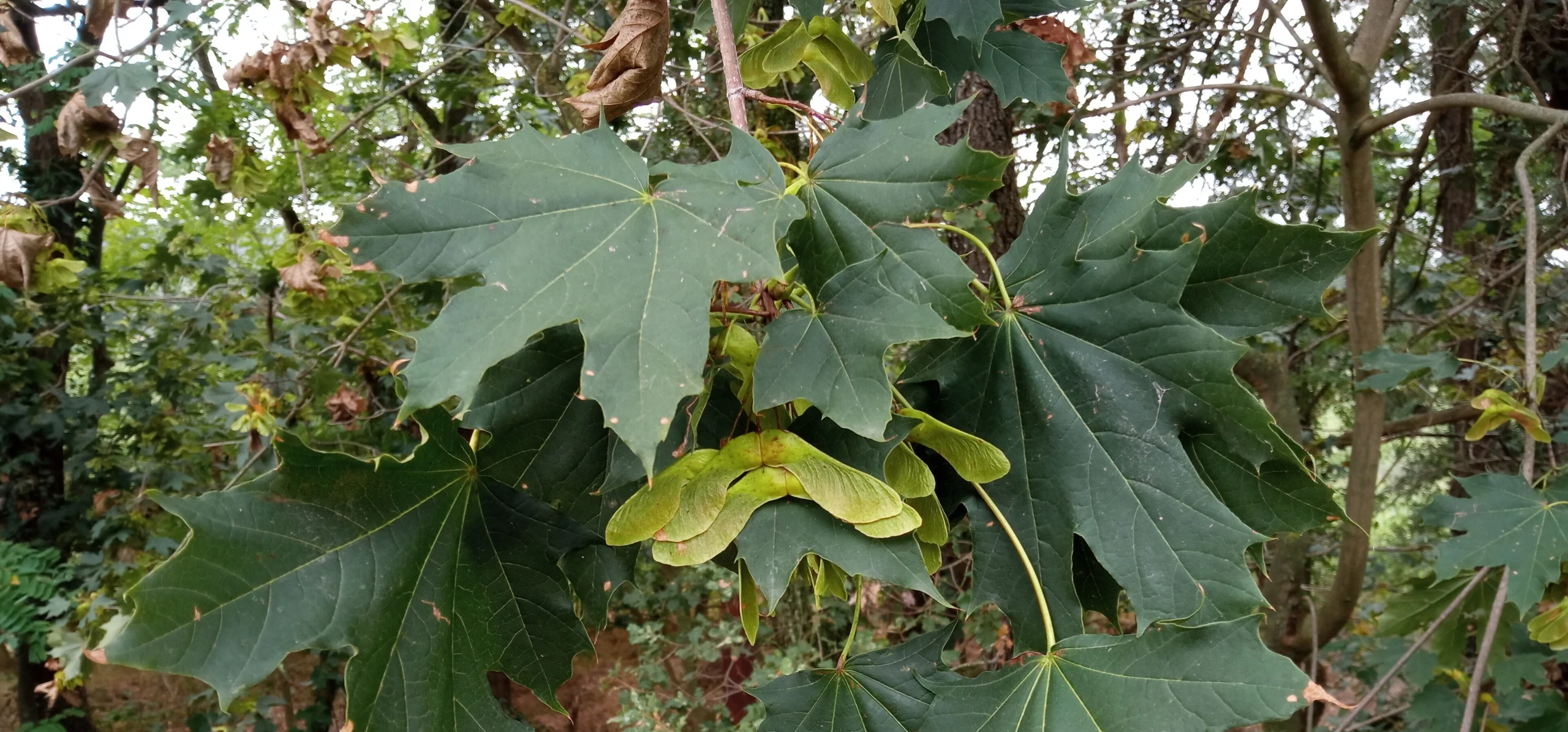
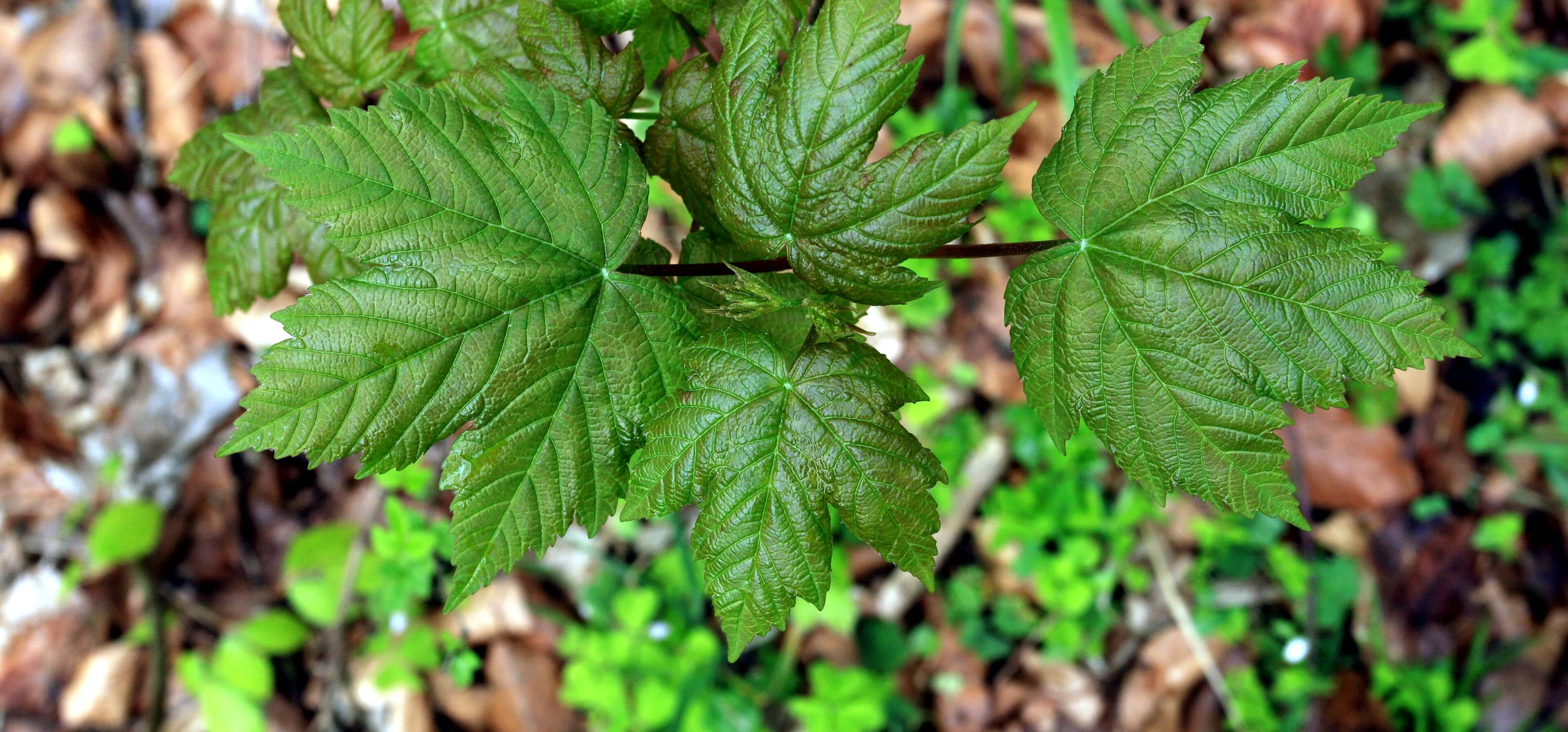
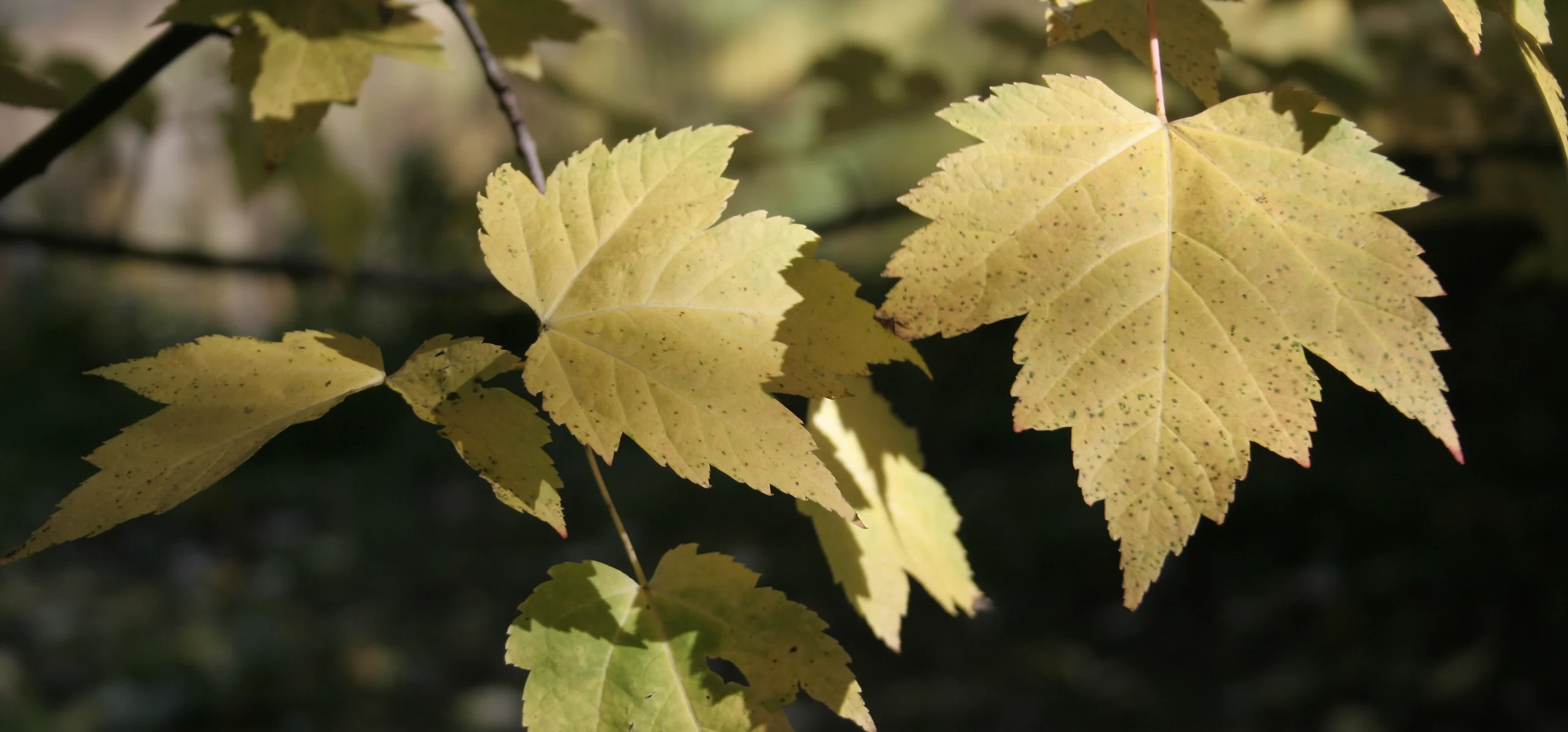
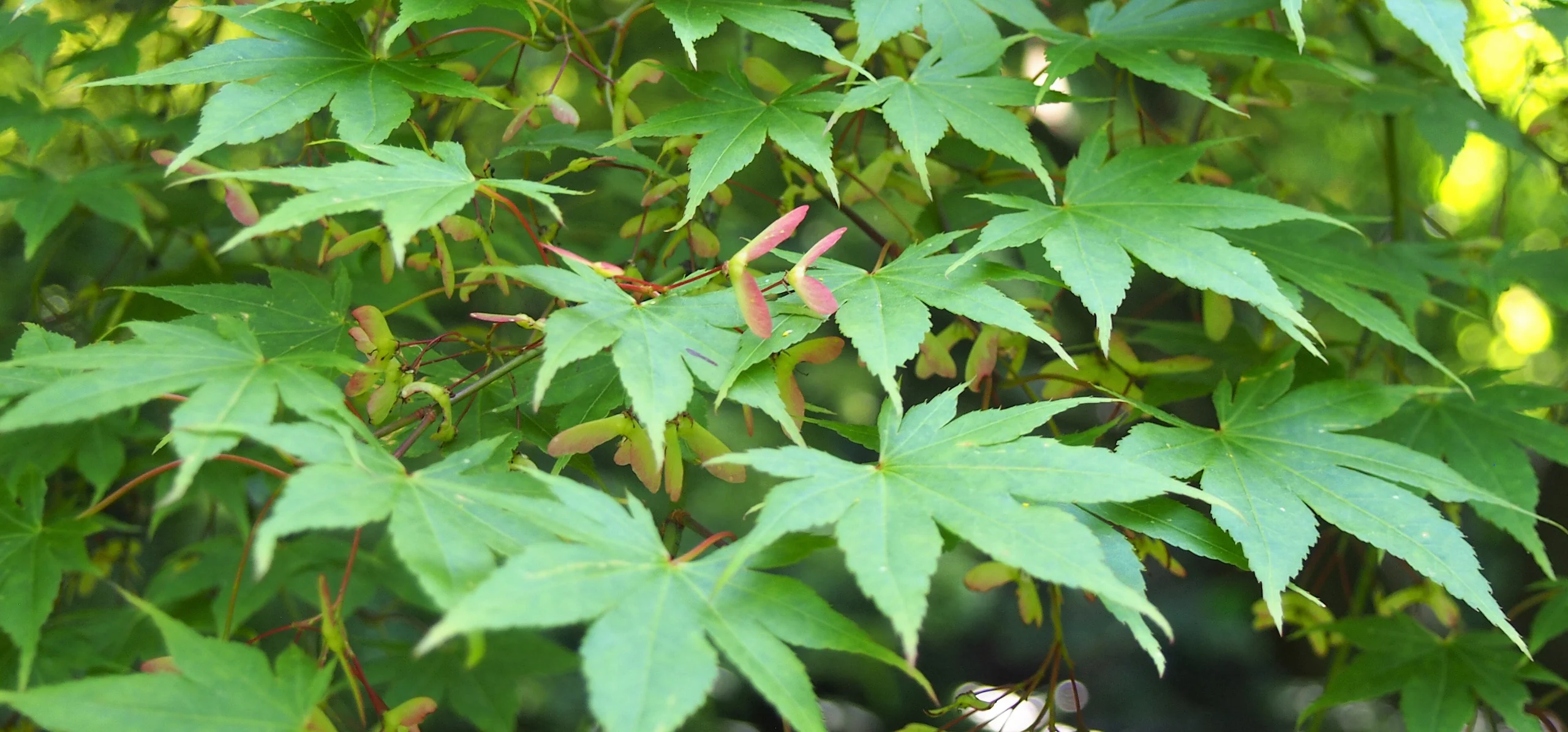
A Japanese maple (Acer palmatum) is bought for one thing: the shape of its leaf. Each palmate blade splits into five to seven pointed lobes, turning gold, crimson or bronze in autumn, on a small deciduous tree that eventually reaches 4 to 8 metres tall and wide. It asks for very little once settled, but it is unforgiving about three things: hot dry sun, standing water and pruning cuts made at the wrong time of year.
Choosing a Cultivar for Your Site
The species itself grows into a rounded small tree, but almost every plant sold in a nursery is a named cultivar grafted onto seedling rootstock, and the size range across cultivars is enormous. A dwarf, finely dissected form bred for a container or rock garden may stay under a couple of metres for decades, while an unpruned species tree or a vigorous upright cultivar will eventually fill the full 4 to 8 metre spread the species is capable of. Check the mature height and spread on the plant label before choosing a spot: a Japanese maple planted where it will one day meet a wall or a path is a mistake that only shows up years later.
Light and Placement
Japanese maple takes full sun or partial shade. Leaf colour develops best with some shade during the day, and in hot summer areas the new foliage can scorch in full sun, particularly if the soil is not kept consistently moist. In cooler, northern climates full sun is usually fine; further south, afternoon shade protects the leaf margins from browning. Pick a site sheltered from strong, drying wind as well: an exposed spot undoes the benefit of correct light and moisture.
Soil and Planting
This species tolerates a wide range of soil, including chalk, clay, loam and sand, provided it drains well and stays reliably moist rather than waterlogged or bone dry. It grows best in soil that is organically rich and slightly acidic to neutral; very alkaline soil can bring on chlorosis, a yellowing between the leaf veins. Work compost into the planting hole, keep the root flare at soil level rather than buried, and lay a 5 to 8 cm mulch ring out to the edge of the canopy, kept clear of the trunk, to hold moisture and keep roots cool through summer.
Watering
Water need is medium: regular during the first couple of growing seasons while roots establish, and enough afterward that the soil never dries out completely, especially on a full-sun site or in a container. A Japanese maple in a pot dries faster than one in open ground and needs checking more often in summer heat. Consistent moisture matters as much for leaf appearance as for the tree's health, since drought stress combined with sun is the most common cause of scorched, brown-edged foliage.


Winter Hardiness and Spring Frost
Japanese maple is reliably hardy across USDA zones 5 to 8, and rated H6 by the RHS, meaning it tolerates winter minimums down to about -20°C without protection. Cold itself is rarely the problem. The tree leafs out early in spring, and that fresh new foliage is vulnerable to a late frost that a hardier, later-leafing tree would shrug off. Avoid planting in a frost pocket at the base of a slope, and if a late frost is forecast just after leaf-out, a light fleece cover overnight protects the soft new growth.
Pruning: Timing Prevents Bleeding
Keep pruning to a minimum, since this species heals slowly and every cut is an entry point for disease. When shaping or removing dead wood is necessary, do it in late autumn to midwinter while the tree is fully dormant. Pruning in spring or summer, once sap is rising, often causes significant bleeding from the cuts, which weakens the tree and looks alarming even when it is not fatal. A light annual removal of crossing or dead branches in winter beats a heavier cut made in the growing season.
Pests and Diseases
Aphids, scale and mites are the most common visitors, along with borers, bagworms and root weevils in some regions; the RHS also lists the acer gall mite, which raises small red-green bumps on the leaf surface without seriously harming the tree. More serious are the fungal and soil-borne problems: leaf spot, anthracnose, botrytis, stem canker, verticillium wilt, honey fungus and root rot, most of which take hold in poorly drained soil or on a stressed tree. Good drainage, a mulch layer and the correct pruning season are the main defences; a tree kept in a permanently soggy container or bed is the one most likely to develop root rot or wilt.
Flowers, Fruit and Autumn Colour
The flowers are small, reddish purple and carried in clusters in mid-spring; they are pleasant seen up close but not showy from a distance, so this is not a tree grown for bloom. They are followed by paired winged seeds, or samaras, that ripen from green to red or brown by early autumn. The real display comes afterward, when the palmate leaves turn shades of yellow, red-purple and bronze before falling, the payoff for the light shade and steady moisture the tree has been given all season.
Test your plant knowledge
Tap a card to flip it and reveal the answer.
Japanese maple flowers are large and showy. Tap to reveal ✕ False
Pruning a Japanese maple in spring or early summer can cause heavy sap bleeding. Tap to reveal ✓ True
Freshly unfurled Japanese maple leaves can be damaged by a late spring frost. Tap to reveal ✓ True
The ASPCA lists Japanese maple as toxic to cats and dogs. Tap to reveal ✕ False
Japanese maple only grows well in acidic soil and fails on chalk or clay. Tap to reveal ✕ False
Sources
References consulted for this guide
- GBIF Backbone Taxonomy: Acer palmatum Thunb.gbif.org
- Plants of the World Online (Kew): Acer palmatum Thunb.powo.science.kew.org
- Missouri Botanical Garden Plant Finder: Acer palmatummissouribotanicalgarden.org
- RHS: Acer palmatumrhs.org.uk
- Reference entity : Wikipédiaen.wikipedia.org