Box Elder
Acer negundo
Family · Sapindaceae
Acer negundo (box elder) grows fast in wet or dry soil and sun to part shade, but its brittle wood breaks in storms and compound leaves confuse new gardeners.
Acer negundo
Plant profile
- WateringModerateWater every 10 days
- Light exposurePartial sun
- Hardiness zoneUSDA 3–9
Growth
- Family
- Sapindaceae
- Life cycle
- Perennial
- Growth speed
- 8/10
- Mature size
- 900–1500 cm
- Spread
- 900–1500 cm
- Propagation
- Seed
- Cutting
FloweringSmall greenish yellow flowers in early spring, followed by winged samaras on female trees
Dormancydeciduous, bare in winter
Time to maturityFast to reach full size; shorter-lived than most maples
Soil & climate
- Soil types
- clay, loam, sand
- Drought tolerance
- Yes
Light & Placement
- Origin
- North America to Honduras
- Where to place it
- streambank or floodplain planting
- shelterbelt or windbreak row
- disturbed or reclaimed urban site
Safety
- Toxicity
- Not evaluated by the ASPCA; toxicity undetermined
- Pet safe
- No
Invasive speciesNaturalised and considered invasive along river floodplains in parts of Europe; check local rules before planting.
Data fromGBIF Backbone Taxonomy: Acer negundo L.Plants of the World Online (Kew): Acer nMissouri Botanical Garden Plant Finder: NC State Extension Gardener Plant ToolboUniversity of Minnesota Extension: Boxel
Where it grows
World distribution
Box Elder is native to 5 countries: Canada, Guatemala, Honduras, Mexico, and United States.GBIF records 270,386 documented identifications across 84 countries, with the largest concentrations in United States, Germany, and France.
- Canada
- Guatemala
- Honduras
- Mexico
- United States
Yellow to orange dots: concentration of documented identifications per country. Green countries: sourced native range. Source: GBIFNative range from POWO (Kew).
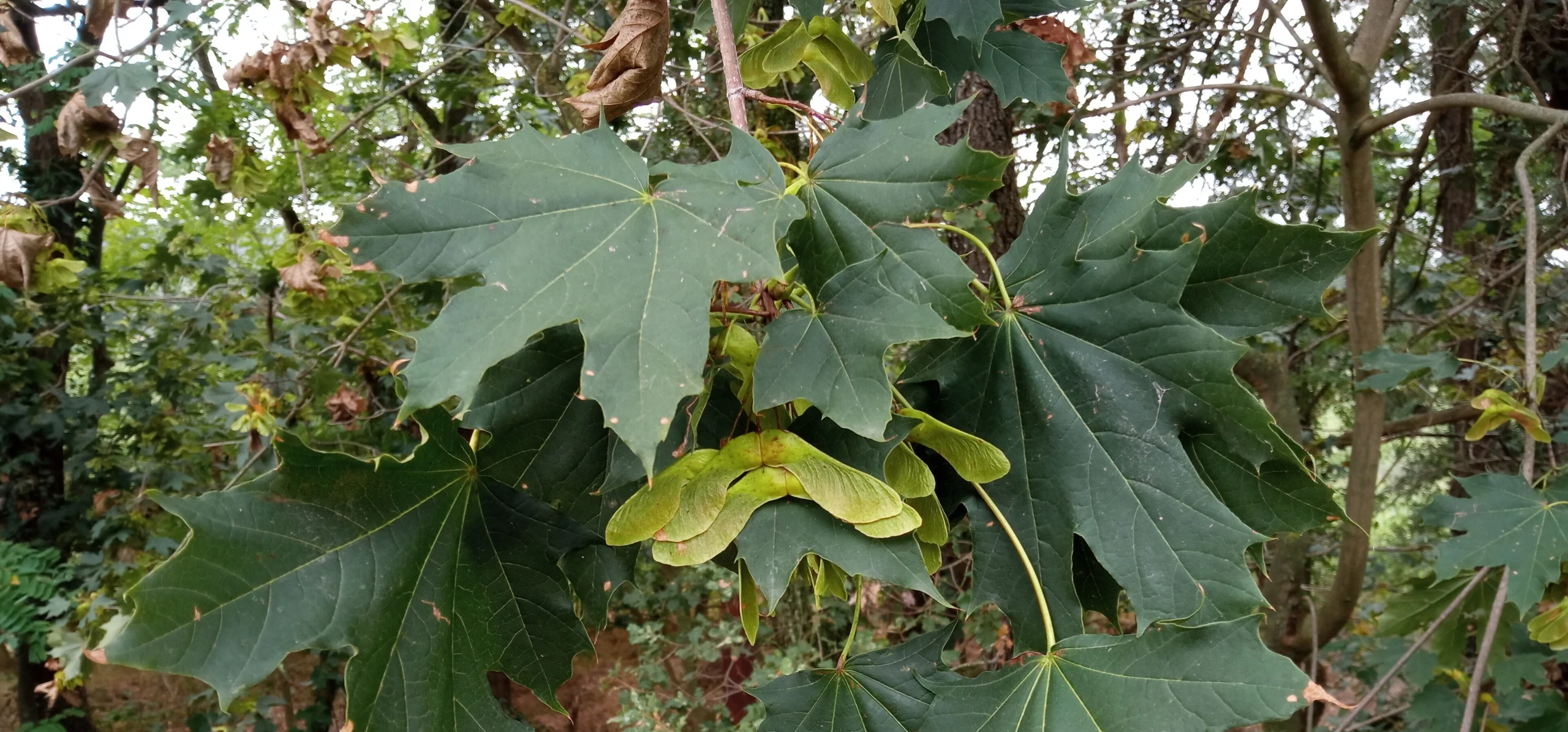
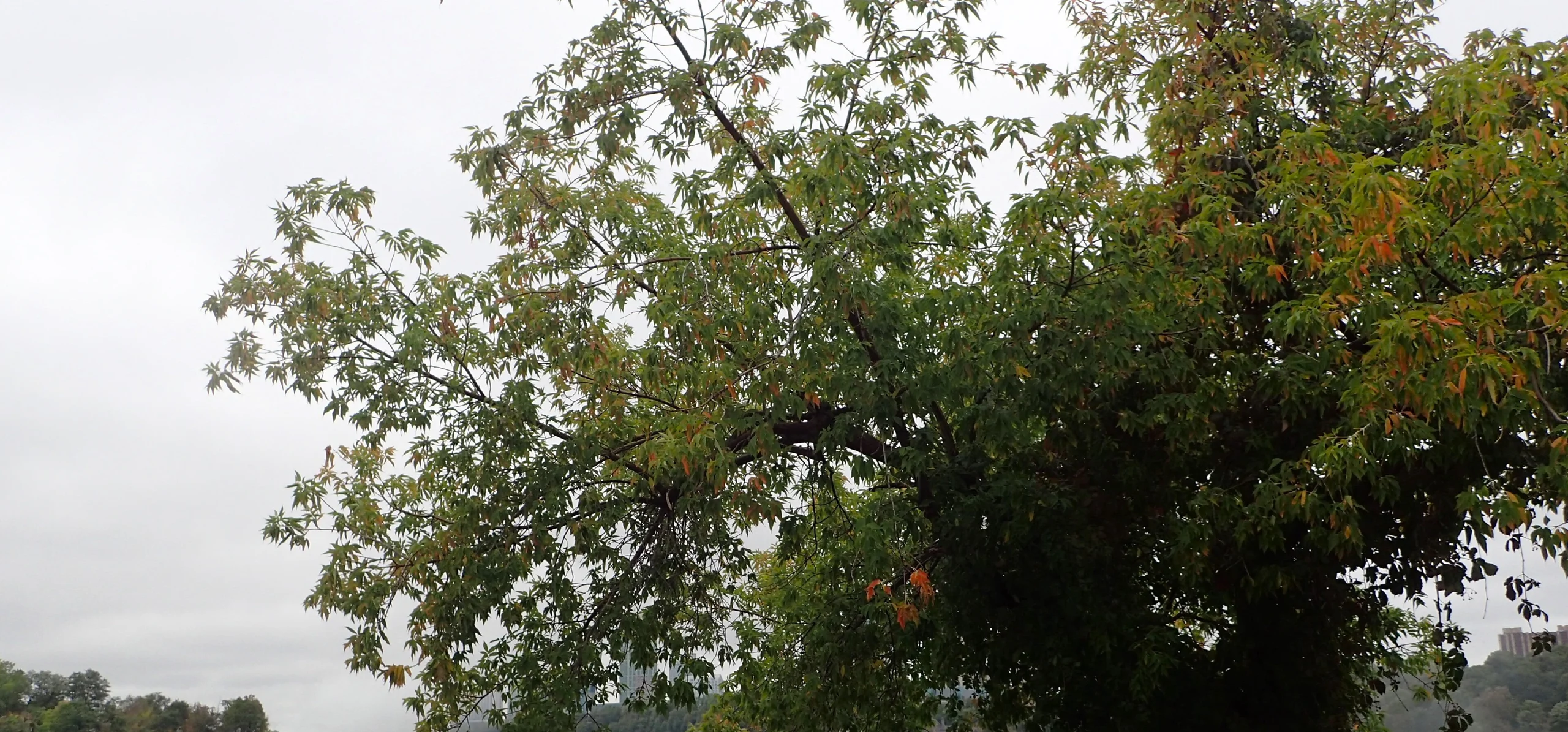
If the tree in your yard has bright green leaves made of three to seven pointed leaflets instead of a single lobed maple leaf, it is almost certainly Acer negundo, box elder. It is a genuine maple, the only one native to North America with compound leaves, and it earns its reputation two ways at once: it will grow in soil that kills most other trees, and it drops branches, self-seeds and attracts boxelder bugs with equal enthusiasm. Knowing what you are dealing with before you plant, prune or remove one saves a lot of surprise later.
A Maple That Does Not Look Like a Maple
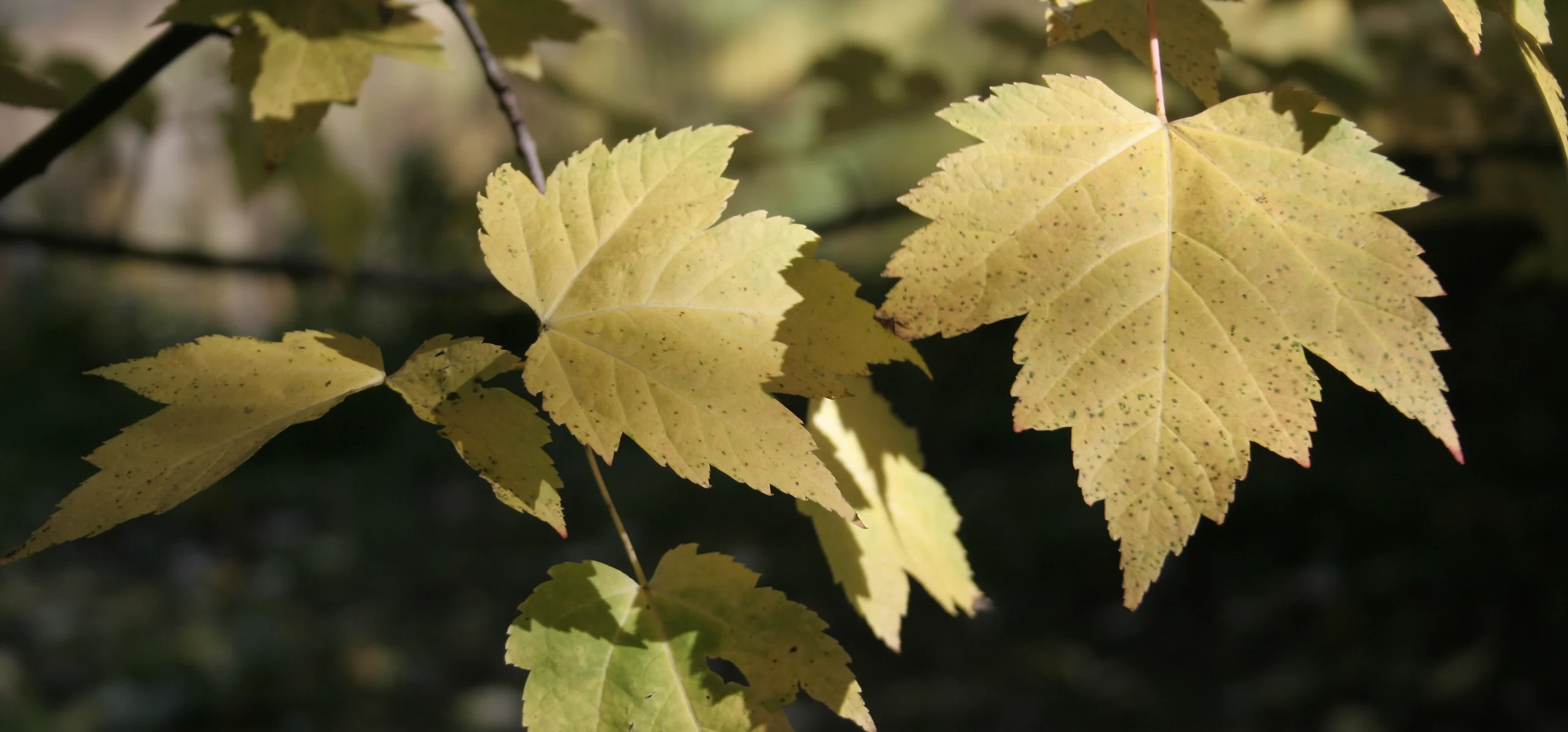
Box elder is dioecious, meaning a given tree is either male or female, never both, so a female growing near a male will seed itself into every disturbed patch of ground nearby. The opposite, odd-pinnate leaves carry three to five toothed leaflets on most trees, occasionally seven, and turn a plain yellow or brown in autumn rather than the fiery red of a sugar maple. Small, greenish yellow flowers open on bare branches in early spring, well before the leaves, and only the female trees follow with the paired winged samaras that hang in dense clusters and persist on the branches well into winter, feeding birds and squirrels when little else is available.
Native Range, Site and Soil
Box elder is native across North America, from Canada down through the United States into Mexico and Honduras, and it has naturalised so widely elsewhere that many gardeners assume it is native wherever they find it. In the wild it colonises river floodplains, streambanks and lakeshores, which explains its comfort with soil that floods occasionally. Give it full sun to light shade and almost any soil, clay, loam or sand, acidic or alkaline, and it will take hold; it is one of the few trees that tolerates both standing water after heavy rain and a dry, compacted site on the edge of a parking lot.
Watering and Establishment
A newly planted box elder needs a deep soak once or twice a week through its first summer while roots spread into the surrounding soil. After that it largely takes care of itself: established trees are drought tolerant and rarely need supplemental water outside of a prolonged dry spell, though a tree on a floodplain site will happily sit with wet feet for days without harm. The mistake to avoid is treating a young tree like a drought-proof one before its roots are established, a dry first summer stunts growth and thins the canopy for years afterward.
How often to water your Box Elder
Fast Growth, Weak Wood
Box elder earns its keep as a shelterbelt and street tree in harsh, exposed sites precisely because it grows fast and shrugs off cold and drought. That same speed produces soft, brittle wood, and mature trees regularly lose large limbs in wind or ice storms with no warning. Prune while the tree is young to establish a single leader and well-spaced scaffold branches rather than the multiple co-dominant stems it tends to form on its own, and keep an eye on older wood for the cavities and trunk decay that follow storm wounds. A box elder planted near a house or driveway needs more structural pruning over its life than most trees its size, not less.
Boxelder Bugs and Other Problems
The boxelder bug, a black insect with red-orange markings, is named for this tree because it feeds almost exclusively on box elder seeds and foliage, then gathers by the hundreds on sun-warmed trunks and walls in autumn looking for a place to overwinter. The bugs rarely damage a healthy tree seriously, and removing female seed-bearing trees nearby is the most reliable way to reduce a heavy infestation. Beyond the bugs, box elder is also short-lived compared with other maples and prone to trunk decay, verticillium wilt and various leaf spot fungi, most of which take hold on a stressed or storm-damaged tree rather than a vigorous one.
Self-Seeding and Weedy Spread
A single female tree produces enormous numbers of samaras, and box elder seedlings come up readily in fence rows, gutters, flower beds and any patch of disturbed, sunny ground nearby. Outside its native range, particularly along European river valleys, box elder has spread widely enough to be treated as an invasive species that displaces native floodplain trees and is difficult and costly to control once established. If you are keeping a box elder rather than removing a volunteer one, plan on pulling seedlings every year and think twice before planting a female tree close to a garden bed or waterway.
Cultivars and Landscape Uses
Straight species box elder is rarely sold at nurseries; named cultivars bred for ornamental foliage are the more common landscape choice. 'Flamingo' carries leaves edged in pink and white that fade to green through summer, and 'Variegatum' (sold as 'Argenteovariegatum') has leaflets margined in creamy white, both grown as smaller specimen trees rather than for the plain green species. Because male trees do not produce the messy seed drop, nurseries selling named cultivars typically propagate from male stock by grafting or cuttings. Box elder sap can also be tapped and boiled down for syrup much like sugar maple, though sap flow and sugar content vary considerably from tree to tree.


Test your plant knowledge
Tap a card to flip it and reveal the answer.
Box elder is the only maple native to North America with compound leaves instead of simple lobed ones. Tap to reveal ✓ True
A single box elder tree carries both male and female flowers. Tap to reveal ✕ False
Box elder samaras usually fall before winter begins. Tap to reveal ✕ False
The ASPCA lists box elder as toxic to cats and dogs. Tap to reveal ✕ False
Box elder's fast growth comes with soft, brittle wood that breaks easily in storms. Tap to reveal ✓ True
Sources
References consulted for this guide
- GBIF Backbone Taxonomy: Acer negundo L.gbif.org
- Plants of the World Online (Kew): Acer negundo L.powo.science.kew.org
- Missouri Botanical Garden Plant Finder: Acer negundomissouribotanicalgarden.org
- NC State Extension Gardener Plant Toolbox: Acer negundoplants.ces.ncsu.edu
- University of Minnesota Extension: Boxelderextension.umn.edu
- Reference entity : Wikipédiaen.wikipedia.org