Sycamore Maple
Acer pseudoplatanus
Family · Sapindaceae
Sycamore maple shrugs off wind, salt, and poor soil but self-seeds hard, gets tar spot and honeydew, and its fallen seeds can poison grazing horses.
Acer pseudoplatanus
Plant profile
- WateringModerateWater every 10 days
- Light exposurePartial sun
- Hardiness zoneUSDA 4–7
Growth
- Family
- Sapindaceae
- Life cycle
- Perennial
- Growth speed
- 7/10
- Mature size
- 1200–3000 cm
- Flowering
- Yellow-green flowers in spring, winged seeds by autumn
- Propagation
- Seed
- Grafting
DormancyDeciduous, bare in winter
Time to maturityOver 50 years to reach full size
Soil & climate
- Soil types
- chalk, clay, loam, sand
- Saline soil
- Tolerated
- Drought tolerance
- Yes
Light & Placement
- Origin
- Europe to the western Caucasus
- Where to place it
- Open parkland
- Coastal shelterbelts
- Large gardens
Safety
- Toxicity
- Not ASPCA-listed; seeds and seedlings linked to atypical myopathy in horses
- Pet safe
- No
Invasive speciesRHS notes it can become weedy through prolific self-seeding; naturalized and locally invasive well beyond its native range, including North America, Australia, and New Zealand
Data fromGBIF: Acer pseudoplatanus L.Plants of the World Online (Kew): Acer pRHS: Acer pseudoplatanus (sycamore)RHS: Tar spot of mapleMissouri Botanical Garden Plant Finder:
Where it grows
World distribution
Sycamore Maple is native to 18 countries: Albania, Austria, Bulgaria, Croatia, Czechia, France, Germany, and Greece….GBIF records 1,343,994 documented identifications across 80 countries, with the largest concentrations in United Kingdom, France, and Germany.
- Albania
- Austria
- Bulgaria
- Croatia
- Czechia
- France
- Germany
- Greece
- Hungary
- Italy
- Poland
- Portugal
Show 6 more countriesShow fewer countries
- Romania
- Russia
- Spain
- Switzerland
- Türkiye
- Ukraine
Yellow to orange dots: concentration of documented identifications per country. Green countries: sourced native range. Source: GBIFNative range from POWO (Kew).
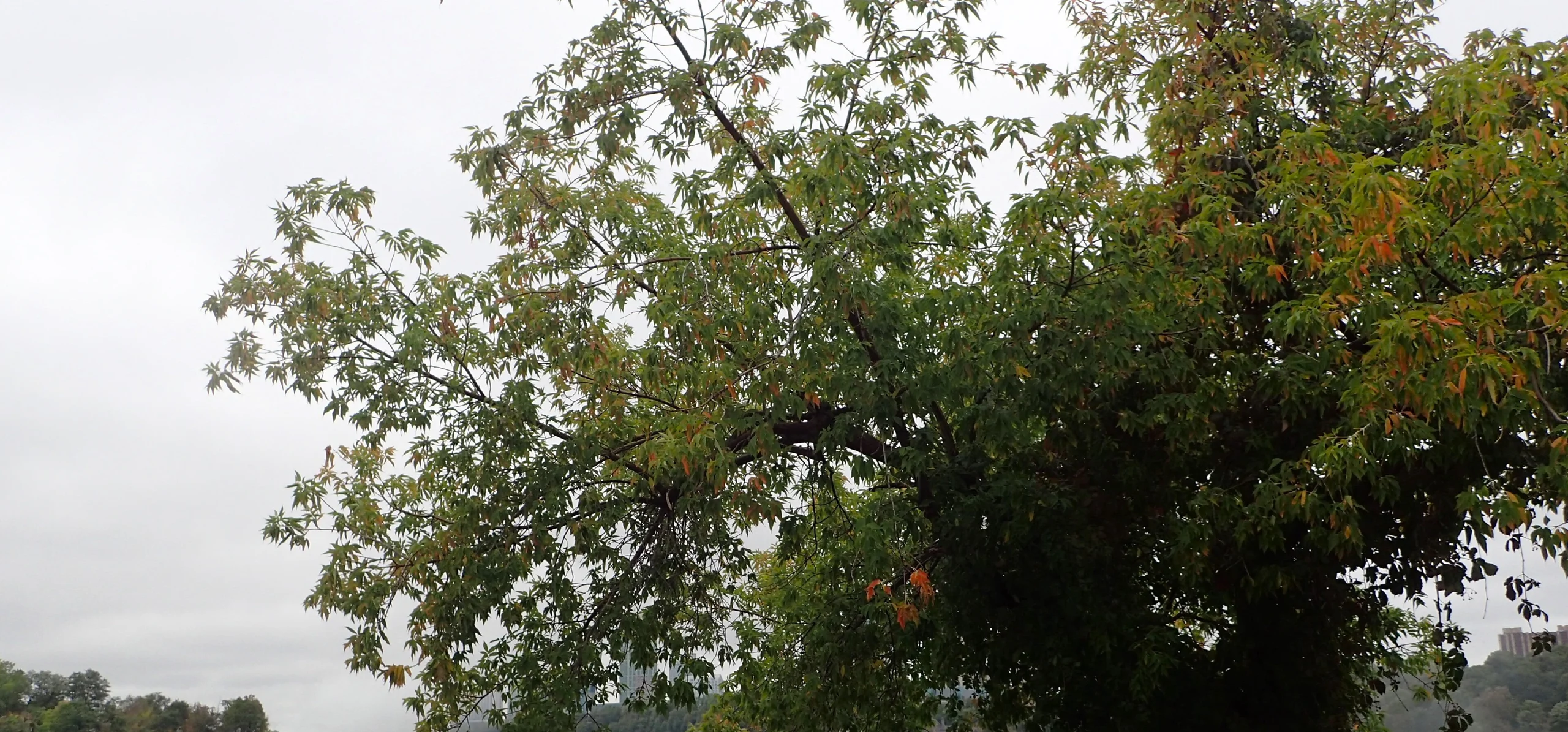
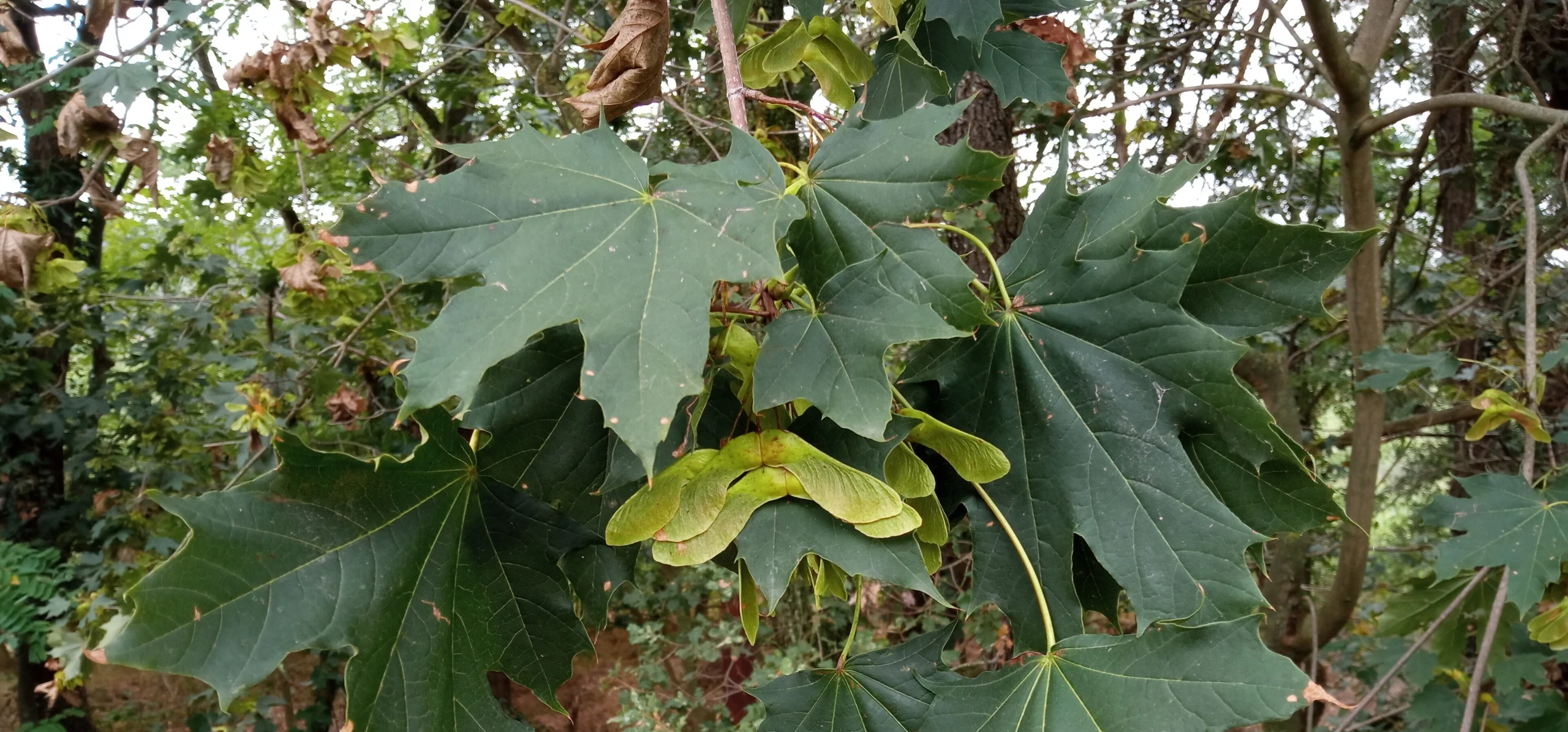
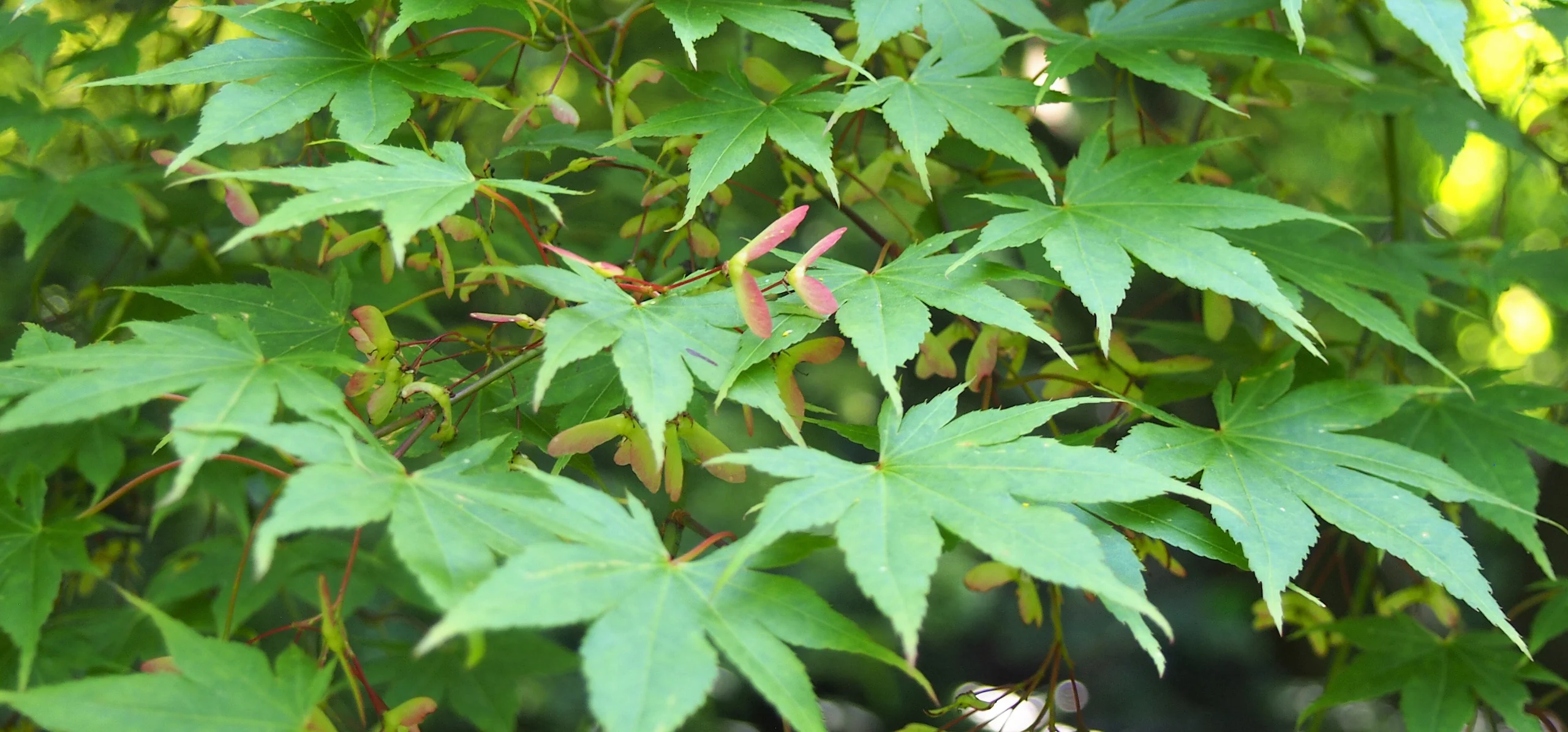
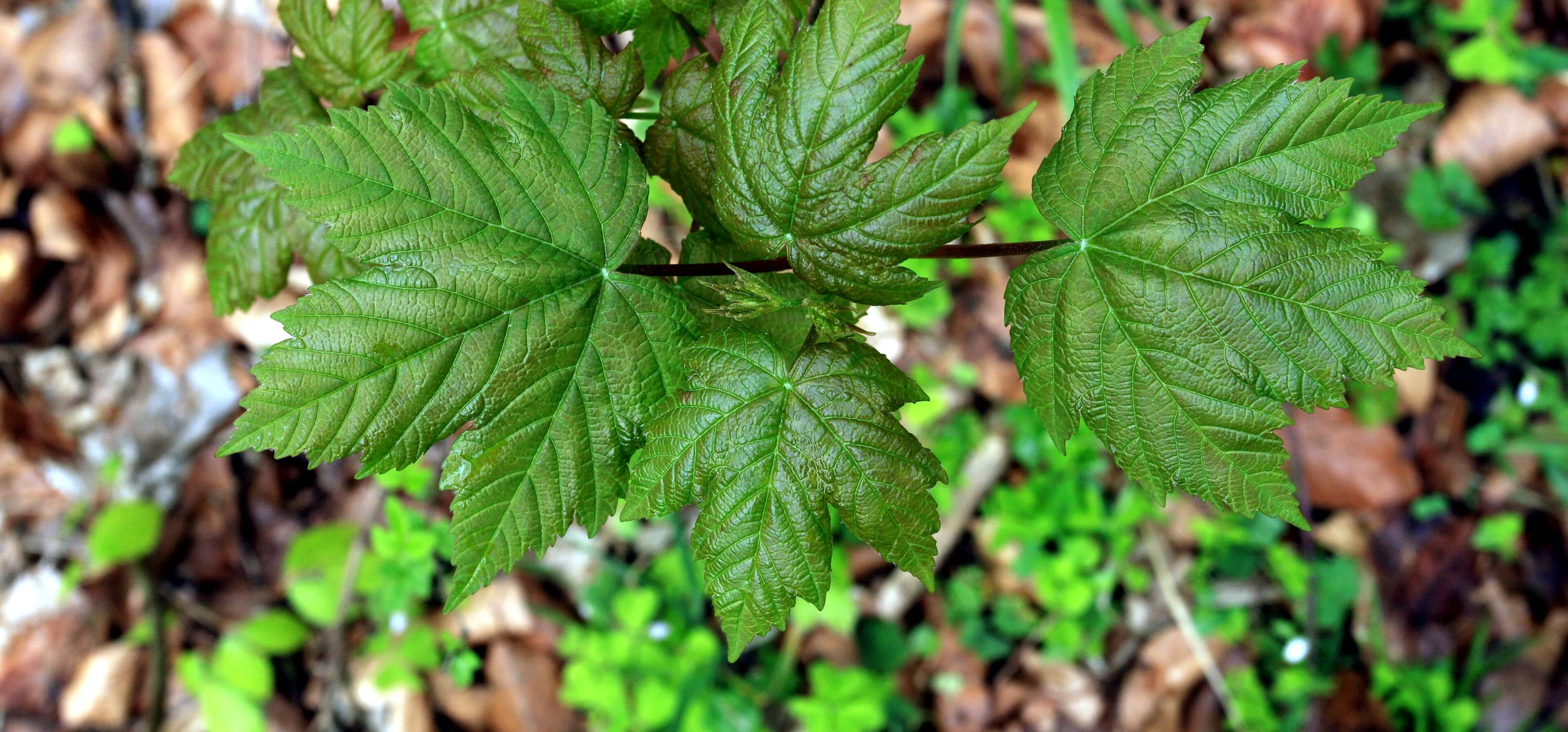
A young sycamore maple (Acer pseudoplatanus) grows fast, tolerates coastal wind and polluted city air better than almost any other broadleaf tree, and within a few decades turns into a broad, round-headed giant that can top 20 metres. It is native across most of continental Europe into the western Caucasus, but seeds so freely that it has naturalized well beyond that range, including the British Isles, North America, Australia, and New Zealand. The five-lobed leaves, paired winged seeds that spin down in autumn, and a habit of colonizing waste ground and hedgerows make it one of the easiest large trees to identify. It is also one of the least fussy: give it reasonable soil and enough space, and it asks for almost nothing else.
Where It Comes From and Why It Naturalizes So Easily
The species is native to Europe and west into the Caucasus, where it grows as a component tree in mixed mountain and lowland forests. Two traits explain why it has spread so far beyond that range: a single mature tree produces enormous numbers of winged seeds (samaras) that spin and glide well away from the parent, and the seedlings tolerate shade well enough to establish under an existing canopy, something few other fast-growing trees can do. The Royal Horticultural Society notes plainly that it "may become a weed in some situations," and outside Europe it is now established, and in places considered invasive, across parts of North America, Australia, and New Zealand. If a mature tree is already growing nearby, expect volunteer seedlings in beds, gutters, and lawn edges every spring.
Choosing a Site: A Tree for Ground Nothing Else Will Grow On
This is not a specimen for a small city garden. Left alone it reaches more than 12 m, commonly 20 to 30 m, with a broad, rounded crown that eventually needs 8 m or more of clearance on every side. Where it earns its keep is on the sites other trees reject: it tolerates full sun or partial shade, any aspect, and both exposed and sheltered positions. It also copes with a wide range of soils, some drought, and salt spray, which is why it is a standard choice for coastal shelterbelts and exposed farm boundaries where more delicate trees fail. Plant it well away from patios, driveways, and gutters, since aphid honeydew and dropped seed will make short work of anything parked or seated underneath.
Soil, Light, and Watering a Young Tree
Established trees rarely need help: they are deep-rooted and largely rely on rainfall. A newly planted tree is a different matter for its first two or three summers. Soak the root zone thoroughly once a week during dry spells rather than sprinkling little and often, and keep a mulch ring clear of the trunk to reduce competition from grass and weeds. Soil type matters far less than for most ornamental trees; chalk, clay, loam, and sand are all listed as suitable, and the tree copes with acid, neutral, or alkaline conditions alike. The one condition it dislikes is waterlogging, so avoid planting in a hollow that stays wet through winter.
How often to water your Sycamore Maple
Common but Mostly Cosmetic: Aphid Honeydew and Tar Spot
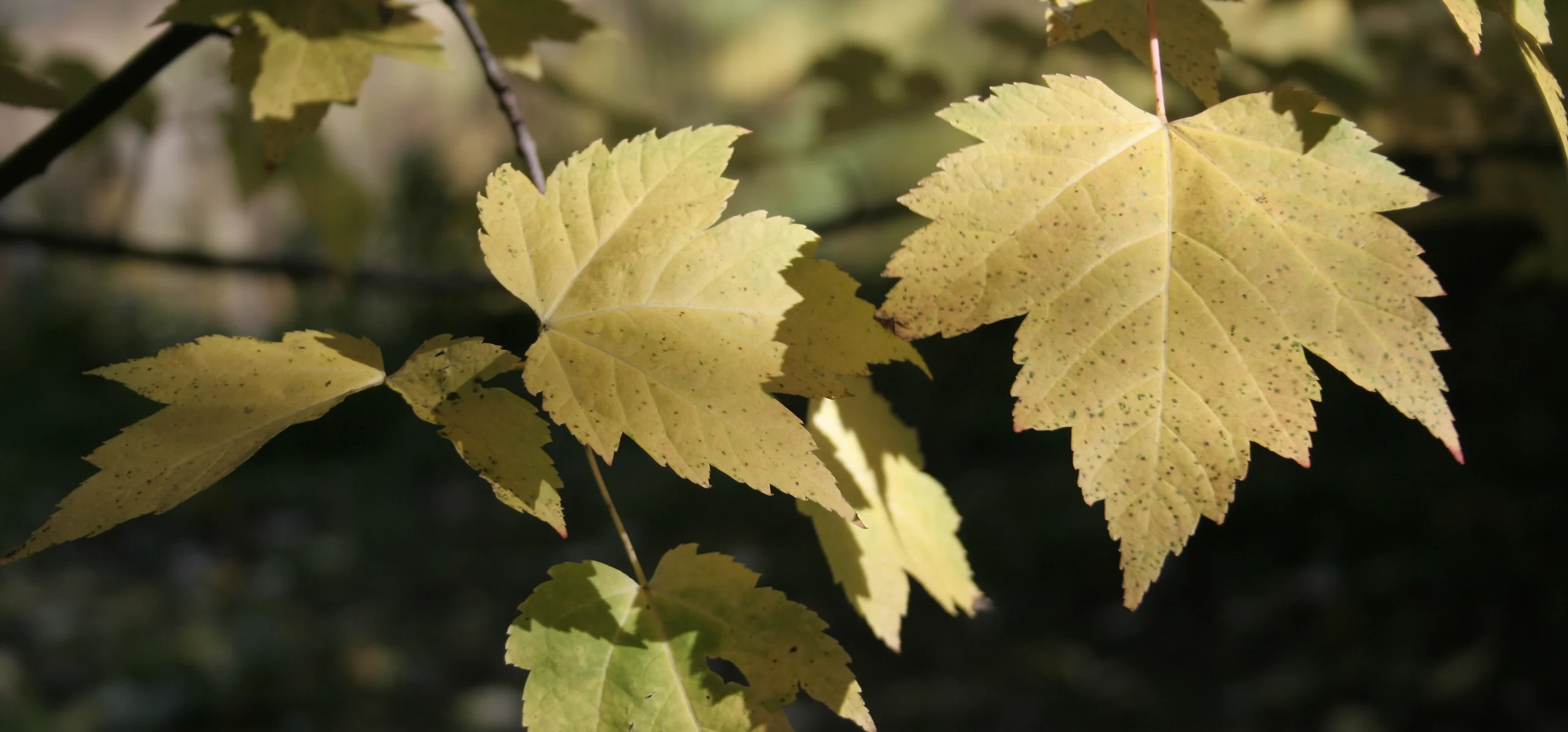
Two problems show up on almost every sycamore maple at some point, and neither is worth serious alarm. Sycamore aphids feed on the underside of leaves through summer and excrete sticky honeydew that rains down onto cars, patios, and anything else beneath the canopy, often followed by black sooty mould growing on the residue. By late summer, leaves frequently develop tar spot, raised black blotches with a yellow margin caused by the fungus Rhytisma acerinum. The Royal Horticultural Society is direct about the impact: tar spot does very little damage to the tree and has no long-term effect on its vigour, even when it causes leaves to drop a little early. Raking up and disposing of fallen leaves in autumn is the only practical step, since no fungicide is available to home gardeners for either problem.
Sooty Bark Disease: The Heat-Triggered Exception
Unlike tar spot, sooty bark disease is a genuine threat, and one that has become more frequently reported as summers get hotter. Caused by the fungus Cryptostroma corticale, it develops inside the bark of trees already stressed by heat and drought, then reveals itself as sheets of black, powdery spores once the outer bark peels or is cut away, often after a run of unusually hot weather. Affected trees can decline and die within a single season. The spores are also a recognized human health hazard: inhaling them while chainsawing or chipping infected wood has been linked to a hypersensitivity lung reaction in exposed workers, so infected timber should be handled with a properly rated dust mask and cleared promptly rather than left stacked to dry.
Sycamore Seeds and the Risk to Grazing Horses
If horses have access to a paddock with a sycamore maple overhead, take the seeds seriously. Fallen samaras and the small seedlings that sprout from them the following spring contain hypoglycin A, a toxin that can trigger atypical myopathy, a rapid and often fatal breakdown of muscle tissue documented in veterinary literature across Europe, New Zealand, and North America. Cases cluster in autumn, when seeds carpet the ground, and again in spring, when dense mats of seedlings appear in the same paddocks. Mowing or spraying seedlings does not reliably lower the toxin they contain, so the safer response is to fence off the area under and around the tree during both risk periods and physically collect fallen seed and seedlings rather than relying on grazing or cutting to clear them. The ASPCA's toxic and non-toxic plant database does not include sycamore maple, so no claim can be sourced there either way for cats, dogs, or horses; this horse-specific risk comes from separate veterinary research, not from an ASPCA listing.
Pruning, Self-Seeding, and Other Common Mistakes
Because it grows fast and tolerates hard cutting, sycamore maple is one of the few large trees regularly pollarded or coppiced in parks and street plantings, cut back to the same points every few years to control size, a technique that should start while the tree is young rather than imposed suddenly on a mature specimen. Formative pruning in the first years, removing crossing, damaged, or badly placed branches while the tree is dormant in winter, sets up the shape for decades to come. The most common mistake is not with the tree itself but with what grows underneath it: skipping the annual chore of pulling seedlings lets a single parent tree colonize an entire border within a few seasons. The second common mistake is planting it as a lawn specimen in a small garden, only to find, years later, that its roots, shade, and dropped debris have outgrown the space entirely.


Test your plant knowledge
Tap a card to flip it and reveal the answer.
Sycamore maple tolerates coastal wind and salt spray better than many garden trees. Tap to reveal ✓ True
Tar spot fungus on sycamore leaves seriously weakens the tree over time. Tap to reveal ✕ False
It is safe to let horses graze under a sycamore maple once its seeds have fallen. Tap to reveal ✕ False
Sooty bark disease is reported more often after hot, dry summers. Tap to reveal ✓ True
The ASPCA lists sycamore maple as toxic to cats and dogs. Tap to reveal ✕ False
Sources
References consulted for this guide
- GBIF: Acer pseudoplatanus L.gbif.org
- Plants of the World Online (Kew): Acer pseudoplatanuspowo.science.kew.org
- RHS: Acer pseudoplatanus (sycamore)rhs.org.uk
- RHS: Tar spot of maplerhs.org.uk
- Missouri Botanical Garden Plant Finder: Acer pseudoplatanusmissouribotanicalgarden.org
- Reference entity : Wikipédiaen.wikipedia.org