Giant Allium
Allium giganteum
Family · Amaryllidaceae
Grow giant allium from fall-planted bulbs: correct depth and spacing, drainage, hiding the dying foliage, deadheading, and pet toxicity.
Allium giganteum
Plant profile
- WateringLittleWater every 14 days
- Light exposureFull sun
- Hardiness zoneUSDA 4–8
Growth
- Family
- Amaryllidaceae
- Life cycle
- Perennial
- Growth speed
- 5/10
- Mature size
- 30–180 cm
- Spread
- 30–60 cm
- Flowering
- Early summer (June-July), 2-3 weeks
- Propagation
- Seed
- Bulb
- Offsets
DormancyDies back to a dry bulb after flowering, dormant through summer
Time to maturityFlowers the first spring after fall planting
Soil & climate
- Soil types
- clay, loam, sand
- Drought tolerance
- Yes
Light & Placement
- Origin
- Northeastern Iran to Central Asia
- Where to place it
- sunny border
- cutting garden
- mixed perennial bed
- deep container with generous drainage
Safety
- Toxicity
- CatsToxic
- DogsToxic
- HumansToxic
Data fromGBIF: Allium giganteum RegelPlants of the World Online (Kew): AlliumNC State Extension Gardener Plant ToolboASPCA: Toxic and Non-toxic Plants, Onion
Where it grows
World distribution
Giant Allium is native to 6 countries: Afghanistan, Iran, Tajikistan, Türkiye, Turkmenistan, and Uzbekistan.GBIF records 452 documented identifications across 25 countries, with the largest concentrations in Sweden, Tajikistan, and Turkmenistan.
- Afghanistan
- Iran
- Tajikistan
- Türkiye
- Turkmenistan
- Uzbekistan
Yellow to orange dots: concentration of documented identifications per country. Green countries: sourced native range. Source: GBIFNative range from POWO (Kew).
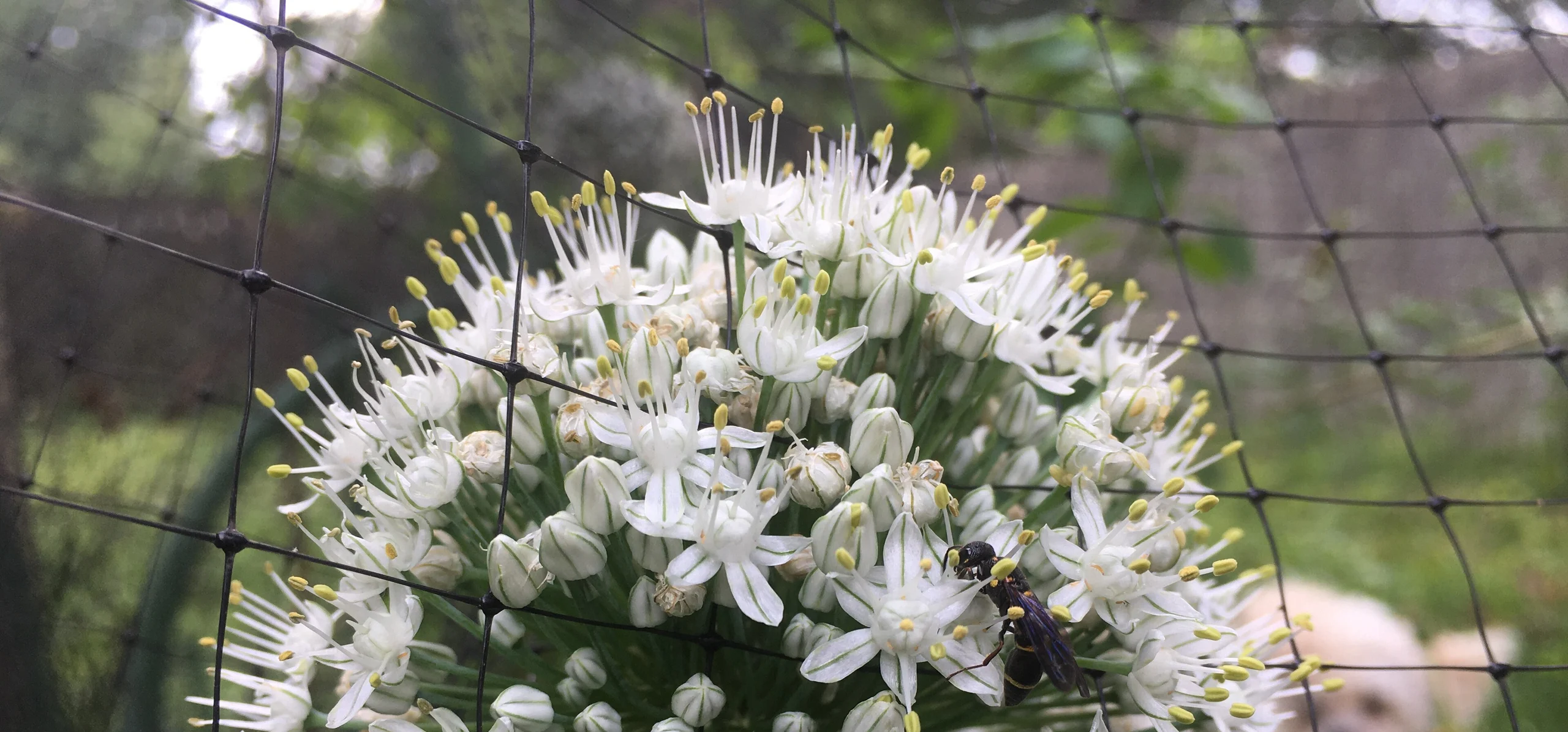
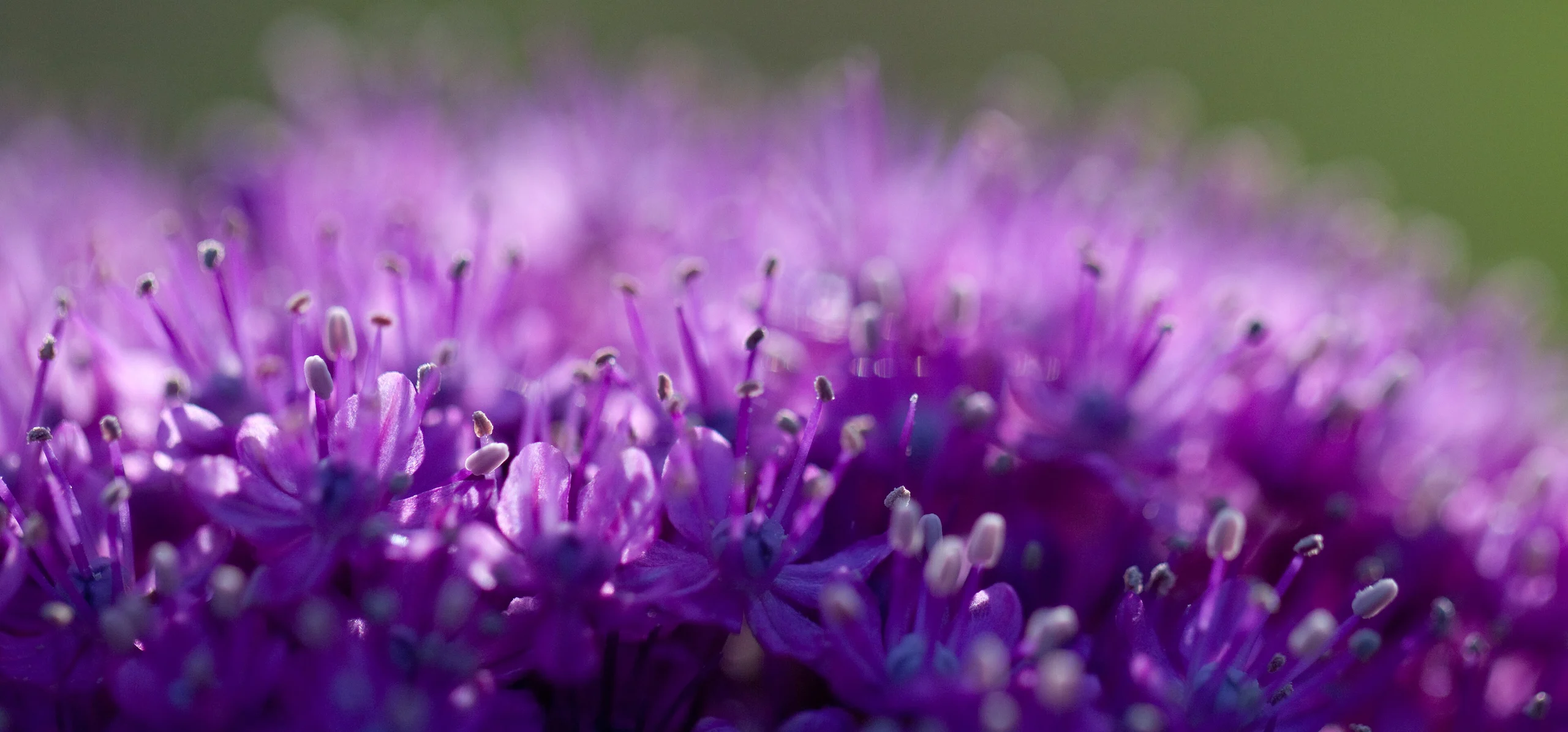
Allium giganteum sends up a single bare scape topped by a dense, near-perfect sphere of small star-shaped purple flowers, and it is the tallest ornamental onion commonly sold as a bulb. Plant the papery brown bulbs in autumn so the roots establish before the ground freezes; the strappy grey-green leaves appear first in early spring, then the flower stalk rises through them and opens in early summer. The single biggest surprise for first-time growers is that the leaves start yellowing right as the flower head is at its best, which is normal for this species rather than a sign of a sick bulb. Once bulbs are planted at the right depth in soil that drains fast, a clump can rebloom reliably for several years before it needs lifting.
Native Range and Classification
Plants of the World Online (Kew) lists Allium giganteum as native to northeastern Iran through Central Asia, where it grows on dry, rocky, sun-baked slopes with cold winters and hot, dry summers. That native habitat explains most of its garden habits: a genuine need for winter cold, a hard summer dormancy once the leaves collapse, and very little patience for soil that stays wet. GBIF records the accepted name as Allium giganteum Regel in the onion family Amaryllidaceae, with Allium procerum listed as a synonym you may still see on older nursery labels.
Planting Depth, Spacing, and Timing
Plant bulbs in fall, roughly six weeks before the ground freezes, at about 20 cm (8 inches) deep and 30 cm (12 inches) apart, close to one bulb per square foot, per North Carolina State Extension. Set each bulb pointed tip up on a firmed base so it does not sink into an air pocket, water it in once, then leave it alone until growth starts in spring. Bulbs planted too shallow tend to lean or topple once the heavy flower head opens, since there is not enough soil to anchor the long, hollow stem.
Soil and Drainage
Giant allium tolerates clay, loam, and sandy soil and adapts to acid, neutral, and alkaline pH, but drainage is the one condition it will not forgive. Bulbs sitting in waterlogged ground through winter rot before they ever sprout. On heavy clay, work in coarse grit or compost to a spade's depth before planting, or plant on a raised mound so water moves away from the bulb rather than pooling around it. Raised beds and large containers with generous drainage holes both solve the problem without changing the rest of the border.


Sun and Support
Full sun, at least six hours of direct light a day, produces the straightest stems and the fullest flower heads. Site plants somewhere sheltered from strong wind: a bare, leafless stem topped by a flower head 15 to 20 cm across catches gusts like a small sail and can snap or lean badly if it is fully exposed. In open, windy gardens, push a slim stake in at planting time and tie the stem loosely once it reaches full height, or let sturdier neighboring perennials do the bracing for you.
The Fading Foliage Problem and Companion Planting
The most common complaint about Allium giganteum is not the flower, it is the leaves. The gray-green basal foliage begins dying back just as the plant flowers, leaving a ring of yellowing, then papery, straps at the base of an otherwise striking bloom. Resist the urge to cut it while any green remains; the dying leaves are still feeding the bulb for next year. The practical fix is companion planting: set the bulbs behind or among perennials that are just filling in at the same time, such as catmint, hardy geraniums, Russian sage, or ornamental grasses. Their foliage screens the collapsing allium leaves while the purple globes float above on their bare stems.
Deadheading or Leaving the Seed Heads
Once the individual florets fade, you have a choice. Deadheading, cutting the stem once the flower is fully spent, stops the plant from putting energy into seed and tidies the bed. Leaving the seed head standing does something different: the sphere dries in place to a pale straw color and holds its shape through late summer and into fall, giving structural interest long after the color is gone and working well in dried arrangements. Either way, cut the entire flower stem down to the base once it has turned completely brown and papery, well after the foliage has finished dying back.
Lifting and Dividing Bulbs
Let the foliage die back completely and naturally before disturbing the bulb; cutting it green while it is still photosynthesizing weakens next year's flower. Established clumps can be left in the ground for two to three seasons, but as they multiply, flower heads gradually shrink because the offsets are competing for the same space and nutrients. Lift clumps in mid to late summer once they are fully dormant, separate the small offset bulbs from the original mother bulb, and either replant immediately at the same depth and spacing used originally, or let them dry for a few days and store them somewhere cool and dark until fall planting time.
Toxicity to Pets and People
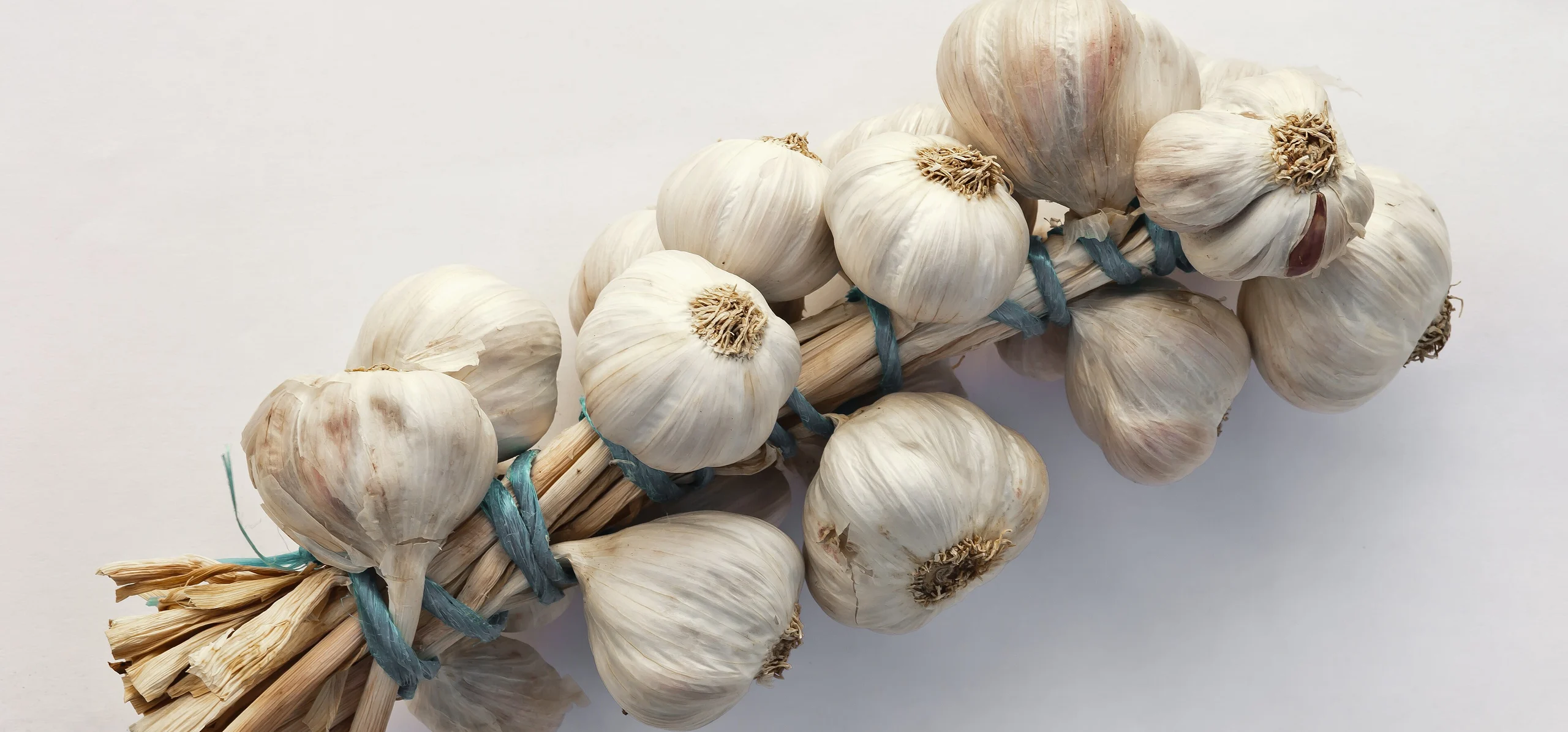
All parts of Allium giganteum are toxic if eaten. ASPCA poison control lists onion, garlic, leek, and chives, the food-crop relatives in the same genus, as toxic to cats and dogs: the organosulfur compounds they share damage red blood cells and can cause hemolytic anemia, with vomiting, drooling, and lethargy as early signs. Keep dogs and cats away from bulbs waiting to be planted or stored, since the concentrated bulb is the most dangerous part, and treat cut flower heads brought indoors the same way you would any Allium. North Carolina State Extension also rates the species as a low-severity poison to people, with sulfides causing nausea, vomiting, and diarrhea if a bulb or leaf is chewed, so wear gloves when handling a large batch of bulbs at once.
Test your plant knowledge
Tap a card to flip it and reveal the answer.
Allium giganteum bulbs should be planted in fall at about 20 cm (8 inches) deep. Tap to reveal ✓ True
Giant allium flowers best in full shade. Tap to reveal ✕ False
The strappy foliage of giant allium often starts dying back right as the flower opens. Tap to reveal ✓ True
Established giant allium bulbs need daily watering through summer to survive. Tap to reveal ✕ False
All parts of Allium giganteum are toxic to cats and dogs. Tap to reveal ✓ True
Sources
References consulted for this guide
- GBIF: Allium giganteum Regelgbif.org
- Plants of the World Online (Kew): Allium giganteumpowo.science.kew.org
- NC State Extension Gardener Plant Toolbox: Allium giganteumplants.ces.ncsu.edu
- ASPCA: Toxic and Non-toxic Plants, Onion (Allium)aspca.org
- Reference entity : Wikipédiaen.wikipedia.org