Chives
Allium schoenoprasum
Family · Amaryllidaceae
Chives want full sun, moist well-drained soil and a hard cut back after flowering. Covers sowing vs division, edible flowers, rust, onion fly and pet safety.
Allium schoenoprasum
Plant profile
- WateringModerateWater every 5 days
- Light exposurePartial sun
- Hardiness zoneUSDA 3–9
Growth
- Family
- Amaryllidaceae
- Life cycle
- Perennial
- Growth speed
- 6/10
- Mature size
- 10–50 cm
- Spread
- 5–10 cm
- Flowering
- Early to mid summer
- Propagation
- Seed
- Division
Dormancydies back to underground bulbs in cold winters, regrowing from the clump in spring
Time to maturity2-5 years
Soil & climate
- Soil pH
- pH 6–7
- Soil types
- chalk, clay, loam, sand
- Drought tolerance
- No
Light & Placement
- Origin
- Temperate Northern Hemisphere
- Where to place it
- sunny south-facing windowsill
- border edging
- herb garden bed
- vegetable garden companion row
- window box
- container at least 20 cm (8 in) wide and deep
Safety
- Toxicity
- CatsToxic
- DogsToxic
- HorsesToxic
- HumansSafe
Invasive speciesself-seeds readily if flower heads are left to mature; not listed as invasive
Data fromAllium schoenoprasum, GBIF Backbone TaxoAllium schoenoprasum L., Plants of the WASPCA: Chives toxicity to petsRHS: Allium schoenoprasum (chives)University of Minnesota Extension: Growi
Where it grows
World distribution
Chives is native to 39 countries: Afghanistan, Albania, Austria, Belarus, Bulgaria, Canada, China, and Croatia….GBIF records 77,875 documented identifications across 95 countries, with the largest concentrations in France, Sweden, and Finland.
- Afghanistan
- Albania
- Austria
- Belarus
- Bulgaria
- Canada
- China
- Croatia
- Czechia
- Denmark
- Estonia
- Finland
Show 27 more countriesShow fewer countries
- France
- Georgia
- Germany
- Greece
- India
- Iran
- Iraq
- Italy
- Japan
- Kazakhstan
- Mongolia
- Netherlands
- Norway
- Pakistan
- Poland
- Portugal
- Romania
- Russia
- South Korea
- Spain
- Sweden
- Switzerland
- Tajikistan
- Türkiye
- Ukraine
- United Kingdom
- United States
Yellow to orange dots: concentration of documented identifications per country. Green countries: sourced native range. Source: GBIFNative range from POWO (Kew).
A Kitchen Herb That Earns Its Spot Everywhere
Chives (Allium schoenoprasum) are the mildest member of the onion family grown for their leaves rather than a bulb, which is why they slot so easily into a pot on the windowsill, the edge of a border or a gap in the vegetable patch. The hollow, grass-like leaves regrow within days of being cut, and established clumps come back reliably for years without replanting. Unlike garlic or bulb onions, chives are harvested continuously through the growing season rather than lifted once, so a single clump earns its space by producing almost weekly.
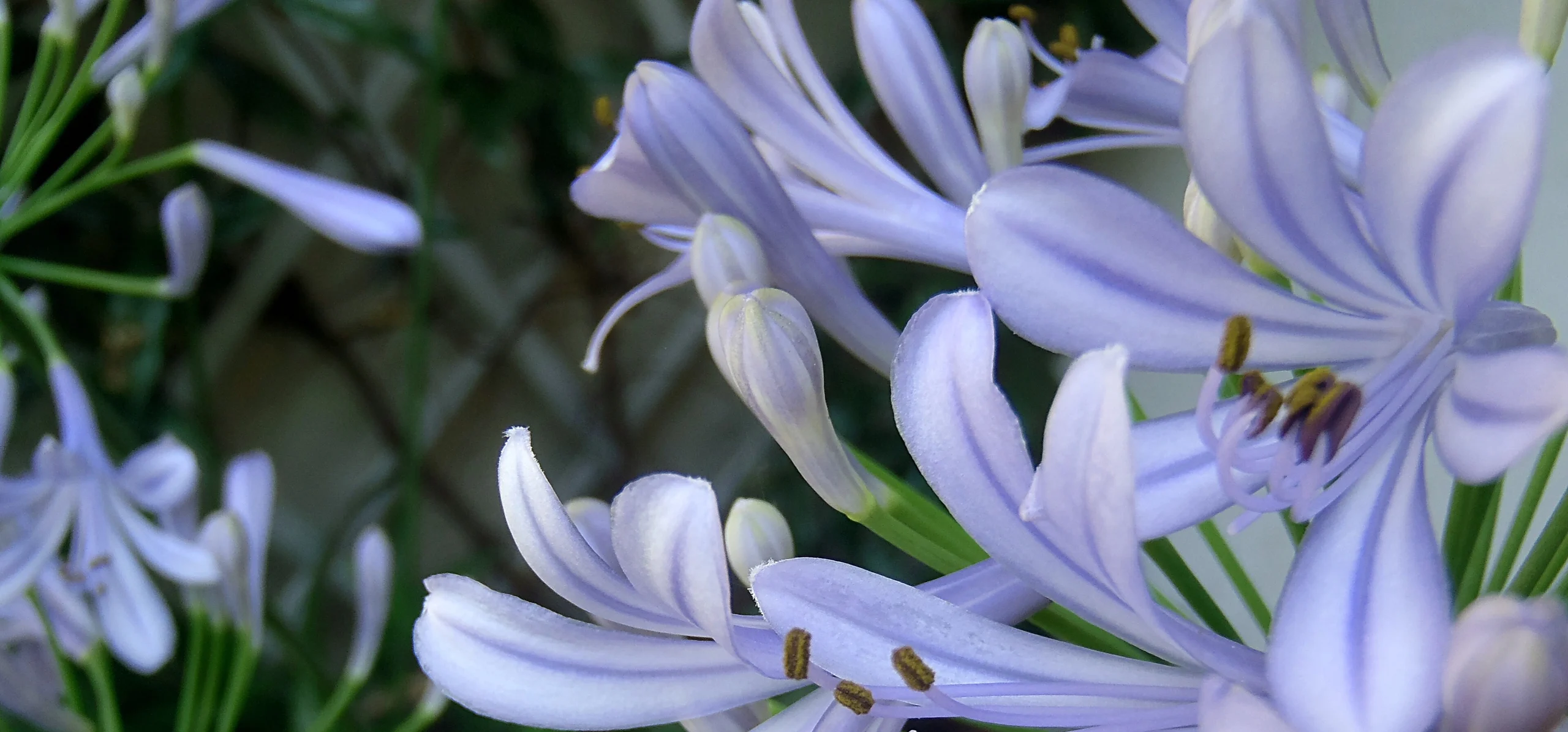
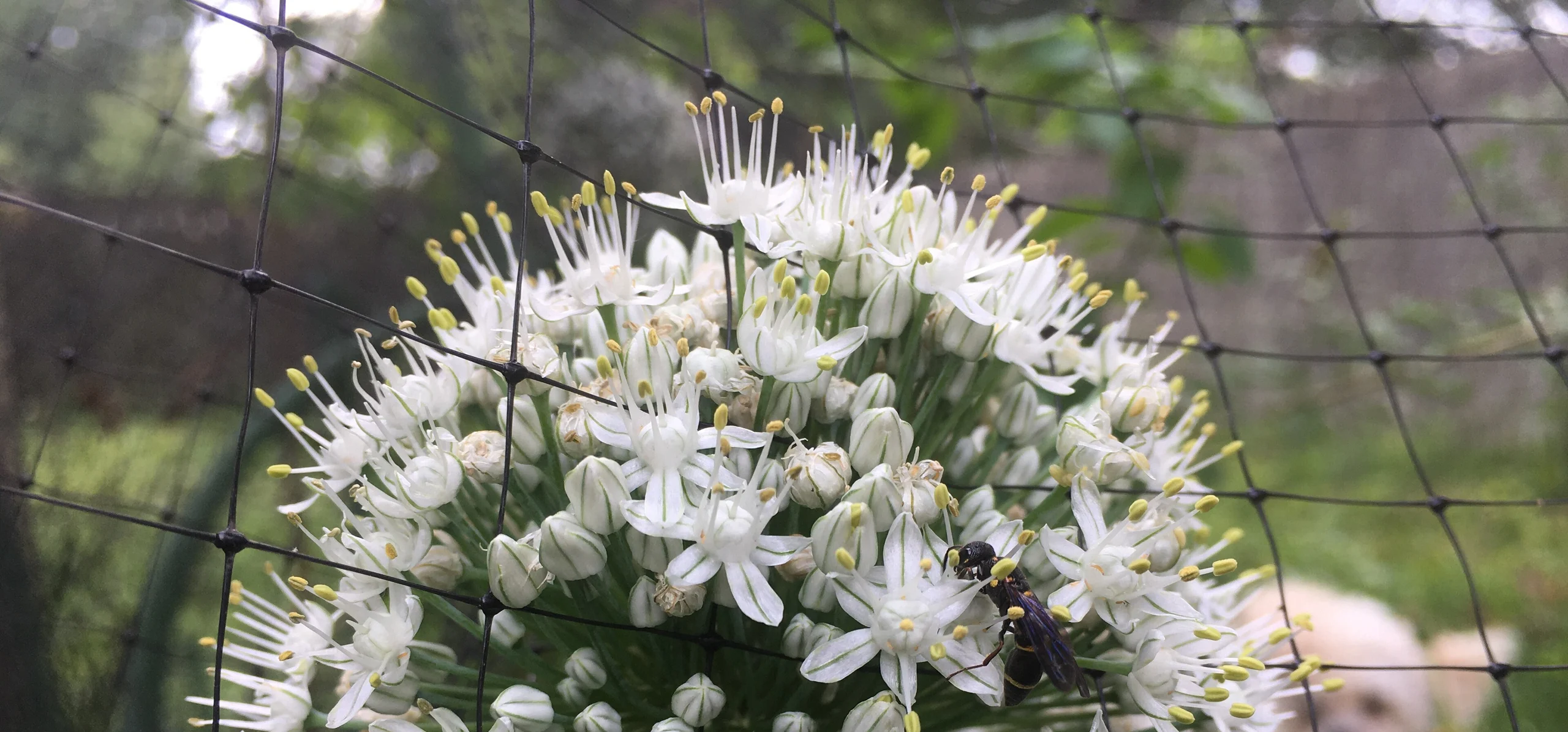
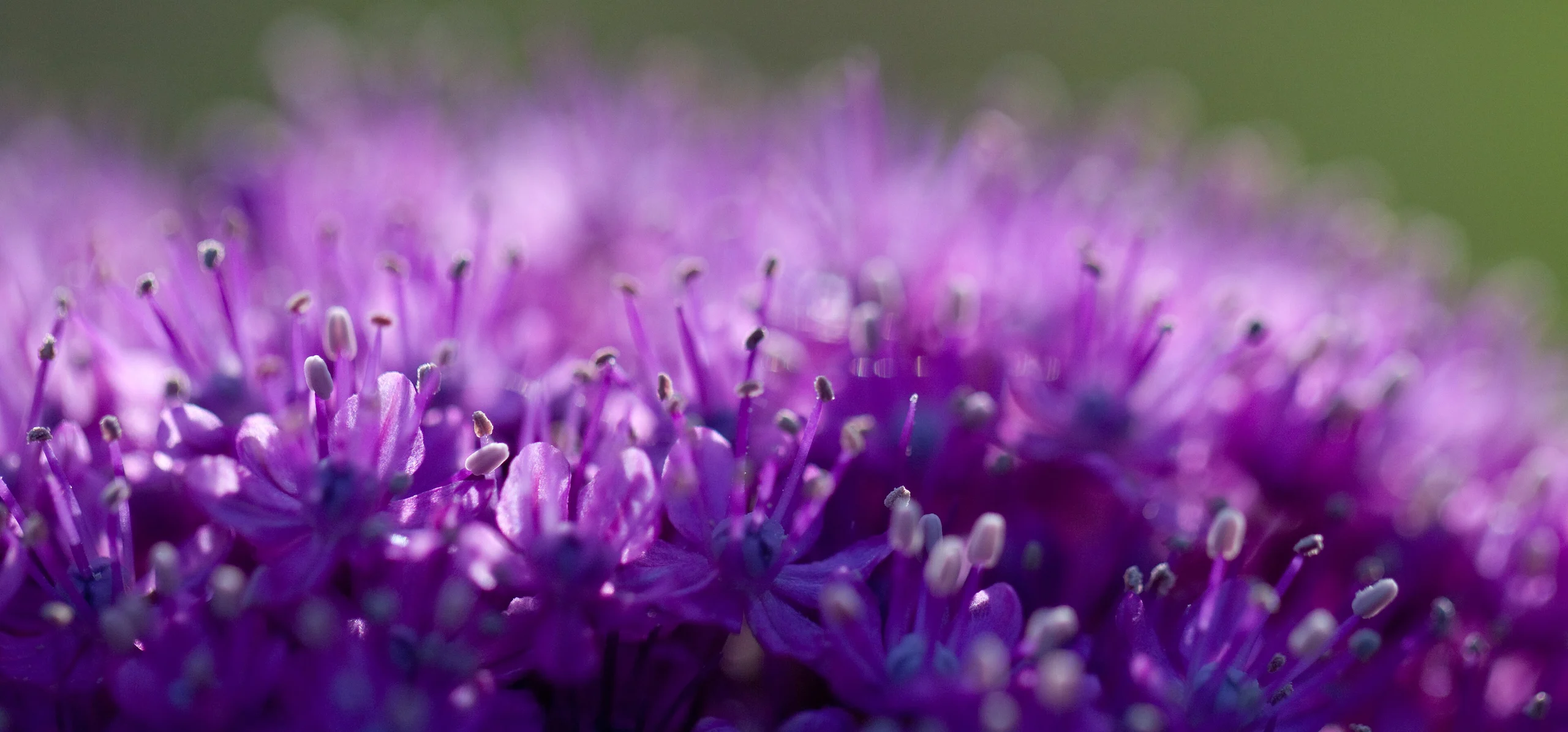
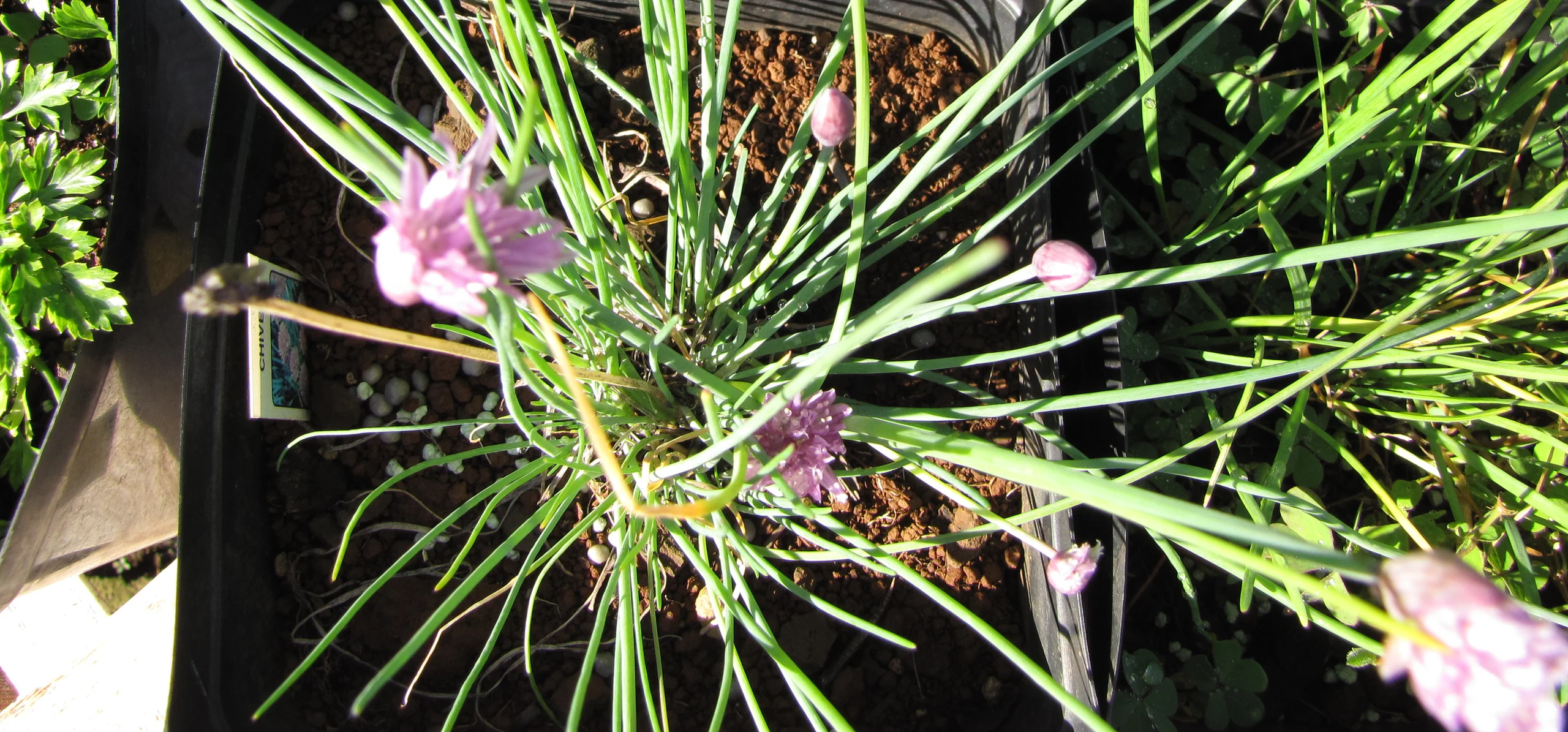
The plant forms a dense tuft of narrow bulbs just under the soil surface, each one sending up several tubular leaves. In summer it sends up rounded, pale purple flower heads on stiff stalks well above the foliage, and both the leaves and the flowers are edible.
Starting From Seed or From a Divided Clump
Seed is the slow route: sow indoors in early spring at 0.5 to 1 cm deep in modular trays or small pots, keep the compost lightly moist in a warm, bright spot, and expect germination in ten to fourteen days. Seed-grown plants take most of a season to bulk up into a usable clump, so gardeners in a hurry usually start instead from a division of an existing plant, which gives a harvestable clump within weeks.
Lift and divide established clumps every three to four years regardless of how they were started. Pull the clump apart by hand into smaller sections, each with its own bulbs and roots, and replant immediately at the same depth, spacing new clumps at least 15 cm apart. Division in spring or autumn also keeps the centre of the clump from thinning out and going woody, a problem that shows up in plants left undisturbed for too long.
Light, Soil and Watering
Chives take full sun or partial shade and tolerate south-, west- or east-facing positions, exposed or sheltered. Soil can be chalk, clay, loam or sand as long as it stays moist but well-drained; work grit into heavy clay to stop the bulbs sitting wet over winter. A pH of 6.0 to 7.0 suits them well.
Once established in open ground, chives rarely need watering beyond prolonged dry spells. Container plants are a different story: a pot dries out far faster than a border, so check the compost every few days in warm weather and water whenever the top centimetre feels dry, roughly once or twice a week. Use a container at least 20 cm wide and deep, since a cramped pot forces more frequent watering and pushes the clump to bolt to flower early.
How often to water your Chives
Cutting Back After Flowering for a Second Flush
Leaves left to grow past a few weeks turn tough and lose flavour, so regular snipping at the base is the main routine, not an occasional chore. After the plant flowers, cut the entire clump down to about 5 cm. Within two weeks a flush of tender new leaves replaces the flowered growth, and that second flush is usually the most productive harvest of the season.
If continuous fine leaves matter more than flowers to you, snip stems as they appear and remove flower buds before they open. Leaving at least one clump to flower is worth doing anyway, chive flowers draw pollinators, and letting a few seed heads mature is the only real risk: unchecked, chives self-seed readily around the parent clump.
Harvesting the Edible Flowers
The pale purple, ball-shaped flower heads open through early to mid summer. Pull them apart into individual florets to scatter over salads, mix into soft cheese or steep in white vinegar for a mild, oniony infusion that turns the vinegar a pale pink. Harvest flowers just as they open; once the florets brown and the pollen dries, the flavour turns bitter and the texture papery.
Rust and Onion Fly
Leek rust shows up as bright orange, slightly raised pustules on the leaf surface, usually worsening in humid weather and crowded plantings. Pick off and bin affected leaves as soon as you see them rather than composting them, water at the base instead of overhead, and space clumps to keep air moving between them.
Onion fly (onion maggot) is a pest of the whole allium family and will attack chives growing near infested onions, leeks or garlic. The larvae tunnel into the base of the bulbs, and affected leaves yellow and wilt from the tip down. Rotating alliums to a new bed each year and clearing old bulb debris at the end of the season are the main defences, since there is no easy cure once maggots are established. Aphids are a lesser but common nuisance, clustering on soft new growth after a hard cut back.
Forcing Chives Indoors for Winter
Garden clumps die back to their bulbs once cold weather sets in, ending the outdoor harvest. To keep fresh chives coming, lift a mature clump in autumn after the foliage has died down, pot it into fresh compost, and leave it outside or in an unheated shed for several cold weeks, the chilling period the bulbs need before they will resprout. Then move the pot to a sunny, cool windowsill indoors and water lightly; new leaves appear within a couple of weeks and can be harvested through the darkest months. A forced clump is spent by spring and is best planted back outside to recover rather than forced a second time straight away.
A Caution for Cats, Dogs and Horses
Chives, like the rest of the onion family, contain N-propyl disulfide, a compound that damages red blood cells in pets. Ingestion in sufficient quantity can cause vomiting, blood in the urine, weakness, a fast heart rate and hemolytic anemia in cats, dogs and horses. A garden clump or a windowsill pot within reach of a curious cat or dog is worth fencing off or moving out of range, and any suspected ingestion warrants a call to a veterinarian without delay. Chives are, of course, entirely safe for people to eat, that is the entire point of growing them.
Companion Planting
Gardeners commonly tuck chives beneath roses and other aphid-prone plants, on the theory that the pungent leaves mask the scent aphids use to find their targets; the same logic is applied against carrot fly in vegetable beds. Whatever the exact mechanism, a border edge of chives rarely goes to waste since it doubles as a kitchen herb. The one pairing to avoid is beans and peas: alliums are widely reported to slow the growth of legumes planted too close, so keep chives at the far end of the bed from any bean or pea row.


Test your plant knowledge
Tap a card to flip it and reveal the answer.
Chives should be cut all the way down to about 5 cm after flowering. Tap to reveal ✓ True
Chives need dividing every three to four years to stay vigorous. Tap to reveal ✓ True
Chives are completely safe for cats and dogs to eat. Tap to reveal ✕ False
Container-grown chives need watering less often than chives planted in open ground. Tap to reveal ✕ False
Forcing chives indoors for winter involves a period of cold exposure before bringing the pot inside. Tap to reveal ✓ True
Sources
References consulted for this guide
- Allium schoenoprasum, GBIF Backbone Taxonomygbif.org
- Allium schoenoprasum L., Plants of the World Online, Kew Sciencepowo.science.kew.org
- ASPCA: Chives toxicity to petsaspca.org
- RHS: Allium schoenoprasum (chives)rhs.org.uk
- University of Minnesota Extension: Growing chives in home gardensextension.umn.edu
- Reference entity : Wikipédiaen.wikipedia.org