
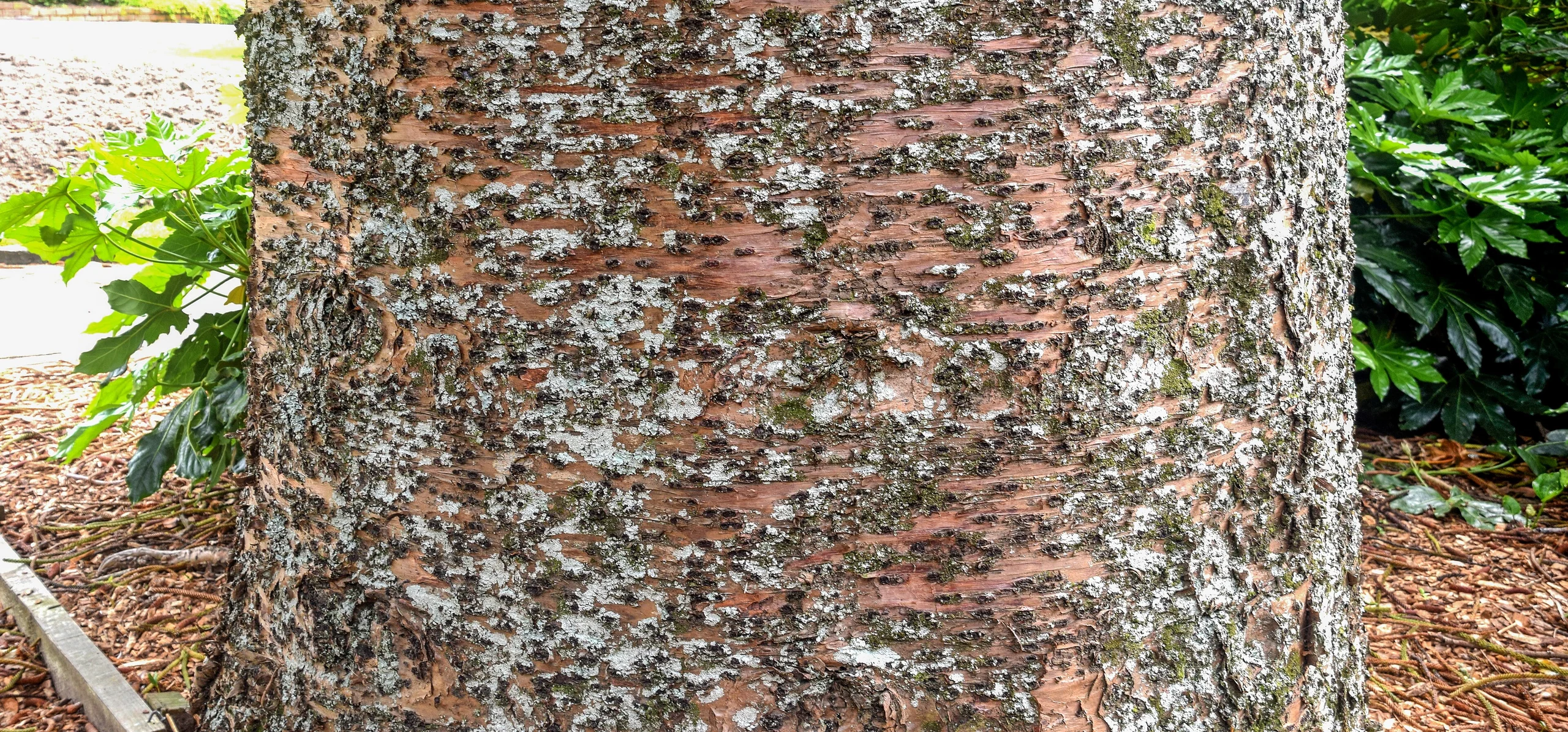
Norfolk Island Pine
Araucaria heterophylla
Family · Araucariaceae
Norfolk Island Pine care: why it needs bright, even light, why lower branches drop for good, and why it only survives outdoors in frost-free zones.
Araucaria heterophylla
Plant profile
- WateringModerateWater every 10 days
- Light exposurePartial sun
- Ideal temperature13–18 °C
- Hardiness zoneUSDA 9–11
Growth
- Family
- Araucariaceae
- Life cycle
- Perennial
- Growth speed
- 7/10
- Mature size
- 1830–3050 cm
- Spread
- 370–1830 cm
- Flowering
- Non-flowering conifer, not grown for blooms
- Propagation
- Seed
- Cutting
Dormancyevergreen, slower growth in winter
Time to maturity50+ years to full outdoor size
Soil & climate
- Soil types
- well-drained, sandy or loamy, peat-free, loam-based potting mix with grit
- Drought tolerance
- No
Light & Placement
- Origin
- Norfolk Island, South Pacific
- Where to place it
- brightest available room
- unshaded window, turned regularly
- full sun to partial shade, sheltered position
- large container with drainage, sized up gradually
Safety
- Toxicity
- CatsSafe
- DogsSafe
- HorsesSafe
Data fromGBIFPlants of the World Online (Kew)RHSASPCANC State Extension Gardener Plant Toolbo
Where it grows
World distribution
Norfolk Island Pine is native to a single country: Norfolk Island.GBIF records 2,269 documented identifications across 87 countries, with the largest concentrations in Australia, New Zealand, and South Africa.
- Norfolk Island
Yellow to orange dots: concentration of documented identifications per country. Green countries: sourced native range. Source: GBIFNative range from POWO (Kew).
A Norfolk Island Pine bought around the holidays as a small, neatly tiered 'living Christmas tree' is not a pine at all: it is a subtropical conifer from a single island group in the South Pacific, sold small precisely because young plants form that symmetrical whorl of branches around one straight trunk, a shape no true pine keeps as a houseplant. Indoors it wants far more light than the corner it is usually given, and it answers a dim spot in a very specific, unforgiving way: whole tiers of lower branches yellow and drop, permanently, rather than the tree fading evenly all over. It cannot go outdoors year-round except in genuinely frost-free climates, so for most owners this stays a container tree for life. Get the light and the winter watering right from the first year, and a tabletop plant can go on filling a room for decades.
A tree from one island, sold as a tabletop conifer
Kew's Plants of the World Online gives the native range of Araucaria heterophylla as Norfolk Island, including nearby Philip Island, a small volcanic outpost in the South Pacific between Australia and New Zealand. In the wild this member of the ancient conifer family Araucariaceae grows into a huge, straight-trunked forest tree; under cultivation in warm climates it still reaches roughly 60 to 100 feet with a spread of 12 to 60 feet over many decades, according to North Carolina State University's Extension Gardener Plant Toolbox, and the same source notes that mature outdoor specimens are tall enough to be vulnerable to lightning strikes. The plant sold in garden centers as a foot-tall tabletop tree is simply a young seedling of that species, kept small in a pot and marketed for its Christmas-tree silhouette rather than because it is naturally compact.
Light: why it needs bright, even exposure
Outdoors, the Royal Horticultural Society lists Araucaria heterophylla as wanting full sun or partial shade in a sheltered spot. Indoors, aim for the brightest room you have, close to an unshaded window; NC State's extension guidance recommends six or more hours of direct sun for compact, symmetrical growth and notes that some afternoon shade prevents the foliage from yellowing in the hottest exposures. Because the growing tip bends hard toward the light source, give the pot a quarter turn every week or two so growth stays even on all sides instead of leaning and thickening toward the window while the shaded side thins out.
Why lower branches drop, and why they never come back
This is the detail that catches most indoor growers out. NC State's extension notes that indoor plants kept in low light for two to three years commonly show needle drop followed by the loss of entire lower branches, tier by tier from the bottom up. Each whorl of branches was formed in a single year of growth, and once that tier has died back from insufficient light, it does not resprout: the RHS's own pruning guidance for this species is that little or no pruning should be done at all, because cutting into old wood permanently spoils the shape of the tree, which is another way of saying the plant will not push new growth from a bare trunk. In practice that means treating any browning of a lower tier as an early warning to move the tree somewhere brighter immediately, not as cosmetic damage that will grow back once conditions improve.


Watering and indoor humidity
The RHS recommends watering containerized Araucaria heterophylla freely from March to September, then cutting back so the potting mix stays just moist, never fully dry, through the winter months under cover. Waterlogged compost is as damaging as a long dry spell, since the plant is described as needing soil that is moist but well drained rather than either extreme. NC State adds that the species generally adapts well to the warm, dry air of a heated home, but recommends misting in centrally heated rooms over winter, when indoor humidity drops furthest, to keep the fine needle-like foliage from browning at the tips.
Soil, potting and feeding
Pot it in a fertile, well-drained mix: the RHS specifies a peat-free, loam-based potting compost with extra grit added for drainage, and NC State similarly describes the species' preference for a porous, sandy or peaty, slightly acidic, well-drained soil. Because growth is rapid in a young plant but the tree does not need repotting every year, size the container up gradually as the trunk thickens rather than moving a small plant into an oversized pot, which tends to leave the mix wet for too long between waterings. During the active growing season, NC State recommends a dilute liquid fertilizer applied weekly or every other week, stopped once winter growth slows.
Temperature: a houseplant first, a garden tree only where frost never reaches
The RHS rates Araucaria heterophylla H2 for hardiness, meaning it tolerates cool conditions down to roughly 1 to 5°C but will not survive being frozen, and its own growing notes describe it as a containerized tree kept under glass wherever frost occurs, moved outside to a sheltered, sunny spot only for the summer months and brought back under cover in autumn. NC State places the species in USDA zones 9a through 11b for year-round outdoor planting, and lists an indoor temperature preference of roughly 55 to 65°F for steady growth, cooler than most people keep a living room, which is why a spot near a drafty window is often more comfortable for this plant than one beside a radiator.
Propagation: seed, and shoot tips only
The RHS describes two propagation routes, and they are not interchangeable. Seed sown fresh, as soon as it ripens, grows into a normal upright tree. So do cuttings taken from a vertical leading shoot tip in midsummer and rooted in a cold frame. Cuttings taken from a horizontal side branch, however, will not form an upright tree at all: they keep the growth habit of a branch and produce a permanently low, spreading plant instead of a new leader. This is worth knowing before propagating a favorite specimen, since a cutting from the wrong part of the tree cannot later be trained upright.
Common mistakes and pests
NC State describes the species as generally pest-free indoors, with scale insects, sooty mold and leaf spot as the main problems to watch for, usually on plants already stressed by low light or erratic watering. Beyond pests, the recurring mistakes are the same three: leaving the tree in a dim corner until lower branches start dropping instead of moving it the moment growth looks thin, letting winter watering swing between bone dry and waterlogged rather than keeping the mix just moist, and pruning a leggy plant back hard in the hope it will bush out, when in fact cut wood on this species simply stays bare.
Test your plant knowledge
Tap a card to flip it and reveal the answer.
Araucaria heterophylla is native to a single island group in the South Pacific. Tap to reveal ✓ True
A cutting taken from a horizontal side branch will grow into a new upright tree. Tap to reveal ✕ False
The ASPCA lists this species as non-toxic to cats, dogs and horses. Tap to reveal ✓ True
A lower branch lost to low indoor light will regrow once the plant is moved somewhere brighter. Tap to reveal ✕ False
This tree survives outdoors year-round only in frost-free or near frost-free climates. Tap to reveal ✓ True
Sources
References consulted for this guide
- GBIF - Araucaria heterophyllagbif.org
- Plants of the World Online (Kew) - Araucaria heterophyllapowo.science.kew.org
- RHS - Araucaria heterophylla (Norfolk Island pine)rhs.org.uk
- ASPCA - Toxic and Non-Toxic Plants: Australian Pineaspca.org
- NC State Extension Gardener Plant Toolbox - Araucaria heterophyllaplants.ces.ncsu.edu
- Reference entity : Wikipédiaen.wikipedia.org

