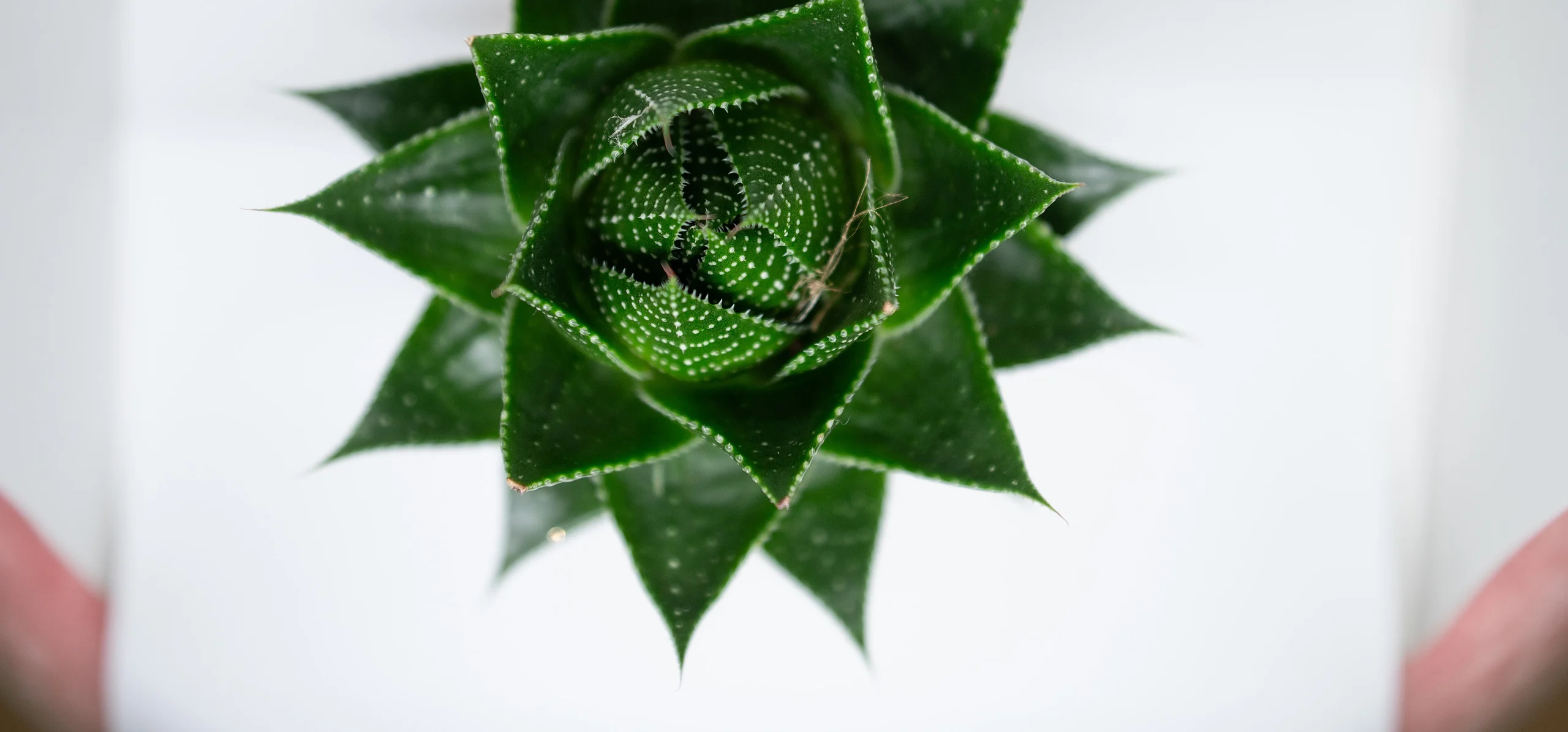
Lace Aloe
Aristaloe aristata
Family · Asphodelaceae
Lace aloe care: why this South African succulent was renamed from Aloe aristata, how much cold it actually tolerates, and how it spreads by offsets.
Aristaloe aristata
Plant profile
- WateringLittleWater every 21 days
- Light exposurePartial sun
Growth
- Family
- Asphodelaceae
- Life cycle
- Perennial
- Growth speed
- 3/10
- Mature size
- 10–50 cm
- Spread
- 10–50 cm
- Flowering
- Coral-orange tubular flowers in summer
- Propagation
- Offsets
Dormancyevergreen, slows in winter
Time to maturity5-10 years to full clump size (RHS)
Soil & climate
- Soil types
- gritty, well-drained loam, cactus/succulent mix
- Drought tolerance
- Yes
Light & Placement
- Origin
- South Africa (Cape Provinces, Free State, KwaZulu-Natal), Lesotho
- Where to place it
- sunny windowsill
- bright unheated conservatory
- full sun, sheltered position
- terracotta with a drainage hole
Safety
- Toxicity
- HumansToxic
Data fromGBIFPlants of the World Online (Kew)RHSMissouri Botanical Garden Plant Finder
Where it grows
World distribution
Lace Aloe is native to 2 countries: Lesotho and South Africa.GBIF records 181 documented identifications across 15 countries, with the largest concentrations in South Africa, United Kingdom, and France.
- Lesotho
- South Africa
Yellow to orange dots: concentration of documented identifications per country. Green countries: sourced native range. Source: GBIFNative range from POWO (Kew).
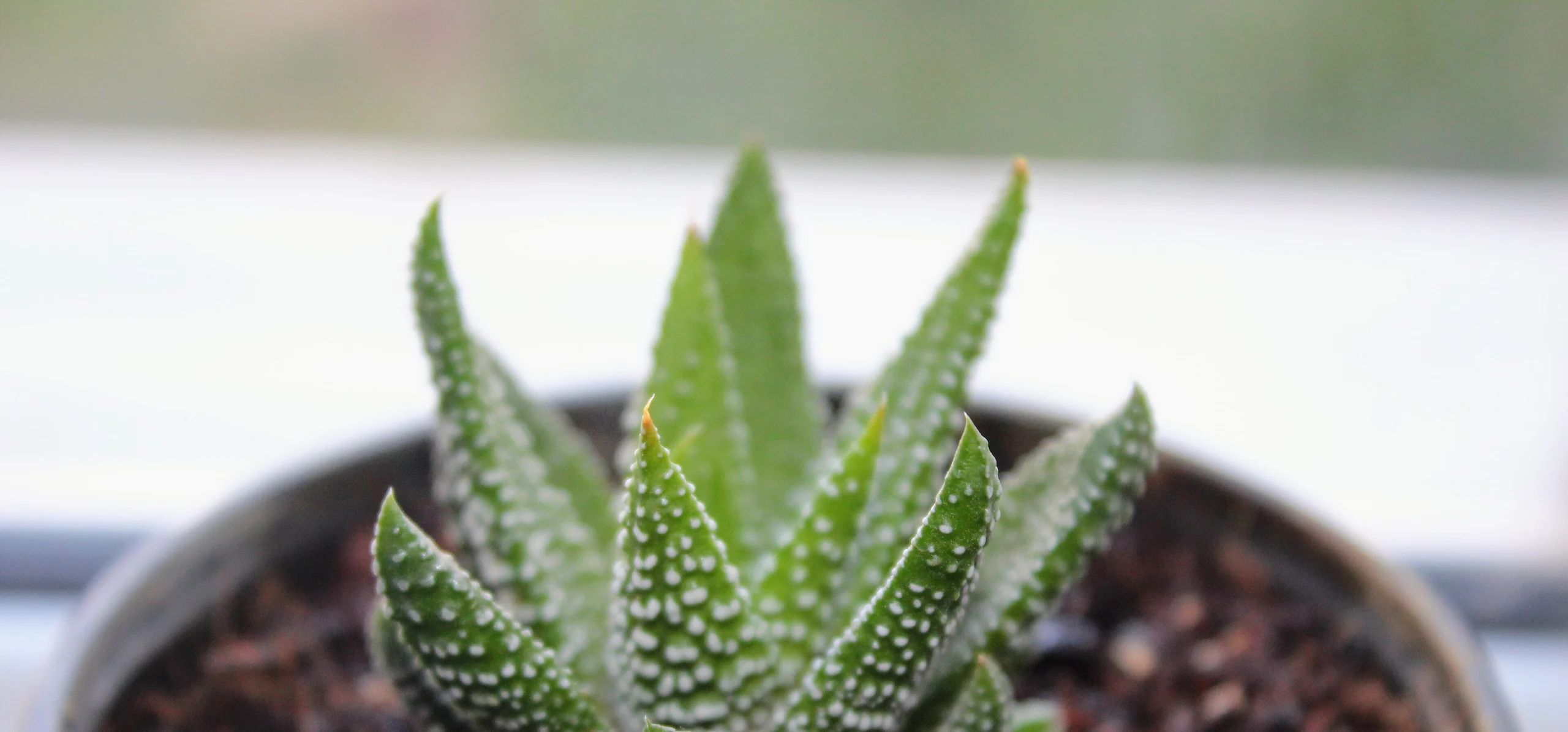
If the tag on your new plant says Aloe aristata but the label at the nursery said Aristaloe aristata, both are the same clump-forming succulent: a tight rosette of dark, blue-green, triangular leaves edged with soft white bristles, spreading into a mat of pups over a few seasons. It is one of the few small aloe-type succulents that shrugs off a proper winter chill, provided the soil stays dry, which makes it as suited to a gritty rock garden in a mild climate as to a sunny windowsill. The two things that actually decide whether it thrives are the same as for most South African succulents: enough direct light to keep the rosette tight and colored, and soil dry enough that the roots never sit wet. Everything else, including its name, is detail.
From Aloe to Aristaloe: what changed
For most of its history in cultivation this plant was sold as Aloe aristata. Genetic studies found it did not actually belong in Aloe, and it was moved into its own single-species genus, Aristaloe, with the accepted name Aristaloe aristata (Haw.) Boatwr. and J.C.Manning, confirmed in the GBIF taxonomic backbone. Nurseries and older books still use Aloe aristata, and you will also see it called guinea-fowl aloe, long-awned aloe or torch plant; none of that is wrong, it is just the old name catching up to the new one. Nothing about its care changed with the rename, only its place on the family tree within Asphodelaceae.
Native range and what it means for care
Kew's Plants of the World Online lists the native range as South Africa (Cape Provinces, Free State, KwaZulu-Natal) and Lesotho. The Missouri Botanical Garden narrows that further to the dry Karoo and the cool, rocky, high-altitude slopes of Lesotho and KwaZulu-Natal, ground that gets real winter cold but very little standing moisture. That combination, cold nights and fast-draining rock, is the whole logic of growing this plant well: it can take temperatures most succulents cannot, but only if the roots are never wet while it is cold.
Light and placement
The RHS lists full sun as its preferred position, ideally a south or west-facing spot with some shelter from wind. Indoors that translates to the brightest windowsill available; outdoors in a mild climate it can take a full day of sun once it is acclimatised, though a little afternoon shade in a hot, dry summer keeps the leaf tips from scorching. In too little light the tight, low rosette loosens and stretches toward the window, and the leaf color fades from a healthy blue-green to a duller pale green. A rosette that stays compact, dense and tinged with a warm bronze at the leaf tips is getting the light it wants.


Watering and soil
Treat it like the desert- and grassland-adapted succulent it is: water thoroughly, then let the mix dry out fully before watering again. In an actively growing pot that is roughly every two to three weeks through spring and summer, stretching out further in winter. The RHS recommends a well-drained loam, and in practice a standard cactus and succulent mix, or ordinary potting soil cut with coarse sand, pumice or perlite, does the job. A pot with a drainage hole is not optional here; the same rock-slope drainage that lets this plant survive cold snaps in the wild is what keeps it from rotting in a pot. RHS soil-pH data for the species spans acid, neutral and alkaline ground, so it is not fussy about pH as long as drainage is good.
Winter care and cold hardiness
This is where lace aloe genuinely stands apart from most small aloes. The RHS rates it H2, tolerant of low temperatures but not surviving being frozen solid, meaning it needs protection once temperatures drop toward roughly 1 to 5 degrees Celsius unless the soil is kept dry and the plant has some shelter. In a genuinely mild, near frost-free climate it can stay outdoors year-round in a sheltered, well-drained bed. Anywhere colder, the safest approach is a pot that can be moved into an unheated greenhouse, cold frame or bright porch before the first hard frost, kept on the dry side while indoors, since the combination of cold and wet soil is what actually kills it, not the cold on its own.
Propagating by offsets
Lace aloe is a prolific offsetter: mature rosettes send out short stolons that produce plump little pups around the base, and a single plant can turn into a dense clump within a couple of years. To propagate, wait until a pup has formed its own small rosette of leaves, then gently separate it from the stolon connecting it to the parent. Let the cut end dry and callus for a day or two in a shaded spot before potting it into its own small container of gritty mix, and hold off watering for several days so the wound has time to seal rather than rot. Because the plant produces so many of these offsets on its own, division is by far the easiest and most reliable way to make new plants; there is rarely a need to try leaf or seed propagation.
Flowering
A well-established clump sends up slender flower spikes in summer, carrying tubular, coral-orange blooms roughly 4 cm long in loose panicles that can reach up to half a metre tall, well clear of the foliage. Each rosette generally only flowers once it has reached a mature size, so a young offset freshly potted up is unlikely to bloom in its first year or two. The display is a genuine reward for patience rather than an annual guarantee, and it holds the Award of Garden Merit from the RHS partly on the strength of this combination of tidy foliage and reliable summer flowers.
Common mistakes
The most common failure is watering on a fixed schedule instead of checking the soil, which in a cold, damp winter is enough to rot the roots even though the plant would have shrugged off the cold alone. The second is too little light, which produces a loose, stretched, pale rosette that never regains its tight shape even once it is moved somewhere brighter; propagating fresh offsets in better light is usually faster than trying to correct an old, etiolated one. The RHS also notes that ingestion may cause severe discomfort and recommends wearing gloves and washing hands after handling the sap, a caution worth passing on to children even though the ASPCA does not currently list this species on its toxic or non-toxic plant databases, so its safety for cats and dogs has not been formally evaluated.
Test your plant knowledge
Tap a card to flip it and reveal the answer.
Aristaloe aristata was moved out of the genus Aloe based on genetic studies. Tap to reveal ✓ True
Lace aloe can survive being frozen solid outdoors. Tap to reveal ✕ False
Lace aloe spreads mainly by producing offsets around its base. Tap to reveal ✓ True
Lace aloe needs constantly moist soil to grow well. Tap to reveal ✕ False
The ASPCA currently lists lace aloe as toxic to cats and dogs. Tap to reveal ✕ False
Sources
References consulted for this guide
- GBIF - Aristaloe aristatagbif.org
- Plants of the World Online (Kew) - Aristaloe aristatapowo.science.kew.org
- RHS - Aristaloe aristata (lace aloe)rhs.org.uk
- Missouri Botanical Garden Plant Finder - Aloe aristatamissouribotanicalgarden.org
- Reference entity : Wikidatawikidata.org