Lemon Daylily
Hemerocallis lilioasphodelus
Family · Asphodelaceae
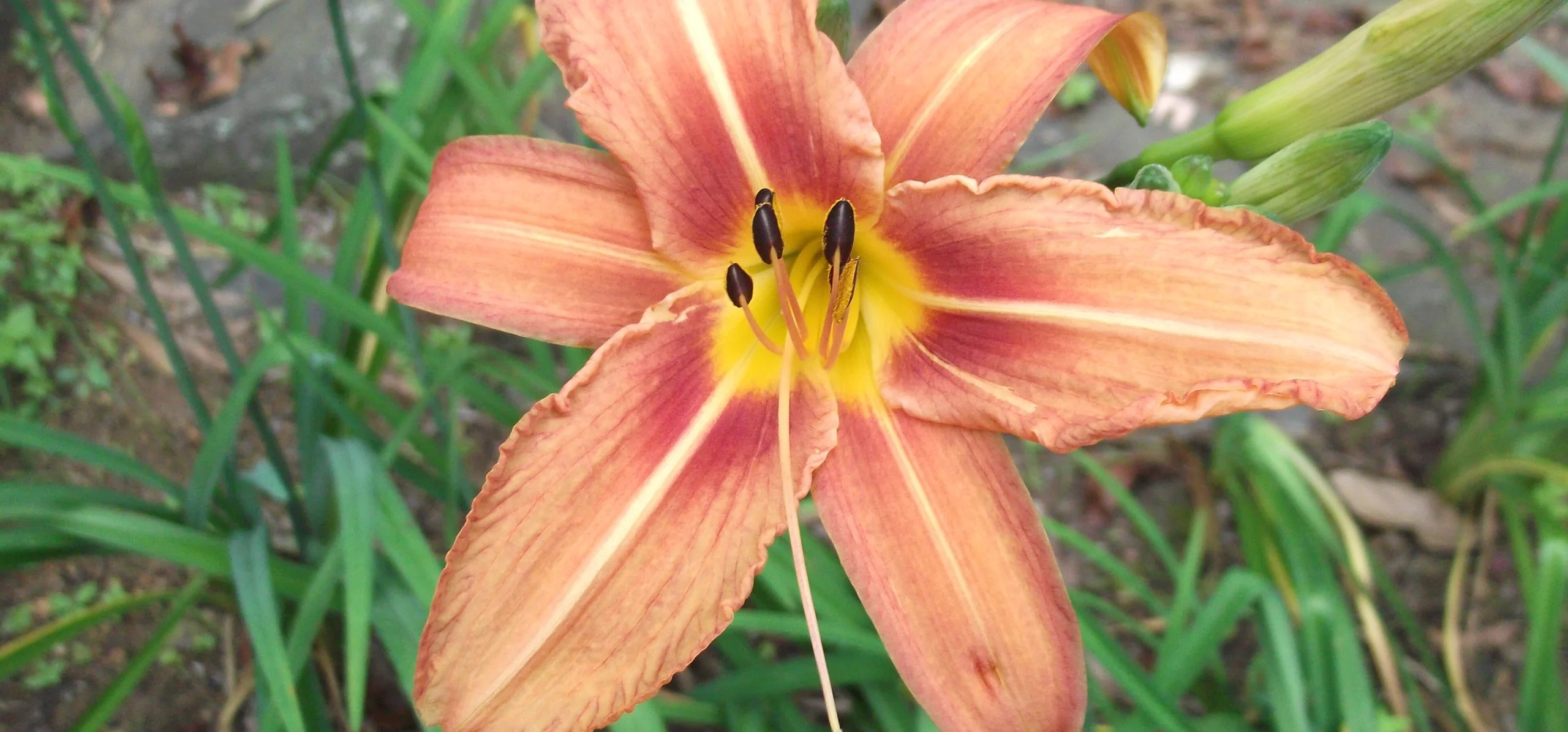
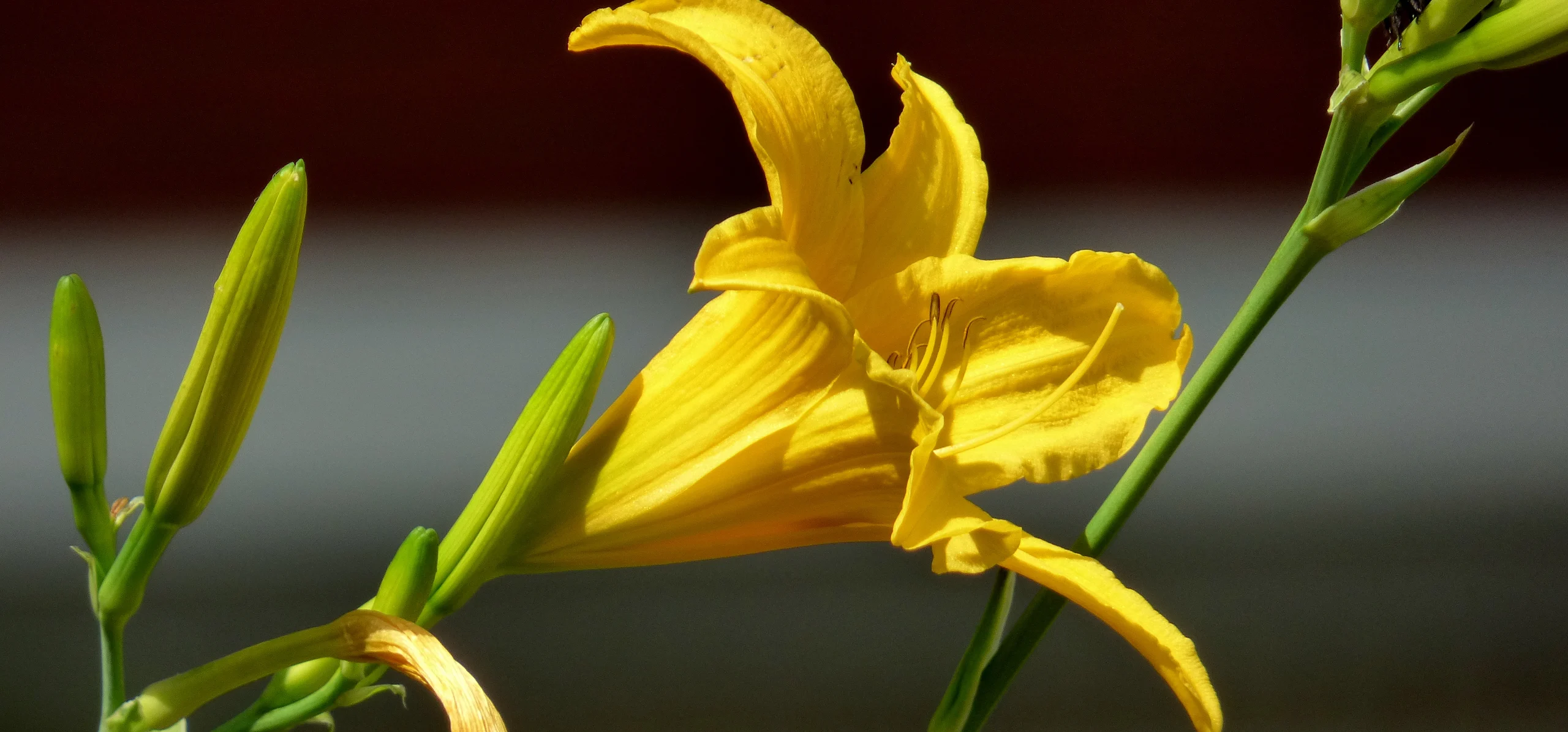
Hemerocallis lilioasphodelus blooms weeks before most daylilies, its evening-scented yellow flowers behind generations of fragrant hybrid cultivars.
Hemerocallis lilioasphodelus
Plant profile
- WateringModerateWater every 7 days
- Light exposurePartial sun
- Hardiness zoneUSDA 4–10
Growth
- Family
- Asphodelaceae
- Life cycle
- Perennial
- Growth speed
- 5/10
- Mature size
- 50–100 cm
- Spread
- 50–100 cm
- Propagation
- Seed
- Division
FloweringLate spring to early summer, fragrant lemon-yellow flowers 8-9 cm wide, each lasting 1-2 days
Dormancydeciduous; foliage dies back after autumn frost, new shoots emerge in spring
Time to maturity2-5 years
Soil & climate
- Soil pH
- pH 6–6.5
- Soil types
- chalk, clay, loam
- Saline soil
- Partially tolerated
- Drought tolerance
- No
Light & Placement
- Origin
- SE. Alps, NE. Albania, SW. Siberia to S. Korea, per Plants of the World Online
- Where to place it
- open border in full sun
- large container on a patio
- cottage or informal garden bed
- large pot with good drainage, moved to a sheltered spot over winter
Safety
- Toxicity
- CatsToxic
- DogsSafe
Invasive speciesnot reported as invasive; unlike the stoloniferous orange ditch lily (Hemerocallis fulva), this species stays in a slowly expanding clump
Data fromHemerocallis lilioasphodelus L., GBIF BaHemerocallis lilioasphodelus L., Plants RHS: Hemerocallis lilioasphodelus, yelloRHS: Hemerocallis gall midge, how to spoMissouri Botanical Garden Plant Finder: Clemson HGIC: Daylily
Where it grows
World distribution
Lemon Daylily is native to 8 countries: Albania, China, Croatia, Italy, Kazakhstan, Mongolia, Russia, and South Korea.GBIF records 6,955 documented identifications across 57 countries, with the largest concentrations in United States, Sweden, and Germany.
- Albania
- China
- Croatia
- Italy
- Kazakhstan
- Mongolia
- Russia
- South Korea
Yellow to orange dots: concentration of documented identifications per country. Green countries: sourced native range. Source: GBIFNative range from POWO (Kew).
If your new Hemerocallis lilioasphodelus opens its flowers weeks before every other daylily in the garden, that is normal: this species blooms in late spring to early summer, ahead of nearly all the hybrid cultivars bred from it. Each lemon-yellow, funnel-shaped flower carries a sweet fragrance that grows stronger toward dusk, a trait many modern daylily hybrids, bred mainly for size and color, have lost. Unlike the orange ditch lily, Hemerocallis fulva, which spreads by running stolons along roadsides and forgotten gardens, this species stays in a tight, slowly widening clump. Full sun, soil that stays moist without turning soggy, and a division every few years are essentially all it asks for.
A Species Behind Generations of Yellow Hybrids
Hemerocallis lilioasphodelus, sometimes still sold under its older name Hemerocallis flava, was among the first daylily species brought into deliberate breeding programs. Its early bloom time and strong evening fragrance made it a natural parent for hybridizers chasing scent and clear yellow color, traits many modern large-flowered cultivars have since diluted. If a plant tag reads Hemerocallis 'Flava' or lists lilioasphodelus in its parentage, evening fragrance is usually the trait that line was chosen for. The species remains worth growing on its own merits: an established clump in full bloom, especially at dusk when the scent peaks, does something none of its giant-flowered descendants quite manage.
Full Sun, Moist Soil and an Honest Comparison to the Ditch Lily
Give this species full sun for the strongest flowering, though it tolerates part shade, per the RHS. Soil should stay moist but well-drained; chalk, clay and loam are all listed as suitable, with a slightly acid pH around 6 to 6.5 giving the best results according to Clemson Cooperative Extension. Waterlogged soil over winter is the main way to lose a clump, so raised beds or generous compost worked into heavy clay solve most drainage problems before they start.
It is worth being explicit about the ditch lily comparison, because the two species get confused constantly at nurseries and plant swaps. Hemerocallis fulva, the orange ditch lily naturalized along roadsides across much of North America, spreads aggressively by stolons and can be genuinely difficult to eradicate once established. Hemerocallis lilioasphodelus does not do this: it forms a slowly expanding clump that stays where it is planted, which makes it a far better choice for a mixed border or a small garden where a running rhizome would become a nuisance.


Watering Through the Season
Water needs sit in the moderate range, not as thirsty as a bog perennial but not fully drought-tolerant either, especially in the weeks leading up to bloom. The RHS notes that dry conditions in spring can suppress flowering even on an otherwise healthy clump, so a deep watering during dry spells ahead of bud formation pays off more than watering later once buds are already open. Established plants in reasonable garden soil rarely need supplemental water outside of drought, but container-grown plants dry out faster and should be checked more often through the growing season.
Deadheading the One-Day Flowers
The genus name Hemerocallis comes from the Greek for beauty, kallos, that lasts a day, hemera, and it is literal: each individual flower opens once and fades within one to two days. Deadhead spent flowers by pinching them off daily through the bloom period, both for appearance and to stop the plant from putting energy into seed production. Once every flower on a scape has finished, cut the whole flower stalk back close to ground level rather than leaving the bare stem standing through the rest of the season.
Dividing the Clump
Clumps thicken over a few seasons and eventually flower less freely as the center becomes congested; division resets that cycle. Lift and split the clump either right after flowering or in early spring, per Clemson Cooperative Extension, using a spade or two forks to separate healthy fans of leaves and roots. Division is also the only reliable way to keep a named cultivar true, since seedlings of hybrid daylilies rarely match the parent plant.
Daylily Rust and Gall Midge
Daylily rust, caused by the fungus Puccinia hemerocallidis, shows up as bright yellow spots or streaks on the upper leaf surface with yellow-orange spore pustules on the underside; wiping an infected leaf with a white tissue leaves a rusty stain. Most daylily cultivars are susceptible, and the fungus survives on infected foliage, so removing and bagging affected leaves rather than composting them is the first line of defense.
The Hemerocallis gall midge is a separate problem: a small fly lays eggs in developing flower buds during a window that runs roughly from May to July, and the larvae feeding inside cause buds to swell, distort and either rot or fail to open. Because this species flowers early, inside the same window the midge is laying eggs, it sits on the more vulnerable end of the daylily range for this pest, while late-flowering cultivars often finish flowering after that window and largely escape it. The RHS recommends picking off and destroying any swollen, misshapen buds as soon as they appear, since there is no effective spray once larvae are inside.
Deer, Cats and Other Risks
Deer browse daylily foliage and flower buds readily, and this species is no exception; where deer pressure is heavy, fencing or repellent sprays are more reliable than hoping a clump goes unnoticed. The ASPCA lists day lilies, Hemerocallis species generally, as toxic to cats, with vomiting, lethargy and kidney failure among the reported effects of ingestion, while the same listing records the plant as non-toxic to dogs. That distinction matters most for households with cats: keep pots and cut flowers out of reach, since even a small amount of plant material has been linked to serious illness in cats.
Test your plant knowledge
Tap a card to flip it and reveal the answer.
Hemerocallis lilioasphodelus flowers several weeks earlier than most modern daylily hybrids. Tap to reveal ✓ True
Like the orange ditch lily, Hemerocallis lilioasphodelus spreads aggressively by running stolons. Tap to reveal ✕ False
The ASPCA lists day lilies (Hemerocallis species) as non-toxic to dogs. Tap to reveal ✓ True
Early-flowering daylilies are generally more vulnerable to the Hemerocallis gall midge than late-flowering ones. Tap to reveal ✓ True
An individual Hemerocallis lilioasphodelus flower typically stays open for about a week. Tap to reveal ✕ False
Sources
References consulted for this guide
- Hemerocallis lilioasphodelus L., GBIF Backbone Taxonomygbif.org
- Hemerocallis lilioasphodelus L., Plants of the World Online (Kew)powo.science.kew.org
- RHS: Hemerocallis lilioasphodelus, yellow daylilyrhs.org.uk
- RHS: Hemerocallis gall midge, how to spot and controlrhs.org.uk
- Missouri Botanical Garden Plant Finder: Hemerocallis lilioasphodelusmissouribotanicalgarden.org
- Clemson HGIC: Daylilyhgic.clemson.edu
- ASPCA: Toxic and Non-toxic Plants, Day Lilies (many varieties)aspca.org
- Reference entity : Wikipédiaen.wikipedia.org