Ponytail Palm
Beaucarnea recurvata
Family · Asparagaceae
Beaucarnea recurvata isn't a palm: how its water-storing caudex changes the watering rules, why the tips brown, and why it grows so slowly in a pot.
Beaucarnea recurvata
Plant profile
- WateringVery littleWater every 21 days
- Light exposurePartial sun
Growth
- Family
- Asparagaceae
- Life cycle
- Perennial
- Growth speed
- 1/10
- Mature size
- 150–250 cm
- Spread
- 100–150 cm
- Flowering
- Tiny cream flowers on tall panicles, only on mature outdoor specimens
DormancyNo true dormancy; growth slows sharply in cool, dry winters
Time to maturityReaches full height in 20 to 50 years (RHS); far slower in a container
Soil & climate
- Drought tolerance
- Yes
Soil typesFast-draining cactus or succulent mix, Standard potting compost cut generously with coarse sand or perlite
Light & Placement
- Origin
- Mexico (Oaxaca, Puebla, San Luis Potosi, Tamaulipas, Veracruz)
- Where to place it
- Sunniest window available, ideally south-facing
- Bright spot with a few hours of direct sun daily
- Full sun to light shade once nights stay above about 10°C (RHS)
- Small pot with excellent drainage; avoid sizing up too much
Safety
- Toxicity
- CatsSafe
- DogsSafe
- HorsesSafe
Data fromBeaucarnea recurvata (K.Koch & Fintelm.)Beaucarnea recurvata | elephant's foot, Beaucarnea recurvata, Plant Finder, MissPony Tail, Toxic and Non-Toxic Plants, ABeaucarnea recurvata, NC State Extension
Where it grows
World distribution
Ponytail Palm is native to a single country: Mexico.GBIF records 877 documented identifications across 30 countries, with the largest concentrations in Mexico, South Africa, and United States.
- Mexico
Yellow to orange dots: concentration of documented identifications per country. Green countries: sourced native range. Source: GBIFNative range from POWO (Kew).
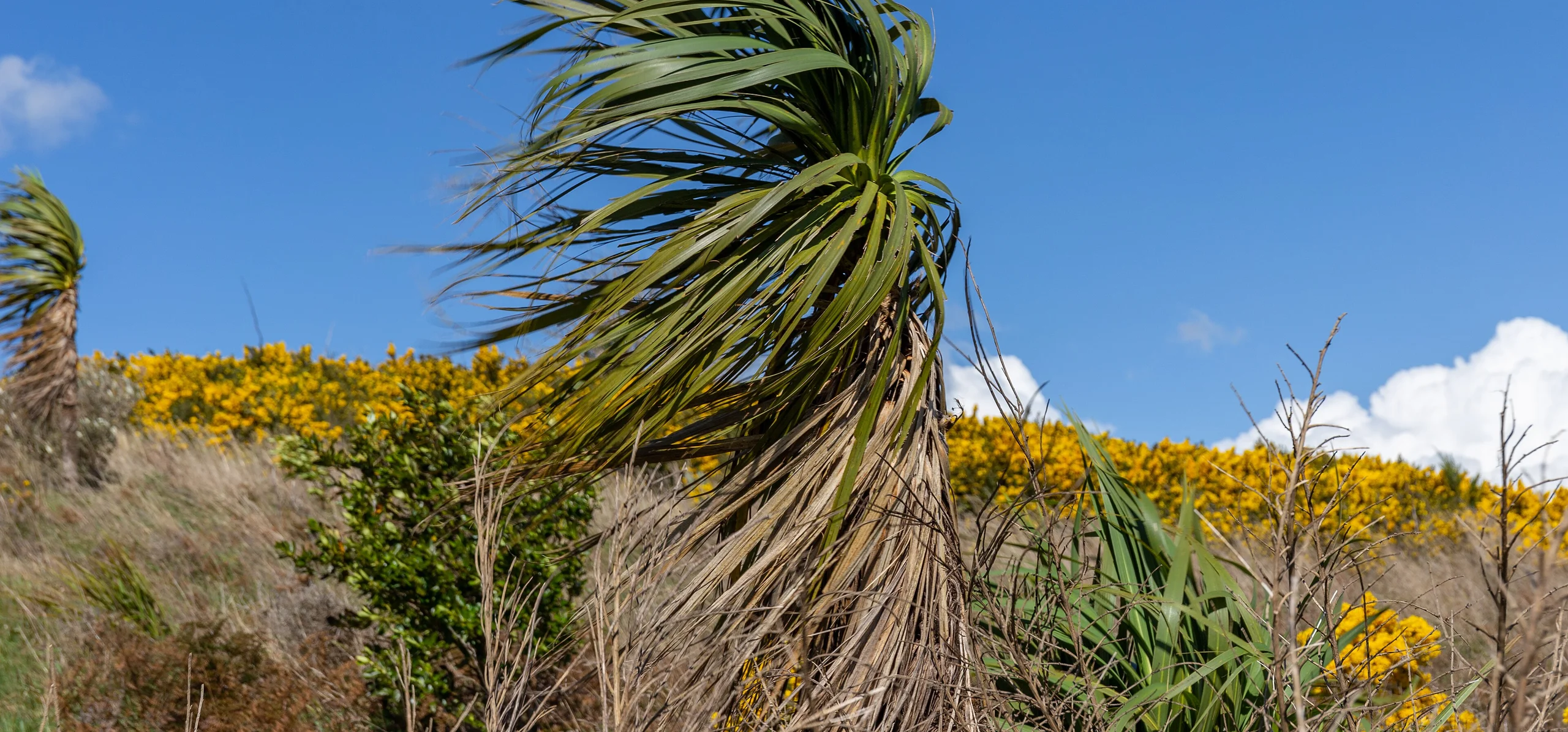
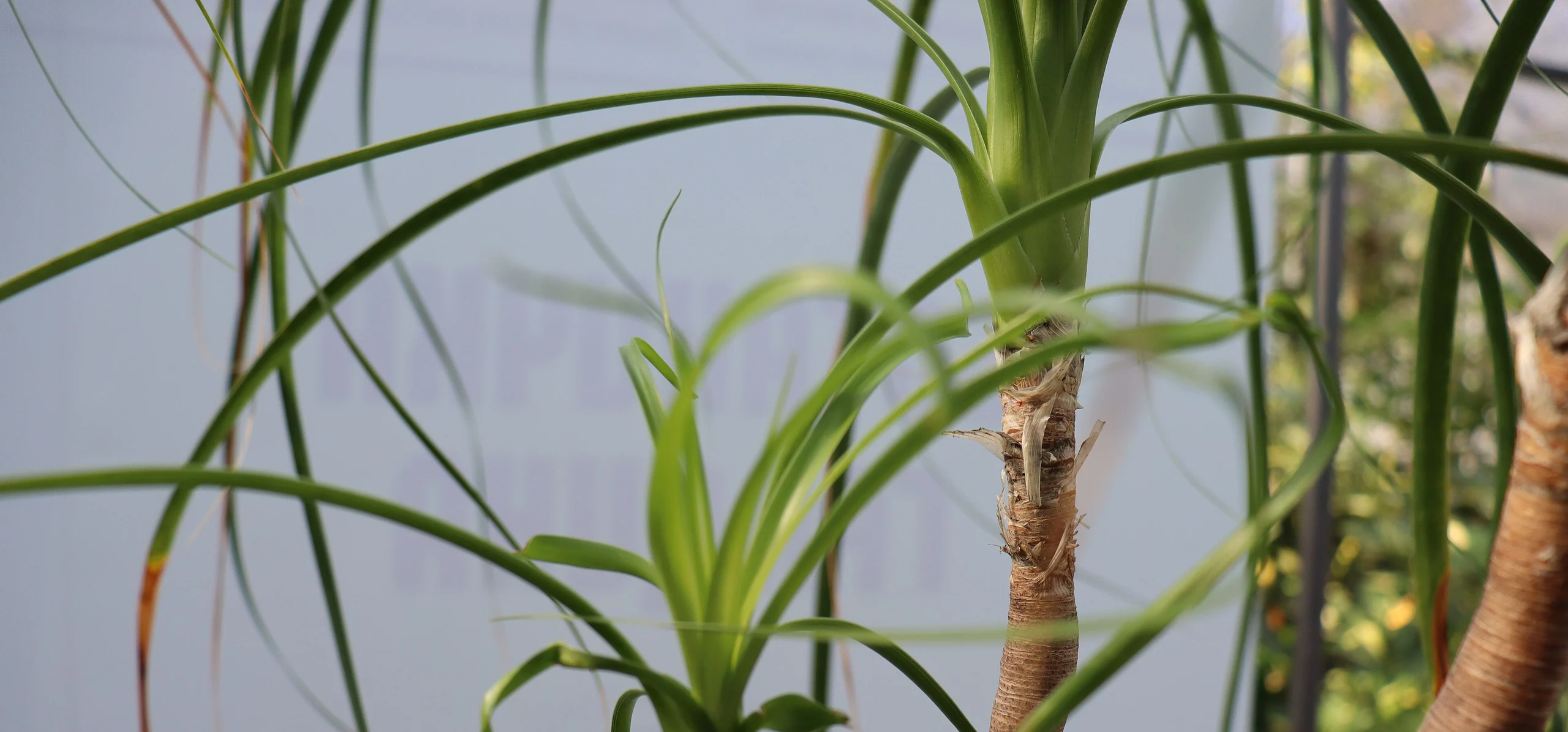
A ponytail palm arrives looking almost cartoonish: a bulging, bark-covered base topped with a fountain of thin, arching leaves that owe more to grass than to any palm frond. That swollen base, called a caudex, is a water reservoir, and it is the single fact that should shape how the plant is treated. Water it on a fixed weekly schedule like a typical houseplant and the caudex rots from the inside before any other symptom shows. Left mostly alone in bright light and a small, fast-draining pot, it will sit contentedly for years, adding only a few centimetres of height each season.
Not a palm at all
Despite the name, Beaucarnea recurvata is not related to true palms in the family Arecaceae. GBIF's accepted classification places it in Asparagaceae, in the same broad group as agaves, yuccas and Nolina; older references, including the ASPCA's own plant pages, still file it under the now-obsolete family Agavaceae, which is why the two sources can disagree on paper while describing the same plant. In the wild it grows as a caudiciform tree in rocky, poor soils in low deciduous forest and dry scrub across Mexico, specifically Oaxaca, Puebla, San Luis Potosi, Tamaulipas and Veracruz, which explains both the water-hoarding base and its tolerance for neglect. Common names reflect the same silhouette from different angles: bottle palm and elephant-foot tree both describe the trunk, not the foliage.
Light and placement
The RHS rates this species for full sun, and it holds a tighter, more upright crown of leaves the more direct light it gets. It will also tolerate light shade, which is closer to what most indoor growers can offer, but growth slows further and the leaf fountain loosens and droops more with distance from a window. A south-facing sill with a few hours of direct sun is the target; if the room only offers bright indirect light, expect a plant that survives rather than thrives. Turn the pot every few weeks if the light comes from one side only, since the crown otherwise leans hard toward the glass.
Watering: let the caudex do the work
The caudex exists to get the plant through long dry spells, so treat every watering as an event rather than a routine. Water deeply until it runs from the drainage hole, then let the pot dry out completely before watering again; in a warm, bright room that is usually every two to three weeks through the growing season. Cut back hard once temperatures drop in autumn and winter, since the RHS specifically calls for keeping the compost just moist rather than wet during the dormant months. Root and stem rot from watering too often, not too rarely, is the main way these plants die, and once the base turns soft near the soil line the damage is usually already done.


Soil and potting: small and gritty beats large and rich
The RHS lists chalk, clay, loam and sand as acceptable soil types for this species, provided drainage is sharp and the compost is not left waterlogged; a cactus or succulent mix, or ordinary potting compost cut generously with coarse sand or perlite, both work. Missouri Botanical Garden notes that container specimens do best in relatively small pots with excellent drainage, which keeps the root ball from sitting in damp, unused soil after a watering. Resist the urge to size up the pot when repotting; a container only slightly larger than the current one keeps the growing conditions the plant actually wants.
Growth rate and feeding
This is a slow plant by any measure: the RHS lists an ultimate height of 1.5 to 2.5 metres and a spread of 1 to 1.5 metres, reached over 20 to 50 years. Indoors that pace is even gentler, since pot-grown specimens are commonly kept at a fraction of the size a wild plant reaches in Mexican scrubland. Feeding needs are correspondingly light: a diluted, balanced houseplant fertiliser once or twice during the active growing months is enough, and none at all in winter, when the plant is barely using the nutrients already in the pot.
Repotting: rarely, and only a little larger
Because the caudex is doing the work a bigger root system would do on a faster-growing plant, there is little benefit to repotting often. Move up only when roots visibly circle the pot or push out of the drainage hole, which on a slow grower like this can mean once every three to five years rather than annually. When it is time, shake off the old, spent mix rather than just adding a larger pot around the existing root ball, and use the same fast-draining recipe described above.
Common problems: brown tips and stem rot
Brown, crisping leaf tips are the complaint growers see most, and they usually point the opposite direction from what people assume: underwatering, dry heating air in winter, or mineral buildup from tap water, not overwatering. An occasional deep watering with filtered or rain water eases the mineral issue. A soft, mushy or discoloured caudex is the real emergency, and it means water has been sitting around the base for too long; stop watering immediately, and if the damage is limited, cut away the affected tissue with a clean blade before letting the plant dry out and recover in bright light. NC State Extension also lists mealybugs, scale and spider mites as the pests most likely to turn up on this species, along with stem rot, bacterial leaf streaks and leaf spot as the diseases to watch for, most of which trace back to the plant sitting too wet or too crowded.
Toxicity and pet safety
The ASPCA lists Beaucarnea recurvata as non-toxic to cats, dogs and horses under both of its plant pages for the species, Bottle Palm and Pony Tail. That makes it one of the more forgiving choices for a household with pets that like to chew on foliage, though any houseplant eaten in quantity can still cause mild stomach upset that has nothing to do with a specific toxin.
Test your plant knowledge
Tap a card to flip it and reveal the answer.
Despite its common name, the ponytail palm is not a true palm. Tap to reveal ✓ True
The swollen base stores enough water that this plant should be watered on a strict weekly schedule. Tap to reveal ✕ False
The ASPCA lists Beaucarnea recurvata as non-toxic to cats, dogs and horses. Tap to reveal ✓ True
This is a fast grower that needs a bigger pot almost every year. Tap to reveal ✕ False
Brown, crispy leaf tips are always a sign of overwatering. Tap to reveal ✕ False
Sources
References consulted for this guide
- Beaucarnea recurvata (K.Koch & Fintelm.) Lem., GBIF Backbone Taxonomygbif.org
- Beaucarnea recurvata | elephant's foot, RHS Plantsrhs.org.uk
- Beaucarnea recurvata, Plant Finder, Missouri Botanical Gardenmissouribotanicalgarden.org
- Pony Tail, Toxic and Non-Toxic Plants, ASPCA Animal Poison Controlaspca.org
- Beaucarnea recurvata, NC State Extension Gardener Plant Toolboxplants.ces.ncsu.edu
- Reference entity : Wikipédiaen.wikipedia.org