Sugarberry
Celtis laevigata
Family · Cannabaceae
Sugarberry tolerates wet clay, drought, heat, alkaline soil and urban conditions once established, but young trees need pruning to avoid weak branch crotches.
Celtis laevigata
Plant profile
- WateringModerateWater every 8 days
- Light exposurePartial sun
- Ideal temperature-23–38 °C
- Hardiness zoneUSDA 6–9
Growth
- Family
- Cannabaceae
- Life cycle
- Perennial
- Growth speed
- 7/10
- Mature size
- 1500–2400 cm
- Spread
- 1200–2400 cm
- Propagation
- Seed
FloweringInconspicuous spring flowers; small edible drupes ripen orange-red to purple in late summer and fall
Dormancydeciduous, dormant in winter
Time to maturitybark roughens from smooth gray to warty with age; branch structure is set in the first 15 years of pruning
Soil & climate
- Soil types
- clay, loam, sand
- Saline soil
- Tolerated
- Drought tolerance
- Yes
Light & Placement
- Origin
- Central and southeastern United States to Mexico and Bermuda
- Where to place it
- street tree
- shade tree
- floodplain and streambank plantings
- parks and large yards
Safety
- Toxicity
- Not listed by the ASPCA for cats, dogs or horses
- Pet safe
- No
Data fromGBIF Backbone Taxonomy: Celtis laevigataPlants of the World Online (Kew): CeltisNC State Extension Gardener Plant ToolboMissouri Botanical Garden Plant Finder: University of Florida IFAS Extension: Ce
Where it grows
World distribution
Sugarberry is native to 3 countries: Bermuda, Mexico, and United States.GBIF records 22,552 documented identifications across 12 countries, with the largest concentrations in United States, Mexico, and Canada.
- Bermuda
- Mexico
- United States
Yellow to orange dots: concentration of documented identifications per country. Green countries: sourced native range. Source: GBIFNative range from POWO (Kew).
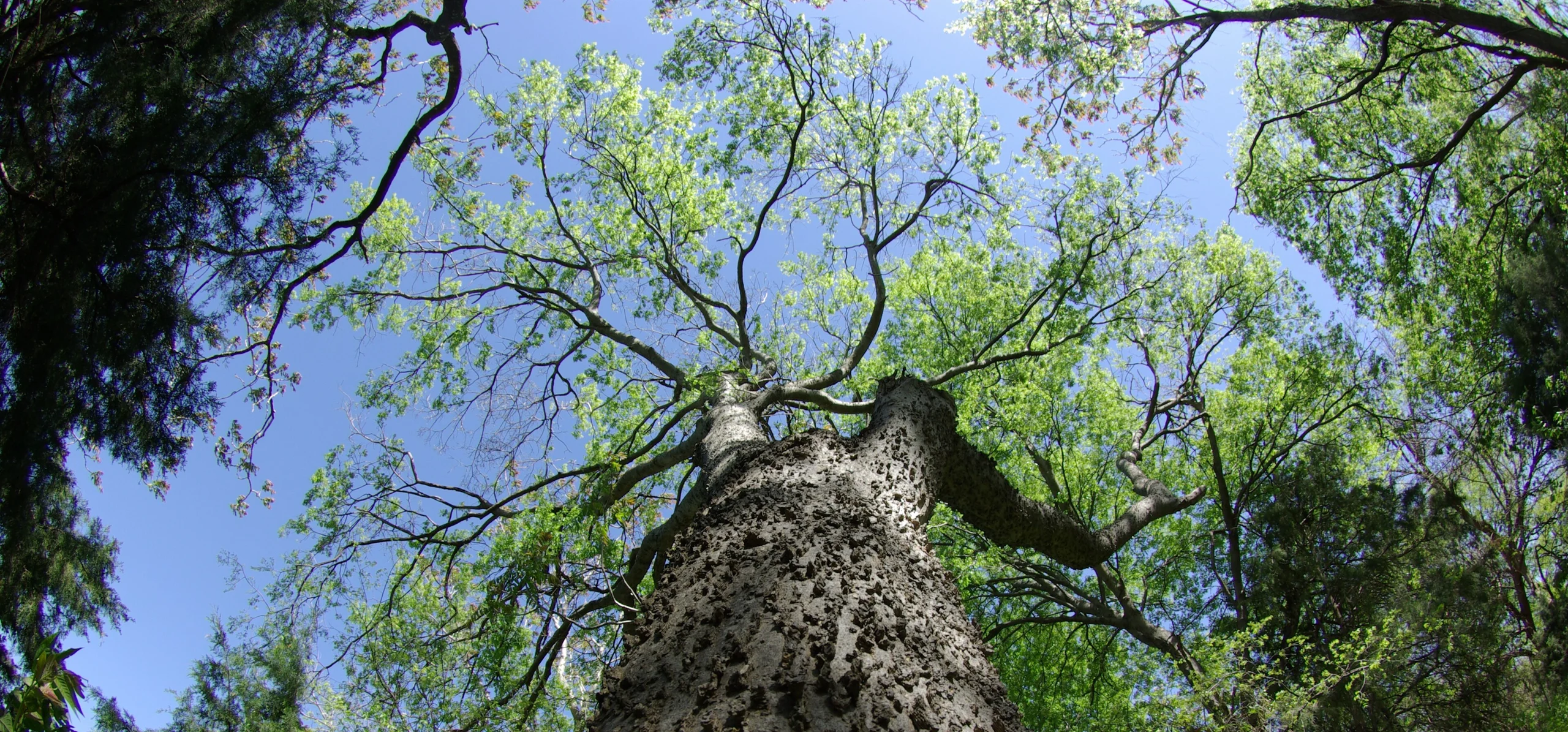
A sugarberry growing along a Gulf Coast ditch bank or planted as a street tree already outgrows most owners' expectations: Celtis laevigata is a fast grower that commonly reaches 15 to 24 m (50 to 80 ft) tall, occasionally more, with an arching, rounded crown and pale gray bark that stays smoother and less warty than that of its northern relative, common hackberry (Celtis occidentalis). It tolerates wet clay, drought once its roots are established, summer heat, alkaline urban soil and compacted ground about as well as any native shade tree across its southeastern U.S. and Texas range. The trade-off is structural: a young sugarberry left unpruned forms tight, V-shaped branch crotches that split in storms, and University of Florida extension foresters call for skilled pruning through the tree's first fifteen years to head that off. Get the framework right early and the tree needs very little attention afterward.
Origin, Family and a Reclassification Worth Knowing
The GBIF Backbone Taxonomy accepts the name Celtis laevigata Willd., placing it in the family Cannabaceae, order Rosales. That family placement is a piece of botanical history: sugarberry and the rest of the genus Celtis were classified in the elm family, Ulmaceae, for most of the twentieth century on the strength of a similar leaf shape and corky bark, and were only moved into the hemp family after molecular studies showed a closer relationship to hop and hemp than to true elms. Plants of the World Online (Kew) gives the native range as Central and southeastern U.S.A. to Mexico and Bermuda, and within that range sugarberry is overwhelmingly a floodplain and streambank tree, occurring on moist to wet soils along rivers from the Carolinas west through the Gulf states into Texas and northeastern Mexico.
Bark and Leaves: The One-Line Difference From Common Hackberry
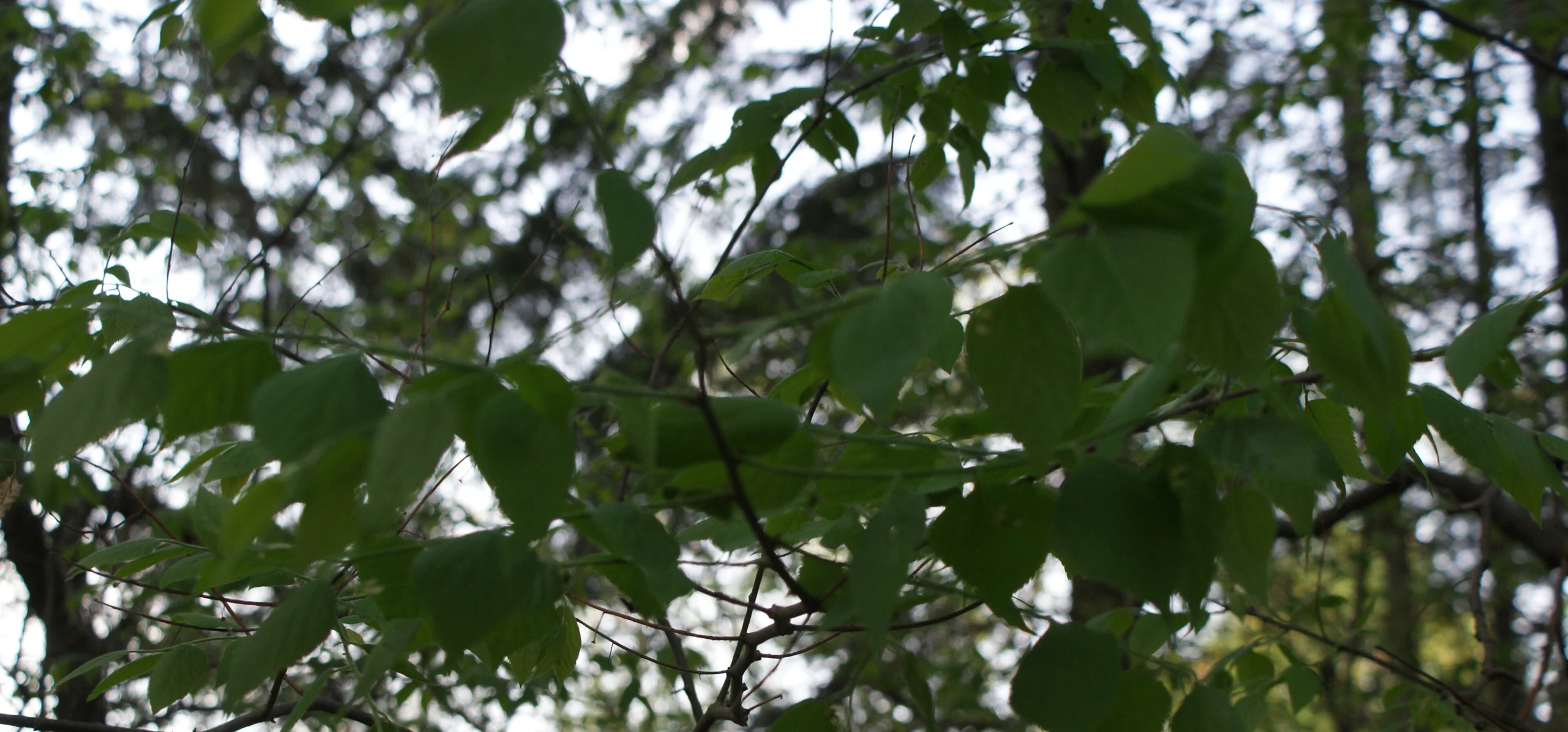
Sugarberry is essentially the southern counterpart of common hackberry, and Missouri Botanical Garden's comparison of the two species comes down to one practical line: sugarberry's fruit is juicier and sweeter, its bark is less corky, its leaves are narrower with mostly smooth rather than toothed margins, it resists witches' broom better, and it is less winter hardy, reliable to USDA zone 6 rather than the colder range common hackberry tolerates. Young bark on both species starts smooth and pale gray; sugarberry's stays that way longer, and the raised, wart-like corky bumps that develop with age are shallower and less pronounced than the heavily ridged bark of C. occidentalis. The leaves reinforce the same identification: ovate to spearhead-shaped, with an asymmetric base and, on sugarberry, edges that are mostly smooth rather than serrated along most of their length.
Site, Sun and Soil
Plant sugarberry in full sun for the fullest, most even crown, though North Carolina State Extension notes it tolerates partial shade without much loss of form. It is unusually forgiving of soil: clay, loam and sandy soils are all accepted, drainage can range from well-drained to occasionally wet or briefly flooded, and both NC State and Missouri Botanical Garden list it as tolerant of acidic through alkaline pH, salt spray and soil compaction, a combination that rules out many other shade trees for street planting. University of Florida extension foresters rate its drought tolerance and aerosol salt tolerance as high once the root system is established, though a highly alkaline site can still trigger the chlorosis common to most Celtis species; ordinary alkaline ground is not the same problem.


Watering While Young, Then Almost None
A newly planted sugarberry needs deep, regular watering through its first one to two growing seasons while the root system extends beyond the original root ball. Missouri Botanical Garden lists its water need as medium to wet, consistent with a tree native to riverbanks and periodically flooded ground, and the same NC State source that documents its wet-soil tolerance also confirms it copes with drought once rooted. In practice that means watering on a normal establishment schedule for the first two years and then relying on rainfall except in extended dry spells, rather than the ongoing supplemental watering a less drought-tolerant species would need.
Pruning for Structure, Then Almost Nothing
This matters more for sugarberry than for most other shade trees. University of Florida extension foresters describe the species as fast-growing with an irregular crown and branches prone to breakage, and call for skilled structural pruning through the tree's first fifteen years to establish a dominant leader and wide-angled branch unions rather than the tight, V-shaped crotches and multiple competing trunks it forms if left unchecked; those narrow crotches are the weak point that splits in wind and ice storms later on. The same sources note the tree compartmentalizes wounds poorly, so large, badly placed cuts on a mature tree can lead to trunk rot rather than clean healing. Once the framework is set, mature sugarberry needs little routine pruning beyond removing damaged wood. Expect ongoing litter regardless: fruit and small twig drop are steady through fall and winter, and several southern cities that otherwise plant sugarberry as a street tree restrict it specifically because of that combination of brittle branch structure and litter.
Fruit, Wildlife and the Butterflies It Feeds
Inconspicuous greenish flowers in spring give way to small, round drupes that ripen from green through orange-red to a deep, sweet purple by late summer and fall. Missouri Botanical Garden describes the ripe fruit as edible and sweet, with a single round seed inside, and it is heavily used by birds and small mammals that disperse the seed well beyond the parent tree. The same source lists sugarberry as a larval host plant for the hackberry emperor, tawny emperor, American snout, question mark and mourning cloak butterflies, making a single tree disproportionately valuable for a butterfly garden compared with most ornamental shade trees. Older trees in the wild and in landscapes are also a favorite host for parasitic mistletoe, which spreads through a mature canopy over years; removing clumps as they appear is worth the effort on a tree meant to stay ornamental.
Cosmetic Problems: Galls, Witches' Broom and Mildew
None of sugarberry's common problems are serious. Hackberry nipple gall, caused by a psyllid insect, is so common that Missouri Botanical Garden describes it as a routine identification aid for the genus; the pouch-like galls disfigure leaves but do not harm the tree. Powdery mildew and leaf spot appear occasionally, worse in wet weather, and scale insects are the main pest to watch for, manageable with horticultural oil. Sugarberry has good resistance to witches' broom, the dense, contorted twig cluster that disfigures common hackberry far more often, one more mark in the comparison between the two species.
Toxicity and Its Place as a Native Shade Tree
A search of the ASPCA's toxic and non-toxic plant lists for cats, dogs and horses returns no entry for sugarberry, hackberry or Celtis, so its status for pets is undocumented rather than confirmed either way; the tree's main household nuisance is dropped fruit and twigs rather than any known toxic principle. That aside, sugarberry earns its place as a substitute for American elm in southern shade tree and street tree plantings: it carries the same broad, arching, vase-shaped form elm once supplied, without the vulnerability to Dutch elm disease, and its tolerance of compacted, alkaline, salted urban soil makes it one of the more dependable native trees for parking strips, parks and floodplain restoration plantings across its range.
Test your plant knowledge
Tap a card to flip it and reveal the answer.
Sugarberry's bark stays smoother and less warty than that of common hackberry, Celtis occidentalis. Tap to reveal ✓ True
Celtis laevigata is currently classified in the elm family, Ulmaceae. Tap to reveal ✕ False
A young sugarberry needs structural pruning to avoid weak, V-shaped branch crotches. Tap to reveal ✓ True
Sugarberry cannot tolerate compacted or alkaline urban soil. Tap to reveal ✕ False
Sugarberry is a larval host plant for the hackberry emperor and question mark butterflies. Tap to reveal ✓ True
Sources
References consulted for this guide
- GBIF Backbone Taxonomy: Celtis laevigata Willd.gbif.org
- Plants of the World Online (Kew): Celtis laevigata Willd.powo.science.kew.org
- NC State Extension Gardener Plant Toolbox: Celtis laevigataplants.ces.ncsu.edu
- Missouri Botanical Garden Plant Finder: Celtis laevigatamissouribotanicalgarden.org
- University of Florida IFAS Extension: Celtis laevigata (ENH297/ST138)ask.ifas.ufl.edu
- Reference entity : Wikipédiaen.wikipedia.org