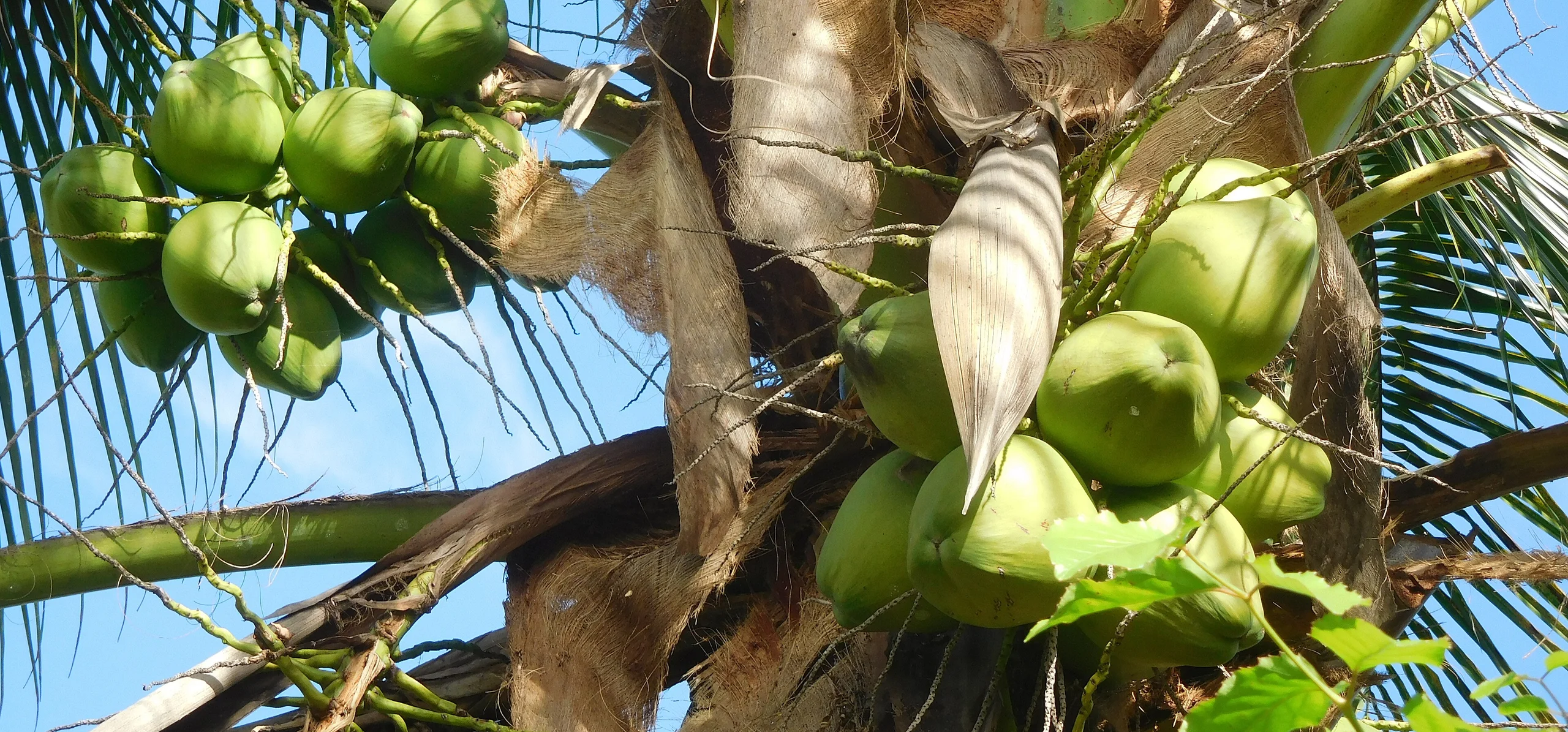
Coconut Palm
Cocos nucifera
Family · Arecaceae
A coconut palm sold with the nut on top rarely lasts indoors; here is the light, warmth and humidity it needs, and where it thrives outdoors.
Cocos nucifera
Plant profile
- WateringHighWater every 5 days
- Light exposureFull sun
- Ideal temperature0–35 °C
- Humidity70–90 %
- Hardiness zoneUSDA 10–12
Growth
- Family
- Arecaceae
- Life cycle
- Perennial
- Growth speed
- 6/10
- Mature size
- 2400–3000 cm
- Spread
- 600–900 cm
- Flowering
- First flowers after 4-6 years; full fruit production after about 20 years
- Propagation
- Seed
Dormancyno true dormancy; growth stalls below about 18 °C or in low light
Time to maturity4-6 years to first flowering; full fruit production around 20 years
Soil & climate
- Soil pH
- pH 5.5–7.5
- Soil types
- sand, loam
- Saline soil
- Tolerated
- Drought tolerance
- No
Light & Placement
- Origin
- Central Malesia to the southwestern Pacific (POWO); now pantropical
- Where to place it
- South-facing window with several hours of direct sun
- Greenhouse or sunroom with supplemental grow light in winter
- Full sun, open coastal or beachfront planting
- Sheltered from any risk of frost or freezing wind
- Deep 15 to 20 gallon (about 55 to 75 L) container with generous drainage
Safety
- Toxicity
- Not evaluated by the ASPCA; toxicity undetermined
- Pet safe
- No
Invasive speciesnot generally listed as invasive; spread is limited by seed viability and the need for sustained tropical warmth
Data fromCocos nucifera L., GBIF Backbone TaxonomCocos nucifera L., Plants of the World OCoconut Palm, UF/IFAS Gardening SolutionPP146/PP-222: Lethal Yellowing (LY) of P
Where it grows
World distribution
Coconut Palm is native to 9 countries: Australia, Indonesia, Papua New Guinea, Philippines, Samoa, Solomon Islands, Tokelau, and Tonga….GBIF records 52,707 documented identifications across 154 countries, with the largest concentrations in India, United States, and Mexico.
- Australia
- Indonesia
- Papua New Guinea
- Philippines
- Samoa
- Solomon Islands
- Tokelau
- Tonga
- Vanuatu
Yellow to orange dots: concentration of documented identifications per country. Green countries: sourced native range. Source: GBIFNative range from POWO (Kew).
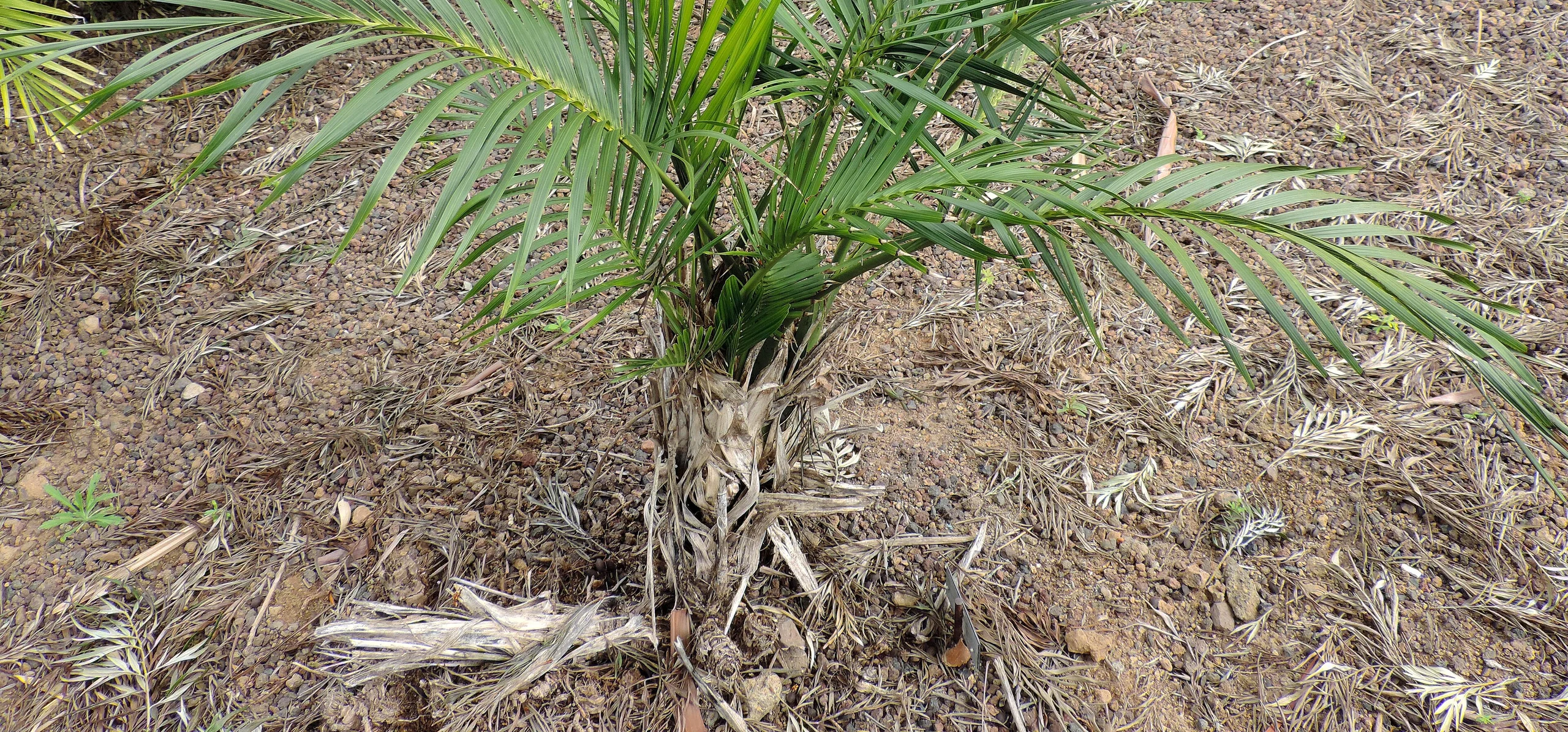
A young Cocos nucifera is usually sold still attached to its germinated nut, the fibrous brown husk sitting at soil level with a single arching frond rising from it. That nut is not decoration: the seedling is still drawing on the stored endosperm inside it, which is why the plant can look healthy for months in a dim office or living room before it runs out of reserves and stalls. Indoors, most coconut palms decline within a year or two regardless of how attentively they are watered, because the light, humidity and warmth a real palm canopy needs are almost never available in a house. The sections below cover what actually keeps one alive a while longer, and where it will genuinely thrive.
Buying One: What That Nut on Top Means
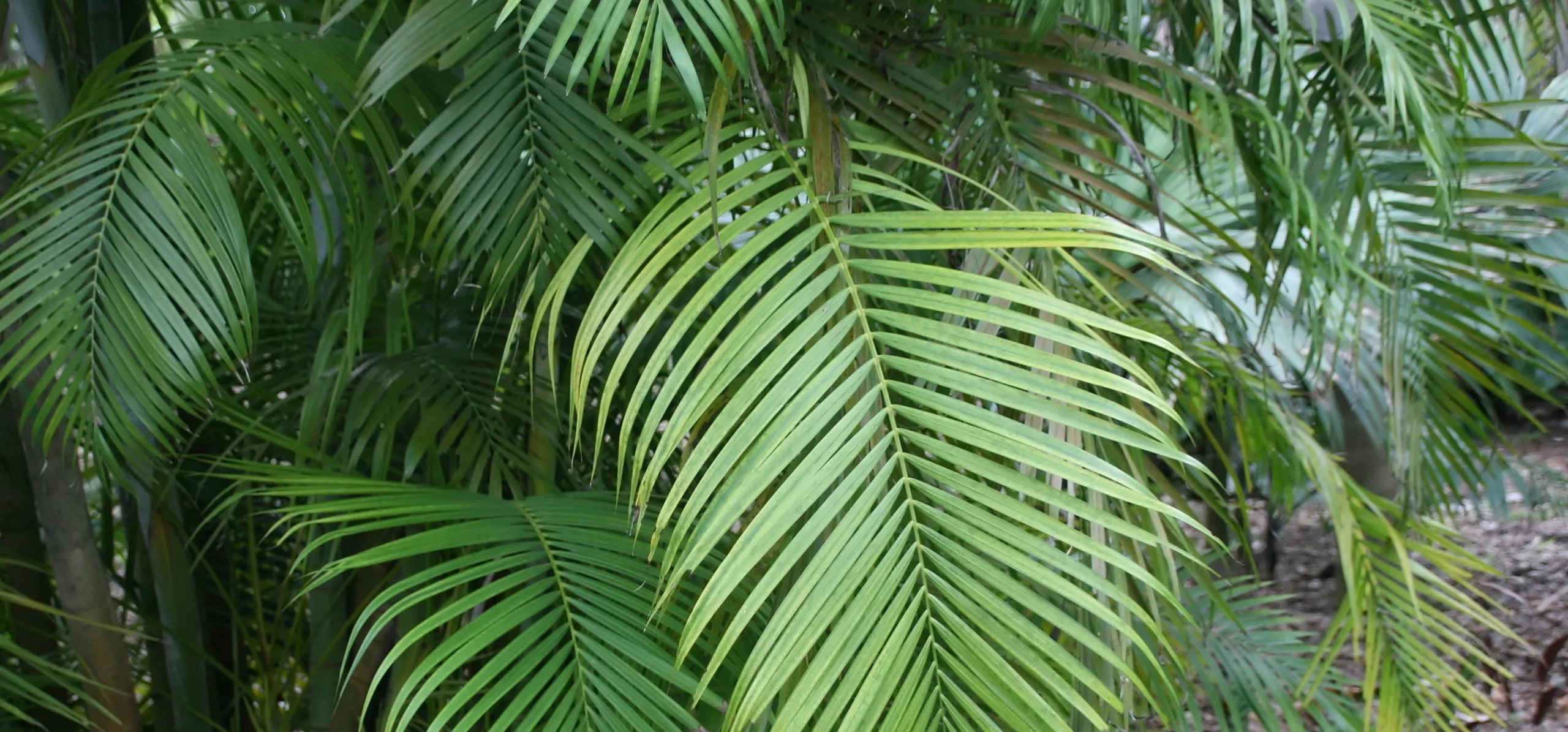
Garden centers sell Cocos nucifera as a novelty houseplant precisely because the whole nut germinates and ships intact, unlike most palms grown from small seed. The husk you see is doing double duty as root anchor and food reserve, and the single strap-shaped leaf is the plant's first true frond, not its final form; a mature outdoor palm eventually produces a full crown of pinnate, feather-shaped fronds several meters long. Once the nut's stored starch is exhausted, usually within the first year or two, the seedling depends entirely on light and root uptake like any other plant, which is the point at which most indoor specimens start visibly failing.
Why It Almost Always Declines Indoors
Outdoors, Cocos nucifera grows in full, unfiltered tropical sun for most of the day; indoors, even a bright room delivers a fraction of that intensity, and the seedling responds with pale, elongated, weak new growth. Native humidity around a coconut palm runs roughly 70 to 90 percent, while the average heated or air-conditioned home sits closer to 30 to 40 percent, and the leaf tips brown and crisp as a direct result of that gap. Cold finishes what low light and dry air start: this species has essentially no frost tolerance, growth already stalls below about 18 degrees Celsius (64 degrees Fahrenheit), and a single hard freeze around 0 degrees Celsius (32 degrees Fahrenheit) that reaches the growing tip kills the whole plant outright, indoors or out.
Giving It a Real Chance Indoors
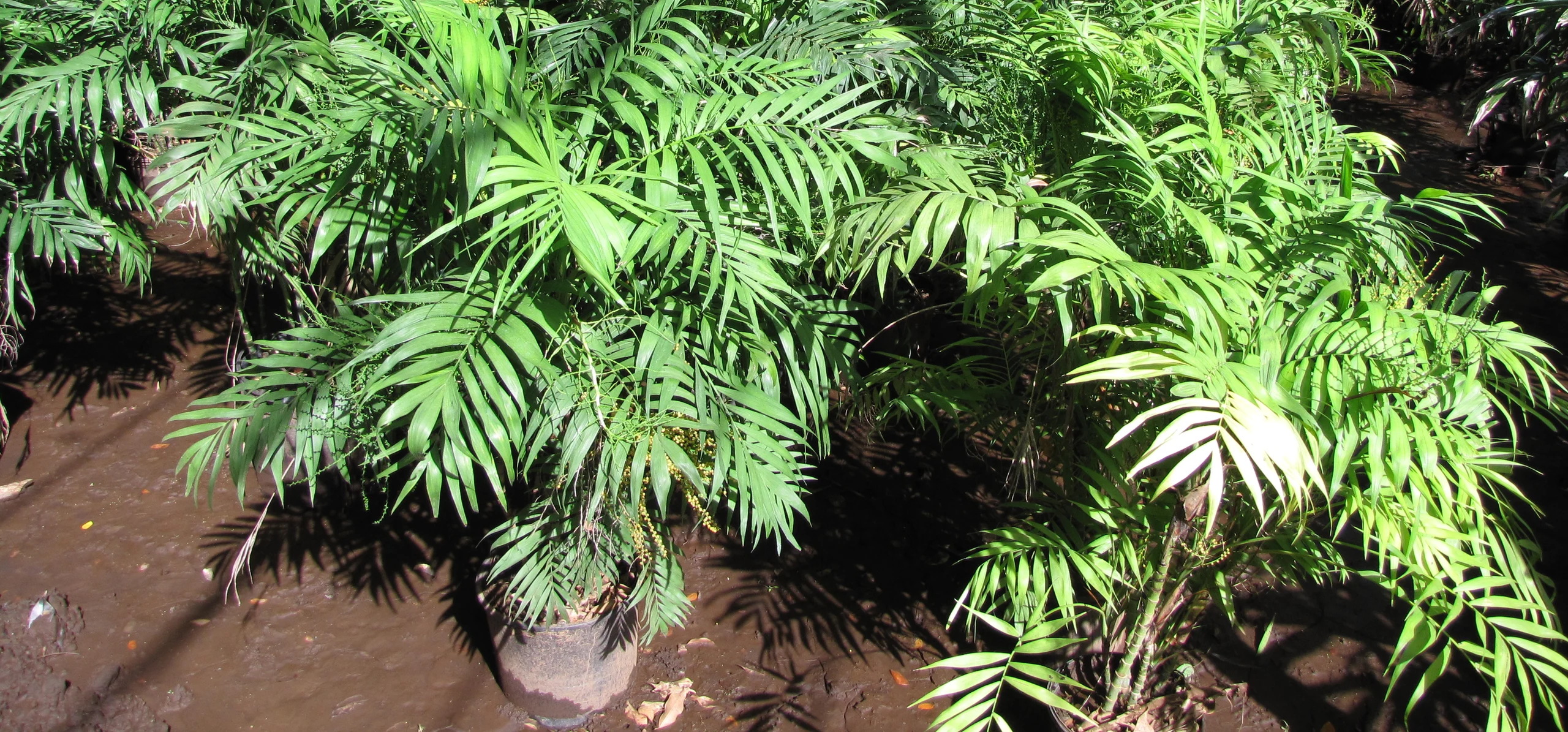
The closest indoor equivalent to its native conditions is a south-facing window with several hours of direct, unobstructed sun, ideally supplemented with a grow light through the darker months; anything dimmer than that produces a slow, stretched decline rather than real growth. Keep the room reliably above 20 degrees Celsius (68 degrees Fahrenheit) year-round, run a humidifier or a pebble tray nearby, and mist is not a substitute for sustained ambient humidity, which needs to stay elevated around the clock rather than for a few minutes after spraying. Water enough to keep the soil evenly moist without ever waterlogging it, since a coconut's fibrous husk holds moisture unevenly and both drought stress and a permanently soggy base will kill it.


Watering and Soil
A loose, sandy, fast-draining mix mimics the coastal soils this palm evolved in far better than a dense, moisture-retentive potting compost, and a container without generous drainage holes is one of the more common ways an indoor coconut is lost to root rot. Feed lightly during active growth with a palm-formulated fertilizer, since deficiencies show up first as yellowing or spotting on the older, lower leaves. A container coconut also outgrows small pots quickly for its size; a 15 to 20 gallon (roughly 55 to 75 liter) pot with real depth suits a specimen that has already produced several true fronds, because the root system runs deep rather than wide.
Growing Outdoors: True Tropics Only
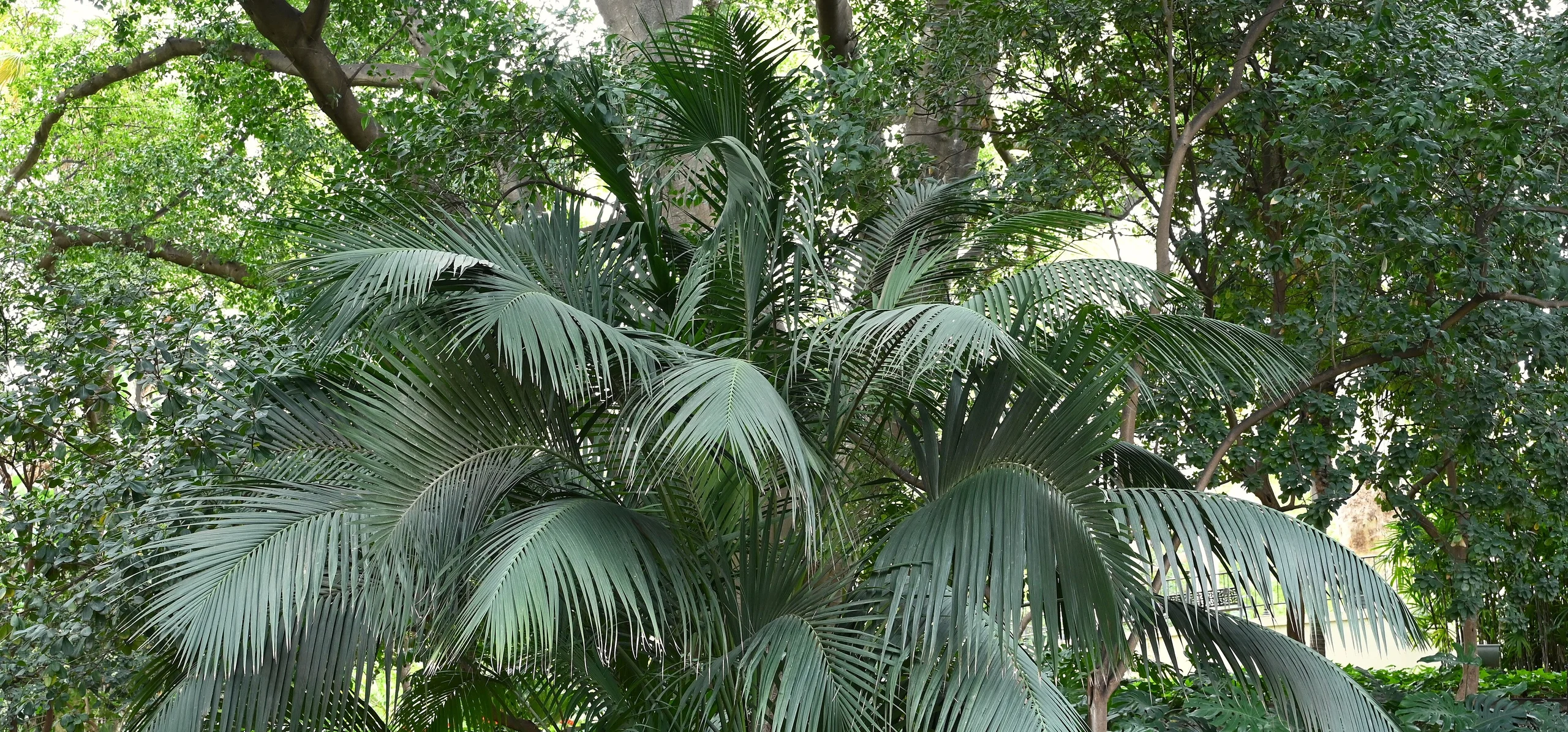
Cocos nucifera is only a realistic garden plant in USDA hardiness zones 10b to 11, where winter lows never approach freezing, and it needs full sun, sandy well-drained soil and consistent warmth to reach its natural height of roughly 24 to 30 meters (80 to 100 feet) over its lifetime. It is also one of the most salt-tolerant palms grown, handling direct salt spray and brackish coastal soils that would damage most other landscape trees, which is exactly why it lines so many tropical beachfronts rather than inland gardens. A tree planted from seed typically flowers after four to six years and reaches full fruit production only after about two decades, so garden specimens are a long-term commitment, not a quick payoff.
Lethal Yellowing Disease
Lethal yellowing is the coconut palm's most serious threat in the Americas and the Caribbean: a phytoplasma, a wall-less bacterium-like organism, spread from palm to palm by the planthopper insect Haplaxius crudus as it feeds. Early symptoms are premature fruit drop with a blackened, water-soaked patch at the stem end, followed by blackening flower stalks and yellowing that begins in the oldest, lowest fronds and works upward; once the youngest spear leaf collapses, the growing point is usually already dead. Infected palms typically die within three to five months of the first visible symptoms, and the only real countermeasures are preventive oxytetracycline trunk injections repeated every four months or planting resistant selections such as 'Malayan Dwarf' instead of susceptible seedling coconuts.
Sprouting Your Own Nut
A mature, husked coconut still sloshing with liquid when shaken can be started at home: soak it in water for a day or two, then bury it on its side, three-quarters submerged, in damp sand or coarse potting mix, with the soft, rounder eye of the three left facing up or slightly exposed. Keep the medium consistently moist and the temperature at 24 degrees Celsius (75 degrees Fahrenheit) or higher, and covering the pot loosely with plastic to hold humidity around the husk speeds germination noticeably. A viable nut sends up a pale, folded spear over a period of weeks to a few months; pot it on once roots are several centimeters long and the first leaf has begun to unfurl, and expect the seedling to need exactly the light and warmth described above from that point forward.
Toxicity and Pet Safety
Cocos nucifera does not currently appear as its own entry in the ASPCA's toxic and non-toxic plant database, so there is no official ASPCA determination either way for cats, dogs or horses. Coconut flesh, milk and oil in food form are widely treated as pet-safe in small amounts by veterinary sources, but that is a statement about the fruit as food, not an evaluation of the whole plant, and a swallowed piece of husk or shell is a physical choking and obstruction risk regardless of toxicity. Treat the plant itself as unassessed rather than confirmed safe, and keep curious pets from chewing on the fibrous husk or the sharp-edged fronds.
Test your plant knowledge
Tap a card to flip it and reveal the answer.
A coconut palm bought as a houseplant, nut and all, will typically thrive indoors for many years. Tap to reveal ✕ False
If frost reaches the growing tip at the top of the trunk, the whole coconut palm dies. Tap to reveal ✓ True
Coconut palms tolerate salt spray and sandy coastal soil better than most landscape trees. Tap to reveal ✓ True
Lethal yellowing disease is caused by a fungus spread through pruning tools. Tap to reveal ✕ False
The ASPCA has published a dedicated toxicity listing confirming Cocos nucifera is safe for pets. Tap to reveal ✕ False
Sources
References consulted for this guide
- Cocos nucifera L., GBIF Backbone Taxonomygbif.org
- Cocos nucifera L., Plants of the World Online (Kew)powo.science.kew.org
- Coconut Palm, UF/IFAS Gardening Solutionsgardeningsolutions.ifas.ufl.edu
- PP146/PP-222: Lethal Yellowing (LY) of Palm, UF/IFAS EDISask.ifas.ufl.edu
- Reference entity : Wikipédiaen.wikipedia.org