Kentia Palm
Howea forsteriana
Family · Arecaceae
Kentia palm (Howea forsteriana) care: tolerates low light and cool rooms, water only when the top few centimetres dry out, and it resents frequent repotting.
Howea forsteriana
Plant profile
- WateringModerateWater every 10 days
- Light exposurePartial shade
- Ideal temperature15–27 °C
- Hardiness zoneUSDA 9–11
Growth
- Family
- Arecaceae
- Life cycle
- Perennial
- Growth speed
- 2/10
- Mature size
- 800–1200 cm
- Spread
- 400–800 cm
- Flowering
- Rare and slow indoors; needs many years of growth
- Propagation
- Seed
DormancyNo true dormancy; growth slows in low winter light and cool temperatures
Time to maturity20 to 50 years to reach full outdoor height; far slower and smaller in a pot
Soil & climate
- Soil pH
- pH 5.5–7.5
- Drought tolerance
- Yes
Soil typesPeat-free, loam-based potting compost, Free-draining mix with added bark and leaf mould
Light & Placement
- Origin
- Lord Howe Island, Australia
- Where to place it
- North or east-facing room out of direct sun
- Windowless hallway or corner
- Bright bathroom
- Shaded patio in frost-free zone 9b-11 climates
- Container with a drainage hole, left undisturbed for years
Safety
- Toxicity
- CatsSafe
- DogsSafe
- HorsesSafe
Data fromHowea forsteriana (F.Muell.) Becc., GBIFHowea forsteriana (F.Muell.) Becc., PlanKentia Palm (Howea forsteriana) toxicityHowea forsteriana, RHSHowea forsteriana, NC State Extension Ga
Where it grows
World distribution
Kentia Palm is native to a single country: Norfolk Island.GBIF records 810 documented identifications across 24 countries, with the largest concentrations in Australia, United States, and Colombia.
- Norfolk Island
Yellow to orange dots: concentration of documented identifications per country. Green countries: sourced native range. Source: GBIFNative range from POWO (Kew).
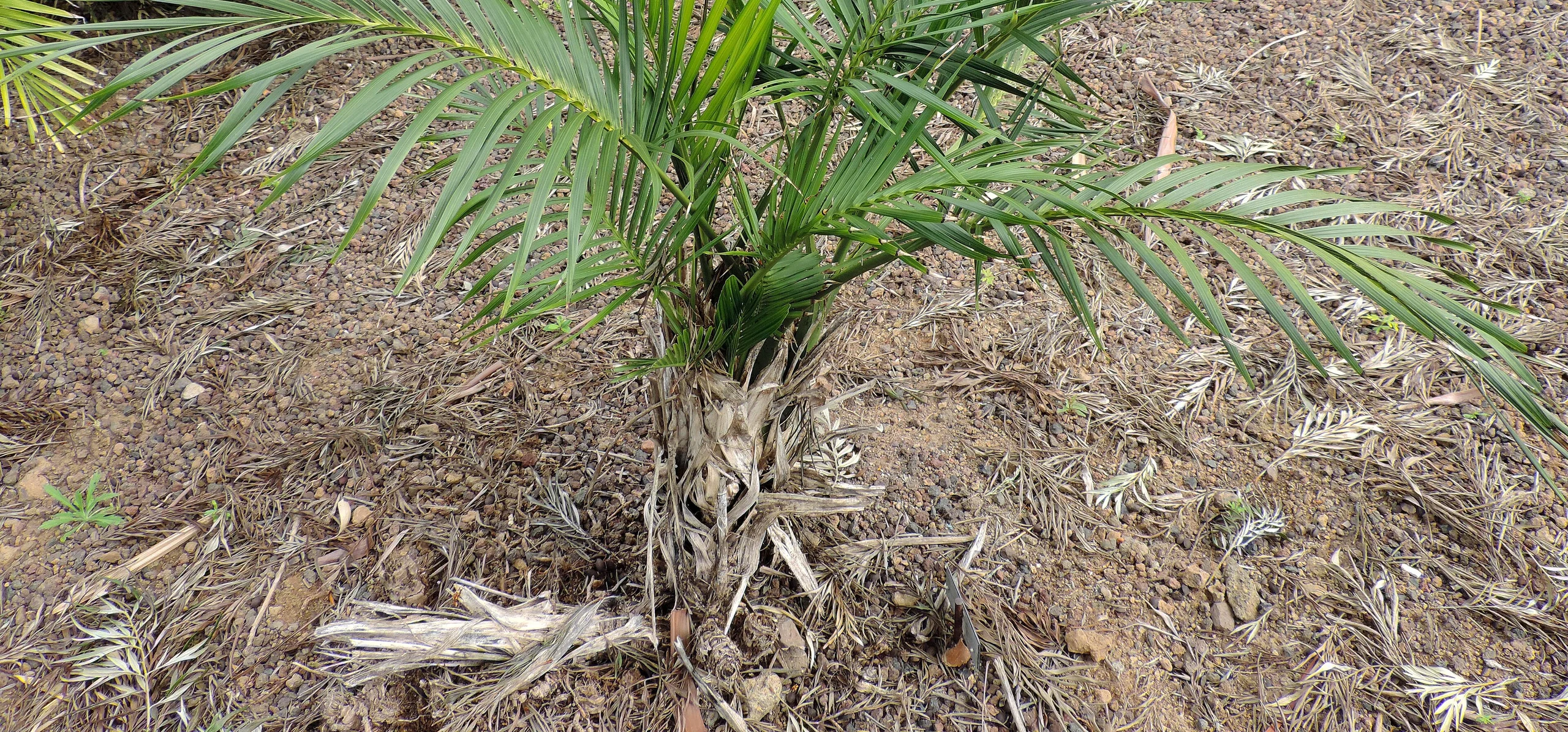
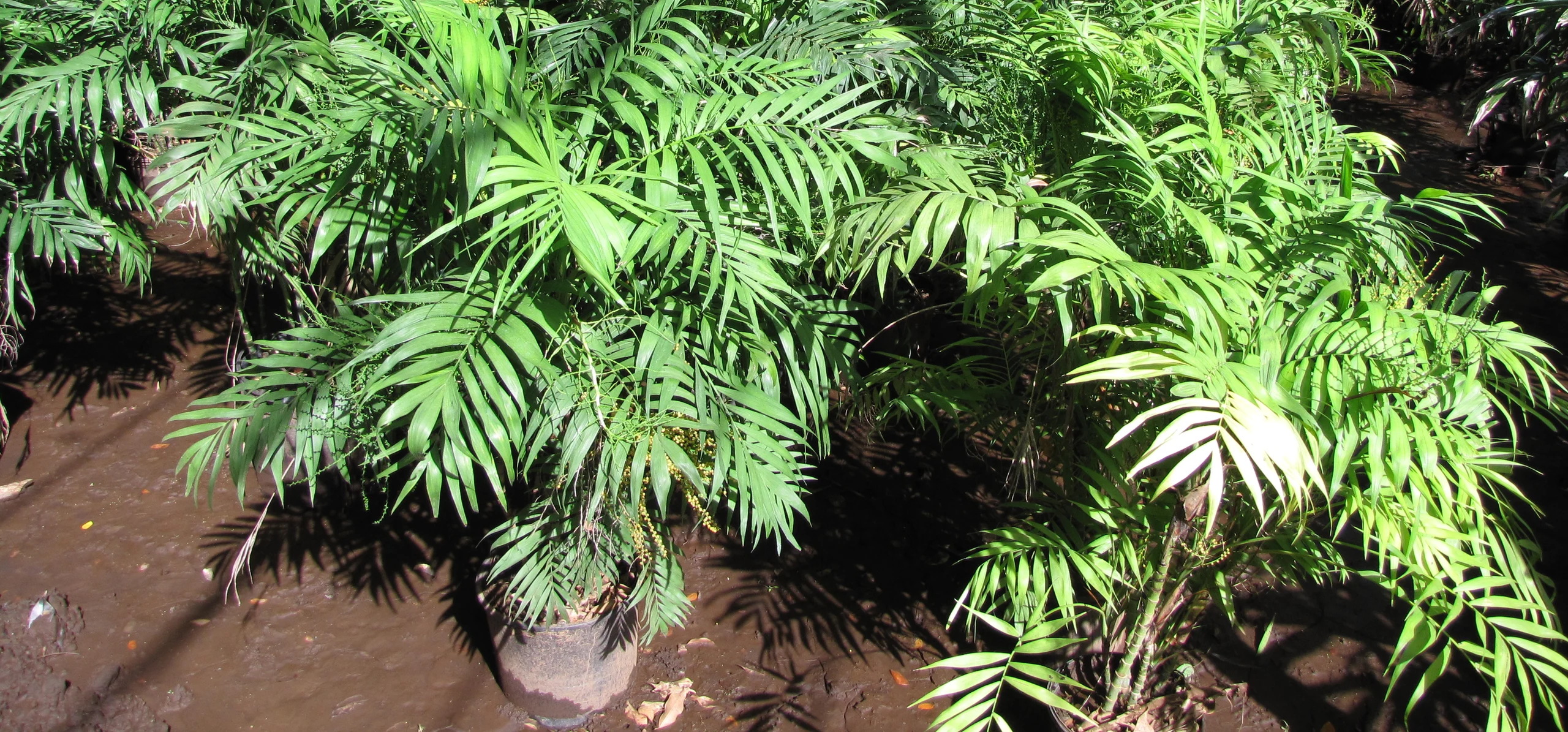
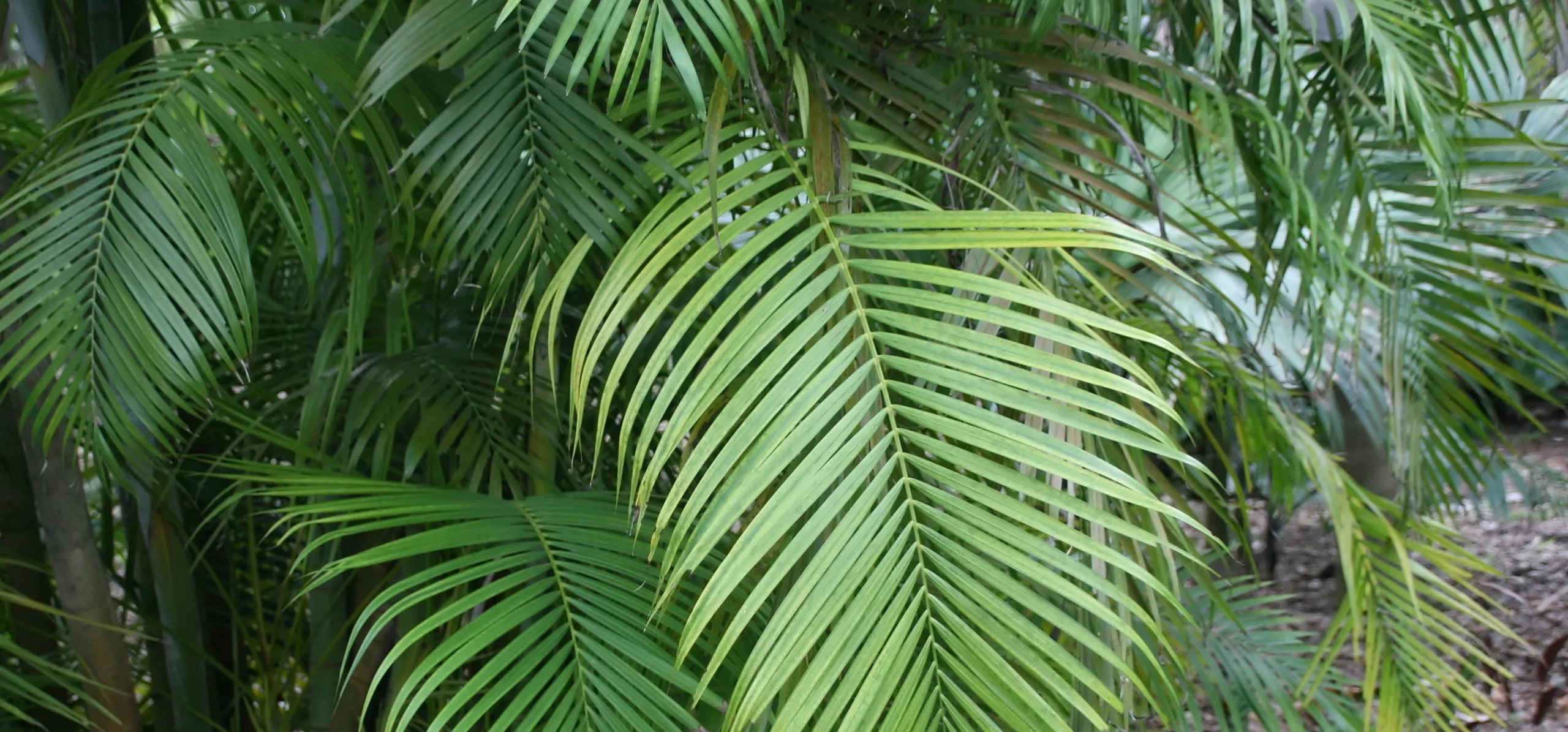
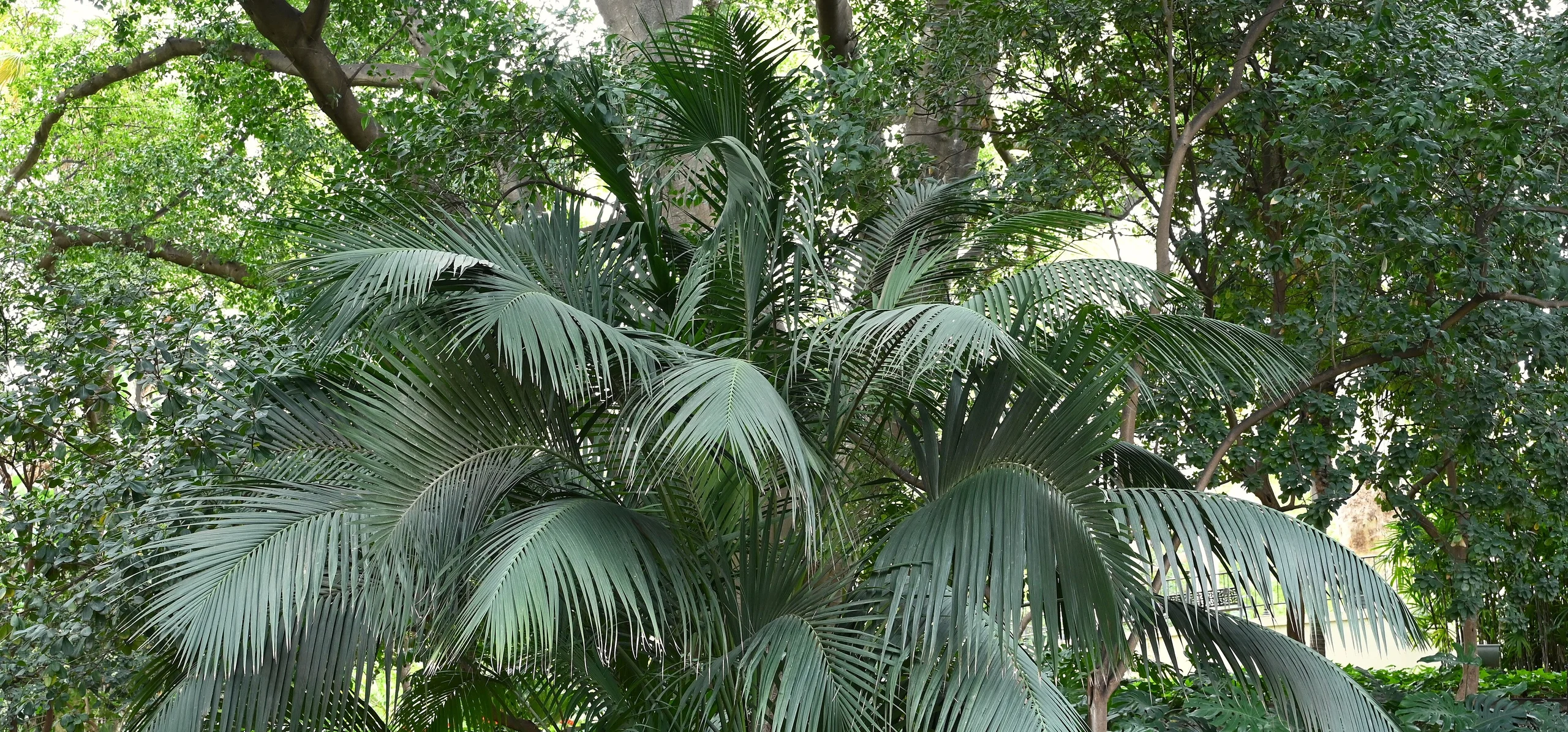
A Kentia palm sitting in a plain nursery pot looks unremarkable until you notice how well it holds its dark, arching fronds in a corner that gets almost no direct sun. Howea forsteriana became the palm of Victorian hotel lobbies and ocean liners for exactly that reason: it tolerated gas lighting, draughts and rooms too dim for almost any other palm, and a century later it still does the same job in a modern apartment. Growth is slow and deliberate, often just one or two new fronds a year indoors, so the plant you buy today will look much the same in five years rather than outgrowing its spot. Most of what goes wrong with a Kentia traces back to two habits: watering on a fixed schedule instead of checking the soil, and repotting it more often than it wants.
Origin on Lord Howe Island, and why it costs more than other palms
Howea forsteriana is endemic to Lord Howe Island, a small volcanic island roughly 600 km off the east coast of Australia, where it grows as an understorey palm beneath taller forest trees rather than in open sun. It has no natural offsets and cannot be divided or grown from a cutting; every plant sold anywhere in the world starts as a seed, and for well over a century the bulk of that seed has been collected and exported from Lord Howe Island itself under a licensed, tightly managed harvest that is one of the island's main industries. Kentia seed germinates slowly and unevenly, commonly taking several months to sprout, and a seedling then needs years of careful growing on before it is large enough to sell. That long, seed-only pipeline, with no shortcut through division or cuttings, is the main reason a Kentia palm costs noticeably more than a palm that can be split at the roots.
Light: the best palm for a shady corner
Give it partial shade or bright indirect light and it grows fuller and a little faster, but its real strength is tolerating spots most palms cannot: a north or east-facing room, a windowless hallway, or a bathroom lit only by borrowed light. Hours of direct summer sun through unshaded glass will scorch and bleach the fronds, so a curtain-filtered south or west window is safer than one with no cover at all. In a genuinely dark corner the plant simply slows down further rather than declining, which is why it survives for decades in lobbies and stairwells that see no direct sun at all.

Watering: judge the top few centimetres, not the calendar
Push a finger into the mix before watering, and only water once the top few centimetres have dried out; then water thoroughly and let the excess drain away rather than letting the pot sit in a saucer. Cut back further in winter, when growth all but stops and the roots need far less. Overwatering, not underwatering, is the more common killer on this species: fronds turn a uniform pale yellow, the base of the stem softens, and by the time the smell of rot is obvious the roots are usually already damaged. A plant kept slightly on the dry side for a week too long recovers; one left standing in water for the same week often does not.
Temperature, humidity and the cause of brown tips
A Kentia is comfortable in rooms most tropical houseplants find too cool, tolerating temperatures down to around 15 degrees C without complaint, which is part of why it worked so well in draughty Victorian hallways and unheated conservatories. What it does not tolerate well is dry indoor air: centrally heated rooms in winter, and the fluoride and dissolved salts that build up from tap water and routine feeding, both show up as the same symptom, a band of crisp brown tissue along the tips and edges of otherwise healthy fronds. Once that tissue is dead it stays brown; the fix is prevention, not cure, using rainwater or filtered water when possible, keeping the plant away from heating vents, and grouping it with other plants or standing the pot on a tray of damp gravel to raise humidity around the foliage.
Potting and why it hates being disturbed
A Kentia's root system dislikes being disturbed, and the plant often sulks, dropping or yellowing fronds, for weeks after a repot into a much larger container. Left in the same pot for several years and simply top-dressed with fresh compost each spring, it is usually happier than one moved up in size every year out of habit. When a repot is genuinely needed because roots are circling tightly at the base, move it into a pot only slightly larger, never several sizes up, using a peat-free, loam-based mix loosened with bark and leaf mould, in a container with a drainage hole so water never collects around the base of the stem.
Pruning: never touch the growing tip
Each Kentia stem carries a single growing point at its crown, and unlike palms that cluster from the base, this species has no way to branch or replace that point if it is cut or crushed. Damage the tip, whether by a careless trim, a knock in transit, or rot working down from above, and that stem stops producing new fronds and eventually dies back rather than resprouting. The only pruning a healthy plant needs is removing fully brown, dead fronds close to the trunk with clean shears; a frond with a partly brown tip is better left alone or trimmed just at the dead portion, since cutting into living green tissue only creates a fresh wound without solving the underlying cause.
Pests: spider mites and scale
Dry winter air is the main trigger for spider mites, visible as fine webbing between leaflets and a dull, stippled look to fronds where they have been feeding on the underside; raising humidity is as much a control measure as any spray. Scale insects appear as small, immobile brown bumps along the stems and leaf undersides, often with a sticky residue on nearby surfaces, and mealybugs show up as white cottony tufts wedged into leaf joints. Wipe fronds down periodically with a damp cloth to catch light infestations early, and treat established colonies with insecticidal soap or, for scale and mealybugs specifically, a cotton swab dipped in rubbing alcohol.
Toxicity to cats, dogs and people
The ASPCA lists Howea forsteriana, under both the Kentia palm and Forster sentry palm entries, as non-toxic to cats, dogs and horses, which sets it apart from many other popular houseplants and makes it a safer choice for a home with pets or young children. That does not make chewed foliage harmless in every sense: a cat that shreds a frond can still pick up a mild stomach upset from the fibrous plant material itself, so it is worth discouraging the habit even without a toxicity risk behind it.
Test your plant knowledge
Tap a card to flip it and reveal the answer.
Kentia palms are propagated only from seed, never from cuttings or division. Tap to reveal ✓ True
A Kentia palm should be repotted into a much larger pot every year to keep it growing well. Tap to reveal ✕ False
If the growing tip of a Kentia stem is cut or damaged, that stem cannot produce new fronds again. Tap to reveal ✓ True
Brown, crispy tips on a Kentia palm are usually caused by underwatering. Tap to reveal ✕ False
The ASPCA lists the Kentia palm as toxic to cats and dogs. Tap to reveal ✕ False
Sources
References consulted for this guide
- Howea forsteriana (F.Muell.) Becc., GBIF Backbone Taxonomygbif.org
- Howea forsteriana (F.Muell.) Becc., Plants of the World Online (Kew)powo.science.kew.org
- Kentia Palm (Howea forsteriana) toxicity, ASPCA Animal Poison Controlaspca.org
- Howea forsteriana, RHSrhs.org.uk
- Howea forsteriana, NC State Extension Gardener Plant Toolboxplants.ces.ncsu.edu
- Reference entity : Wikipédiaen.wikipedia.org