Cat Palm
Chamaedorea cataractarum
Family · Arecaceae
Cat palm care: why this clumping species wants constant moisture unlike other palms, plus light, humidity, feeding and division for Chamaedorea cataractarum.
Chamaedorea cataractarum
Plant profile
- WateringHighWater every 6 days
- Light exposureIndirect light
- Ideal temperature7–27 °C
- Humidity50–70 %
- Hardiness zoneUSDA 10–11
Growth
- Family
- Arecaceae
- Life cycle
- Perennial
- Growth speed
- 3/10
- Mature size
- 90–180 cm
- Spread
- 90–150 cm
- Flowering
- Small yellow flower spikes, insignificant
- Propagation
- Division
- Seed
Dormancyno true dormancy, growth slows in cooler, lower-light winter months
Time to maturityreaches full clump size in about 3 to 5 years
Soil & climate
- Soil types
- porous, organic-rich potting mix, well-draining
- Drought tolerance
- No
Light & Placement
- Origin
- Southern Mexico (Chiapas, Oaxaca, Tabasco)
- Where to place it
- east- or north-facing window
- bright bathroom away from direct sun
- shaded or dappled-shade patio, zones 10b-11 only
- understory beneath taller trees
- wide, shallow pot to fit the clumping base
- plastic nursery pot that retains moisture
Safety
- Pet safe
- No
ToxicityNot individually evaluated by the ASPCA; genus Chamaedorea is generally considered pet-safe
Data fromGBIFPlants of the World Online (Kew)RHSClemson HGIC
Where it grows
World distribution
Cat Palm is native to a single country: Mexico.GBIF records 170 documented identifications across 11 countries, with the largest concentrations in Mexico, United States, and Belize.
- Mexico
Yellow to orange dots: concentration of documented identifications per country. Green countries: sourced native range. Source: GBIFNative range from POWO (Kew).
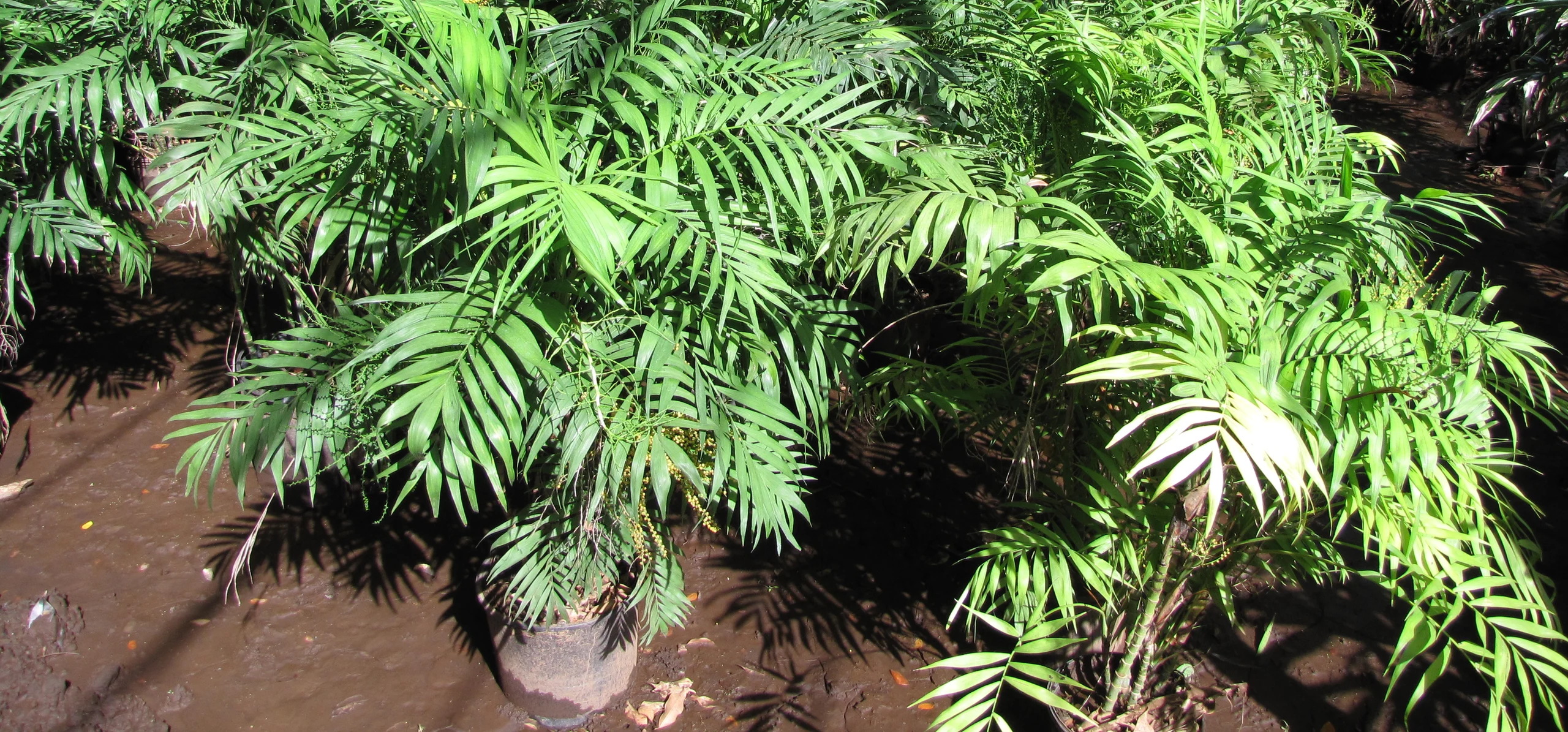
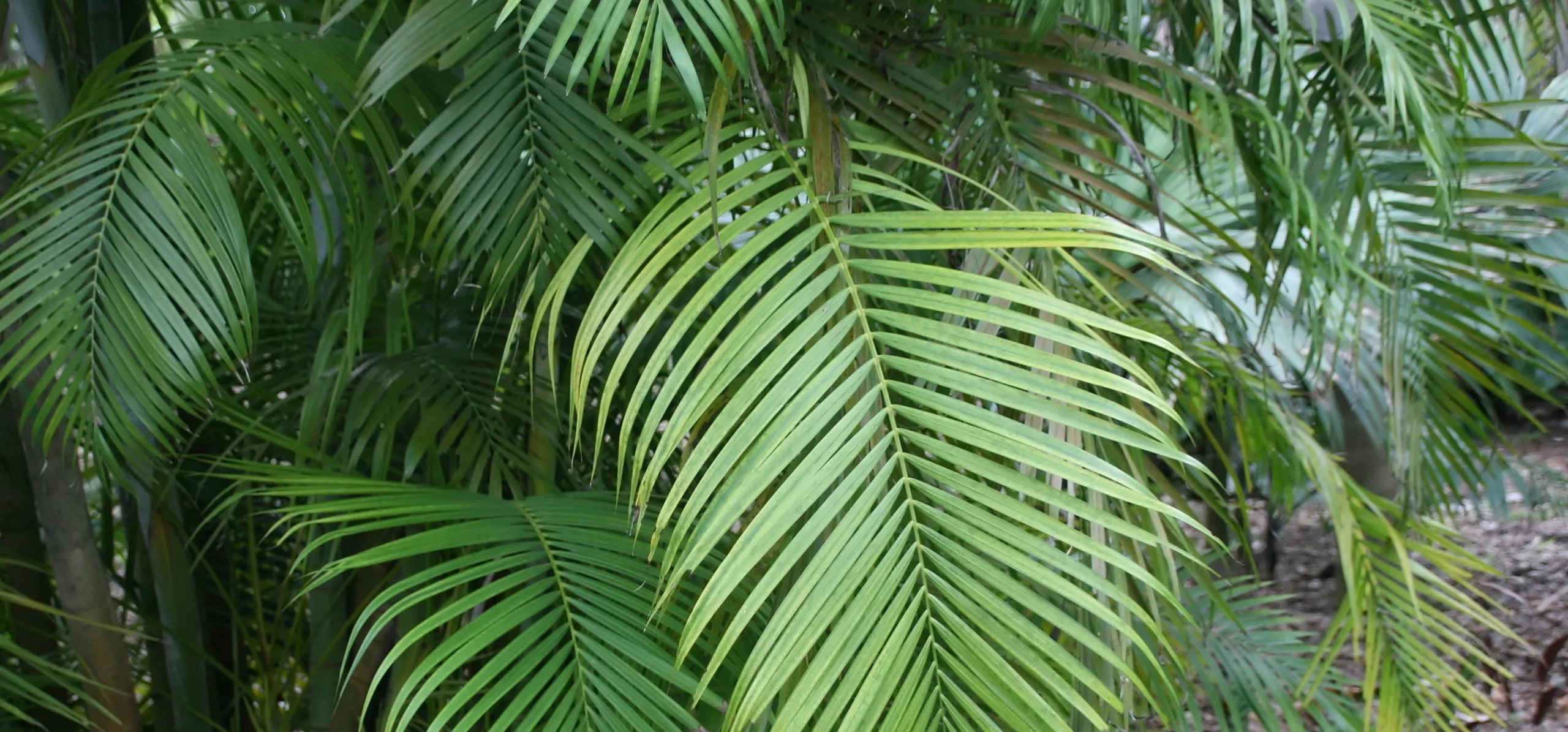
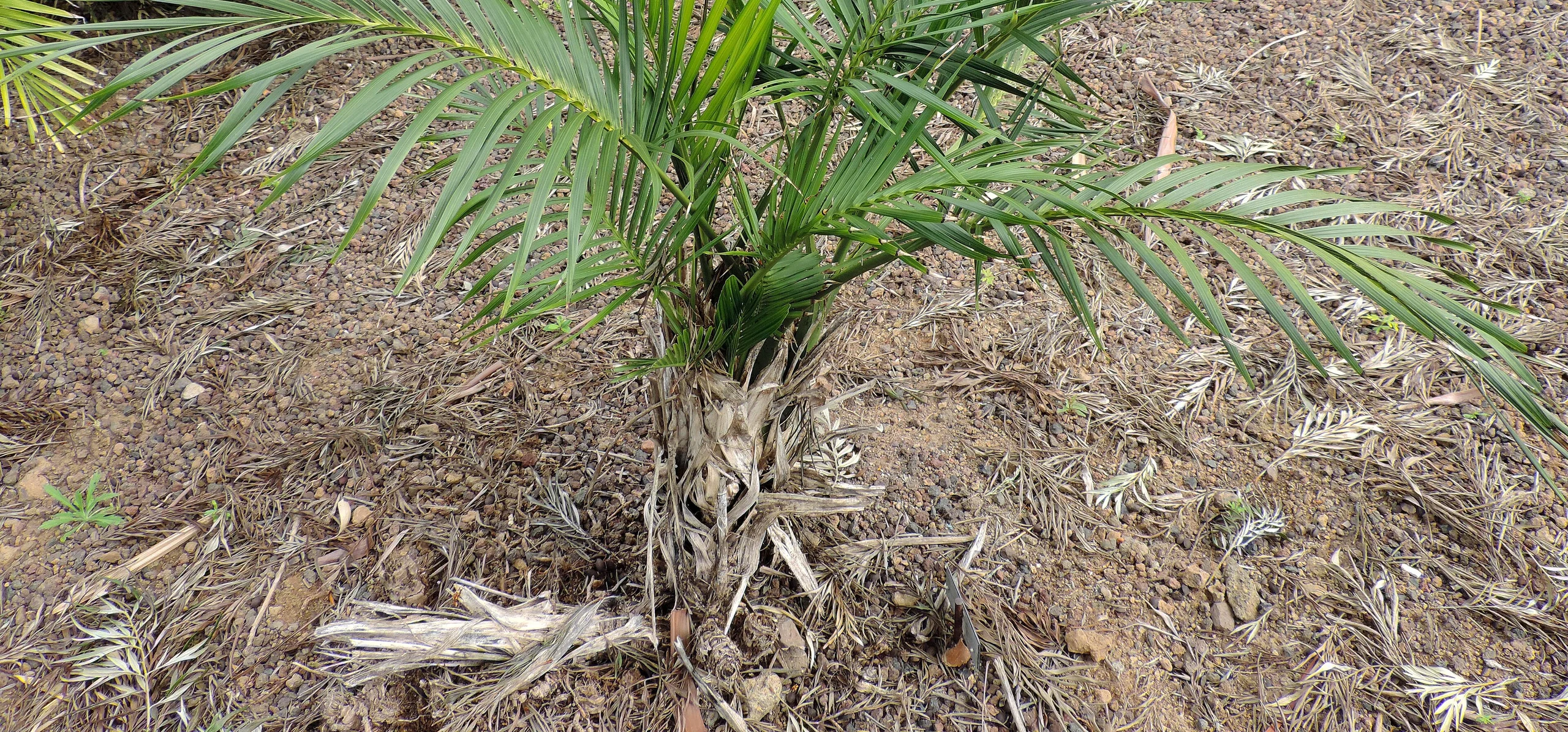
Chamaedorea cataractarum grows as a dense, trunkless clump of slender green stems topped with arching, pinnate fronds, a shape that comes from its habitat along Mexican streams rather than from the open forest floor other parlor palms occupy. The first thing to unlearn if you already grow other houseplant palms is the watering routine: this species dislikes drying out between waterings, the opposite habit of most palms sold as low-maintenance. Give it bright, filtered light rather than a dim corner, and it stays compact, dense and fully green from base to tip for years. Skip a few waterings and the outer fronds brown and crisp within days, a fast, visible sign that the usual let-it-dry rule does not apply here.
Where cat palm grows in the wild
Kew's Plants of the World Online places the native range of Chamaedorea cataractarum in southern Mexico, in the states of Chiapas, Oaxaca and Tabasco, where it grows in moist and wet forest directly along streams and cataracts on the Atlantic slope, between roughly 300 and 1,000 metres elevation, often rooted among limestone. The species name literally means "of waterfalls," a description of habitat rather than a botanical flourish: in the wild its clumps sit at the water's edge, roots often partly submerged after rain, which explains why potted specimens punish neglectful watering so quickly. It belongs to the palm family Arecaceae, in the same genus as the more upright, single-stemmed parlor palm, Chamaedorea elegans, but cat palm never develops a visible trunk and instead keeps producing new stems from the base.
Light and placement indoors and out
Bright, indirect light is the target, the kind you get a metre or two back from an east- or west-facing window or directly in front of a north-facing one. Direct midday sun through glass scorches the thin leaflets into pale, bleached patches that never turn green again, while a spot that is too dim thins the clump and stretches new fronds toward the light source. Outdoors, cat palm is planted as understory shade or container material beneath taller trees or on a covered patio, never in open sun; it only survives outdoors year-round in USDA zones 10b to 11, coastal south Florida, the Gulf Coast, Hawaii or similarly frost-free climates, and even there it wants shade or dappled light rather than a full-sun bed.
Watering: the exception among palms
Keep the potting mix evenly moist at all times rather than letting the surface dry before watering again, the opposite advice given for most other houseplant palms and one of the reasons cat palm gets misdiagnosed as fussy. In practice this means checking the pot every five to seven days and watering thoroughly whenever the top couple of centimetres start to feel dry, more often in a warm, bright room, less in winter when growth slows. The roots are fine and shallow, so they dry out and die back fast when the mix goes bone dry, yet the same fine roots rot just as quickly if the pot sits in standing water for days, so a pot with drainage holes and a saucer that gets emptied after watering matters as much as the watering frequency itself.


Soil, potting and repotting
A porous mix that holds moisture without staying waterlogged suits the constant-moisture habit best: a standard peat-free potting mix loosened with perlite or coarse bark to keep it from compacting into a dense, slow-draining block over successive waterings. Because the species grows as a wide clump rather than a single stem, a broad, shallow pot generally fits better than a tall, narrow one, and repotting every two to three years, once roots fill the current pot, into a container only a few centimetres wider is usually enough; the clump's own spreading habit does more for its size over time than aggressive up-potting does.
Humidity, temperature and hardiness
Average room humidity below about 50 percent shows up first as brown, crisping tips on the oldest fronds, so a pebble tray, grouping with other plants or a small humidifier nearby pays off in a heated home during winter. Daytime temperatures of 21 to 27 degrees C suit active growth, and the plant tolerates a brief dip to around 7 degrees C without dying, but sustained cold below roughly 10 degrees C stalls growth and marks the foliage, well before the plant is anywhere near frost. That narrow cold tolerance is also why outdoor plantings are limited to USDA hardiness zones 10b and 11, the warmest, frost-free end of the palm-growing range.
Feeding and propagation by division
A slow-release palm fertilizer applied two or three times through spring and summer, when new fronds are actively unfurling, covers the plant's needs without the salt buildup that comes from more frequent feeding; skip fertilizer entirely once growth slows in autumn and winter. Propagation almost always means division rather than seed at home: when repotting a mature clump, gently tease apart a section that already carries its own roots and at least one healthy stem, and pot it separately in the same moisture-retentive mix. Growing from seed is possible but slow and needs both male and female flowering plants plus a heated propagator, which is why nurseries and home growers alike propagate cat palm almost exclusively by division.
Common problems and mistakes
The single most common mistake is applying the same let-it-dry-out routine used for other indoor palms or succulents, which leaves cat palm with crispy, brown fronds within a week or two; the fix is simply checking the pot more often rather than watering on a fixed calendar. Brown, crunchy leaf tips despite consistent watering usually point to low humidity or mineral buildup from tap water and fertilizer salts, both addressed by flushing the pot with plenty of water every few waterings and raising ambient humidity. Scale insects, mealybugs and spider mites are the pests most likely to turn up on an indoor cat palm, especially in dry winter air, and are easiest to control by wiping fronds down and treating early rather than after a heavy infestation has set in.
Test your plant knowledge
Tap a card to flip it and reveal the answer.
Cat palm should be kept evenly moist and never allowed to dry out completely. Tap to reveal ✓ True
Direct, unfiltered sun through a window is the best light for cat palm indoors. Tap to reveal ✕ False
The species name cataractarum refers to its native habitat along streams and waterfalls. Tap to reveal ✓ True
Chamaedorea cataractarum tolerates sustained temperatures below 10 degrees C without any damage. Tap to reveal ✕ False
Cat palm grows as a dense, trunkless clump of multiple slender stems rather than a single trunk. Tap to reveal ✓ True
Sources
References consulted for this guide
- GBIF - Chamaedorea cataractarumgbif.org
- Plants of the World Online (Kew) - Chamaedorea cataractarumpowo.science.kew.org
- RHS - Chamaedorea cataractarumrhs.org.uk
- Clemson HGIC - Indoor Palmshgic.clemson.edu
- Reference entity : Wikipédiaen.wikipedia.org