Areca Palm
Dypsis lutescens
Family · Arecaceae
Areca palm care from a grower's notes: bright indirect light, weekly watering, repotting timing, and why older fronds turn yellow.
Dypsis lutescens
Plant profile
- WateringModerateWater every 7 days
- Light exposureIndirect light
- Ideal temperature16–29 °C
- Hardiness zoneUSDA 10–11
Growth
- Family
- Arecaceae
- Life cycle
- Perennial
- Growth speed
- 7/10
- Mature size
- 400–800 cm
- Spread
- 250–400 cm
- Flowering
- Rarely flowers indoors
- Propagation
- Division
- Seed
DormancySlows down in winter
Time to maturity20 to 50 years to full height
Soil & climate
- Soil types
- Rich, well-drained potting mix, Loam-based compost, peat-free
- Saline soil
- Partially tolerated
- Drought tolerance
- No
Light & Placement
- Origin
- Madagascar
- Where to place it
- East window, unfiltered
- South or west window, sheer curtain
- Part shade to full sun, zones 10-11
- Terracotta with drainage
- Loam-based compost mix
Safety
- Toxicity
- CatsSafe
- DogsSafe
- HorsesSafe
Data fromDypsis lutescens (H.Wendl.) Beentje & J.Areca Palm toxicity, ASPCA Animal PoisonDypsis lutescens, Missouri Botanical GarDypsis lutescens (bamboo palm), RHS Plan
Where it grows
World distribution
Areca Palm is native to a single country: Madagascar.GBIF records 2,345 documented identifications across 104 countries, with the largest concentrations in Colombia, India, and United States.
- Madagascar
Yellow to orange dots: concentration of documented identifications per country. Green countries: sourced native range. Source: GBIFNative range from POWO (Kew).
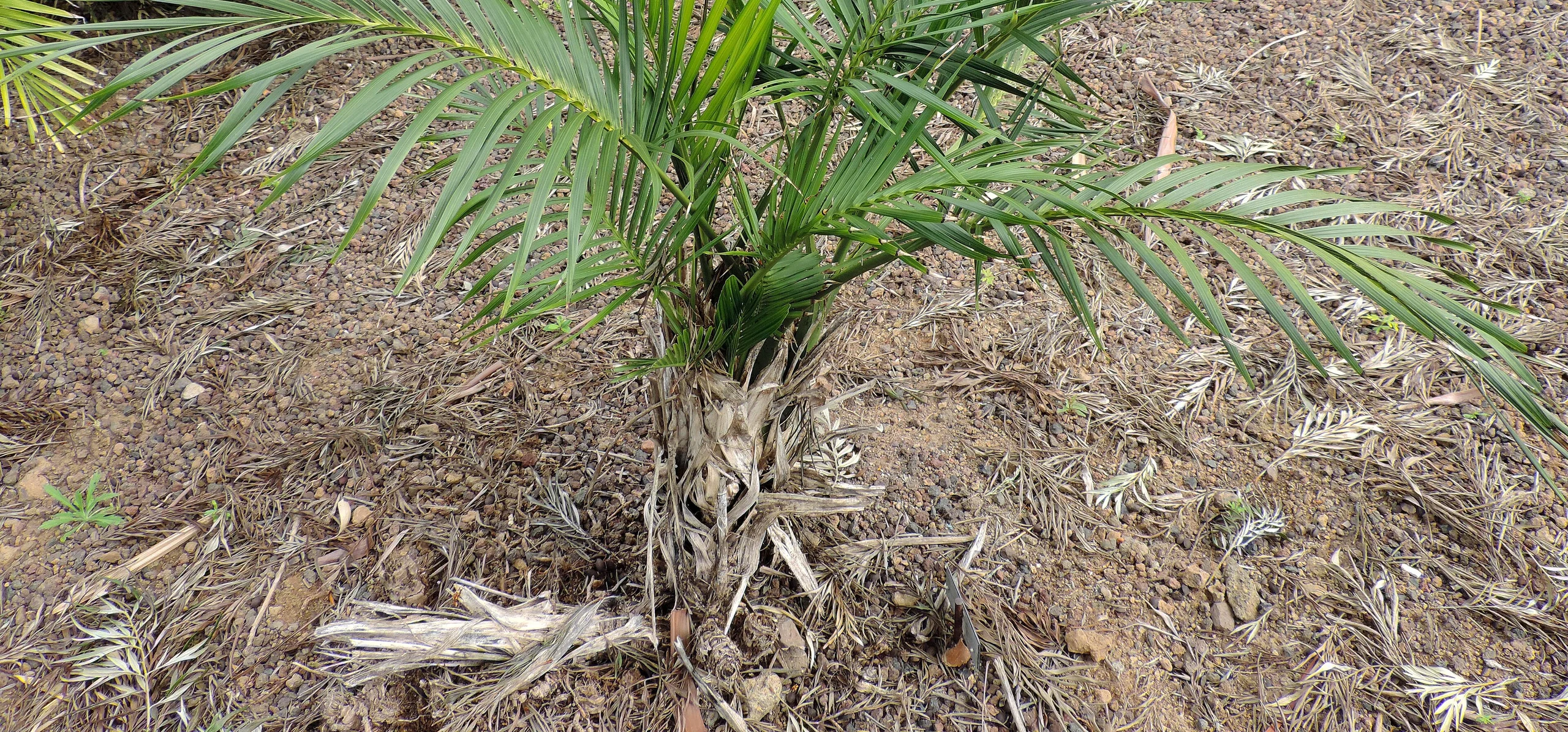
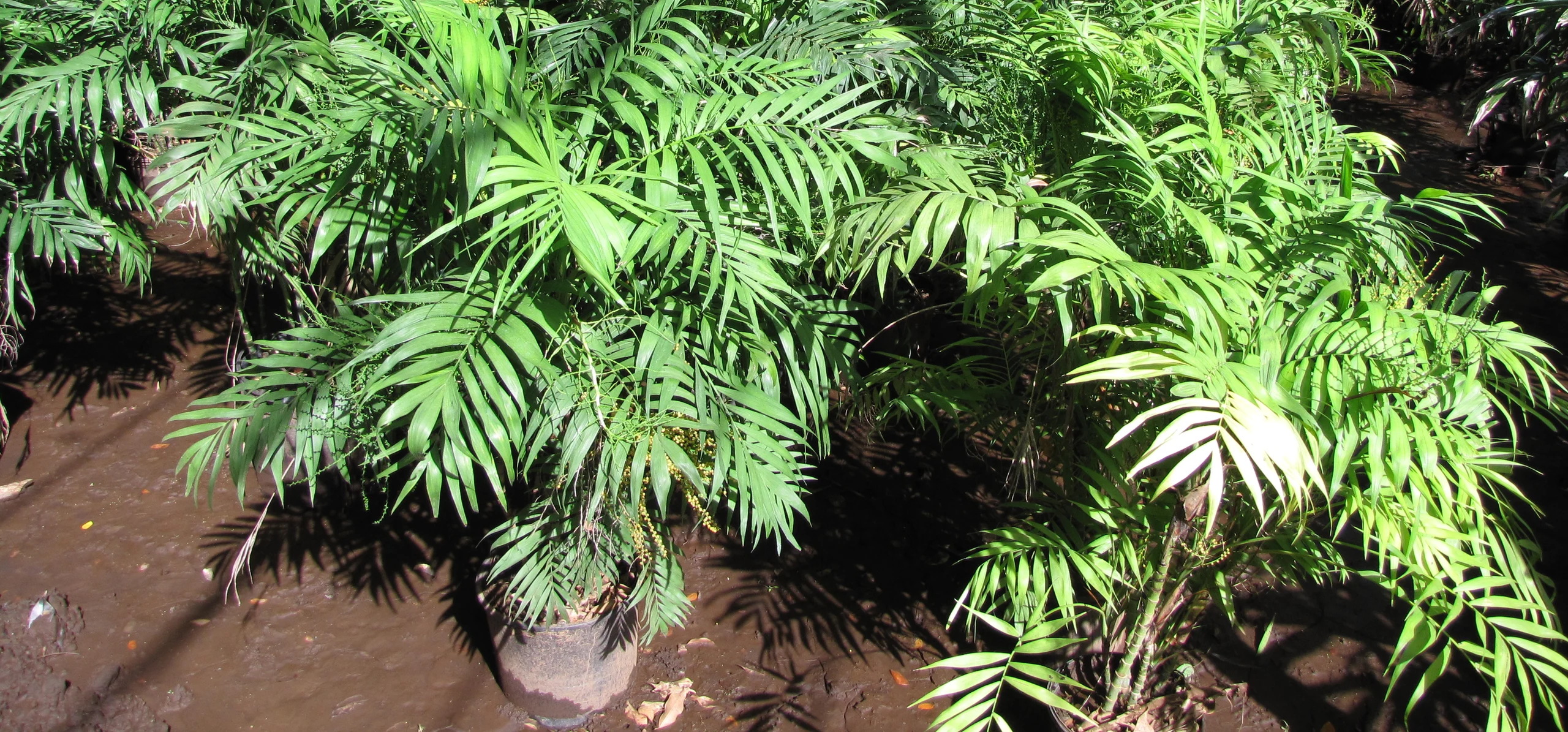
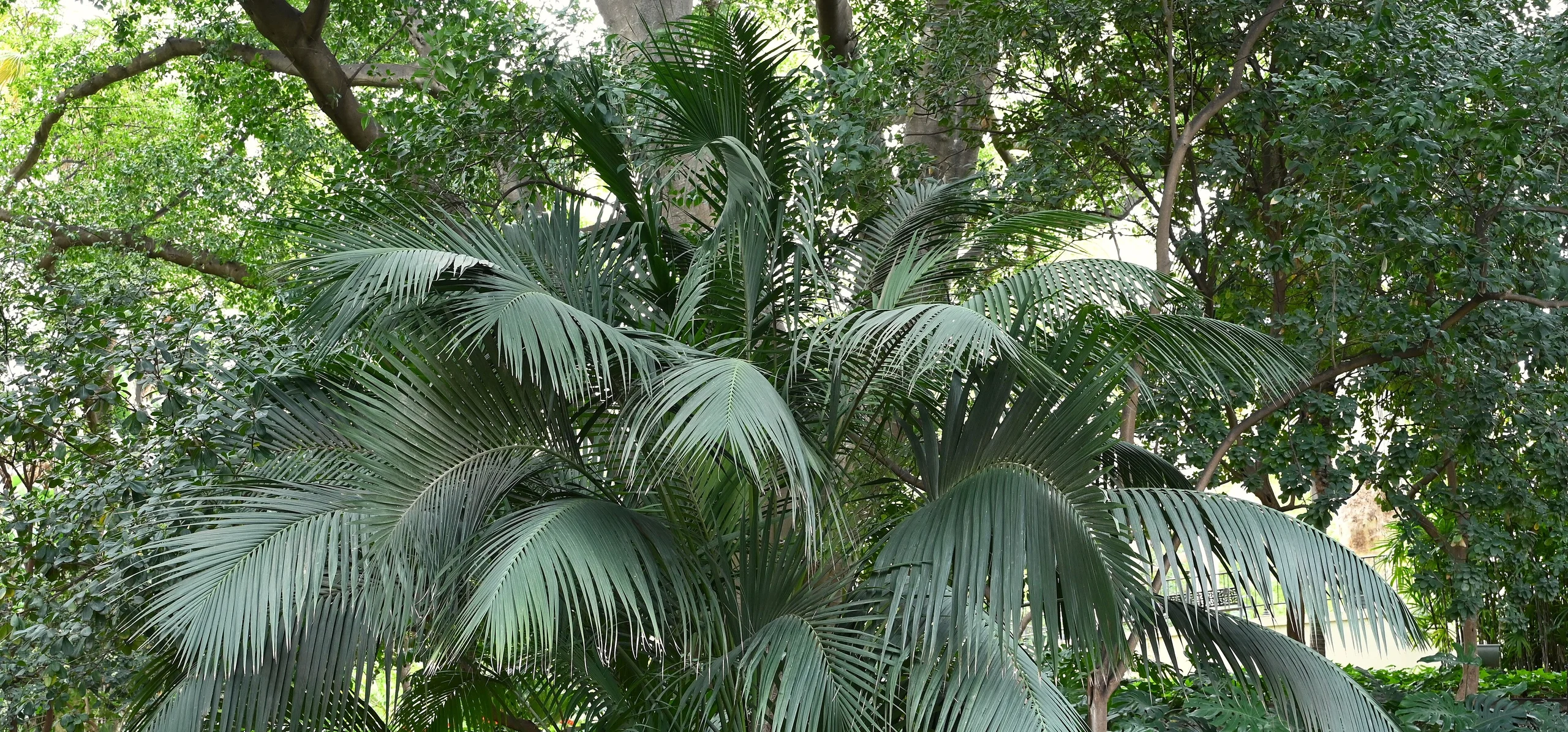
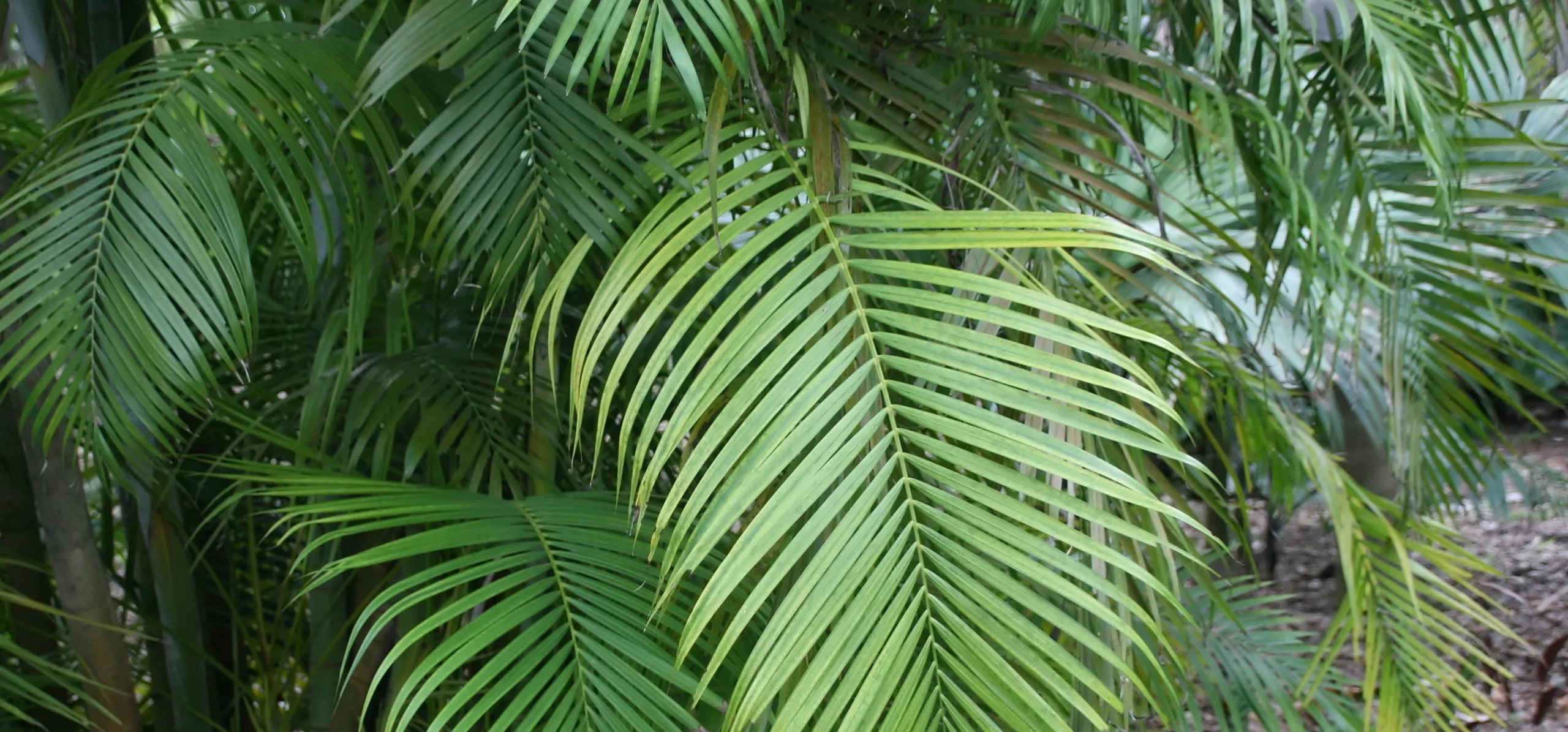
An Areca palm arrives as a dense clump of slender, ringed yellow-green canes topped with feathery, arching fronds, more a small bamboo grove than a single stem. It is native to the moist forest floor of Madagascar, which explains almost every care instinct it needs indoors: filtered light, steady moisture, and air that is not bone dry. Give it that and a young clump fills out fast, throwing new canes from the base every season. Ignore the humidity and light and the outer fronds brown at the tips no matter how carefully you water.
Where it comes from and what that means for care
Dypsis lutescens grows wild only in Madagascar, in lowland and mid-elevation moist forest, where it forms dense clumping stands in the understory and along forest edges rather than a single trunk reaching for full canopy light. That clumping habit is why a healthy specimen looks like a cluster of bamboo-like canes rather than one thick trunk: each new shoot rises from an underground rhizome at the base of the plant. Because it evolved under a forest canopy rather than in open sun, it tolerates shade well but scorches in unfiltered midday light, and because the forest floor rarely dries out completely, it dislikes the boom-and-bust watering cycle that palms from drier habitats can shrug off.
Light and placement indoors
Bright, indirect light suits it best. A spot a metre or so back from a south or west window, or directly in front of an east window, keeps the fronds a rich green without scorch marks. Direct midday sun through unfiltered glass burns visible brown patches into the leaflets within days, especially on canes that were grown in a shadier nursery and moved straight into a sunny room. At the other extreme, a dim corner does not kill it outright but growth slows to a crawl and new canes arrive thin and pale. Rotate the pot a quarter turn every few weeks so the clump fills out evenly instead of leaning toward the window.
Watering and humidity
Keep the potting mix evenly moist through the growing season rather than letting it swing from soggy to bone dry. Water thoroughly until it runs from the drainage holes, then let the top couple of centimetres dry slightly before the next round. In a warm, bright room that usually means once a week; in a cooler or dimmer spot, stretch it to ten days. Humidity matters as much as watering schedule: below roughly 50 percent relative humidity, the tips of the oldest fronds brown and crisp regardless of how consistently you water. Grouping it with other plants, standing the pot on a pebble tray, or running a humidifier nearby resolves brown tips faster than adjusting the watering can ever will.


Soil, potting and feeding
A rich, well-drained potting mix, essentially a loam-based compost cut with perlite or coarse bark, keeps roots aerated without drying out between waterings. Straight garden soil compacts in a container and suffocates the roots within a season. The plant prefers slightly acid to neutral soil; in soil that runs too alkaline, the newest fronds emerge pale yellow rather than green because iron and manganese become harder for the roots to take up, a problem gardeners call lime-induced chlorosis. Feed with a balanced liquid fertiliser at half strength every four to six weeks from spring through early autumn, and stop entirely once growth slows for winter. A slow-release palm fertiliser containing magnesium and potassium at planting time heads off the yellowing on older fronds that untreated container specimens develop after a couple of years.
Repotting and dividing the clump
Repot only when canes are visibly crowded or roots circle the inside of the pot, typically every two to three years; Areca palm resents having its roots disturbed more often than that and can sulk for weeks afterward. Move up one pot size, no more, and work the rootball gently rather than tearing it apart. Because it grows as a clump of canes on a shared rhizome rather than a single trunk, a large specimen can be divided at repotting time: separate a section with several canes and its own roots intact, pot it separately, and keep it warm and humid until new growth confirms it has taken. Division is slower to establish than buying a new plant but it is the reliable way to propagate an Areca palm at home, since seed germination is erratic and takes months.
Growing it outdoors in warm climates
Outdoors, Areca palm is winter hardy only in USDA zones 10 and 11, where it is grown as a landscape clump, informal screen, or privacy hedge and can eventually reach four to eight metres tall with a two-and-a-half to four metre spread over several decades. It takes full sun once established in the ground but appreciates part shade while young. Below about 15 degrees Celsius growth stalls and prolonged cold below freezing kills foliage outright, so anywhere outside those two zones it has to live as a container plant that comes indoors or into a greenhouse for winter. Coastal growers should know it has moderate tolerance for salt spray, useful for a screening hedge near the shore but not a reason to skip rinsing salt-laden foliage after storms.
Pests and common problems
Scale insects are the most persistent pest: small brown or tan bumps that cling to the undersides of fronds and along the canes, leaving a sticky honeydew residue that then grows black sooty mould on the leaf surface. Wipe light infestations off with a damp cloth and insecticidal soap; treat heavier ones with a systemic insecticide, since scale's waxy shell blocks most contact sprays. Spider mites show up as fine stippling and faint webbing in dry indoor air, particularly in centrally heated rooms over winter, and usually retreat once humidity comes back up. Outdoors in Florida and similar climates, Ganoderma butt rot is the disease to watch for: a shelf-like fungal bracket at the base of the trunk signals internal decay that has no cure, and the palm should be removed before it becomes a hazard. Older fronds that turn uniformly orange-yellow with translucent spotting, while new growth stays green, usually point to a potassium deficiency rather than a watering problem, and respond to a palm-specific fertiliser rather than more water.
Is it safe around pets
Areca palm is one of the few genuinely pet-friendly houseplants with real presence: the ASPCA lists it as non-toxic to cats, dogs, and horses, which is part of why it shows up so often in living rooms with curious cats. That does not make chewed fronds harmless in large quantities, a cat that shreds a whole leaflet can still vomit from the fibre and sap irritation, but there is no toxic principle at play the way there is with Dieffenbachia or Philodendron. It is a reasonable pick for a household that has ruled out most other statement-sized houseplants on pet-safety grounds alone.
Test your plant knowledge
Tap a card to flip it and reveal the answer.
Areca palm is listed by the ASPCA as non-toxic to cats, dogs and horses. Tap to reveal ✓ True
Areca palm grows best when the potting mix is kept constantly waterlogged. Tap to reveal ✕ False
Yellow, translucent spotting on older fronds while new growth stays green often signals a potassium deficiency. Tap to reveal ✓ True
Areca palm tolerates unfiltered midday sun through a south-facing window without any leaf damage. Tap to reveal ✕ False
A mature Areca palm clump can be propagated by dividing off a rooted section, not only by seed. Tap to reveal ✓ True
Sources
References consulted for this guide
- Dypsis lutescens (H.Wendl.) Beentje & J.Dransf., GBIF Backbone Taxonomygbif.org
- Dypsis lutescens (H.Wendl.) Beentje & J.Dransf., Plants of the World Online (Kew)powo.science.kew.org
- Areca Palm toxicity, ASPCA Animal Poison Controlaspca.org
- Dypsis lutescens, Missouri Botanical Garden Plant Findermissouribotanicalgarden.org
- Dypsis lutescens (bamboo palm), RHS Plantsrhs.org.uk
- Reference entity : Wikipédiaen.wikipedia.org