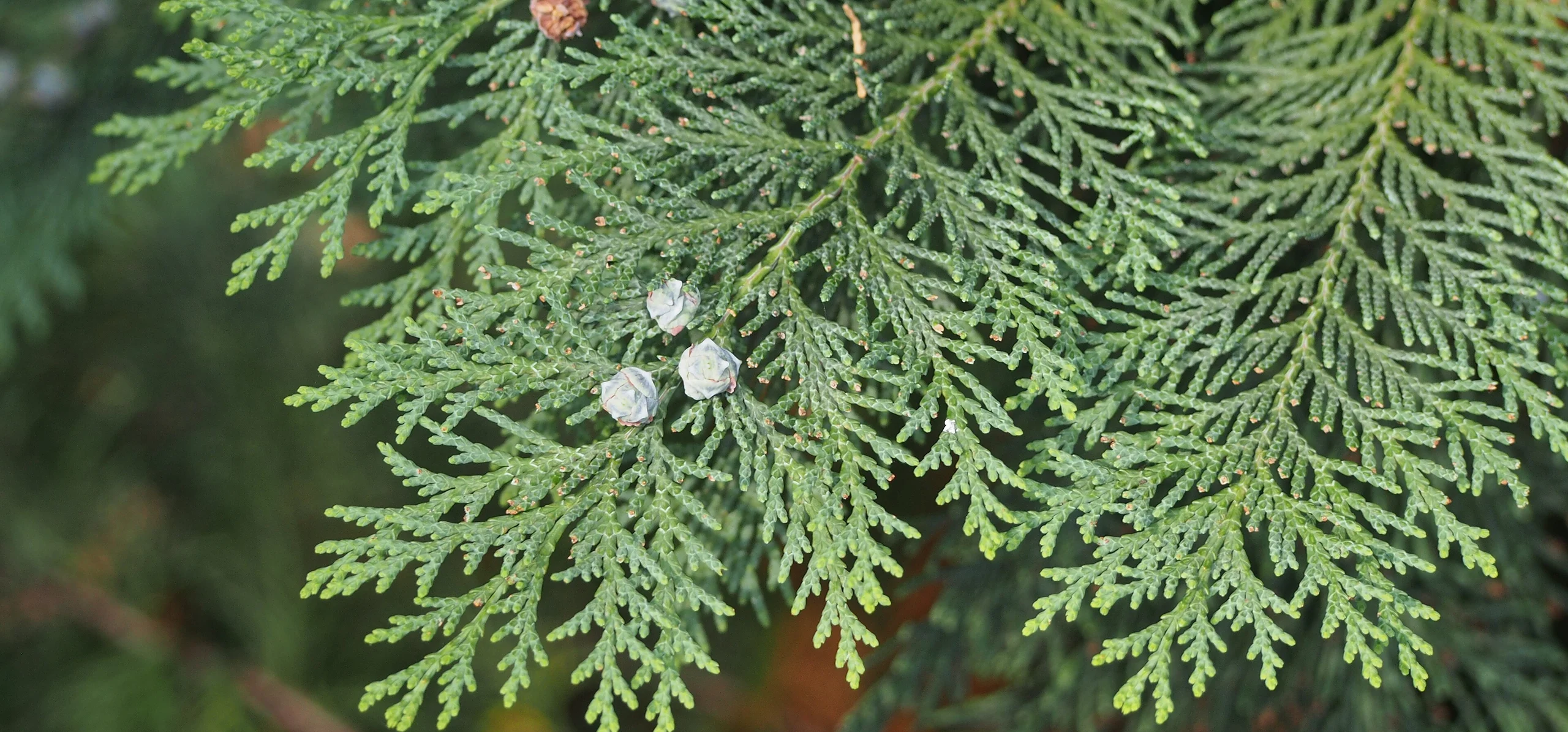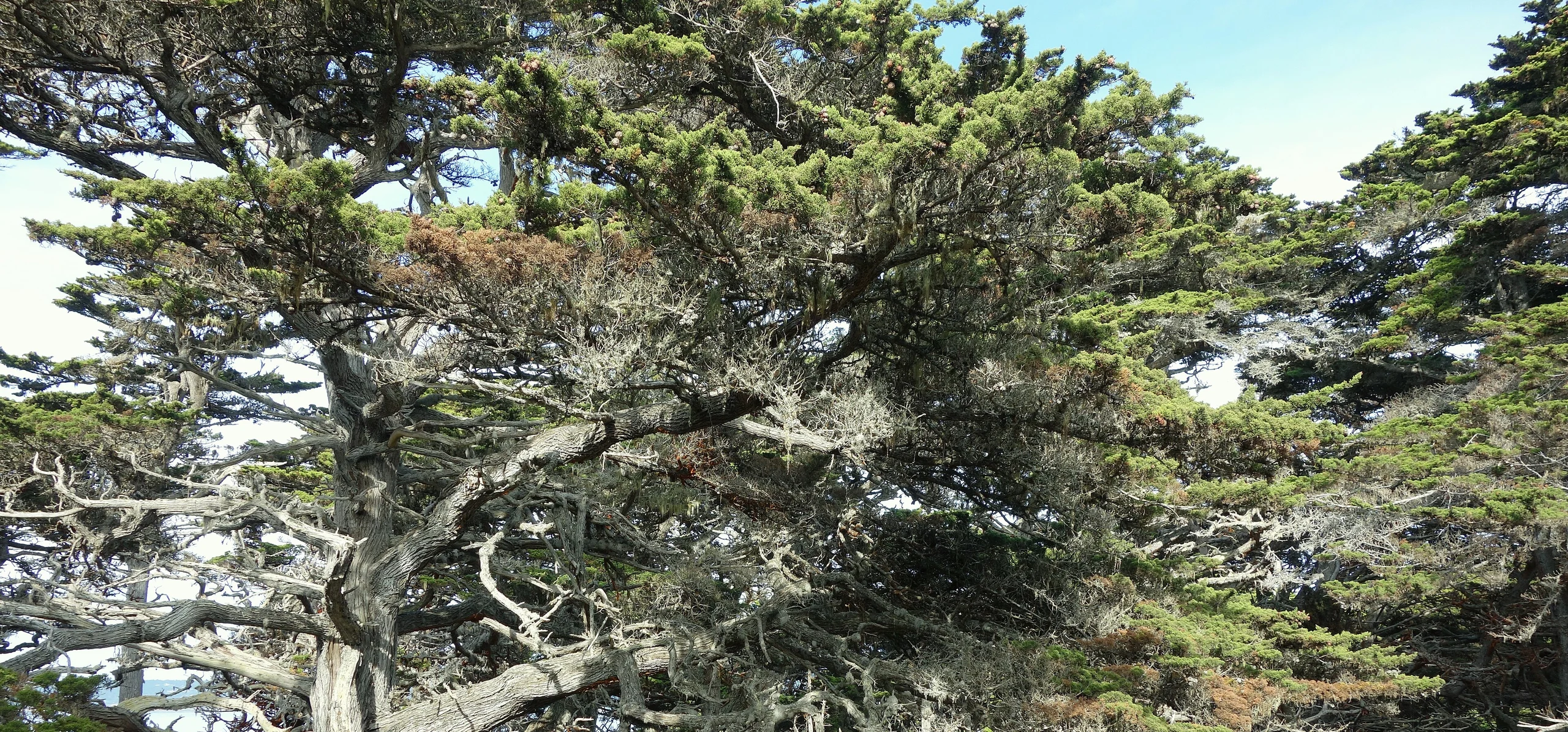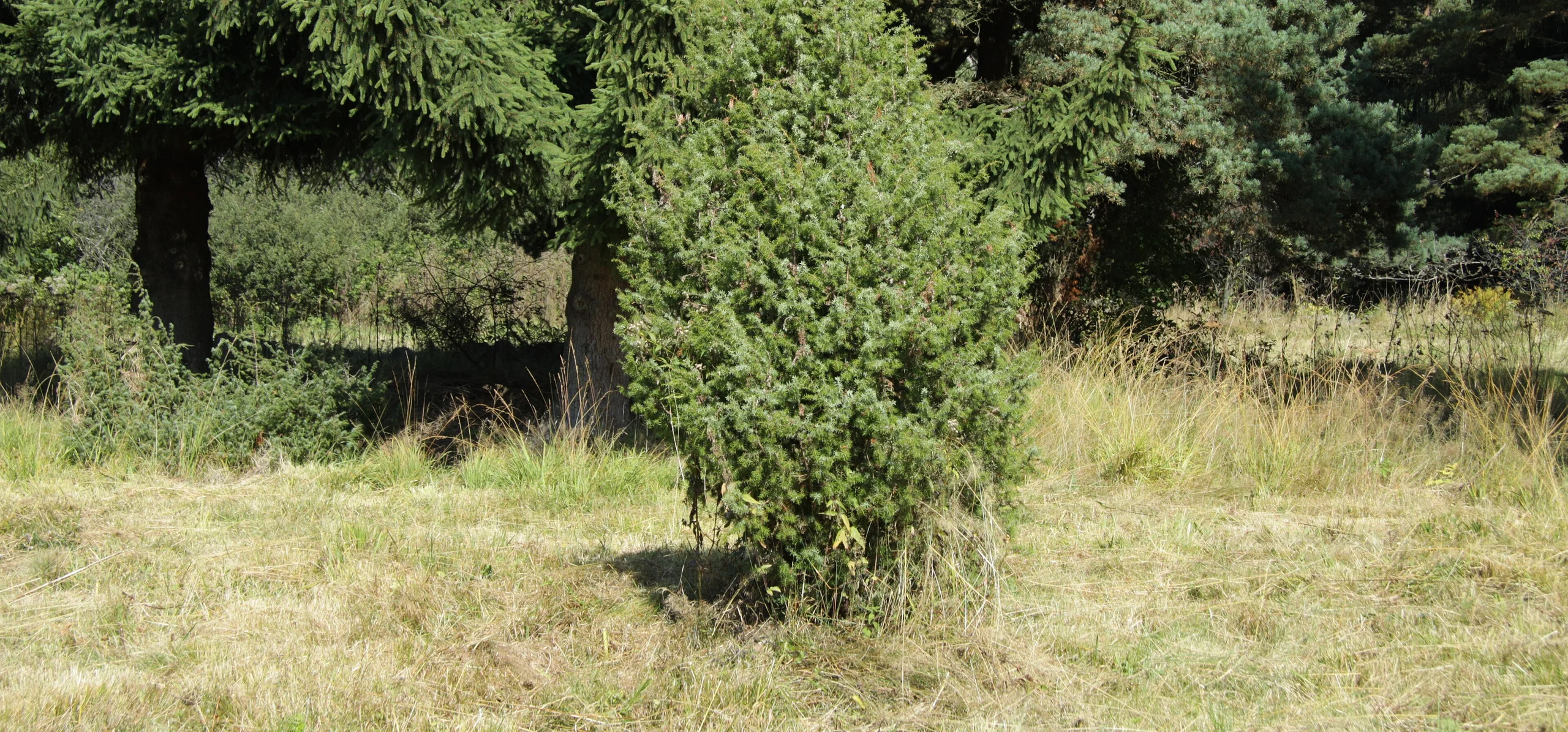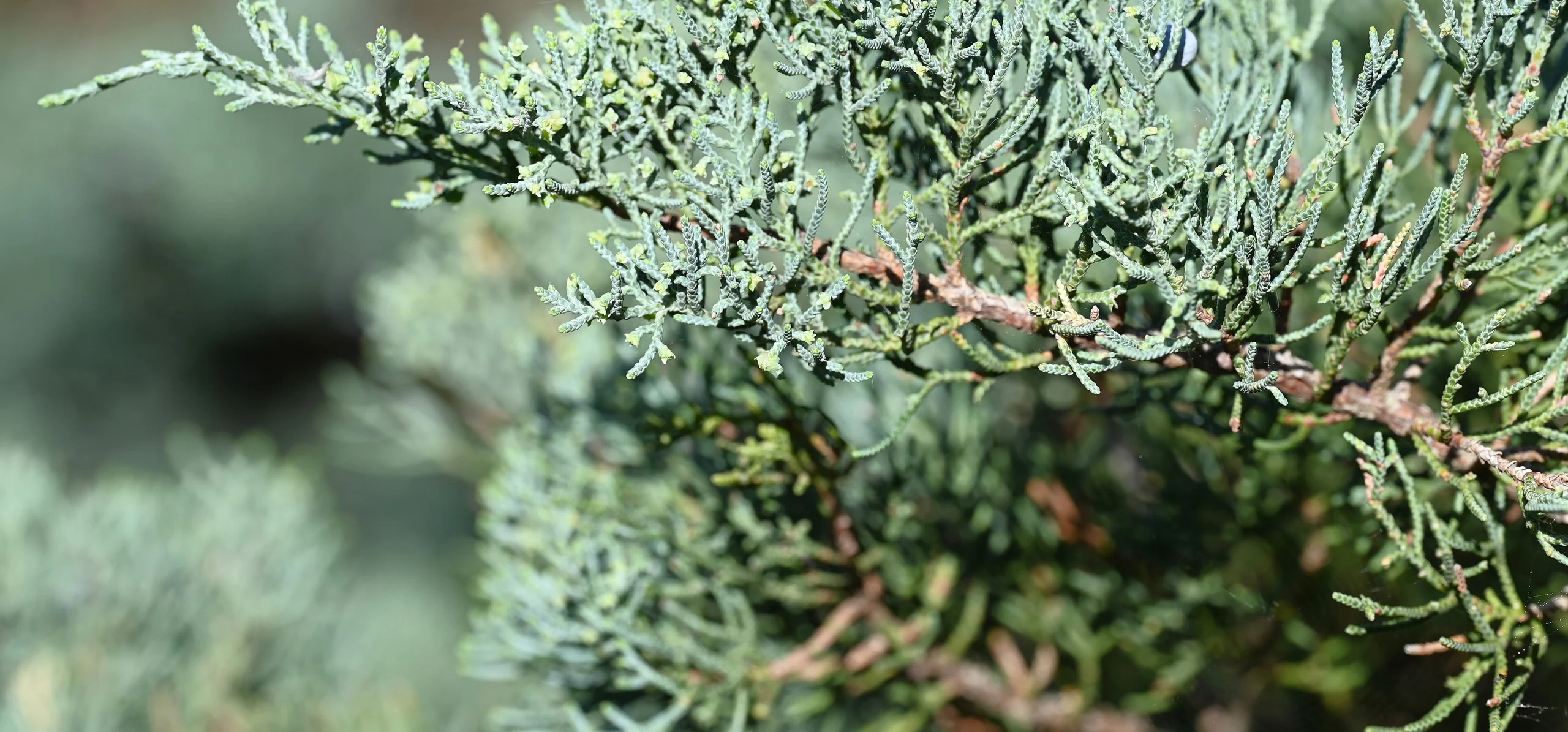
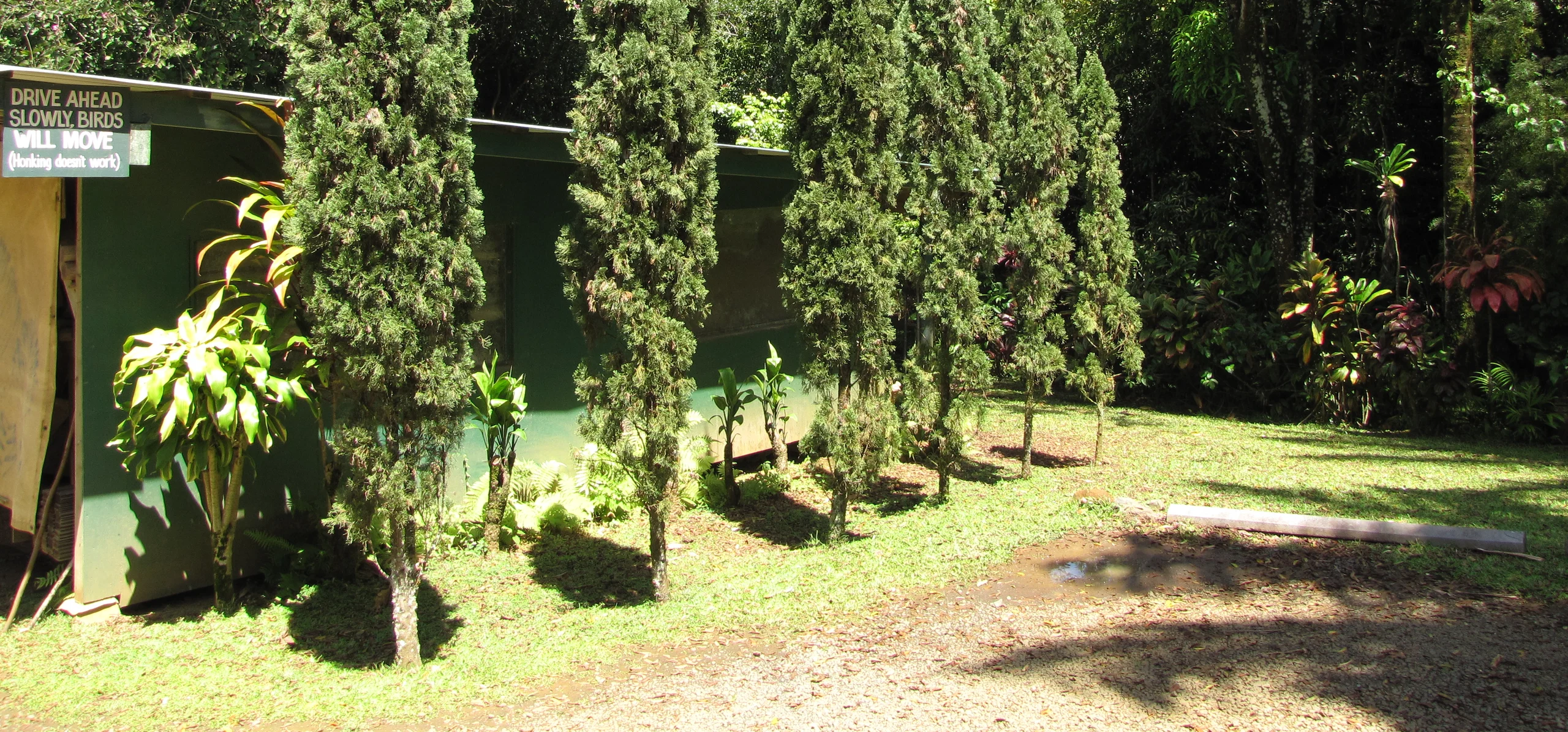
Italian Cypress
Cupressus sempervirens
Family · Cupressaceae
Italian cypress shrugs off drought once rooted, but wet winters brown its tips, snow splays the column, and Seiridium canker can kill whole branches.
Cupressus sempervirens
Plant profile
- WateringLittleWater every 14 days
- Light exposureFull sun
- Ideal temperature-15–40 °C
- Hardiness zoneUSDA 7–10
Growth
- Family
- Cupressaceae
- Life cycle
- Perennial
- Growth speed
- 6/10
- Mature size
- 1200–2100 cm
- Spread
- 90–180 cm
- Propagation
- Seed
- Cutting
- Grafting
FloweringInconspicuous cones rather than showy flowers; small rounded, scaly cones mature on the tree
Dormancyevergreen, no leaf drop
Time to maturity20 to 50 years
Soil & climate
- Soil types
- chalk, clay, loam, sand, silt
- Saline soil
- Partially tolerated
- Drought tolerance
- Yes
Light & Placement
- Origin
- Eastern Mediterranean to Iran
- Where to place it
- avenue or driveway planting
- boundary screen or windbreak
- specimen accent near a building
- large container on a patio or terrace
- large freestanding pot with drainage holes
- raised planter secured against wind
Safety
- Toxicity
- Not evaluated by the ASPCA; toxicity undetermined
- Pet safe
- No
Data fromGBIF Backbone Taxonomy: Cupressus semperPlants of the World Online (Kew): CupresRHS: Cupressus sempervirens (Italian cypRHS: Cupressus sempervirens 'Stricta'NC State Extension Gardener Plant Toolbo
Where it grows
World distribution
Italian Cypress is native to 7 countries: Cyprus, Greece, Iran, Lebanon, Libya, Palestinian Territories, and Türkiye.GBIF records 20,425 documented identifications across 104 countries, with the largest concentrations in Italy, France, and Spain.
- Cyprus
- Greece
- Iran
- Lebanon
- Libya
- Palestinian Territories
- Türkiye
Yellow to orange dots: concentration of documented identifications per country. Green countries: sourced native range. Source: GBIFNative range from POWO (Kew).
A newly planted Italian cypress that turns from tight, dark green to loose and rust-brown after its first hard winter is not necessarily dying, but it is sending a clear signal: Cupressus sempervirens comes from the hot, dry hills of the eastern Mediterranean and Iran, and it tolerates real cold far better than it tolerates cold combined with wet roots. The narrow, pencil-thin column most people picture is a selected form, not the wild species, which left to itself spreads into a broader, looser cone. Once established the tree needs almost no irrigation and shrugs off Mediterranean summer heat, but a heavy wet snowfall can force a narrow column open at the crown, a deformity that rarely closes back up on its own. Getting drainage, siting and early staking right in the first two years matters more for this species than for most conifers sold as garden accents.
Origin and the Cypress of Italian Gardens
Cupressus sempervirens belongs to the cypress family, Cupressaceae, in the order Pinales, according to the GBIF Backbone Taxonomy. Plants of the World Online gives its native range as the eastern Mediterranean to Iran, not Italy itself; the common name comes from the tree's long cultivation history in Italian villa gardens and cemeteries since Roman times, where its dark, upright silhouette became a fixture of Renaissance landscape design centuries before it was widely planted elsewhere. That cultivated history is also why the plant sold today rarely resembles a wild seedling: most nursery stock descends from selections chosen for a tighter, narrower habit than the species produces on its own.
Stricta, Totem Pole and Other Narrow Forms
The straight species, grown from seed, forms a medium-sized, long-lived, columnar tree that the RHS lists as reaching over 12 metres tall. 'Stricta' Group, the classic pencil cypress of postcard Tuscany, is narrower and denser than a seed-grown tree and is propagated by cuttings or grafting to keep that habit true, since seedlings do not reproduce it reliably. 'Totem Pole' takes the same idea further: the RHS records it at 8 to 12 metres tall but only 0.5 to 1 metre wide at maturity, an exceptionally slender profile suited to spots where even 'Stricta' would read as too wide. 'Glauca' offers the same narrow silhouette with blue-green foliage instead of the species' plain dark green. Buying a grafted or cutting-grown cultivar by name, rather than an unnamed seedling, is the only reliable way to get the tight column shape the tree is prized for.
Hardiness Limits and Winter Browning
The RHS rates Italian cypress H5, hardy down to between -15 and -10°C, and the NC State Extension plant database places it in USDA hardiness zones 7a to 10b. Cold on its own, down to those limits, is rarely what kills the tree or scorches its foliage; the damage shows up when winter cold arrives together with waterlogged soil, since Cupressus sempervirens is native to fast-draining hillsides and has no tolerance for sitting in cold, saturated ground. The RHS also flags sensitivity to cool, drying winds, which can bronze exposed foliage even where temperatures stay within the hardy range. A sheltered, full-sun position with soil that drains well through winter rain does more to prevent browning than any amount of extra cold tolerance in the cultivar chosen.


Planting in a Row: Spacing for a Screen or Avenue
Because RHS data lists the mature spread of 'Stricta' Group at 2.5 to 4 metres, spacing trees closer than about 2 metres apart eventually pushes neighbouring columns together into the solid, unbroken green wall associated with a cypress-lined driveway or a formal Tuscan avenue; spacing wider than 4 metres leaves daylight gaps between individual trees that never close. 'Totem Pole', with a mature spread of only 0.5 to 1 metre, can be set roughly half that distance apart for the same dense-row effect in a fraction of the footprint, which suits a narrow boundary where a full-width 'Stricta' hedge would not fit. Whichever form is chosen, plant in a single straight line for a formal avenue or stagger a double row for an opaque screen, and keep the row on the sunniest, best-drained line available rather than tucking it into a damp corner.
Watering and Drought Tolerance Once Established
NC State Extension notes that young Italian cypress need consistent watering through their first one to two growing seasons while roots spread, after which drought tolerance increases steadily with age until mature specimens need minimal supplemental irrigation even through a dry Mediterranean summer. The same source rates the species as moderately salt tolerant, which is why it turns up so often in coastal and roadside plantings where salt spray or de-icing runoff would damage less tolerant conifers. The common mistake runs in the opposite direction from most garden trees: gardeners keep watering a mature Italian cypress on the same schedule as its first year, and the resulting damp soil through a cold winter does more harm than any dry spell would in summer.
Tying In to Prevent Splaying Under Snow
A narrow cypress column is not one trunk but a cluster of upright leaders held tight against each other by their own dense foliage; a heavy, wet snow load can force those leaders apart, and once splayed open the shape rarely springs back to its original tight column on its own. In climates where wet snow is a real risk, loosely binding the leaders together with a soft strap or tree tie before the first snowfall of the season, then removing it once the risk has passed, prevents the load from ever spreading the crown. The same problem can start years earlier at a smaller scale: young trees sometimes develop two or three competing leading shoots instead of one dominant lead, and selecting the strongest of these while the tree is small and pruning out the rest heads off a wider, weaker crown before snow or wind ever tests it.
Cypress Canker (Seiridium) and Aphid
Cypress canker, caused by the fungus Seiridium cardinale, is the most serious disease threat to Cupressus sempervirens: it enters through wounds or insect damage, produces sunken, resin-bleeding cankers on branches and trunk, and kills the wood beyond the canker, often one branch at a time in an otherwise healthy-looking tree. The disease spreads fastest during spells of mist and light rain at moderate temperatures, and cankers enlarge faster on trees already stressed by drought, which makes consistent watering during establishment a disease-prevention measure as much as a growth one. Prune out cankered branches back into clean wood during dry weather, disinfecting tools between cuts, since wet-weather pruning helps the fungus spread rather than removing it. Cypress aphid is the other recurring pest the RHS lists for this species, and University of California researchers documented a previously unrecorded Cinara aphid on Italian cypress in 2025, spread in part by ants farming the honeydew the aphids produce; either pest causes patchy browning that can be mistaken for canker or winter damage, so checking for the aphids themselves, or the ants tending them, on close inspection is worth doing before assuming a fungal cause.
Growing Italian Cypress in Pots on a Terrace
A restricted root ball dries out and chills far faster than the same tree's roots would in open ground, so a potted Italian cypress needs closer attention to both watering through summer and drainage through winter than the in-ground spacing guidance above assumes. 'Totem Pole' or another narrow, slow cultivar is the better choice for a container: its small mature spread keeps the pot in proportion for years, where a wider 'Stricta' eventually outgrows all but a very large planter. Use a large, freestanding pot with generous drainage holes, raised slightly off the terrace surface so winter rain never pools around the base, since the same cold-plus-wet combination that browns an in-ground tree does more damage faster in a container. A tall, narrow evergreen in a pot also catches wind like a sail; on an exposed terrace, secure the pot or stake the trunk rather than relying on the container's own weight to keep the tree upright.
Test your plant knowledge
Tap a card to flip it and reveal the answer.
Cupressus sempervirens tolerates dry Mediterranean summers far better than cold, waterlogged winter soil. Tap to reveal ✓ True
Every seed-grown Cupressus sempervirens naturally forms the tight, pencil-thin column sold as 'Stricta' or 'Totem Pole'. Tap to reveal ✕ False
A heavy, wet snowfall can force the leaders of a columnar Italian cypress apart, and the shape rarely closes back up on its own. Tap to reveal ✓ True
Seiridium cardinale, the fungus that causes cypress canker, spreads faster on trees already stressed by drought. Tap to reveal ✓ True
The ASPCA lists Italian cypress as toxic to cats and dogs. Tap to reveal ✕ False
Sources
References consulted for this guide
- GBIF Backbone Taxonomy: Cupressus sempervirens L.gbif.org
- Plants of the World Online (Kew): Cupressus sempervirens L.powo.science.kew.org
- RHS: Cupressus sempervirens (Italian cypress)rhs.org.uk
- RHS: Cupressus sempervirens 'Stricta'rhs.org.uk
- NC State Extension Gardener Plant Toolbox: Cupressus sempervirensplants.ces.ncsu.edu
- Reference entity : Wikipédiaen.wikipedia.org