Eastern Red Cedar
Juniperus virginiana
Family · Cupressaceae
Why this tough native juniper is not a true cedar, how it colonizes old fields once fire stops, its rust link to apples, and 'Grey Owl' versus 'Skyrocket'.
Juniperus virginiana
Plant profile
- WateringLittleWater every 14 days
- Light exposureFull sun
- Hardiness zoneUSDA 2–9
Growth
- Family
- Cupressaceae
- Life cycle
- Perennial
- Growth speed
- 4/10
- Mature size
- 900–1200 cm
- Spread
- 300–600 cm
- Flowering
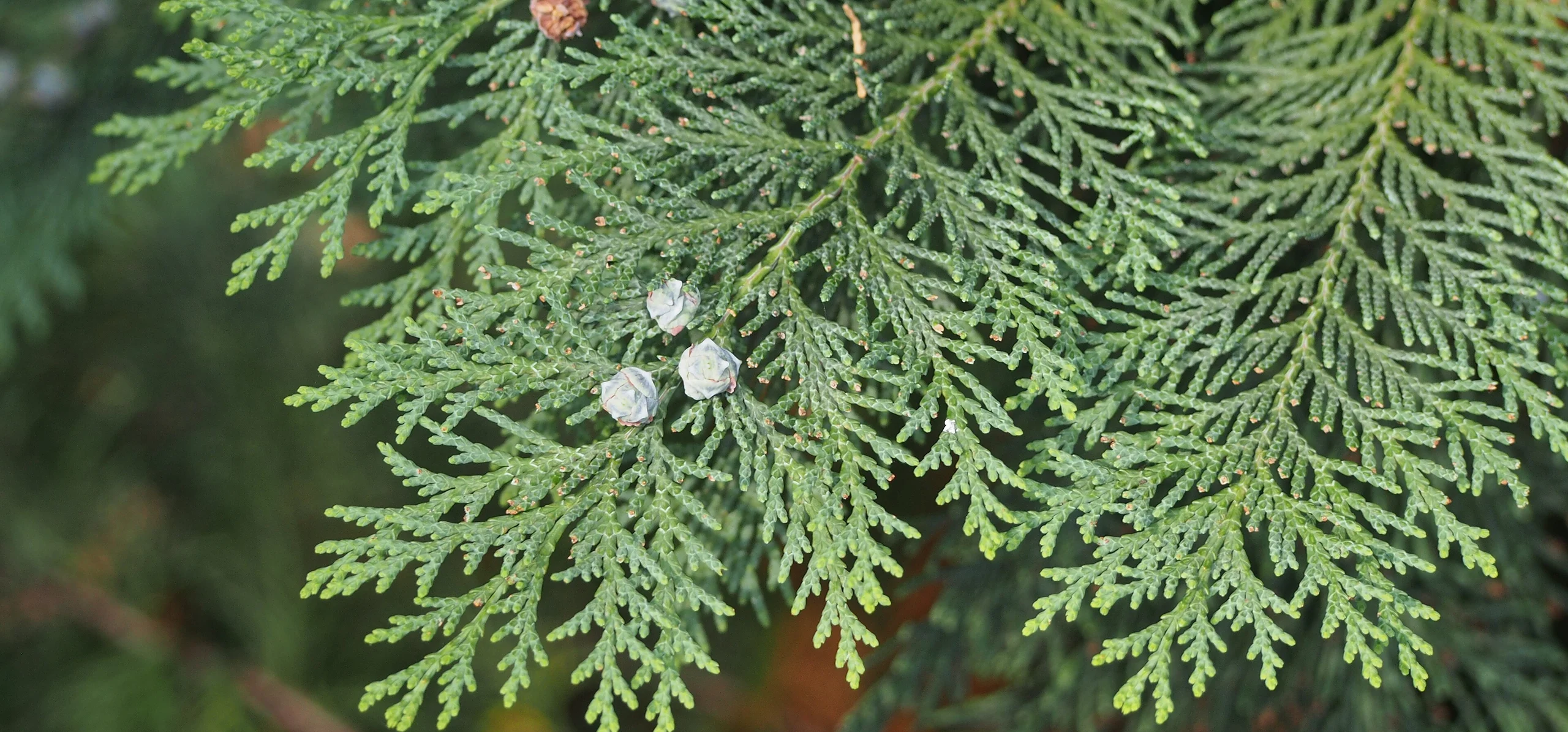
- Grown for evergreen foliage; female trees bear small, frosted-blue, berry-like cones
- Propagation
- Seed
- Cutting
Dormancyevergreen, little winter dormancy
Time to maturitymatures over several decades
Soil & climate
- Soil pH
- pH 6–8
- Soil types
- clay, loam, sand, rocky
- Saline soil
- Tolerated
- Drought tolerance
- Yes
Light & Placement
- Origin
- SE Canada to central and eastern USA, and Mexico (Coahuila)
- Where to place it
- full-sun windbreak or shelterbelt row
- fence line or old field edge
- dry, rocky bank or glade
- large, free-draining container for young stock before planting out
Safety
- Toxicity
- Not evaluated by the ASPCA; NC State Extension notes only low toxicity if eaten
- Pet safe
- No
Invasive speciesspreads readily into unburned prairies, pastures and old fields, since fire (its main natural check) is now largely suppressed
Data fromGBIF Backbone Taxonomy: Juniperus virginPlants of the World Online (Kew): JunipeMissouri Botanical Garden Plant Finder: NC State Extension Gardener Plant ToolboUSDA PLANTS Database: Juniperus virginia
Where it grows
World distribution
Eastern Red Cedar is native to 3 countries: Canada, Mexico, and United States.GBIF records 84,434 documented identifications across 67 countries, with the largest concentrations in United States, Canada, and France.
- Canada
- Mexico
- United States
Yellow to orange dots: concentration of documented identifications per country. Green countries: sourced native range. Source: GBIFNative range from POWO (Kew).
The tree sold and planted as eastern red cedar is not a cedar at all: it is Juniperus virginiana, a juniper that only picked up a cedar's common name because of its reddish, aromatic heartwood. That single fact explains most of what a new owner needs to know, since it behaves like a juniper rather than like a true Cedrus: brutally drought tolerant, indifferent to poor rocky soil, quick to seed itself into any unmown field, and carrying a fungal relationship with apple trees that a true cedar would never have. It is native across the eastern half of North America, from windbreak rows on the plains to limestone glades in the Ozarks, and it is one of the easiest woody plants a gardener can put in the ground and then largely ignore.
A Juniper Wearing a Cedar's Name
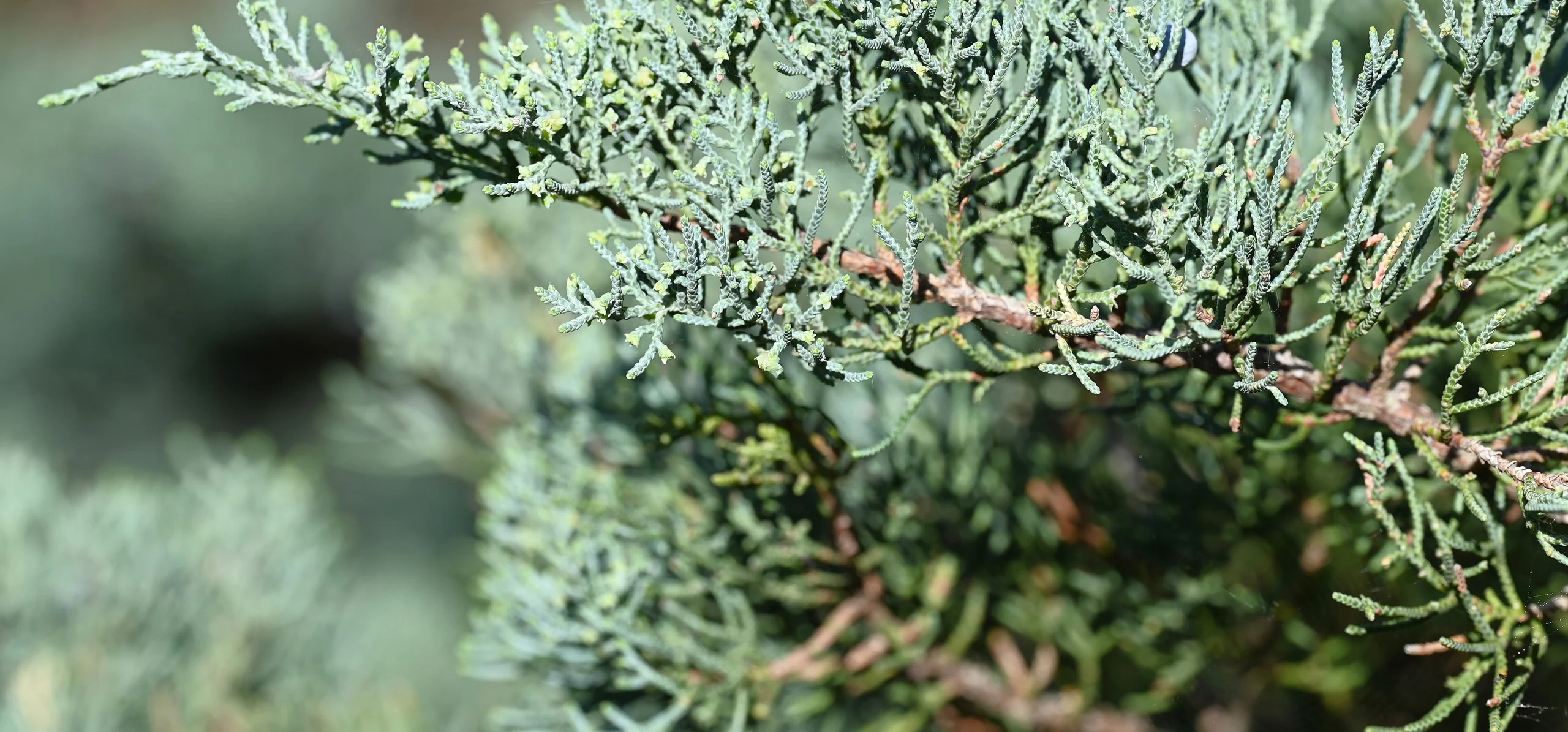
GBIF's accepted name for this species is Juniperus virginiana L., in the cypress family Cupressaceae, genus Juniperus, order Pinales; the name has also circulated under synonyms such as Juniperus caroliniana and Juniperus schottii. True cedars, the genus Cedrus, belong to the pine family and are native to the Mediterranean and the western Himalaya; nothing in Cedrus atlantica or Cedrus libani grows wild in Virginia. The common names Red Juniper and Pencil Cedar are closer to the mark than Eastern Red Cedar, but the misleading name is now permanent, and gardeners searching for cedar care advice online routinely end up reading about a different genus entirely.
Native Range and a Pioneer's Habit of Colonizing Old Fields
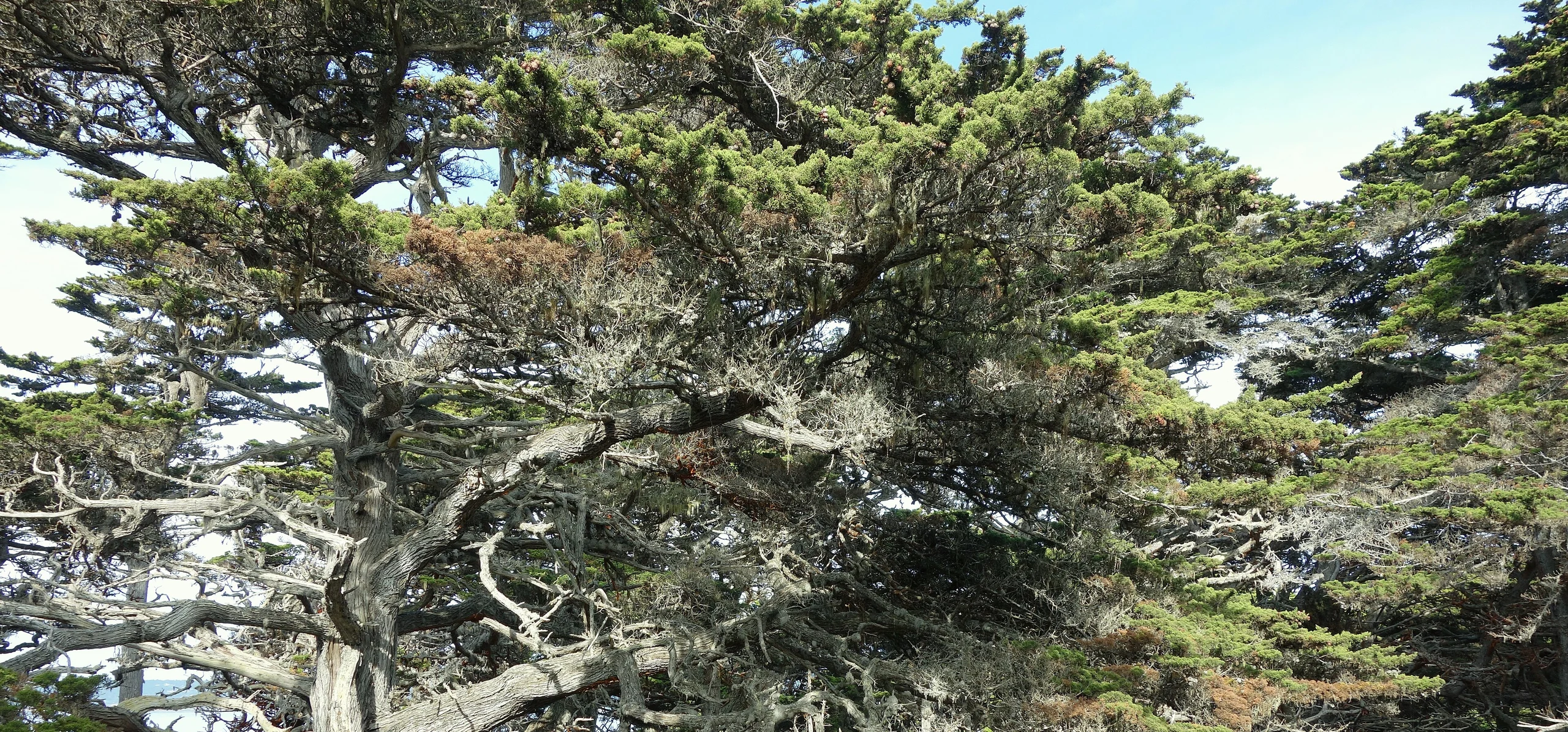
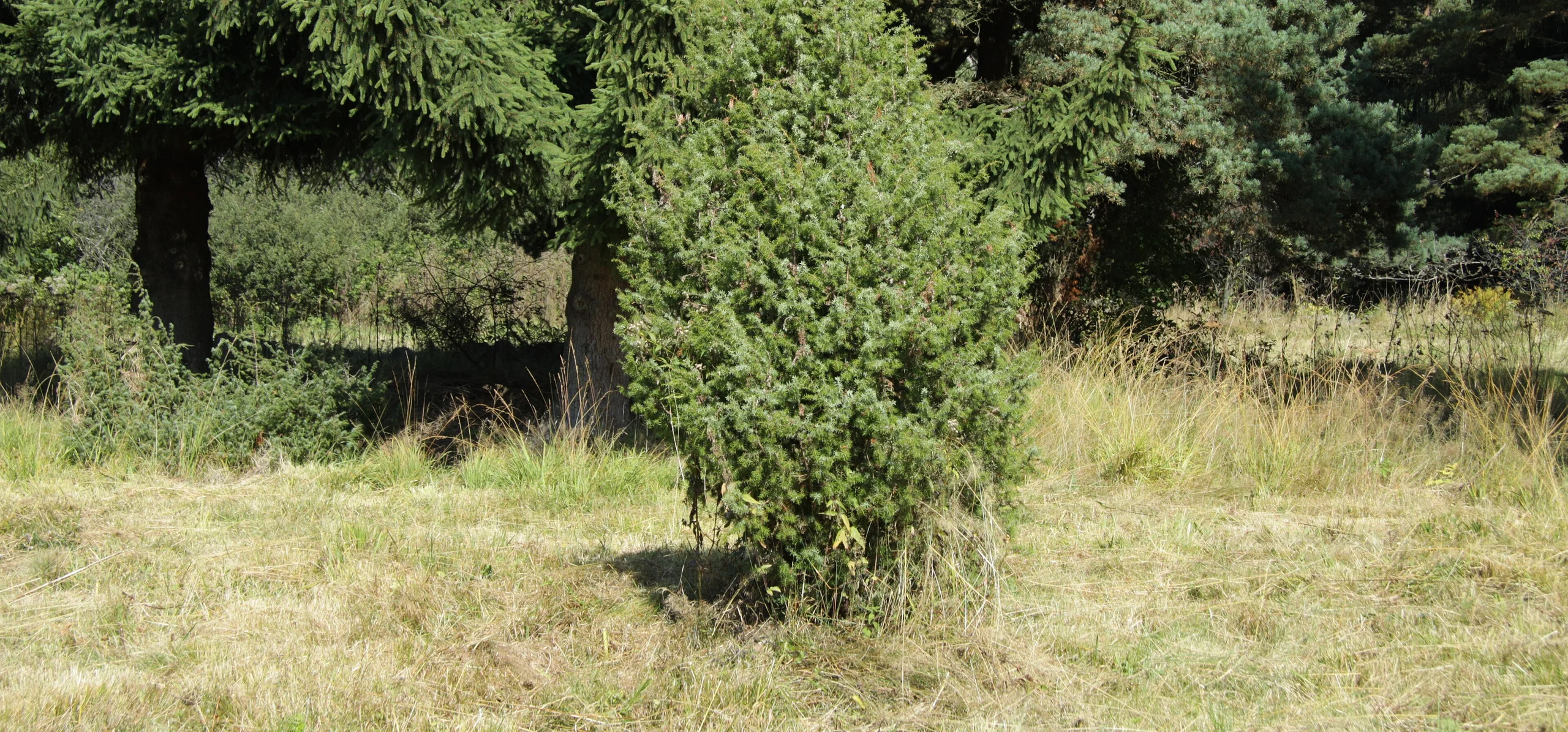
Plants of the World Online gives the native range as southeastern Canada to central and eastern USA, and Mexico (Coahuila), a spread that covers most of the country east of the Great Plains. Within that range it behaves as a classic pioneer: its blue cones are eaten and excreted by cedar waxwings, robins and other birds, which plant seedlings along fence lines, in abandoned pastures and at the edge of clear-cut woods. On a limestone bluff or a fence row where nothing else will establish, a red cedar seedling often gets there first, which is exactly why the species became the default farmstead windbreak tree across the Midwest and Great Plains long before it was sold as an ornamental.


Full Sun, Poor Soil, No Irrigation
North Carolina State Extension rates this species as having some of the best drought resistance of any conifer native to the eastern United States, tolerating everything from swampy ground to dry, rocky outcrops once established, with a soil pH range from about 6.0 to 8.0 across clay, loam, sand and shallow rocky ground. It needs full sun to keep its shape and density; grown in shade it thins out and leans toward the light. The one condition it dislikes is a soil that stays wet year round, which is the most common way a young tree is lost. Established plants also tolerate road salt and coastal spray well enough to be planted as a shelterbelt or salt-tolerant screen where many other conifers would brown out.
Choosing a Form: 'Grey Owl', 'Skyrocket' and 'Taylor'
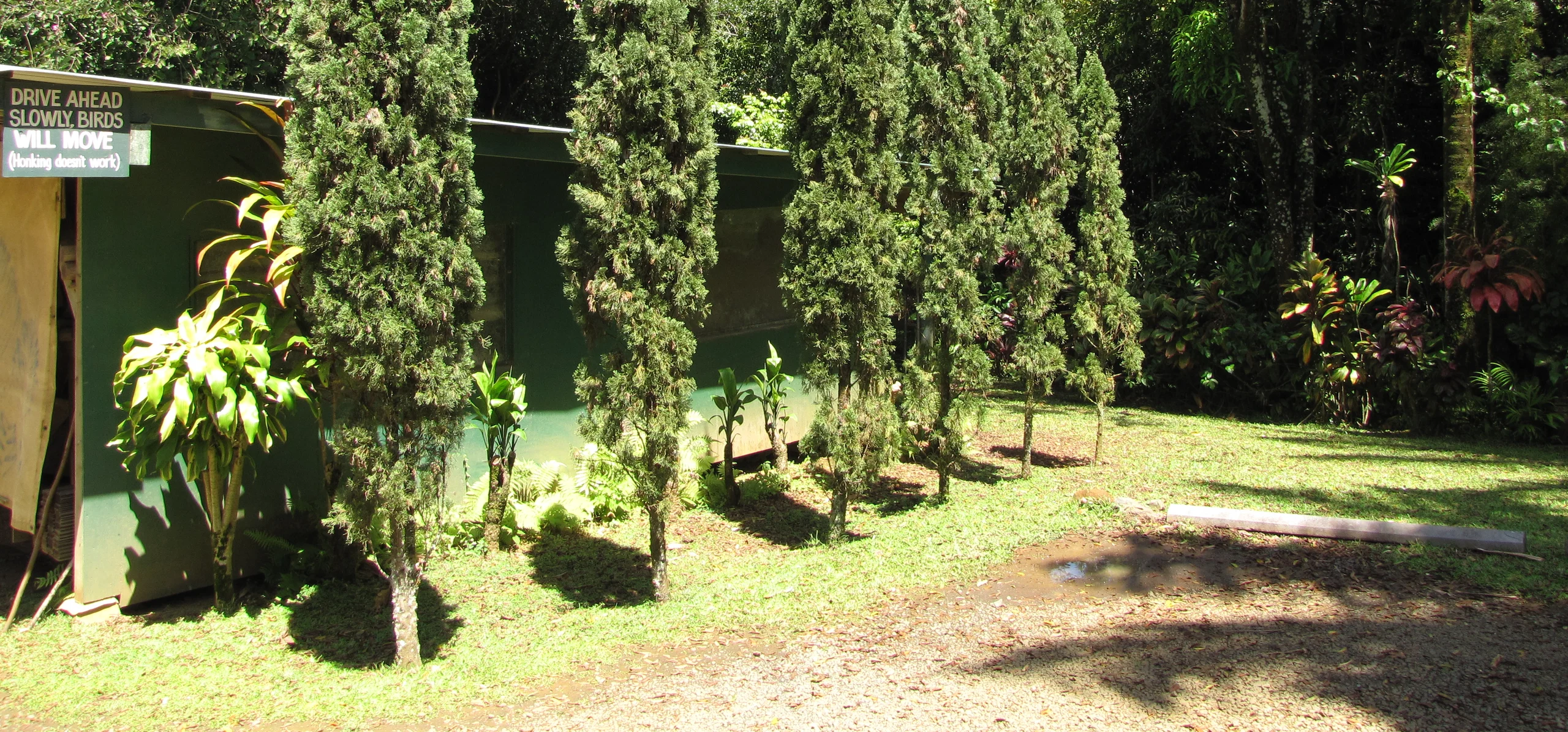
Left alone, the species grows into a broad, irregular pyramid roughly 9 to 12 metres tall and 3 to 6 metres wide, which is too large for most foundation plantings, so most gardeners buy a named cultivar instead. 'Grey Owl' stays low and wide-spreading, with soft, silvery blue-grey scale foliage that works as a groundcover-scale shrub rather than a tree. 'Taylor', discovered as a chance seedling in Taylor, Nebraska, is the opposite habit: a very narrow column with silvery blue-green foliage, reaching about 15 to 20 feet tall on a 3 to 4 foot base, dense enough to use as a living wall or a narrow privacy screen where a wide conifer will not fit; the Missouri Botanical Garden gave it a Plants of Merit award for exactly that usefulness in tight urban lots. 'Skyrocket' is grown for the same narrow, upright silhouette, an exclamation-point shape used to frame doorways or break up a long hedge line.
Why It Should Not Grow Near Apple Trees
The fungus Gymnosporangium juniperi-virginianae, cedar-apple rust, cannot complete its life cycle without both a juniper host and an apple or crabapple host, and eastern red cedar is its primary juniper host across most of its range. In spring, brown galls on the red cedar swell after rain and push out bright orange, gelatinous spore horns that release spores carried on the wind to apple and crabapple foliage; a couple of weeks later those leaves show yellow spots, then develop their own spore structures that blow back to infect junipers the following year. Neither host can sustain the disease alone, which is why orchard growers are told to keep susceptible apple varieties and red cedar well separated, and why anyone planting a home orchard should think twice about a red cedar windbreak nearby, or plant rust-resistant apple cultivars if the two cannot be kept apart.
Aromatic Heartwood: Cedar Chests, Pencils and Fence Posts
The reddish-brown heartwood, sharply contrasted with pale sapwood, is naturally rot-resistant and carries the sharp, sweet scent most people associate with the word cedar; it was the original wood used for pencils before supplies were largely replaced by incense cedar, and it is still the classic lining for cedar chests and closets, where the aromatic oils are credited with deterring clothes moths. The same rot resistance made it a standard fence post timber on farms across its range long before pressure-treated lumber existed, since a red cedar post set directly in the ground can outlast the wire it holds up.
Blue, Berry-Like Cones That Feed Winter Birds
What looks like a small blue berry on a female tree is botanically a cone, with fleshy, fused scales instead of the woody scales of a pine cone; each one ripens over roughly two seasons to a frosted blue-grey, about the size of a small pea, and persists into winter. That persistence matters more than the size: at a season when little else is available, the cones feed cedar waxwings, bobwhite quail, wild turkeys and a long list of songbirds and small mammals, and it is that same bird traffic, not wind, that carries the seed into every fence row and untended field within reach.
Pollen Allergy and the ASPCA Toxicity Check
Eastern red cedar is dioecious, meaning an individual tree is either male or female; only male trees carry the small, yellow-brown pollen cones that release large amounts of wind-borne pollen in late winter, one of the more aggressive tree allergens gardeners deal with before anything else has leafed out, while female trees produce the blue cones and no pollen at all. The species does not appear on the ASPCA's toxic or non-toxic plant lists under either its scientific or common name, so no verified ASPCA toxicity rating exists for cats, dogs or horses; North Carolina State Extension separately notes only low toxicity if the foliage or cones are eaten in quantity, mainly mild stomach upset, so a browsing pet is a nuisance to manage rather than an emergency.
Test your plant knowledge
Tap a card to flip it and reveal the answer.
Eastern red cedar is a true cedar in the genus Cedrus. Tap to reveal ✕ False
This species has some of the best drought tolerance of any conifer native to the eastern United States. Tap to reveal ✓ True
Planting eastern red cedar near apple or crabapple trees can worsen cedar-apple rust on the apples. Tap to reveal ✓ True
Only female eastern red cedar trees release the pollen that causes allergies. Tap to reveal ✕ False
Birds eating and dispersing the blue cones help this species colonize old fields and fence rows. Tap to reveal ✓ True
Sources
References consulted for this guide
- GBIF Backbone Taxonomy: Juniperus virginiana L.gbif.org
- Plants of the World Online (Kew): Juniperus virginiana L.powo.science.kew.org
- Missouri Botanical Garden Plant Finder: Juniperus virginiana 'Taylor'missouribotanicalgarden.org
- NC State Extension Gardener Plant Toolbox: Juniperus virginianaplants.ces.ncsu.edu
- USDA PLANTS Database: Juniperus virginiana (eastern redcedar)plants.usda.gov
- Reference entity : Wikipédiaen.wikipedia.org