Lawson Cypress
Chamaecyparis lawsoniana
Family · Cupressaceae
From dwarf 'Minima Aurea' mounds to clipped hedges, Lawson cypress needs sharp drainage: wet soil invites the root rot now threatening it in the wild.
Chamaecyparis lawsoniana
Plant profile
- WateringModerateWater every 8 days
- Light exposurePartial sun
- Hardiness zoneUSDA 5–8
Growth
- Family
- Cupressaceae
- Life cycle
- Perennial
- Growth speed
- 3/10
- Mature size
- 3350–5490 cm
- Spread
- 910–1740 cm
- Propagation
- Seed
- Cutting
- Grafting
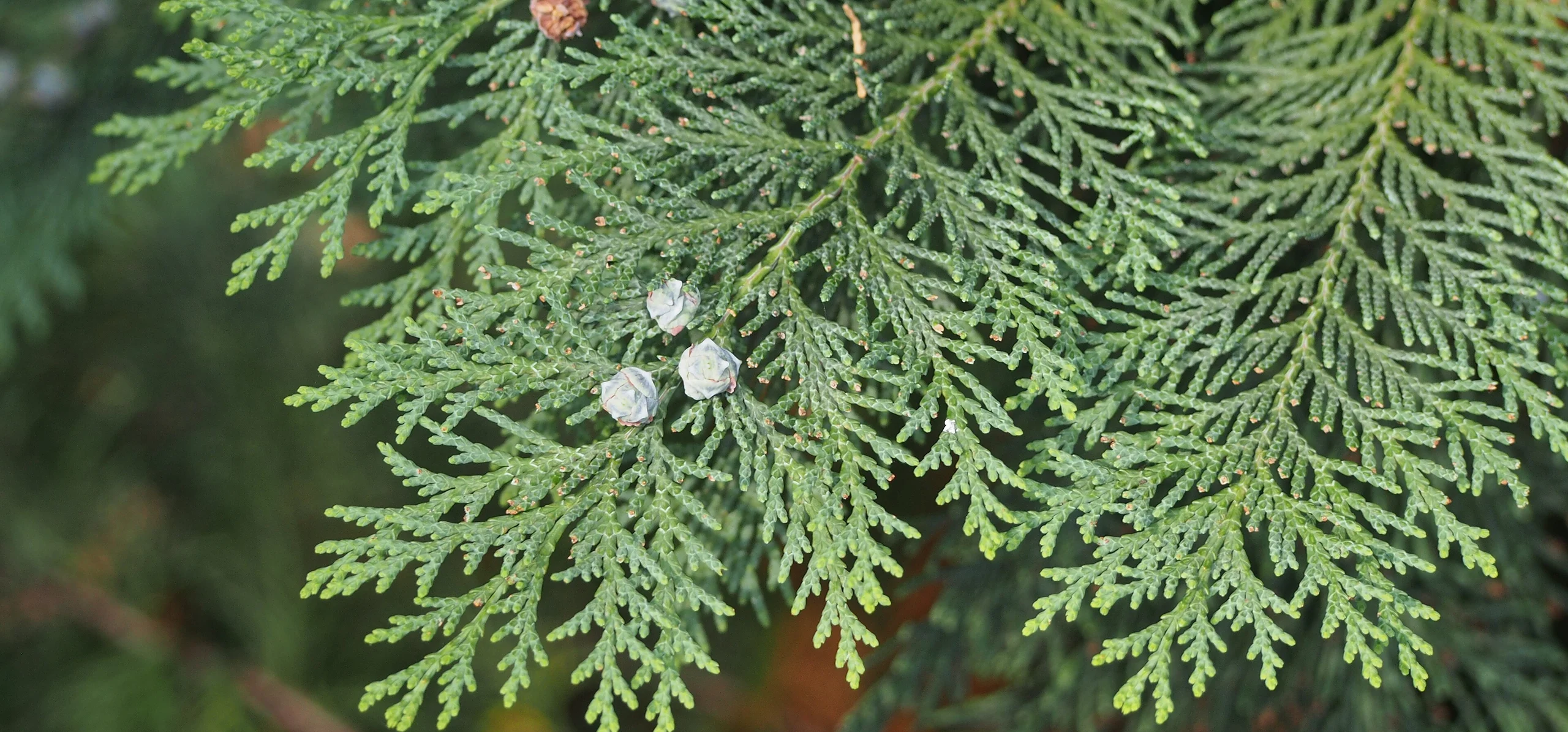
FloweringInconspicuous cones; small globose seed cones ripen from blue-green to brown in the first year
Dormancyevergreen, growth slows in winter
Time to maturity20 to 50 years to reach eventual size
Soil & climate
- Soil types
- chalk, clay, loam, sand
- Drought tolerance
- No
Light & Placement
- Origin
- Southwest Oregon to northwest California
- Where to place it
- clipped formal hedge
- rock garden or raised bed (dwarf cultivars)
- specimen conifer
- screen or windbreak
- large free-draining container while young, for columnar cultivars like 'Ellwoodii'
Safety
- Toxicity
- Not evaluated by the ASPCA; toxicity undetermined
- Pet safe
- No
Data fromGBIF Backbone Taxonomy: Chamaecyparis laPlants of the World Online (Kew): ChamaeRHS: Chamaecyparis lawsoniana (Lawson's NC State Extension Gardener Plant ToolboRHS: Chamaecyparis lawsoniana 'Ellwoodii
Where it grows
World distribution
Lawson Cypress is native to a single country: United States.GBIF records 39,862 documented identifications across 60 countries, with the largest concentrations in United Kingdom, Germany, and United States.
- United States
Yellow to orange dots: concentration of documented identifications per country. Green countries: sourced native range. Source: GBIFNative range from POWO (Kew).
Whether it arrived as a dwarf golden ball for a rockery or a bare-root whip for a boundary hedge, the plant tag probably just said Chamaecyparis lawsoniana and left the rest to you. That single species covers an unusually wide range of garden forms, from mounds barely 60 cm across to columns that will eventually top 8 m, and almost all of them share the same two weaknesses: they will not regrow from bare, leafless wood once it is cut into, and they sicken quickly on ground that stays wet. Get the site and the trimming schedule right and this is an undemanding, long-lived conifer; get either wrong and the result is a permanent brown gap or a slow, terminal decline.
Choosing a Cultivar: From Rockery Mounds to Full Hedges
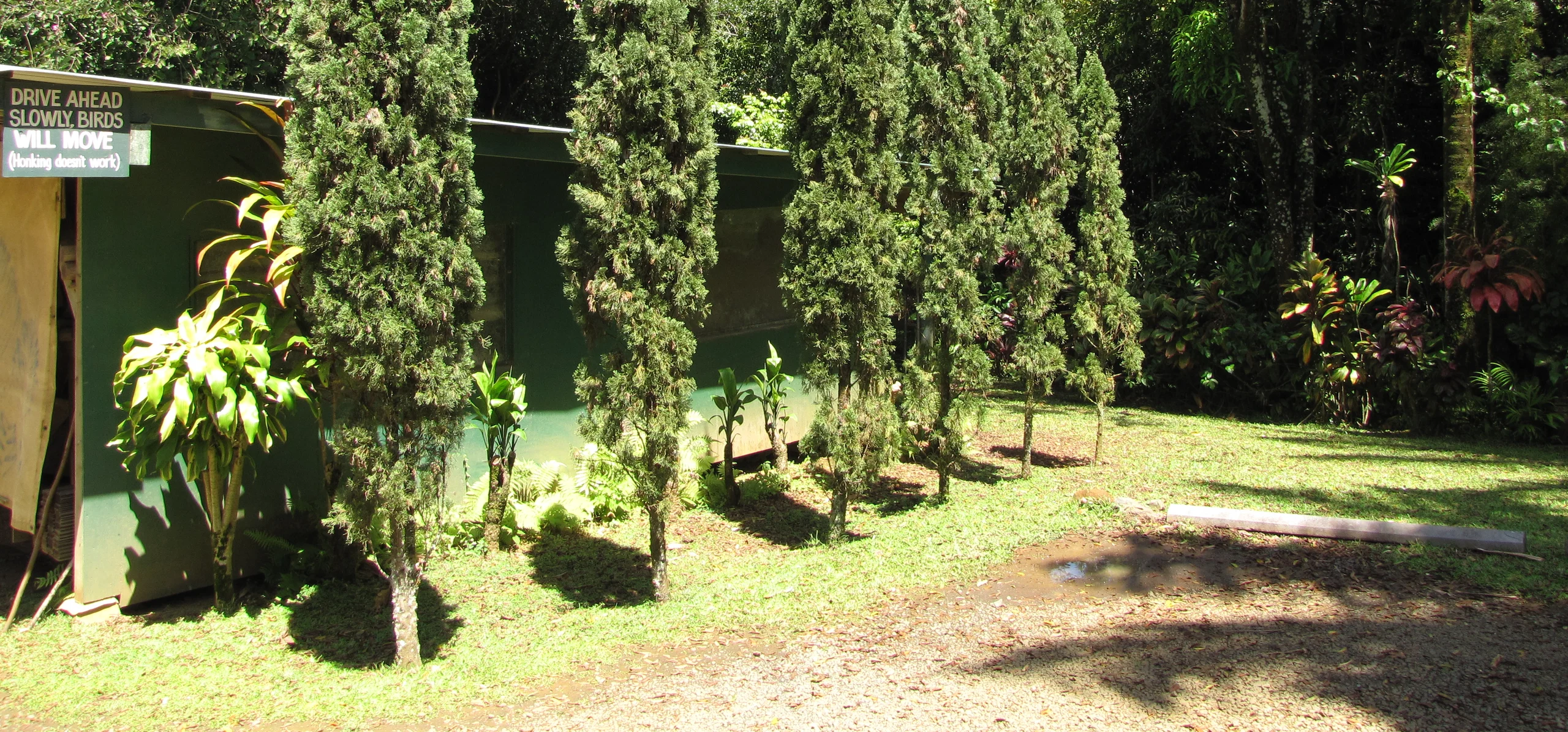
Nurseries list several hundred named cultivars of Lawson cypress, a legacy of how variable the species proved when raised from seed in nineteenth-century European nurseries, and the differences between them are large enough that two plants sold under the same species name can look nothing alike. 'Minima Aurea' is a genuinely dwarf, broadly conical form with golden-yellow foliage held in dense, upright sprays; the RHS records it reaching only around 60 cm after ten years and just over a metre after thirty, which makes it a rock garden or raised bed plant rather than a specimen tree. 'Ellwoodii' sits at the other end of the size range among the popular cultivars: a slow-growing, columnar shrub with soft, blue-grey juvenile foliage that the RHS lists at an eventual 4 to 8 m tall but only 1.5 to 2.5 m wide, narrow enough to use as a punctuation point in a border long before it reaches that height. Straight species plants, grown from seed, are what get used for full-size hedging and screening.
Origin and Why the Wild Population Is Declining
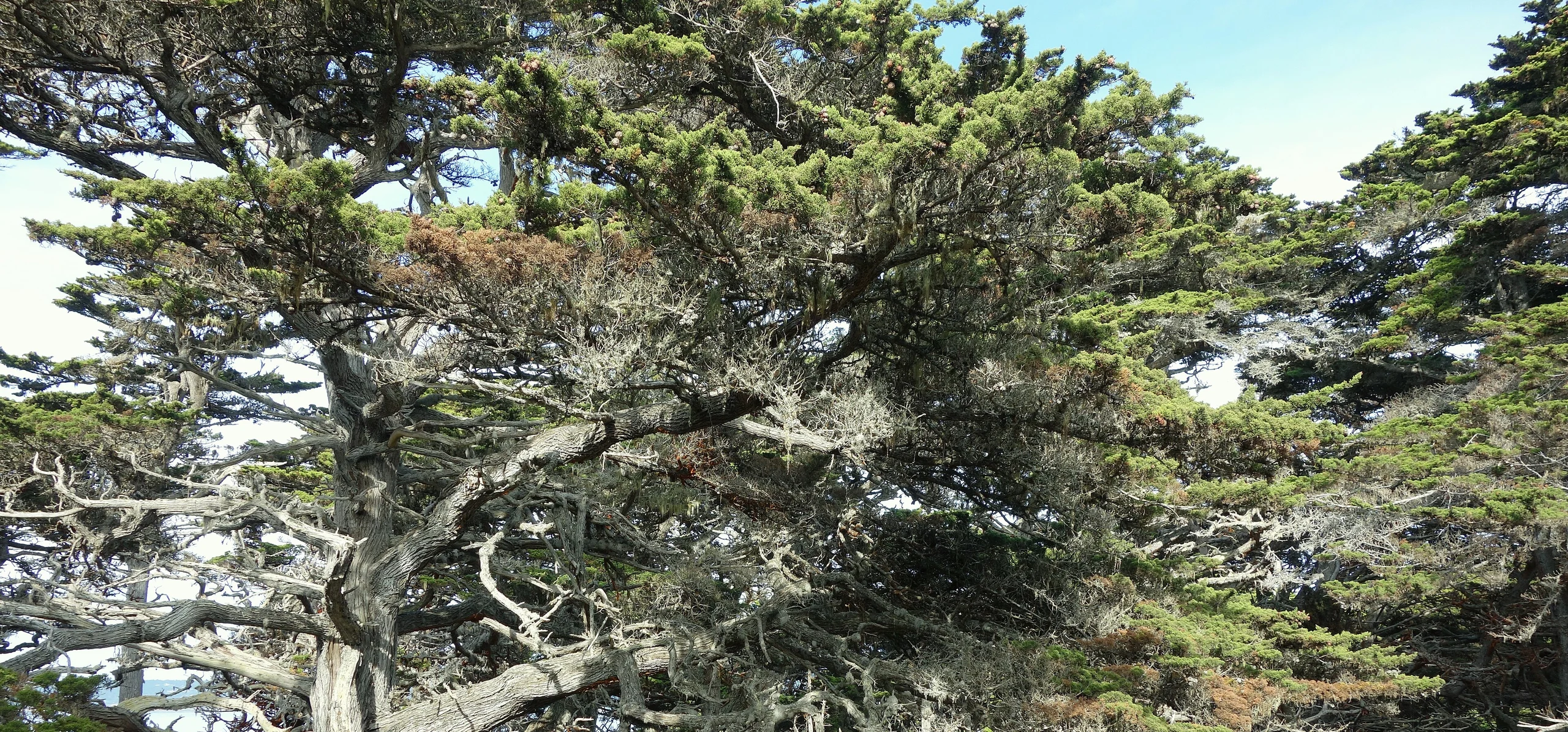
Plants of the World Online gives the native range as a narrow strip of southwest Oregon into northwest California, where the species grows wild along streams and on damp forest slopes. NC State Extension notes plainly that Phytophthora lateralis root rot is a major problem for the species, serious enough that nurseries now graft some plants onto resistant rootstock to keep supplying them. Because the pathogen spreads through water, it moves easily through the damp, seepage-fed ground the species naturally favours, and it has been killing wild trees across that narrow native range for decades, so the same conifer sold worldwide as an easy hedging plant is, in its own native forest, a species in decline.
Siting and Soil: Keeping Root Rot Out
The lesson for a garden planting is almost the opposite of the wild habitat: avoid the low, poorly drained corner that would suit the species in Oregon, because in cultivation that is exactly the ground where Phytophthora lateralis spores build up and spread. The RHS rates the species for chalk, clay, loam and sand, and for acid, neutral or alkaline pH, but every one of those references the same qualifier, moist but well-drained. A site that holds surface water after rain, or a spot at the base of a slope where runoff collects, raises the odds of root rot regardless of soil type. Raised beds, added grit on heavy clay and simply avoiding compacted, trafficked ground around the root zone all reduce the risk far more than picking the right pH ever will.


Watering and Feeding
Newly planted specimens need regular watering through their first one or two growing seasons while roots establish, especially on light or sandy soil that dries out fast; established plants are not notably drought-tolerant and appreciate an occasional deep soak in a dry summer rather than frequent light sprinkling, which encourages roots to stay near the surface. A general-purpose slow-release feed in spring is enough for most garden plantings; golden and blue-foliage cultivars such as 'Minima Aurea' hold their colour best with steady, moderate feeding rather than a single heavy application, which tends to push soft, wind-scorched growth instead.
Growing 'Ellwoodii' and Other Dwarf Forms in a Pot
Because 'Ellwoodii' and similar columnar cultivars only add a few centimetres of height most years, they make workable container plants for several seasons before the root system needs the open ground. Use a large pot with a genuinely free-draining, loam-based compost from the start, since the same waterlogging risk that threatens a border planting is worse in a container where water has nowhere to go but the drainage holes; raise the pot on feet through winter so it never stands in a saucer of rainwater. Repot into the next size up as soon as roots start to circle the rootball rather than waiting for the plant to look pot-bound above ground, and expect to move a fast-filling specimen into the garden proper within four or five years if it is to keep its natural columnar shape.
Hedge Trimming: Timing and the Brown Wood Rule
The RHS recommends clipping a Lawson cypress hedge twice a year, once in spring and again in summer, with the cut-off point being the end of August: trimming later than that removes the current season's soft growth without leaving time for fresh shoots to fill in before winter, and the result is a visible bare patch that will not fill in on its own. The rule that matters even more than timing is that, yew aside, conifers will not reshoot from old, leafless wood once it has browned off inside the hedge. That means a Lawson cypress hedge has to be kept within its intended size every year rather than left to grow out and then cut back hard, because cutting back into the brown interior produces a permanent hole rather than fresh green growth.
Pests, Honey Fungus and Reading Browning Patches
A hedge or specimen that develops a browning patch is telling you something different depending on where the browning starts. Foliage that fades gradually from green through dull grey-green to brown, especially alongside patchy dieback and a generally thinning crown, points toward Phytophthora root rot: the RHS describes the below-ground evidence as feeder roots that have rotted away and larger roots that have turned brown or black and soft internally, so a plant showing this pattern is worth lifting a little soil to check at the base. Honey fungus is the other major root-and-stem disease the RHS lists for this species, recognisable by a sheet of white fungal growth between bark and wood at the base and, in autumn, by clusters of honey-coloured toadstools nearby; it can kill a mature plant outright. Aphids, juniper scale and shoot-boring moths appear on the RHS pest list too, but none of them causes the kind of sudden, spreading browning that root disease does.
Toxicity and Pet Safety
Chamaecyparis lawsoniana does not appear on the ASPCA's toxic or non-toxic plant lists for cats, dogs or horses, so no verified toxicity status exists for this species; the safest approach with an unlisted conifer is to keep cut foliage and fallen cones away from pets that chew on garden material, without assuming either that it is safe or that it is dangerous.
Test your plant knowledge
Tap a card to flip it and reveal the answer.
Lawson cypress is more likely to develop Phytophthora root rot in wet, poorly drained soil. Tap to reveal ✓ True
A Lawson cypress hedge will produce fresh green growth if you cut back hard into the bare, brown wood inside it. Tap to reveal ✕ False
'Minima Aurea' is a dwarf, slow-growing golden cultivar suited to a rock garden. Tap to reveal ✓ True
The ASPCA lists Lawson cypress as toxic to cats and dogs. Tap to reveal ✕ False
The RHS recommends trimming a Lawson cypress hedge just once, in the middle of winter. Tap to reveal ✕ False
Sources
References consulted for this guide
- GBIF Backbone Taxonomy: Chamaecyparis lawsoniana (A.Murray bis) Parl.gbif.org
- Plants of the World Online (Kew): Chamaecyparis lawsonianapowo.science.kew.org
- RHS: Chamaecyparis lawsoniana (Lawson's cypress)rhs.org.uk
- NC State Extension Gardener Plant Toolbox: Chamaecyparis lawsonianaplants.ces.ncsu.edu
- RHS: Chamaecyparis lawsoniana 'Ellwoodii'rhs.org.uk
- Reference entity : Wikipédiaen.wikipedia.org