Common Juniper
Juniperus communis
Family · Cupressaceae
Juniperus communis tolerates thin, dry soil and needs almost no pruning, but its berries take two to three years to ripen and form only on female plants.
Juniperus communis
Plant profile
- WateringVery littleWater every 21 days
- Light exposurePartial sun
- Ideal temperature-40–35 °C
- Hardiness zoneUSDA 2–6
Growth
- Family
- Cupressaceae
- Life cycle
- Perennial
- Growth speed
- 2/10
- Mature size
- 400–800 cm
- Spread
- 250–400 cm
- Propagation
- Seed
- Cutting
- Grafting
FloweringDioecious; female plants bear small cones that ripen from green to blue-black over two to three years
Dormancyevergreen, no leaf drop
Time to maturity10 to 20 years for the species, up to 50 years for slow columnar cultivars such as 'Hibernica'
Soil & climate
- Soil types
- chalk, loam, sand
- Saline soil
- Not tolerated
- Drought tolerance
- Yes
Light & Placement
- Origin
- Subarctic and temperate Northern Hemisphere
- Where to place it
- rockery or scree bed
- poor, dry sunny bank
- boundary or windbreak planting
- large container on a patio
- large freestanding pot with drainage holes
- gritty, free-draining compost mix
Safety
- Toxicity
- HumansToxic
Invasive speciesNot considered invasive; native to Britain and Europe and in decline across parts of its wild range
Data fromGBIF Backbone Taxonomy: Juniperus communPlants of the World Online (Kew): JunipeRHS: Juniperus communis (common juniper)RHS: Juniperus communis 'Hibernica'RHS: Juniperus communis 'Green Carpet'
Where it grows
World distribution
Common Juniper is native to 53 countries: Afghanistan, Albania, Algeria, Austria, Belarus, Belgium, Bulgaria, and Canada….GBIF records 820,533 documented identifications across 86 countries, with the largest concentrations in France, Sweden, and Finland.
- Afghanistan
- Albania
- Algeria
- Austria
- Belarus
- Belgium
- Bulgaria
- Canada
- China
- Croatia
- Cyprus
- Czechia
Show 41 more countriesShow fewer countries
- Denmark
- Estonia
- Faroe Islands
- Finland
- France
- Georgia
- Germany
- Greece
- Greenland
- Hungary
- Iceland
- India
- Iran
- Iraq
- Ireland
- Italy
- Japan
- Kazakhstan
- Kyrgyzstan
- Lebanon
- Mongolia
- Morocco
- Nepal
- Netherlands
- Norway
- Pakistan
- Poland
- Portugal
- Romania
- Russia
- South Korea
- Spain
- Sweden
- Switzerland
- Tajikistan
- Türkiye
- Turkmenistan
- Ukraine
- United Kingdom
- United States
- Uzbekistan
Yellow to orange dots: concentration of documented identifications per country. Green countries: sourced native range. Source: GBIFNative range from POWO (Kew).
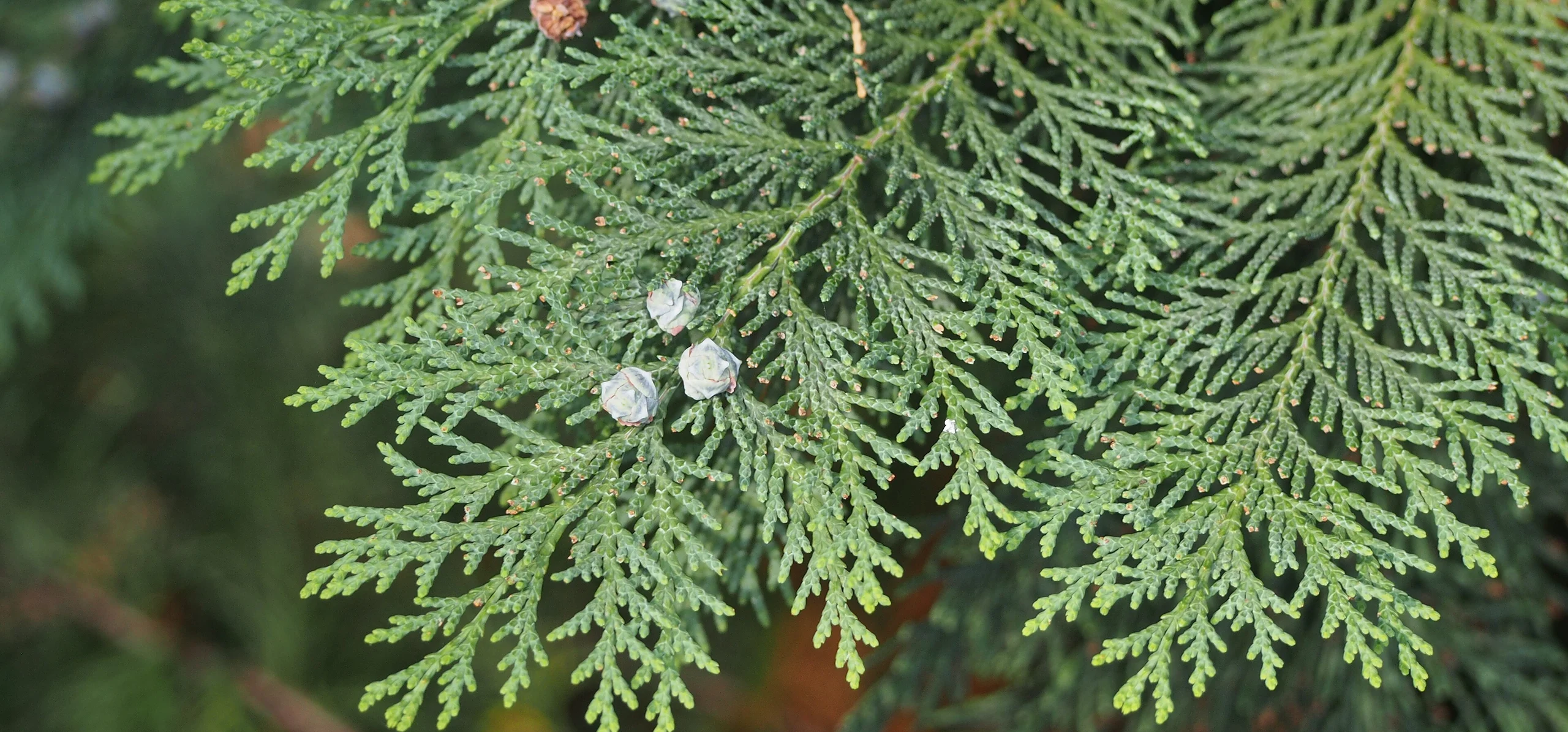
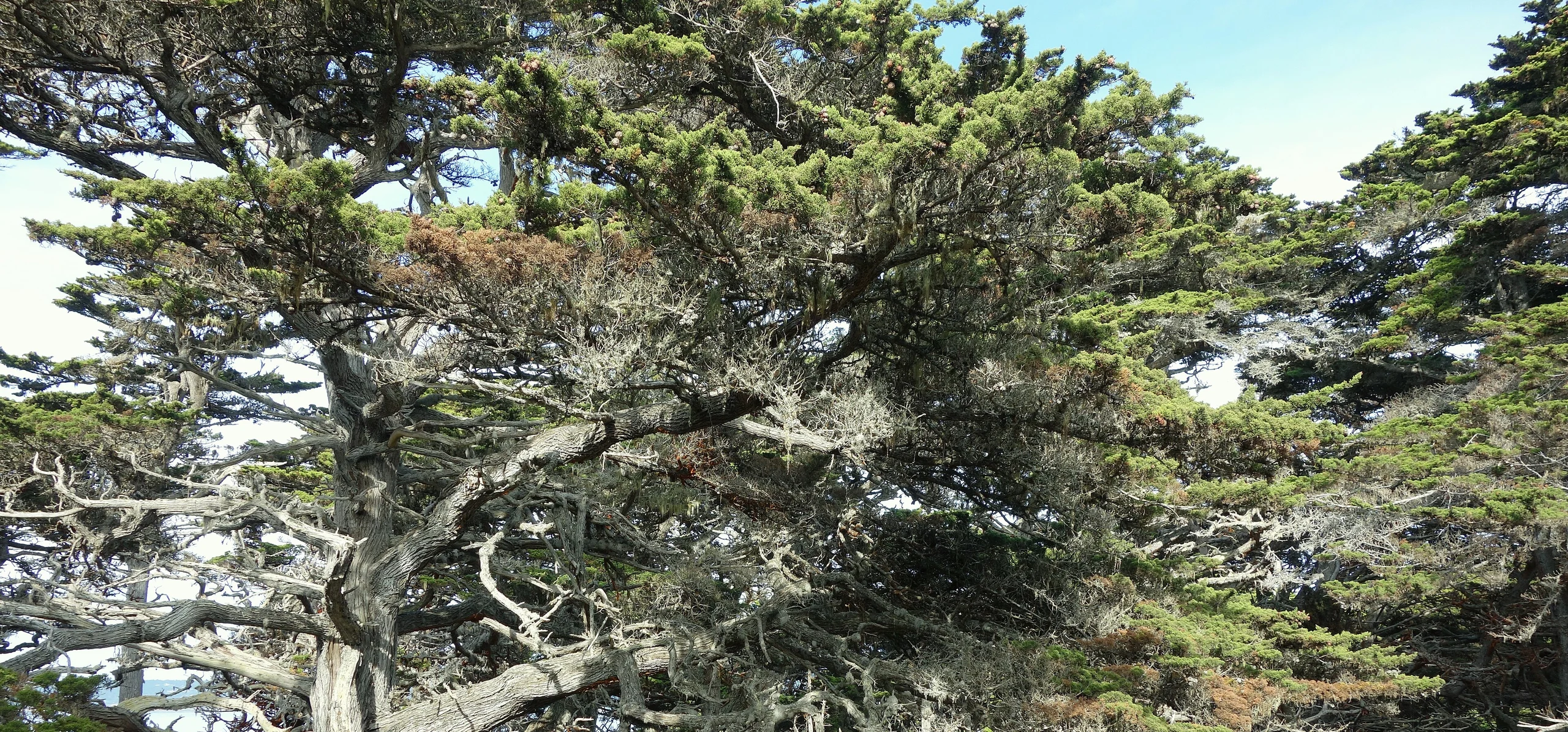
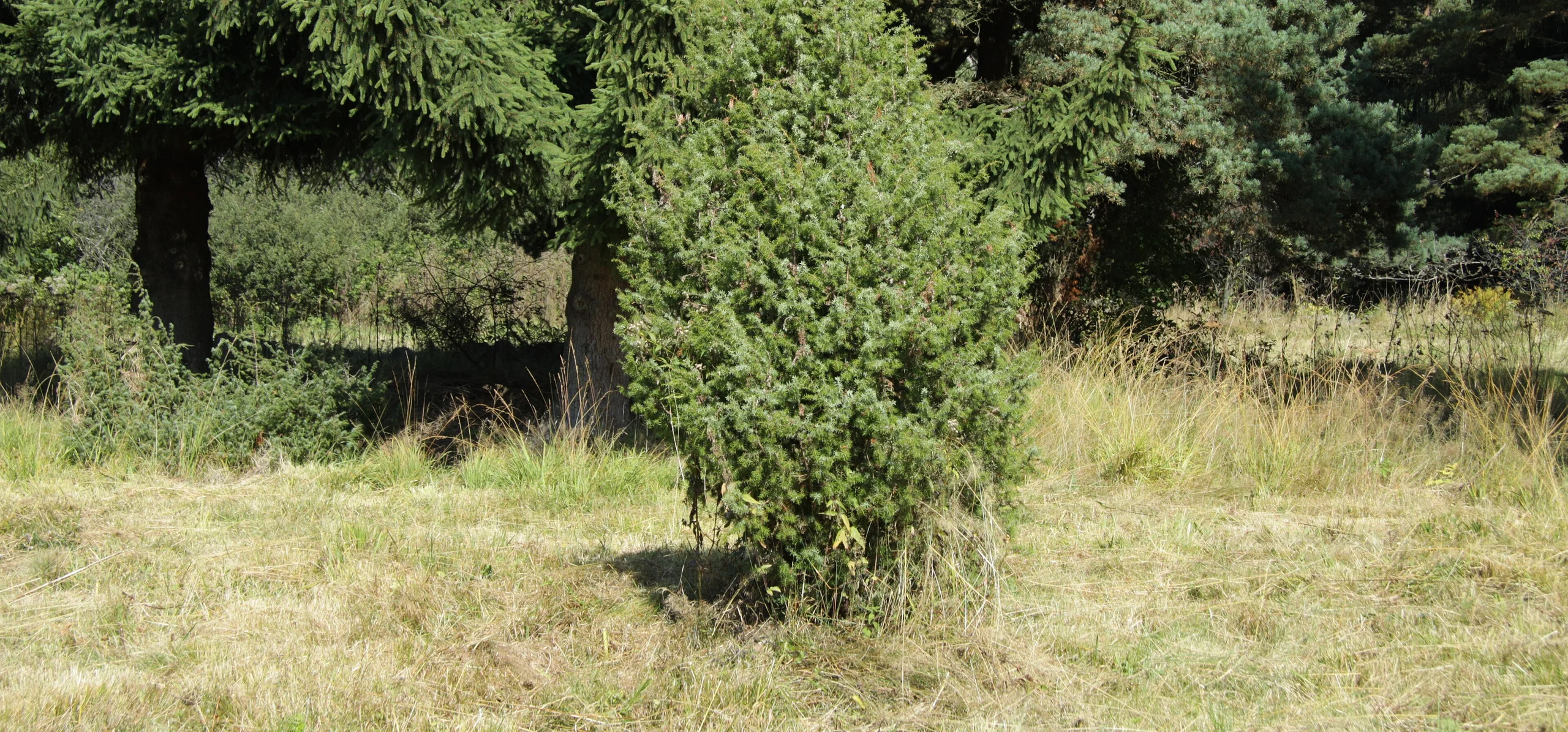
A common juniper found growing wild on a chalk down or a heath, and one sold as a tight upright column for a front garden, are the same species: Juniperus communis has the largest native range of any conifer, running from the Arctic edge of Scandinavia across most of temperate Europe, Asia and North America. That huge range is also why nursery plants vary so much in shape, from a narrow, upright column to a mat that barely lifts off the ground. Growth is slow in every form, so a young plant that still looks sparse after its first couple of seasons in thin soil is behaving normally rather than struggling. What decides whether it thrives is mostly sun and drainage: this is a plant built for poor, dry ground, not a fertile border.
Two Shapes From One Species: 'Hibernica' and 'Green Carpet'
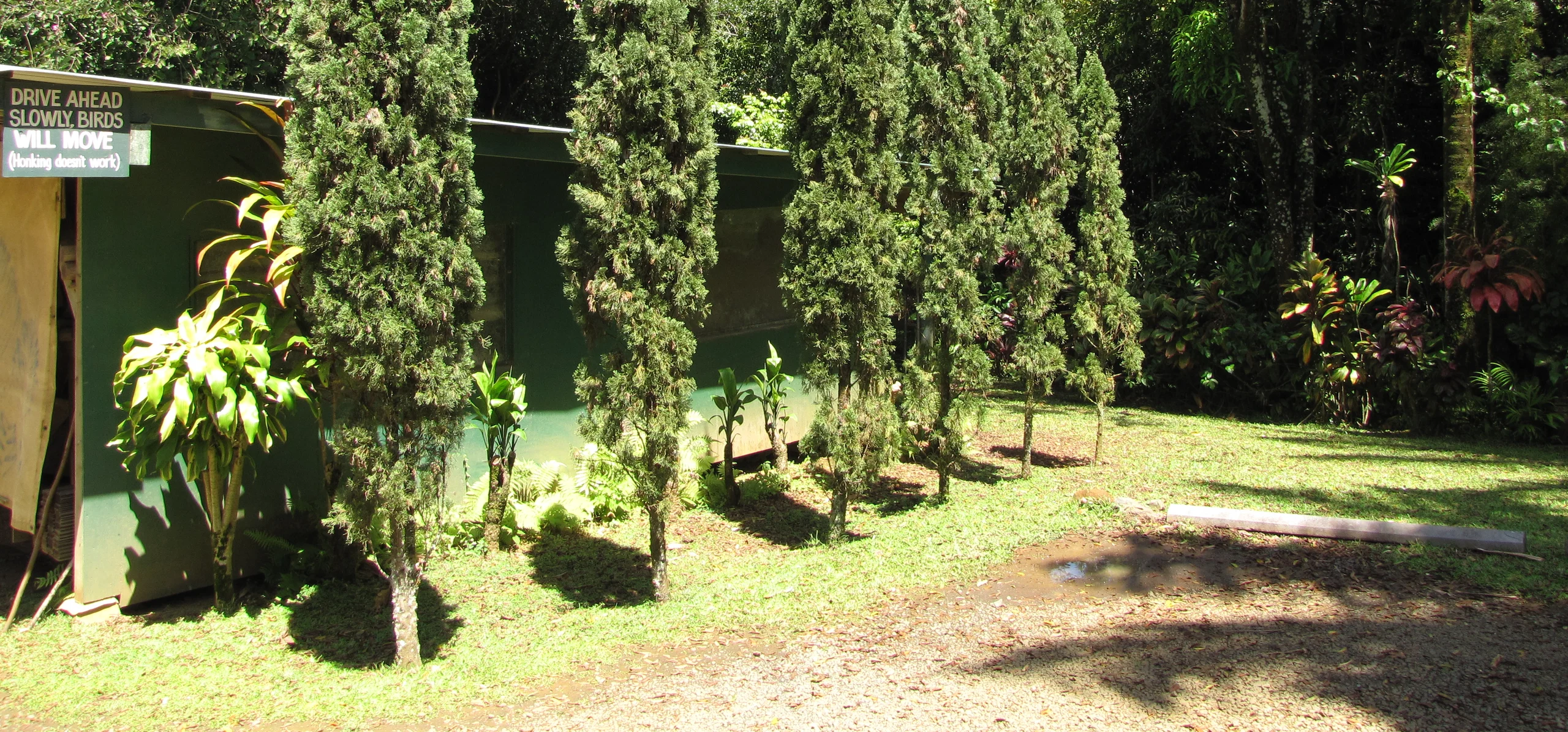
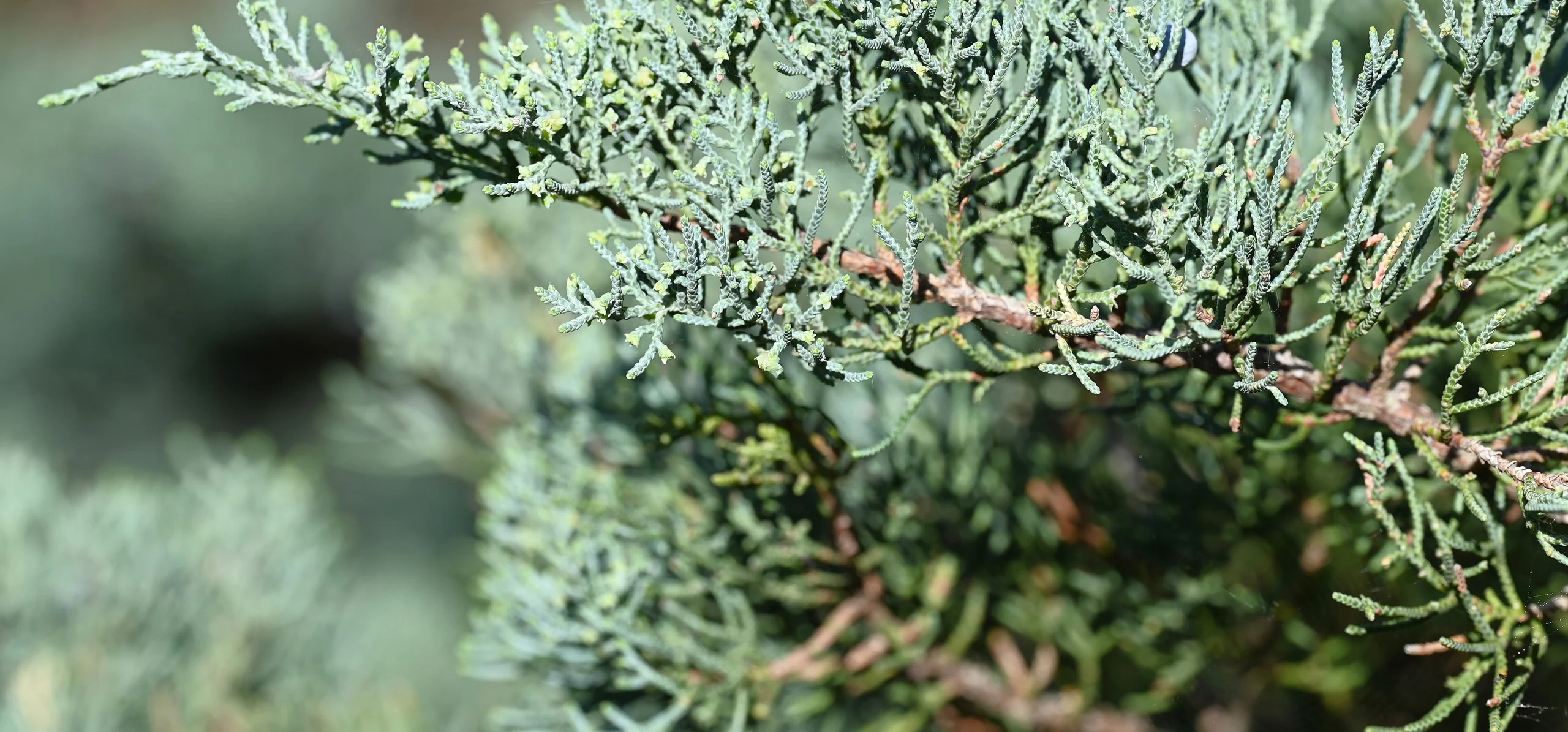
The straight species varies from a spreading shrub to a small tree and, per the RHS, reaches 4 to 8 metres tall and 2.5 to 4 metres wide over 10 to 20 years, with aromatic, needle-like grey-green foliage. 'Hibernica', the Irish juniper, is a dense, compact, columnar selection that stays narrow, 2.5 to 4 metres tall but only 0.1 to 0.5 metres wide at maturity, taking 20 to 50 years to reach that size, and holds an RHS Award of Garden Merit. At the other extreme, 'Green Carpet' is a wide-spreading, prostrate conifer that reaches only 0.1 to 0.5 metres tall while spreading 1 to 1.5 metres across over 10 to 20 years, its foliage taking on purple tints in winter; 'Repanda' does a similar job as a low, dense ground-hugging carpet up to 50 centimetres tall and 2 metres across, with foliage that bronzes in cold weather. Buying a named cultivar rather than an unlabelled seedling is the only reliable way to get one habit or the other, since the species itself sits between these two extremes.
Full Sun and Poor, Dry Soil
The RHS lists Juniperus communis as drought resistant and happy in chalk, loam or sand, in acid, neutral or alkaline soil, so long as it is well drained; it takes full sun or partial shade and copes with exposed as well as sheltered sites, on south, west or east aspects. The common mistake is to treat it like a border shrub and improve the soil with compost or extra irrigation, when what the plant actually wants is a lean, free-draining spot close to what it gets on a chalk down or a rocky slope in the wild. A raised bed, a bank, or a gritty, unimproved corner of the garden usually suits it far better than the richest bed available.
Watering While Roots Establish
A newly planted juniper still needs regular watering through its first year or two while its roots spread into the surrounding soil, but once established it needs very little supplemental water even through a dry summer, in keeping with its drought-resistant rating. The risk runs the other way in winter: heavy, poorly drained soil that stays cold and wet is a far bigger threat to this species than any amount of summer drought, so the same free-draining ground that suits it in July matters just as much in January. Raised planting, grit worked into heavy clay, or simply choosing a naturally sharp-draining spot in the first place does more for long-term health than any watering routine can.


The Slowest Conifer in the Nursery, and Why Pruning Rarely Helps
Common juniper grows slowly in every form sold, and the RHS lists it as needing no routine pruning at all. That is partly a matter of habit rather than laziness: junipers carry no dormant buds on their older, bare wood, so a stem cut back into brown, leafless growth simply will not resprout, unlike a boxwood or a privet that responds to hard pruning with a flush of new shoots. Any trimming to tidy a wayward shoot has to stay within the current season's green growth, snipping tips rather than cutting back into older wood, or the result is a permanent bare gap that the plant cannot fill back in.
Gin Berries: Female Plants Only, Three Years to Ripen
Juniperus communis is dioecious, meaning each plant is either male or female, and only female plants carry the small, fleshy, berry-like cones used to flavour gin. Once pollinated, those cones take roughly two to three years to ripen from green to the dusty blue-black colour used in distilling and cooking, which means a female plant can carry unripe first- or second-year cones alongside fully ripe third-year ones on the same branch at the same time. A single unlabelled plant bought for its berries is therefore a gamble: it may turn out male and never fruit, or a lone female with no male nearby may set few or no viable cones.
Phytophthora and a Damp Corner
Beyond the drainage issues any gardener can control, wild common juniper in Britain now faces Phytophthora austrocedri, a root and stem pathogen first confirmed in the UK in 2011 and since found across Scotland and northern England, including one of England's largest surviving juniper populations at Upper Teesdale. The disease kills roots and phloem, forming lesions that spread into the lower stem and eventually girdle and kill the plant, and it has hit a species already recognised as vulnerable in Britain before the pathogen turned up. In a garden setting the RHS lists ordinary Phytophthora root rot alongside canker and honey fungus as risks for this species, one more reason a badly drained, waterlogged corner is worth avoiding.
Rockeries, Scree Beds and Pots
The prostrate cultivars earn their keep in a rockery or scree bed, where their low, mounding habit fills gaps between stones and their tolerance of poor, gritty soil matches the setting closely. Container growing works too, in a large, freestanding pot with generous drainage holes, since a restricted root ball dries out faster in summer and chills faster in winter than the same plant would in open ground; a slow-growing, compact cultivar stays in scale with its pot for years longer than the full-sized species would. The RHS also flags the foliage as potentially harmful to handle, a skin irritant worth respecting with gloves when planting or trimming, and the ASPCA's toxic and non-toxic plant lists carry no entry at all for Juniperus communis or common juniper, so it is best treated as unevaluated for pets rather than assumed safe.
A Species in Retreat: Grazing and Fragmentation in the Wild
Outside gardens, common juniper has declined across Britain over roughly the last sixty to seventy years, especially on upland sites, a trend studies attribute to continuous sheep grazing that prevents seedlings from establishing, alongside burning and fragmentation of remaining populations. Young plants are palatable to grazing animals in a way that older, spiny growth is not, so a stand of aging junipers can persist for decades while producing no successful next generation at all; juniper needs bare or very short turf to germinate, ground that heavy grazing or fire used to provide before management shifted. Every ornamental 'Hibernica' or 'Green Carpet' planted in a garden is the same species as those dwindling upland stands, even if the two now face almost opposite problems.
Test your plant knowledge
Tap a card to flip it and reveal the answer.
Juniperus communis is dioecious, so only female plants produce the berry-like cones used to flavour gin. Tap to reveal ✓ True
A pollinated female cone of Juniperus communis ripens into a usable berry within a few weeks. Tap to reveal ✕ False
Cutting Juniperus communis back hard into bare, older wood reliably triggers vigorous new regrowth from that wood. Tap to reveal ✕ False
The RHS rates Juniperus communis H7, hardy in the severest European continental winters below -20°C. Tap to reveal ✓ True
Wild common juniper populations in Britain have generally increased over the last several decades. Tap to reveal ✕ False
Sources
References consulted for this guide
- GBIF Backbone Taxonomy: Juniperus communis L.gbif.org
- Plants of the World Online (Kew): Juniperus communis L.powo.science.kew.org
- RHS: Juniperus communis (common juniper)rhs.org.uk
- RHS: Juniperus communis 'Hibernica'rhs.org.uk
- RHS: Juniperus communis 'Green Carpet'rhs.org.uk
- Reference entity : Wikipédiaen.wikipedia.org