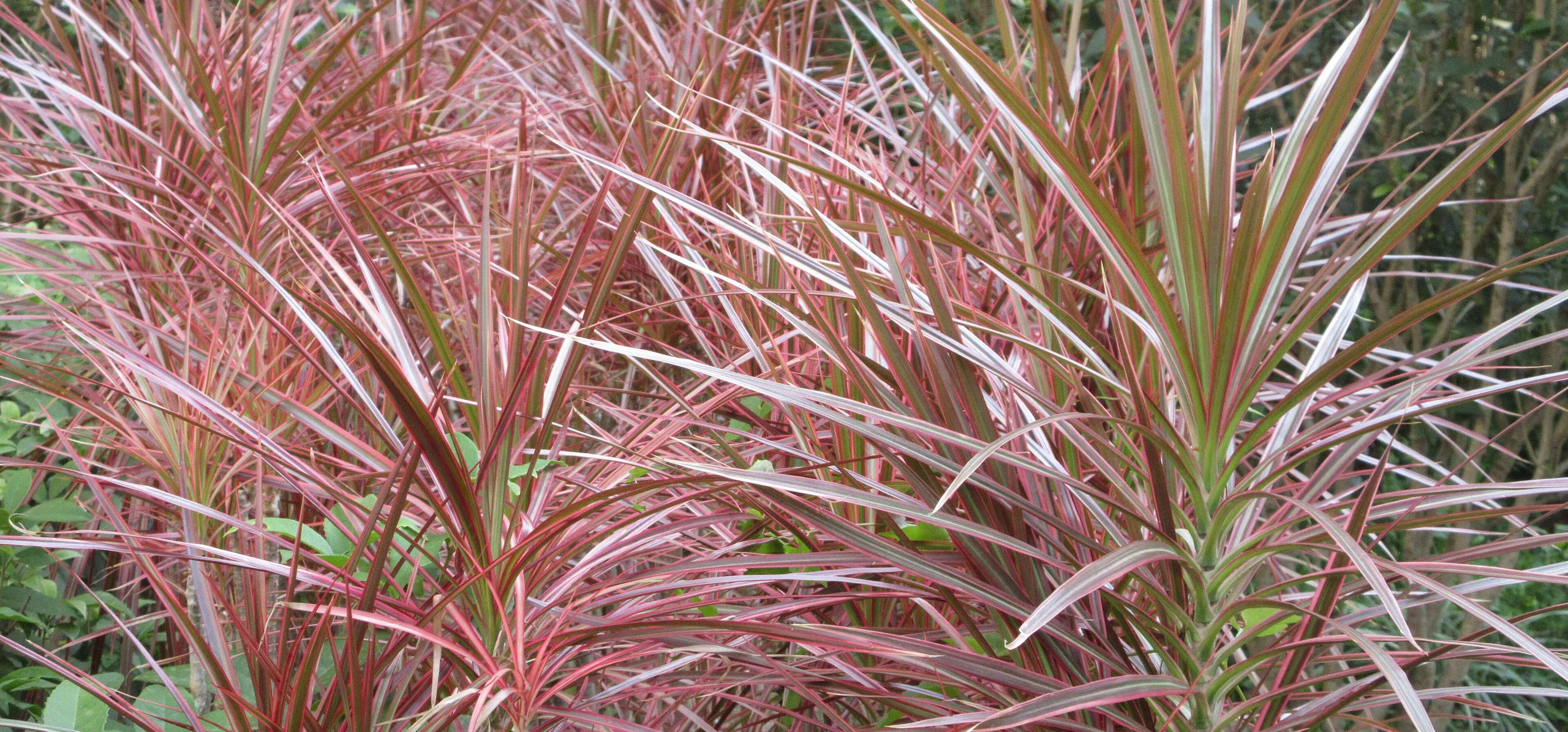
Madagascar Dragon Tree
Dracaena reflexa angustifolia
Family · Asparagaceae
Dracaena marginata (Dracaena reflexa var. angustifolia) care: tolerates low light and neglect, but overwatering, fluoride and dry air cause rot and brown tips.
Dracaena reflexa angustifolia
Plant profile
- WateringLittleWater every 12 days
- Light exposureIndirect light
- Ideal temperature10–27 °C
- Hardiness zoneUSDA 11–12
Growth
- Family
- Asparagaceae
- Life cycle
- Perennial
- Growth speed
- 3/10
- Mature size
- 250–400 cm
- Spread
- 150–250 cm
- Flowering
- Rare indoors
- Propagation
- Cutting
- Layering
DormancySlows in cool winter conditions
Time to maturity10 to 20 years to reach full size (RHS)
Soil & climate
- Soil types
- Peat-free, loam-based potting compost, Free-draining mix with perlite or grit
- Saline soil
- Not tolerated
- Drought tolerance
- Yes
Light & Placement
- Origin
- Western Indian Ocean, including Madagascar
- Where to place it
- A few paces back from any window
- Bright, indirect light near an east or north-facing window
- Shaded patio or terrace in frost-free climates
- Terracotta or ceramic pot with a drainage hole
Safety
- Toxicity
- CatsToxic
- DogsToxic
- HorsesToxic
Data fromDracaena reflexa var. angustifolia BakerMadagascar Dragon Tree (Dracaena marginaDracaena marginata (v), RHSDracaena reflexa var. angustifolia, NC S
Where it grows
World distribution
GBIF records 551 documented identifications across 47 countries, with the largest concentrations in Madagascar, United States, and South Africa.
Yellow to orange dots: concentration of documented identifications per country. Green countries: sourced native range. Source: GBIF.
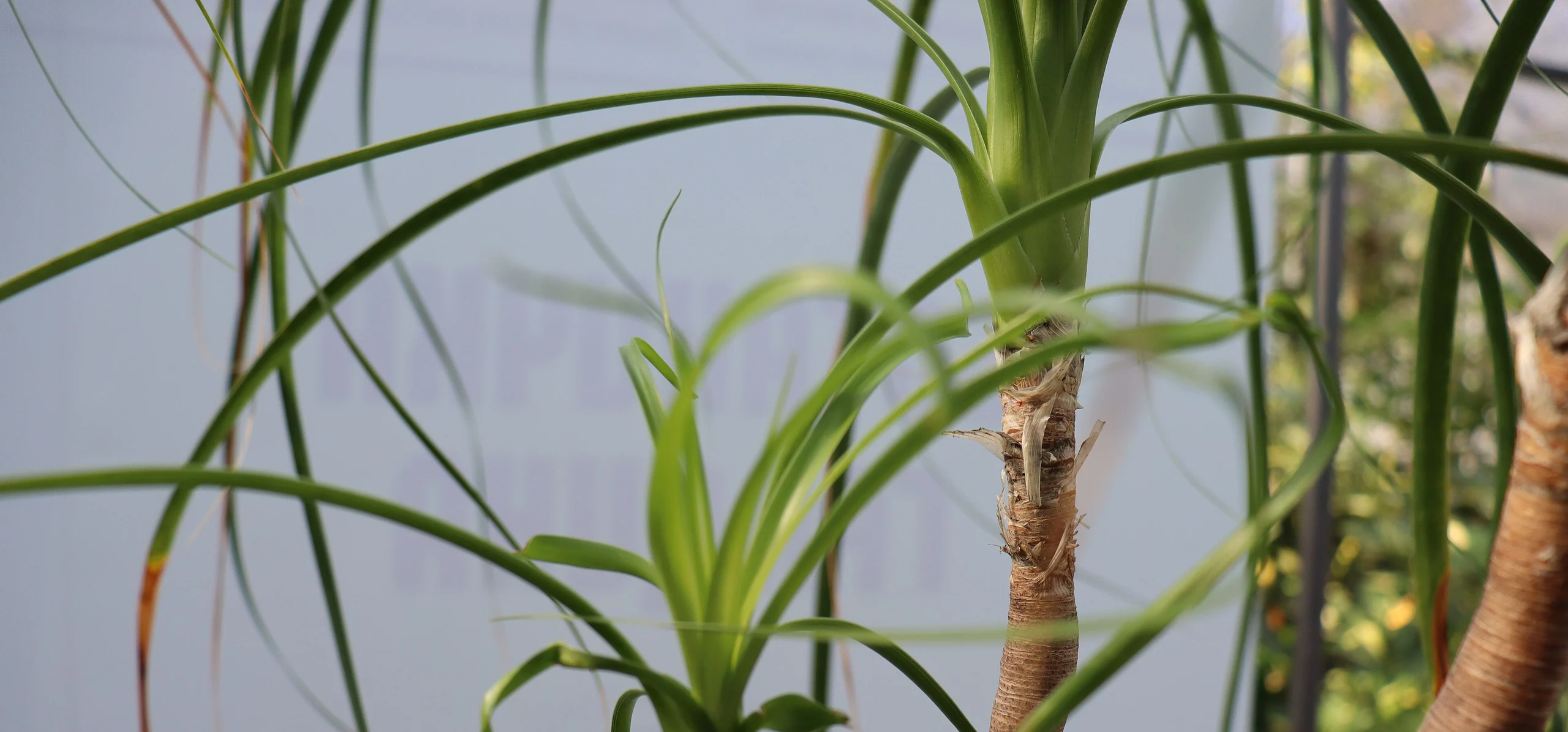
Almost everything sold as Dracaena marginata is not a separate species: GBIF, the global reference for accepted plant names, treats it as a synonym of Dracaena reflexa var. angustifolia, the narrow-leaved variety of Song of India, native to the western Indian Ocean including Madagascar. The trade name survives because it has been on the nursery tag for decades and because the plant looks nothing like the broad, often cream-striped Dracaena reflexa sold under the same genus: a single upright cane, or several, topped with a spiky rosette of pencil-thin leaves edged in red. It is one of the most forgiving houseplants sold, shrugging off a dim hallway and an irregular watering schedule for months. What it does not forgive is a pot that stays wet: overwatering, not neglect, is what actually kills this plant, and the water itself can leave permanent brown edges on the leaves long before root rot ever sets in.
A dragon tree with a trade name of its own
The straight species, Dracaena reflexa, is the broader plant sold as Song of India. This narrow-leaved form was described separately in the 19th century as Dracaena reflexa var. angustifolia Baker, and it is this name, not marginata, that GBIF and Kew's Plants of the World Online currently accept. Dracaena marginata Lam., along with older names such as Dracaena gracilis and Cordyline marginata, are recorded as synonyms of the same variety rather than as a separate species. Nothing changes at the potting bench: the plant everyone recognises by its thin, sharply red-edged leaves is this one, whatever the label in the shop says.
Choosing a variety: green, Tricolor and Colorama
The plain form has long, sword-shaped, recurved, dark green leaves finely edged in reddish-brown, an understated look that holds up well in low light. 'Tricolor' adds a cream stripe between the green centre and the crimson margin of each leaf, one of the RHS's award-winning forms of the plant; it needs noticeably more light than the plain green form to keep that stripe crisp, since the pale tissue cannot photosynthesise on its own. 'Colorama' goes further still, its new leaves emerging almost solid pink and red before settling toward green with age, and it is the slowest and most light-hungry of the three. The plain green form is the safer buy for a room with only moderate light; save the variegated cultivars for the brightest spot in the house.
Light: the one dracaena that tolerates a dim corner
This is one of the few houseplants genuinely comfortable several paces back from any window, which is why it turns up so often in offices and hallways. Bright, indirect light produces the fastest growth and the crispest leaf colour, but the plain green form survives for years in surprisingly low light, simply slowing down rather than declining. The one light mistake that does lasting damage runs the other way: a few hours of hot, direct sun through unfiltered glass scorches the thin leaves within a day, which is why the RHS recommends full light with protection from intense direct heat rather than unfiltered midday sun.


Watering: overwatering, not drought, is the real threat
Let the top half of the pot dry out before watering again, then water thoroughly and let it drain completely; never let the pot sit in a full saucer. This plant tolerates missed waterings far better than it tolerates wet feet: standing water suffocates the roots within days, and the first sign is often a cane gone soft and dark at the base rather than wilting leaves, by which point the damage is already done. Cut back further in winter, when growth slows almost to a stop and the compost stays wet for much longer between waterings than it did in summer. A plant that looks unwell is far more often overwatered than underwatered, so when in doubt, wait another few days.
Brown tips: fluoride, salts and dry air
Like the rest of the genus, it reacts to fluoride in tap water by depositing it at the leaf margins, producing a band of brown, papery, dead tissue along the tips that never turns green again once it has formed. Rainwater or distilled water avoids the problem entirely; letting tap water sit out does nothing for it, since only chlorine dissipates that way. Over-feeding causes an identical-looking tip burn from salt build-up in the compost, so feed sparingly, roughly once a month in spring and summer and not at all in winter. Very dry indoor air, especially near radiators, makes both problems more visible and is also what invites the pest described further down.
Soil and potting
Pot it in a peat-free, loam-based compost loosened with perlite or coarse grit, in a container with a drainage hole; the RHS lists well-drained conditions as essential regardless of pH, since the plant tolerates acid, neutral or alkaline mixes equally. Repot a young, actively growing plant every year or two in spring, moving up only one pot size at a time. A mature, multi-cane specimen can go several years between repots and just have the top few centimetres of compost refreshed instead, since a plant this top-heavy is easier to keep upright in a pot it has already filled with roots.
Cutting a cane to branch it, and rooting the top
Left alone, a single cane simply gets taller, dropping its lower leaves as it goes until it is a bare stem with a tuft on top; the RHS notes that a weak or overgrown stem can be cut back hard, to around 15cm, in spring. Cutting cleanly at any height forces two or three dormant buds below the cut to break and grow into new rosettes, turning one bare cane into a branched, fuller plant within a few weeks, and the cut surface calluses over on its own without needing to be sealed. The removed top does not have to be thrown away: strip the lowest leaves, let the cut end callus for a day, then stand it in water or push it into moist, free-draining mix, and it roots from the base over the following weeks to become a new plant.
Pests, and toxicity to cats and dogs
Dry indoor air is what invites spider mites, visible first as a dull, stippled look across the leaves and only later as fine webbing between them; the RHS also lists thrips and scale insects as recurring problems under glass. Wipe leaves down periodically and treat at the first sign with insecticidal soap, since mite populations build up fast in heated rooms over winter. Separately, the ASPCA lists this plant, under its trade name Madagascar Dragon Tree, as toxic to cats, dogs and horses, with saponins as the toxic principle; ingestion can bring on vomiting sometimes tinged with blood, along with depression, loss of appetite, drooling and, in cats, dilated pupils. Keep it out of reach of a chewing puppy or a cat that likes to nibble foliage.
Test your plant knowledge
Tap a card to flip it and reveal the answer.
Dracaena marginata is a distinct species from Dracaena reflexa. Tap to reveal ✕ False
Overwatering is a bigger risk for this plant than letting it dry out. Tap to reveal ✓ True
The variegated 'Tricolor' cultivar needs less light than the plain green form to keep its colour. Tap to reveal ✕ False
Cutting a bare cane makes it branch instead of just growing taller. Tap to reveal ✓ True
It is safe to leave within reach of cats and dogs. Tap to reveal ✕ False
Sources
References consulted for this guide
- Dracaena reflexa var. angustifolia Baker, GBIF Backbone Taxonomygbif.org
- Dracaena reflexa var. angustifolia Baker, Plants of the World Online (Kew)powo.science.kew.org
- Madagascar Dragon Tree (Dracaena marginata) toxicity, ASPCA Animal Poison Controlaspca.org
- Dracaena marginata (v), RHSrhs.org.uk
- Dracaena reflexa var. angustifolia, NC State Extension Plant Toolboxplants.ces.ncsu.edu
- Reference entity : Wikidatawikidata.org