Chinese Banyan
Ficus microcarpa
Family · Moraceae
Ficus microcarpa care as a houseplant, bonsai, and street tree: light, watering, aerial roots, why leaves drop after a move, and pruning tips.
Ficus microcarpa
Plant profile
- WateringModerateWater every 10 days
- Light exposurePartial sun
- Humidity70–100 %
- Hardiness zoneUSDA 9–11
Growth
- Family
- Moraceae
- Life cycle
- Perennial
- Growth speed
- 6/10
- Mature size
- 61–1524 cm
- Spread
- 61–1219 cm
- Flowering
- Inconspicuous figs, rarely produced indoors
- Propagation
- Seed
- Cutting
- Layering
DormancyEvergreen, no true dormancy
Time to maturity20-50 years to full outdoor size
Soil
- Soil types
- loam, sand, clay, chalk
Light & Placement
- Origin
- Tropical and subtropical Asia to the western Pacific
- Where to place it
- Near an east window
- A few feet back from a south or west window
- Full sun, sheltered from wind
- Partial shade in hot climates
- Shallow bonsai tray
- Standard nursery pot with drainage
Safety
- Toxicity
- Not listed by ASPCA; sap is a known skin allergen
- Pet safe
- No
Invasive speciesNaturalised and considered invasive in several warm regions outside its native range
Data fromGBIF Backbone Taxonomy: Ficus microcarpaPlants of the World Online (Kew): Ficus RHS: Ficus microcarpa (curtain fig, ChinNC State Extension Gardener Plant Toolbo
Where it grows
World distribution
Chinese Banyan is native to 26 countries: Australia, Bangladesh, Bhutan, Cambodia, China, Christmas Island, Cocos (Keeling) Islands, and Guam….GBIF records 12,745 documented identifications across 108 countries, with the largest concentrations in Taiwan, United States, and China.
- Australia
- Bangladesh
- Bhutan
- Cambodia
- China
- Christmas Island
- Cocos (Keeling) Islands
- Guam
- India
- Indonesia
- Japan
- Laos
Show 14 more countriesShow fewer countries
- Malaysia
- Marshall Islands
- Micronesia
- Myanmar (Burma)
- Nepal
- New Caledonia
- Papua New Guinea
- Philippines
- Solomon Islands
- Sri Lanka
- Taiwan
- Thailand
- Vanuatu
- Vietnam
Yellow to orange dots: concentration of documented identifications per country. Green countries: sourced native range. Source: GBIFNative range from POWO (Kew).
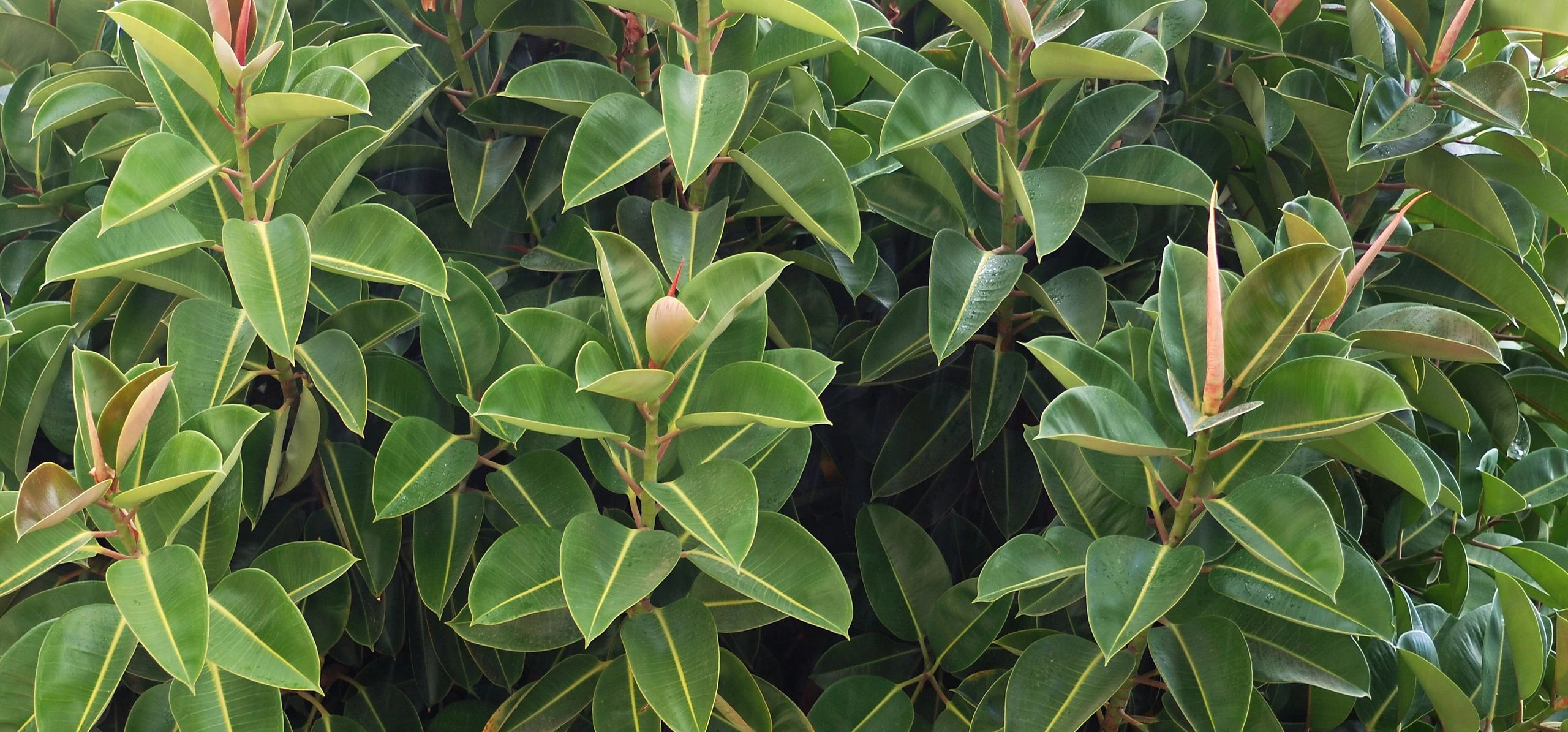
Ficus microcarpa reaches most homes as a 'Ginseng' bonsai: a swollen, bulbous base topped by a compact crown of small, glossy oval leaves, and it is one of the toughest figs you can keep indoors. In frost-free climates the same species also grows into a full-size shade and street tree, known for the curtain of aerial roots that drop from its branches and thicken into secondary trunks over decades. Bonsai and banyan are the same plant with the same core needs: strong light, water only once the topsoil starts to dry, and a stable spot. New arrivals almost always drop leaves in the first few weeks after the move home; that is shock, not failure, and a plant that still has firm stems and healthy buds will refoliate.
A Fig Sold Under Several Names
The accepted name, confirmed on GBIF, is Ficus microcarpa, in the fig family Moraceae, genus Ficus, order Rosales. Nurseries and older references also sell it as Ficus retusa, Ficus nitida, or Indian laurel, and GBIF records historic synonyms for the same taxon, including an old use of the name Ficus benjamina Thunb.; that is a nomenclature echo from a time when fig taxonomy was still being sorted out, not a claim that today's trade weeping fig is the same plant. POWO places its native range across tropical and subtropical Asia to the western Pacific, which explains why it thrives in warm, humid conditions and sulks the moment the air turns cold or dry.
Light: Bright Indoors, Full Sun Outside
As a houseplant, give it the brightest spot you have that is not scorching midday sun through glass: a few feet back from a south or west window, or right against an east one. Some direct morning sun is welcome and keeps the crown dense; deep shade produces thin, widely spaced leaves and accelerates leaf loss. Outdoors, the Royal Horticultural Society rates it for full sun or partial shade in a sheltered, south- or west-facing position, reflecting how it is planted along tropical streets and boulevards where it gets sun most of the day.
Watering and the Humidity Aerial Roots Need
Water thoroughly when the top two to three centimetres of mix have dried, then let the excess drain away completely; a 'Ginseng' bonsai in a shallow tray dries faster than a plant in a deep pot and may need checking every few days in summer. Humidity matters more here than for most houseplants: extension research notes that high humidity, in the seventy to one hundred percent range, favours the development of the aerial roots that give mature specimens their banyan look, so a pebble tray or occasional misting helps a plant kept in dry, heated rooms, even if it will still survive average room air.


Soil, Potting, and the Swollen 'Ginseng' Roots
A gritty, well-draining mix suits it best: a bonsai substrate of akadama, pumice, and a little bark for potted specimens, or a standard houseplant mix loosened with perlite for a plant grown as a regular indoor tree. Outdoors it tolerates chalk, clay, loam, and sandy soils as long as drainage is decent and the ground stays moist rather than waterlogged. The thick, bulbous "trunk" sold on Ginseng ficus bonsai is not a stem at all: growers lift and expose part of the root mass above the soil line, then let it thicken and cork over, which is why repotting a bonsai calls for gently working around those roots rather than burying them again. Repot a bonsai every one to two years in spring, trimming a portion of the roots each time; a plant grown as a full-size houseplant needs repotting far less often, once it has filled its current pot.
Leaf Drop After a Move (and Other Stress Signals)
This is the complaint every new owner reaches out about: a healthy-looking tree loses a third of its leaves within days of coming home. Ficus microcarpa reacts to any sudden change, a different light level, a draught from a door, a colder delivery van, by shedding leaves rather than trying to keep them all fed under stress it cannot yet judge. The leaves that fall are usually still green and pliable, which is the tell that separates moving shock from a watering problem: leaves that yellow first, then feel soft and drop, point to overwatered roots, while crisp brown edges point to dry air or underwatering. Leave a stressed plant in one bright spot, keep the watering rhythm steady, and resist the urge to repot or fertilise until new leaf buds appear, usually within three to six weeks.
Pruning, Wiring, and Training the Bonsai Shape
Ficus microcarpa takes pruning well and backbuds reliably, which is exactly why it is sold as bonsai material for beginners: cut a branch back to two leaves and new shoots appear from the stub within weeks. Shape young, flexible stems with bonsai wire in spring, checking every few weeks so the wire does not cut into the thickening bark, and remove it before it scars. Every cut stem oozes a milky white latex that is a known skin allergen, so wear gloves when pruning or taking cuttings and keep it off soft furnishings, since it stains.
Outdoors in the Tropics: A Street Tree With a Reputation
Planted in the ground in a frost-free climate, this species is capable of exceeding twelve metres in height with a canopy wider than eight metres, reaching that full size over twenty to fifty years, which is why it lines boulevards from Miami to Hong Kong to Sydney. The RHS rates its hardiness as H1B, needing a minimum of ten to fifteen degrees Celsius, and it corresponds to USDA zones 9a through 11b where it survives outdoors year-round; below that it must come inside or into a heated glasshouse for winter. The same aerial roots that make it photogenic can lift and crack pavement and building foundations if left unmanaged, and extension sources note it has naturalised and become invasive in a number of warm regions outside its native range, so check local planting guidance before putting one in open ground.
Pests, Sap, and Keeping Pets Safe
Indoors, watch the leaf undersides for spider mites, mealybugs, and scale, and check new growth for thrips; a monthly wipe-down with a damp cloth catches early infestations and keeps the leaves glossy. The ASPCA does not list Ficus microcarpa by name in its toxic-plant database, so it counts as not formally evaluated rather than confirmed safe; related figs it does list, including weeping fig, carry a milky sap with a proteolytic enzyme and a compound called psoralen that irritate the mouth, skin, and gut, and this species' sap behaves the same way in practice. Keep cuttings and fallen leaves away from cats and dogs that chew on plants, and rinse skin promptly if the sap gets on it.
Test your plant knowledge
Tap a card to flip it and reveal the answer.
The bulbous 'trunk' on a Ginseng ficus bonsai is actually a thickened root, not a stem. Tap to reveal ✓ True
Ficus microcarpa should be watered on a fixed weekly schedule no matter the season. Tap to reveal ✕ False
Sudden leaf drop right after bringing the plant home usually means it is dying. Tap to reveal ✕ False
Outdoors in frost-free climates, Ficus microcarpa can grow into a large tree with aerial roots that damage pavement. Tap to reveal ✓ True
The ASPCA lists Ficus microcarpa by name as toxic to cats and dogs. Tap to reveal ✕ False
Sources
References consulted for this guide
- GBIF Backbone Taxonomy: Ficus microcarpa L.fil.gbif.org
- Plants of the World Online (Kew): Ficus microcarpapowo.science.kew.org
- RHS: Ficus microcarpa (curtain fig, Chinese banyan)rhs.org.uk
- NC State Extension Gardener Plant Toolbox: Ficus microcarpaplants.ces.ncsu.edu
- Reference entity : Wikipédiaen.wikipedia.org