Rubber Plant
Ficus elastica
Family · Moraceae
Ficus elastica wants bright indirect light, soil that dries between waterings, and far less water from fall to late winter, when the plant rests.
Ficus elastica
Plant profile
- WateringModerateWater every 9 days
- Light exposureIndirect light
- Hardiness zoneUSDA 9–12
Growth
- Family
- Moraceae
- Life cycle
- Perennial
- Growth speed
- 7/10
- Mature size
- 250–400 cm
- Spread
- 100–150 cm
- Propagation
- Seed
- Cutting
- Layering
FloweringRarely flowers or fruits indoors; needs a specific fig wasp to pollinate (NC State Extension)
DormancySemi-dormant from fall to late winter (NC State Extension)
Time to maturityReaches 2.5 to 4 m over 10 to 20 years as a trained houseplant (RHS)
Soil & climate
- Soil types
- Clay, Loam, Sand
- Drought tolerance
- Yes
Light & Placement
- Where to place it
- Bright room with filtered or indirect light, away from direct afternoon sun (NC State Extension; RHS)
- Sheltered spot outdoors in summer only; year-round outdoors in USDA zones 9a to 12b (NC State Extension)
- Pot with drainage holes; repot only once roots fill the container
OriginNepal to China (W. Yunnan) and western Malesia (POWO); naturalized in Florida, Cuba and elsewhere (NC State Extension)
Safety
- Pet safe
- No
ToxicityNo dedicated ASPCA entry; NC State Extension flags it as a problem plant for cats, dogs and horses
Invasive speciesNaturalized outside its native range in Florida, Cuba, western Mexico, Peru, Venezuela, Spain and India (NC State Extension)
Data fromFicus elastica Roxb., GBIF Backbone TaxoFicus elastica Roxb. ex Hornem., Plants Ficus elastica (rubber plant), RHSFicus elastica, Missouri Botanical GardeFicus elastica (Indian Rubber Plant, Rub
Where it grows
World distribution
Rubber Plant is native to 11 countries: Bangladesh, Bhutan, China, India, Indonesia, Laos, Malaysia, and Myanmar (Burma)….GBIF records 4,586 documented identifications across 140 countries, with the largest concentrations in Spain, Brazil, and Colombia.
- Bangladesh
- Bhutan
- China
- India
- Indonesia
- Laos
- Malaysia
- Myanmar (Burma)
- Nepal
- Thailand
- Vietnam
Yellow to orange dots: concentration of documented identifications per country. Green countries: sourced native range. Source: GBIFNative range from POWO (Kew).
A Himalayan Fig Turned Houseplant Icon
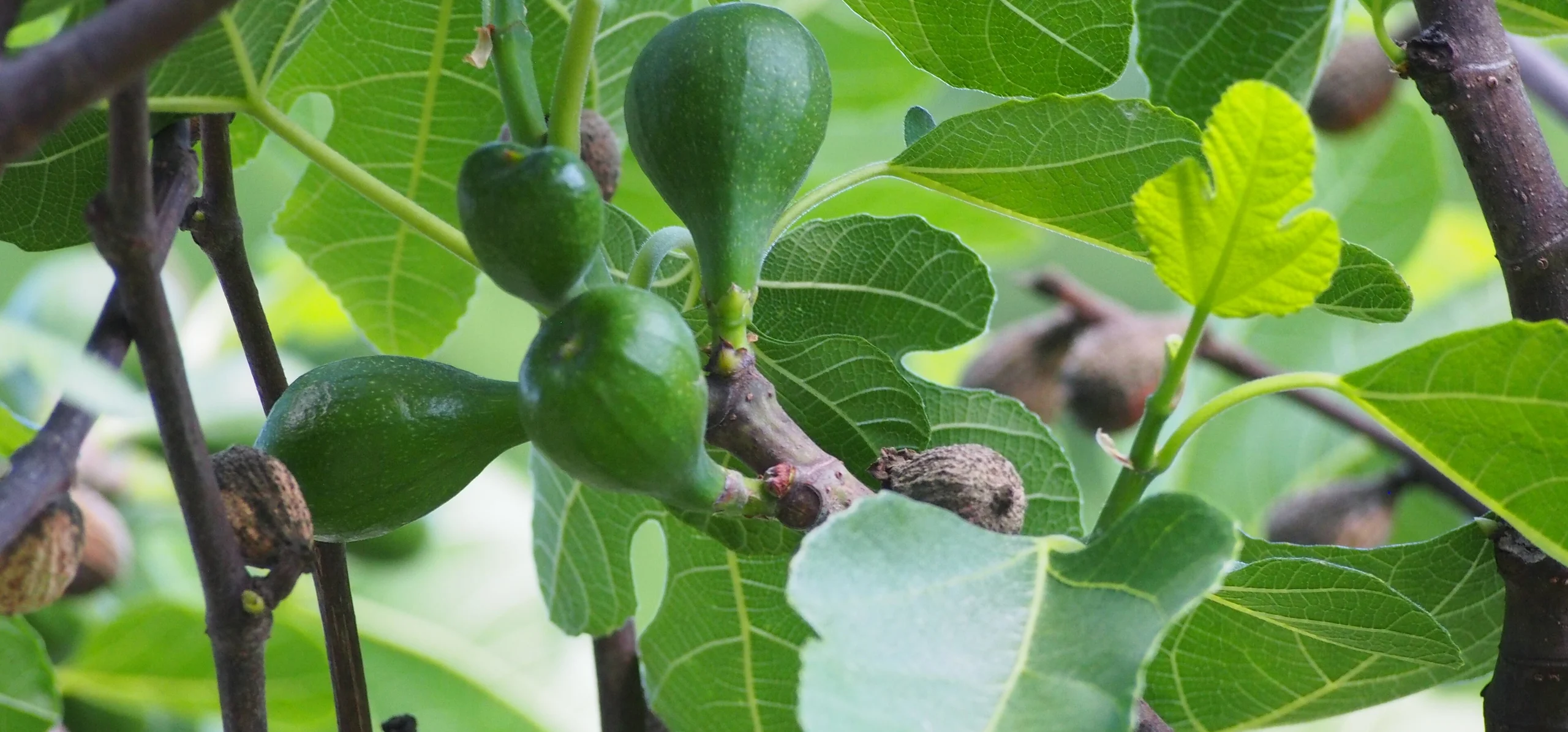
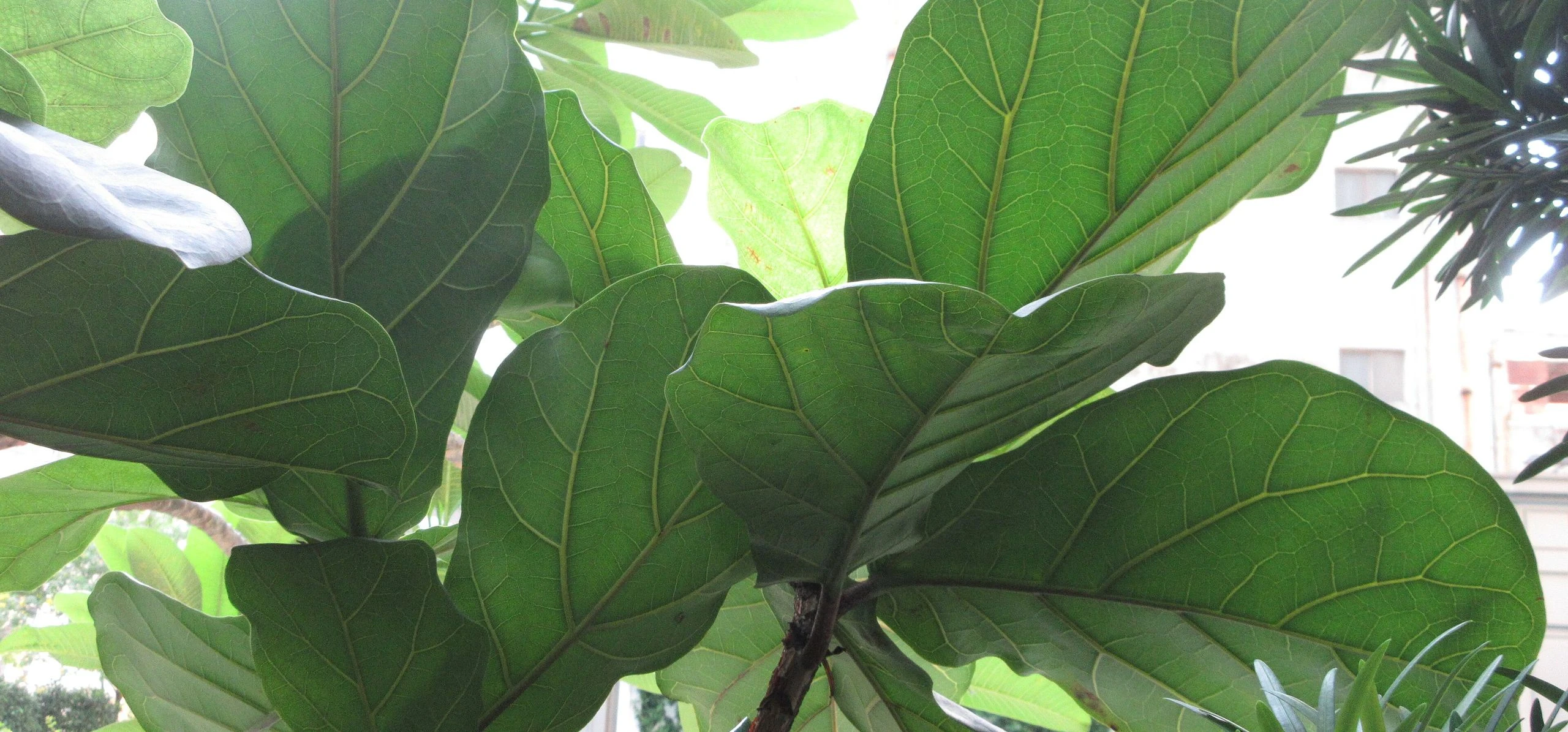
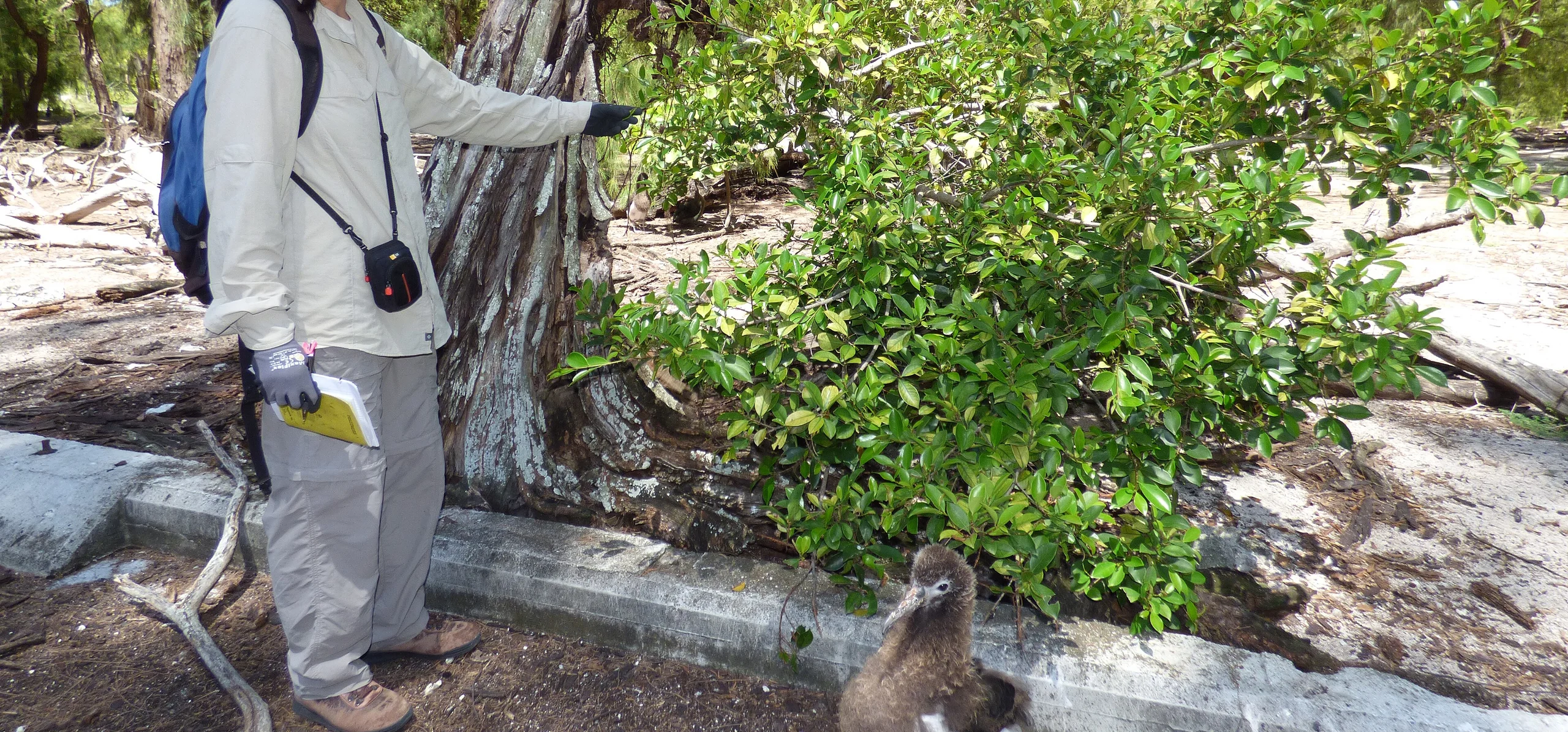
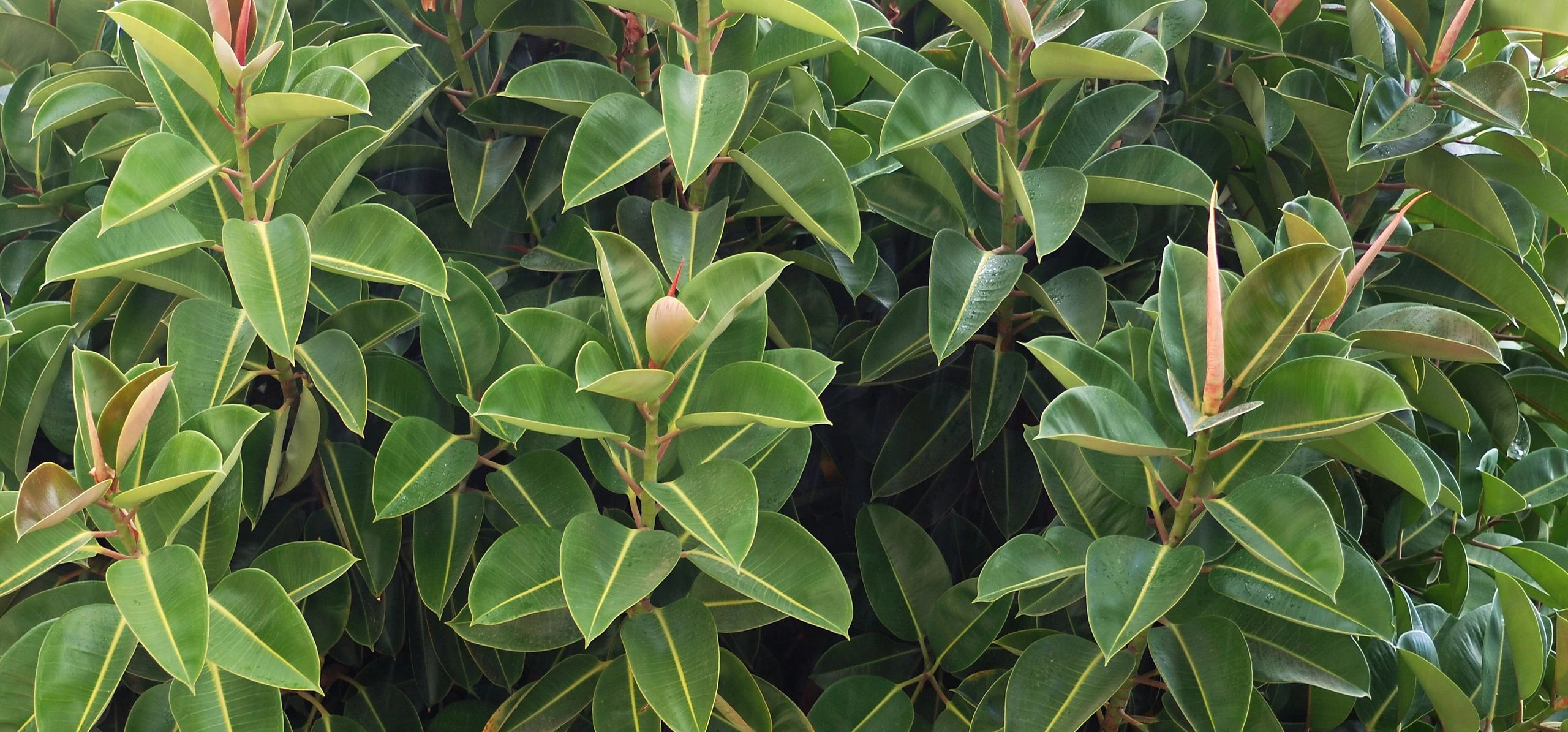
A thick-stemmed indoor tree with glossy, foot-long oval leaves and a raised, often reddish midrib is almost certainly Ficus elastica, the rubber plant. GBIF records the accepted name as Ficus elastica Roxb., in the mulberry family Moraceae alongside the fig grown for fruit and the weeping fig grown as a houseplant. POWO places its native range from Nepal across to Yunnan in China and into western Malesia, as a tree of the wet tropical biome, and NC State Extension adds that it has since naturalized well beyond that range, turning up in Florida, Cuba, western Mexico, Peru, Venezuela, Spain and India. In the wild it starts as an epiphyte high in another tree's canopy before sending down aerial roots that eventually fuse into a banyan-like trunk, according to the Missouri Botanical Garden; indoors it never gets that far, staying a single stem or a pruned, branching small tree.
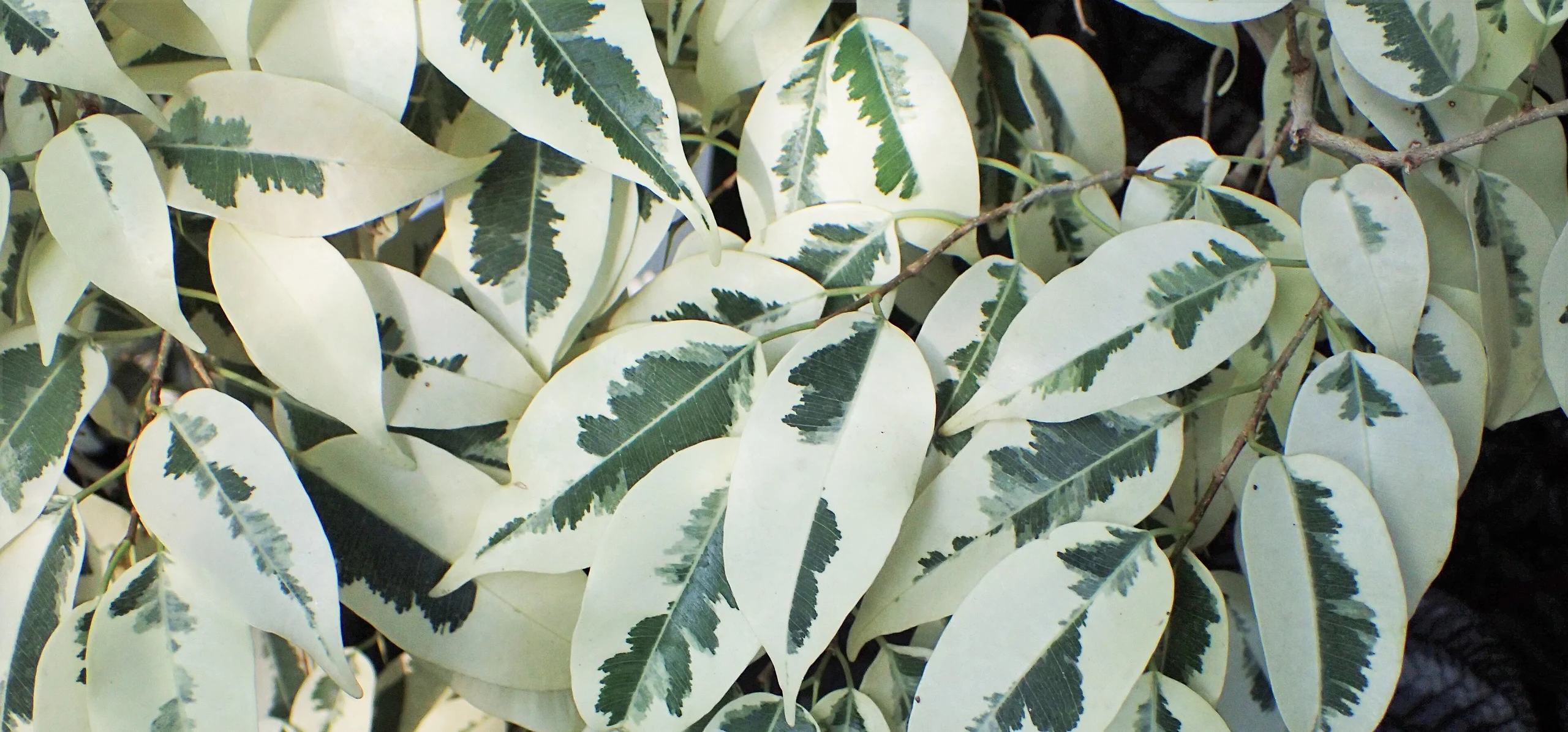
The species name elastica points to the milky white sap once tapped for rubber, a use the Missouri Botanical Garden traces to the early twentieth century, before Southeast Asian Hevea plantations took over the market. NC State Extension lists a long run of cultivars sold today, from the plain deep-green 'Robusta' to variegated forms such as 'Tineke' and 'Doescheri' and the near-black 'Burgundy', all sharing the same care needs despite their different leaf colors.
Light and Placement
NC State Extension's own guidance is partial shade to low light tolerated, with bright indirect light recommended indoors and protection from direct afternoon sun. RHS gives a similar picture for outdoor summer placement, full sun or partial shade, but is explicit that indoors the plant wants bright, filtered or indirect light rather than a spot in direct glare. A window that supplies bright light without hours of direct sun on the leaves suits most homes. Deep shade slows growth and can contribute to the lower-leaf drop covered below, while scorching midday sun tends to mark variegated cultivars like 'Tineke' or 'Doescheri' faster than it marks plain green forms, since their paler tissue carries less chlorophyll to shield it.
Watering Through the Growing Season and Dormancy
RHS recommends watering moderately while the plant is actively growing and cutting back to sparing waterings in winter, always into moist but well-drained soil rather than a permanently wet pot. NC State Extension is more specific about the seasonal switch: reduce watering altogether once the plant enters dormancy from fall to late winter, and let the soil approach dryness between waterings the rest of the year rather than watering on a fixed calendar.


Overwatering, not underwatering, is the more common failure mode. NC State Extension lists it alongside a drop in temperature and cold drafts as the three main triggers behind sudden leaf drop, so a consistently soggy pot deserves more suspicion than a plant that occasionally dries out between waterings.
Soil and Feeding
NC State Extension calls for clay, loam or sand with good drainage, tolerating acid, neutral or alkaline soil, while RHS specifies a loam-based houseplant compost as the potting equivalent. Either way, a pot with drainage holes protects the roots more than the exact mix chosen. RHS recommends a high-nitrogen feed applied monthly during the growing season, tapering off as growth slows toward dormancy. Repot in spring only once roots fill the current pot, moving up a single size with fresh mix rather than repotting on a fixed yearly schedule.
Temperature and Humidity
NC State Extension puts the minimum comfortable temperature at 55°F, about 13°C, and singles out cold drafts as a problem distinct from a generally cool room. RHS's UK hardiness rating for the species, H1B, describes a plant that can spend summer outdoors but needs a minimum of 10 to 15°C to stay undamaged the rest of the year, broadly consistent with NC State Extension's figure. NC State Extension describes the plant's preferred humidity as medium, average room humidity, well short of the high humidity a plant like Monstera deliciosa demands, so a rubber plant tolerates typical heated or air-conditioned indoor air better than many other glossy-leaved houseplants.
Pruning, Sap and Propagation
Left unpruned, a rubber plant grows for years as a single upright stem. RHS places it in pruning group 1, meaning only light, formative pruning to size or shape it, while NC State Extension notes that pruning also encourages the bushier, branching habit many growers prefer to a bare central trunk. Whenever a stem or leaf is cut, NC State Extension notes the surface drips a milky sap, the same latex the Missouri Botanical Garden says was once used to make an inferior grade of rubber. That cut-stem anatomy is also how the plant is propagated: RHS recommends semi-ripe cuttings or layering taken in spring or late summer, and NC State Extension adds root cuttings and seed to the list, though seed-grown plants stay rare since fruiting indoors is uncommon.
Pests and Common Problems
RHS lists red spider mite, thrips, mealybugs and scale as the pests to watch for under glass or indoors, and NC State Extension's own pest list overlaps closely: mealybugs, banded greenhouse thrips, Cuban laurel thrips, fern scale and spider mites. Regular inspection of the undersides of those large leaves, ideally while wiping off dust with a damp cloth, is the easiest way to catch an infestation before it spreads. On the disease side, RHS flags rubber plants as susceptible to honey fungus outdoors, a root disease with no reliable cure once established. NC State Extension's own troubleshooting traces sudden leaf drop to overwatering, a drop in temperature, or a cold draft, while lower leaves yellowing and falling on an otherwise healthy plant is normal aging rather than a symptom to treat.
Toxicity: What the ASPCA Actually Lists
Many care guides state flatly that the ASPCA lists Ficus elastica as toxic to cats and dogs, but a search of the ASPCA's own toxic and non-toxic plant database turns up no entry filed under that scientific name. The page many sites cite, titled Indian Rubber Plant on the ASPCA site, in fact lists Ficus benjamina, the weeping fig, as its scientific name, not Ficus elastica; the same mix-up runs through the ASPCA's Fig and Weeping Fig pages, which are also Ficus benjamina under a different common name. NC State Extension does flag Ficus elastica itself as a problem plant for cats, dogs and horses in its own listing, so keeping the sap and leaves away from pets and children is still the sensible default, even without a dedicated ASPCA entry for this exact species to point to.
Test your plant knowledge
Tap a card to flip it and reveal the answer.
Ficus elastica should be watered more, not less, from fall to late winter. Tap to reveal ✕ False
The ASPCA has a page listing the scientific name Ficus elastica as toxic to pets. Tap to reveal ✕ False
Overwatering, temperature drops and cold drafts are the main causes of sudden leaf drop in Ficus elastica. Tap to reveal ✓ True
Cutting a stem or leaf on Ficus elastica releases a milky white sap. Tap to reveal ✓ True
RHS classifies Ficus elastica as needing heavy, frequent pruning to stay healthy. Tap to reveal ✕ False
Sources
References consulted for this guide
- Ficus elastica Roxb., GBIF Backbone Taxonomygbif.org
- Ficus elastica Roxb. ex Hornem., Plants of the World Online (Kew)powo.science.kew.org
- Ficus elastica (rubber plant), RHSrhs.org.uk
- Ficus elastica, Missouri Botanical Garden Plant Findermissouribotanicalgarden.org
- Ficus elastica (Indian Rubber Plant, Rubber Plant), NC State Extension Gardener Plant Toolboxplants.ces.ncsu.edu
- Reference entity : Wikipédiaen.wikipedia.org