Ghost Plant
Graptopetalum paraguayense
Family · Crassulaceae
Graptopetalum paraguayense care: why the grey-pink rosette changes color, soak-and-dry watering, a gritty mix, and rooting a single fallen leaf.
Graptopetalum paraguayense
Plant profile
- WateringLittleWater every 14 days
- Light exposurePartial sun
- Hardiness zoneUSDA 9–11
Growth
- Family
- Crassulaceae
- Life cycle
- Perennial
- Growth speed
- 4/10
- Mature size
- 10–50 cm
- Spread
- 50–100 cm
- Flowering
- Small white star-shaped flowers with red flecks, early spring (NC State)
- Propagation
- Seed
- Cutting
- Division
Dormancygrowth slows in winter with much less water
Soil & climate
- Soil types
- sand or loam, well-drained, gritty cactus/succulent mix
- Drought tolerance
- Yes
Light & Placement
- Origin
- Mexico (Tamaulipas)
- Where to place it
- bright south or west facing windowsill
- full sun to partial shade, sheltered
- rockery or wall crevice
- shallow, wide pot with drainage hole
- hanging basket or wall pocket
Safety
- Toxicity
- CatsSafe
- DogsSafe
- HorsesSafe
Data fromGBIFPlants of the World Online (Kew)RHSASPCANC State Extension
Where it grows
World distribution
Ghost Plant is native to a single country: Mexico.GBIF records 165 documented identifications across 26 countries, with the largest concentrations in Spain, United States, and Mexico.
- Mexico
Yellow to orange dots: concentration of documented identifications per country. Green countries: sourced native range. Source: GBIFNative range from POWO (Kew).
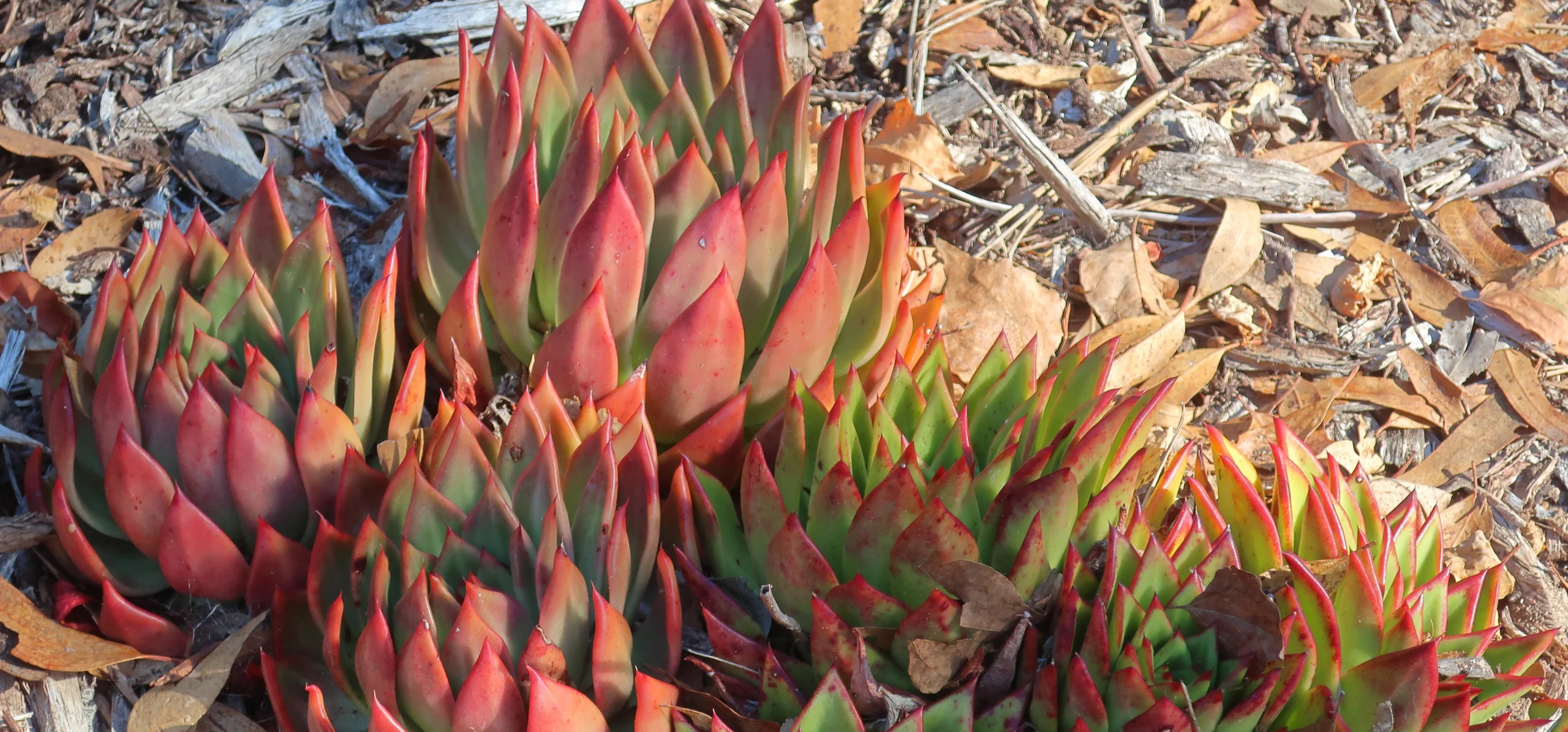
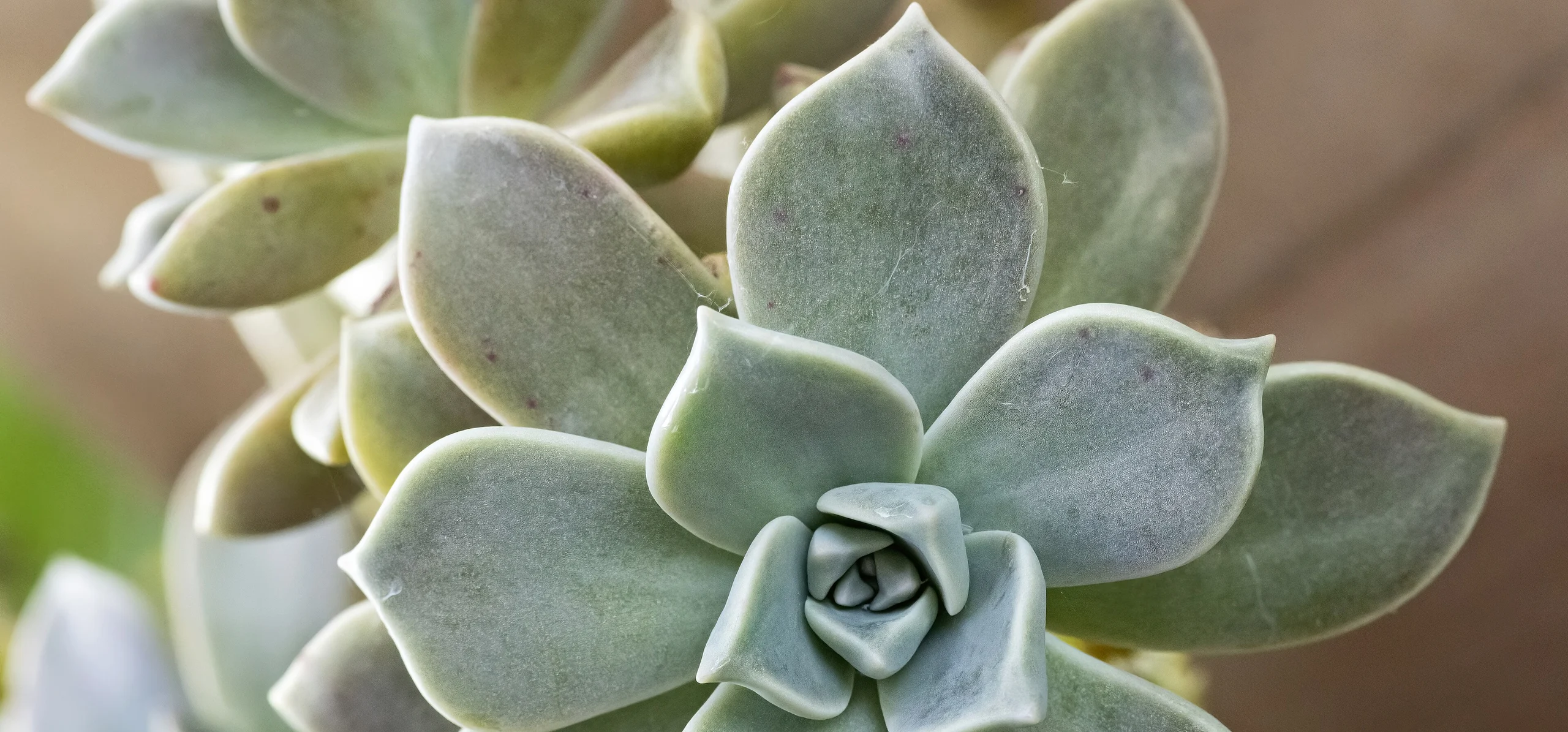
Graptopetalum paraguayense forms a loose rosette of thick, pointed leaves in a grey-blue to soft pink that shifts with the season and the amount of light it gets, the trait behind its common name Ghost Plant. It is one of the easiest succulents to keep alive and one of the easiest to propagate: almost any leaf that comes off, on purpose or by accident, roots into a new plant within a few weeks. Left alone it does not stay a tidy rosette for long; the stem lengthens and trails, which is why it is more often grown spilling over a hanging pot than kept upright in a small container. The care itself is undemanding, gritty soil, infrequent deep watering, strong light, but a couple of details, its actual Mexican origin and its brittle flower stalk, trip people up.
A name that has nothing to do with Paraguay
The species epithet paraguayense suggests South America, but neither Kew's Plants of the World Online nor GBIF places this plant anywhere near Paraguay. POWO's accepted native range for Graptopetalum paraguayense is Mexico, specifically the state of Tamaulipas on the Gulf coast, where it grows wedged into rock crevices and stone walls rather than open ground. The genus Graptopetalum is a small, mostly Mexican group of rosette succulents closely related to Echeveria and Sedum, and older nursery tags still sometimes repeat the Paraguay error the name implies. If a label calls it a South American plant, that is the epithet talking, not the actual distribution.
Why the rosette turns grey, pink, and violet
The RHS describes the foliage as pointed, grey-green leaves "often tinged with pink", and in practice the exact shade shifts through the year. New leaves emerge pale green and take on their characteristic ghost-grey coat, a fine waxy bloom on the leaf surface, as they mature and harden off in bright light; that same bloom is what gives the leaves their soft, matte, almost powdery look and the plant its name. Cooler nights and stronger sun push the colour further toward pink, lavender, or violet at the leaf tips and edges, while a plant kept warm and shaded through winter tends to fade back to plain grey-green. Wiping or rubbing a leaf removes this bloom permanently on that leaf, leaving a shinier green patch that never regains its powder, so the plant is best handled by the stem rather than the foliage.
Light and placement, indoors and out
The RHS rates Graptopetalum paraguayense for full sun with a sheltered aspect, and NC State Extension lists it as tolerant of both full sun and partial shade outdoors in warm climates. Indoors, a south or west facing windowsill with several hours of direct sun keeps the rosette compact and colourful; moved to a dim corner, the stem stretches between leaves and the colour fades toward plain green. Outdoors it is often grown in a rockery, a raised bed, or trailing from a wall crevice, conditions close to the rocky Tamaulipas habitat POWO records for the species. Give it some relief from the most intense midday sun in hot climates, since leaves that have softened over a cloudy stretch can scorch if moved into full glare too quickly.


Soak-and-dry watering
Water thoroughly until it drains from the bottom of the pot, then leave the mix to dry out completely before watering again, checking with a finger pushed an inch into the soil rather than watering to a fixed calendar. NC State Extension notes the species tolerates occasionally dry, well-drained conditions, and like most rosette succulents it stores water in its thick leaves, so a rosette that has pulled its lower leaves in tight is thirsty, while one with soft, translucent, or yellowing leaves at the base has usually been watered too often. Cut watering back hard through the cooler, dormant months, since cold, wet soil kills the roots and crown, not cold air on its own. Water at the soil line where possible; standing water collecting in the crown of a trailing rosette can mark or rot the newest growth.
Soil and potting: a gritty mix in a shallow pot
RHS growing notes call for loam or sand based compost that is well-drained, and NC State Extension lists sand and shallow rocky soil among the types this species tolerates best, with good drainage to occasionally dry conditions preferred over anything that stays damp. In practice this means a bagged cactus and succulent mix, or a standard potting mix cut roughly half and half with coarse sand, pumice, or perlite, so water moves through quickly instead of pooling around the roots. Choose a shallow, wide pot with a real drainage hole over a tall one, since the trailing stems spread outward rather than the roots reaching deep, and terracotta lets excess moisture evaporate faster than glazed ceramic or plastic.
Trailing stems for hanging pots and walls
Left unpruned, the stem lengthens, leans, then trails, reaching an ultimate spread of roughly 0.5 to 1 metre against a much lower height of 0.1 to 0.5 metre, according to RHS growing data, so the plant suits a hanging basket, a raised shelf, or a wall pocket where the rosettes can cascade downward. Older, leggy stems can simply be cut back; the cut end calluses over within a few days and can be replanted at the correct depth to start a fuller, bushier plant, while the leafless stub left behind usually pushes new side rosettes once it is back in good light. This trailing habit, rather than a tidy upright rosette, is the natural growth form of the species and not a sign that anything has gone wrong.
The fragile summer bloom, and propagating from a single leaf
Mature rosettes send up a thin, wiry flowering stem carrying small star-shaped flowers, in clusters that NC State Extension describes as white with red flecks, appearing in early spring. The stem and its buds are far more brittle than the leaves and snap easily if bumped, so it is worth leaving the plant undisturbed while it is in bud rather than moving the pot around. Propagation, by contrast, could not be easier: a leaf that snaps off cleanly, whether pulled deliberately or dropped by accident, calluses over in a couple of days and then roots into a tiny new rosette wherever it lands on gritty soil, which is why one plant left on a shelf for a season often seeds a small colony of offsets underneath it. NC State Extension and the RHS both list leaf cuttings, stem cuttings, and division among the propagation methods for this species; seed also works but is far slower.
Cold hardiness, mealybugs, and the ASPCA check
Grown outdoors in warm, dry climates, NC State Extension lists Graptopetalum paraguayense as hardy through USDA zones 9a to 11b, and notes it tolerates temperatures down to about 15°F (roughly -9°C) given some overhead protection; zone 9a's own average winter low sits close to -6°C. The RHS, growing it in the cooler, wetter UK climate, rates it H2, tolerant only to 1-5°C and best kept under glass over winter there. The gap comes down to moisture more than temperature: a plant that goes into a cold snap with dry soil shrugs off cold that would rot the same plant if the mix were wet, so withholding water before an unexpected frost matters as much as the thermometer reading. NC State Extension names aphids, mealybugs, and vine weevil as the pests to watch for, mealybugs being the most persistent as they tuck into the tight leaf axils near the crown; a cotton swab dipped in isopropyl alcohol wiped directly onto the white, waxy clusters kills them on contact. On the safety side, the ASPCA lists this species, under its synonym Sedum weinbergii, as non-toxic to cats, dogs, and horses.
Test your plant knowledge
Tap a card to flip it and reveal the answer.
Graptopetalum paraguayense is native to Paraguay, as its species name suggests. Tap to reveal ✕ False
The grey to pink color of the leaves comes from a fine waxy bloom that intensifies in strong light. Tap to reveal ✓ True
Graptopetalum paraguayense should be watered on a fixed weekly schedule to keep the soil evenly moist. Tap to reveal ✕ False
A single leaf that falls off can root and grow into a brand new plant. Tap to reveal ✓ True
The ASPCA lists this plant, under an older name, as non-toxic to cats, dogs, and horses. Tap to reveal ✓ True
Sources
References consulted for this guide
- GBIF - Graptopetalum paraguayensegbif.org
- Plants of the World Online (Kew) - Graptopetalum paraguayensepowo.science.kew.org
- RHS - Graptopetalum paraguayenserhs.org.uk
- ASPCA - Ghost Plant (Sedum weinbergii)aspca.org
- NC State Extension - Graptopetalum paraguayenseplants.ces.ncsu.edu
- Reference entity : Wikipédiaen.wikipedia.org