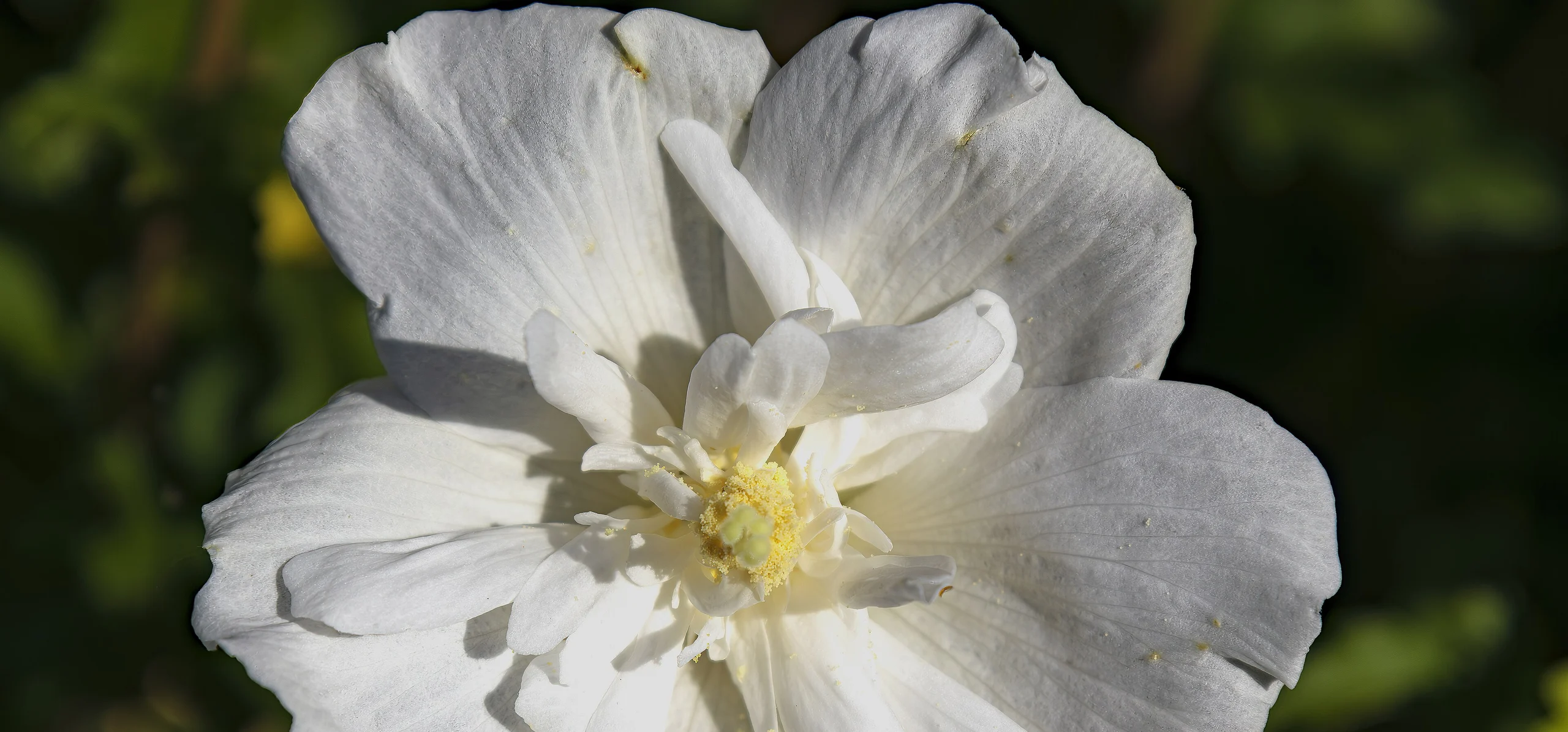
Rose of Sharon
Hibiscus syriacus
Family · Malvaceae
Rose of Sharon flowers on new wood and leafs out weeks after other shrubs, so a bare stem in May is not a dead plant. Pruning, cultivars and pest notes.
Hibiscus syriacus
Plant profile
- WateringModerateWater every 10 days
- Light exposurePartial sun
- Hardiness zoneUSDA 5–9
Growth
- Family
- Malvaceae
- Life cycle
- Perennial
- Growth speed
- 5/10
- Mature size
- 240–370 cm
- Spread
- 180–300 cm
- Flowering
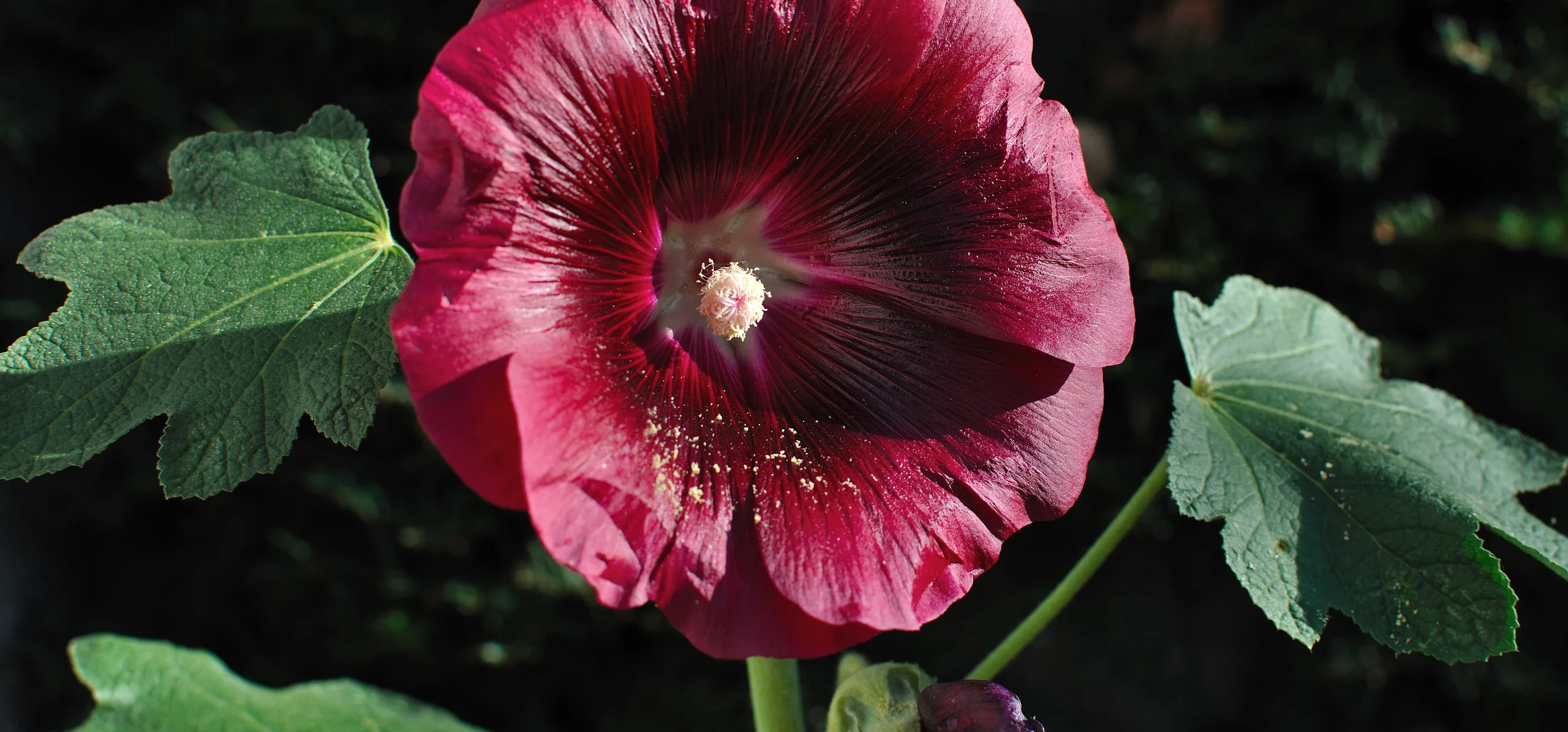
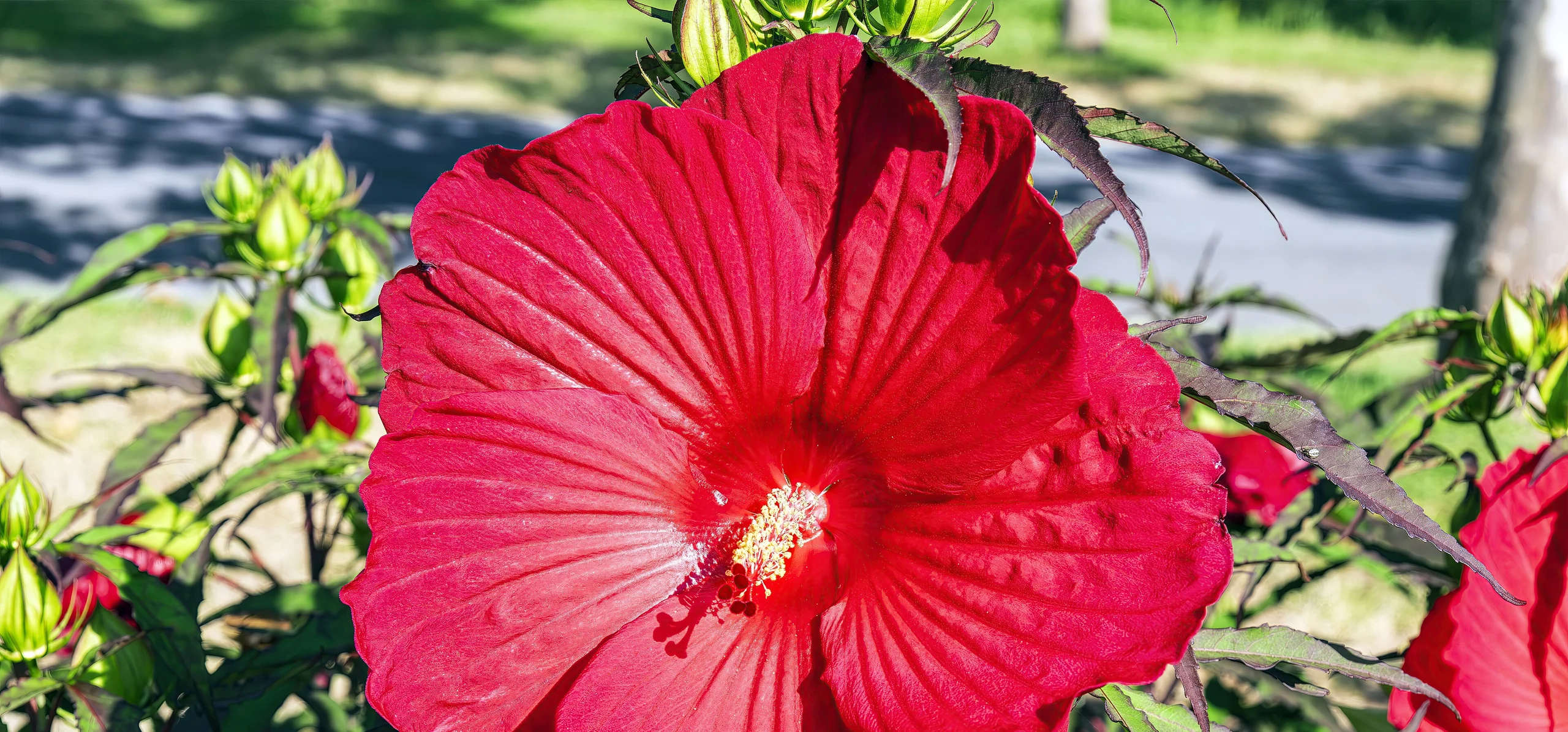
- Trumpet-shaped flowers from midsummer to early autumn, on current-season wood
- Propagation
- Cutting
- Seed
Dormancydeciduous; breaks dormancy later than most woody shrubs, often not leafing out until mid to late spring
Time to maturityflowers within 2-3 years from a young plant; reaches full size in about 5 years
Soil & climate
- Soil pH
- pH 5–8
- Soil types
- clay, loam, sand, well-drained garden soil
- Saline soil
- Partially tolerated
- Drought tolerance
- Yes
Light & Placement
- Origin
- Southern China and Taiwan
- Where to place it
- sunny mixed border
- informal hedge or screen
- specimen shrub
- pollinator border
- large container for the first few years before planting out
Safety
- Toxicity
- CatsSafe
- DogsSafe
- HorsesSafe
Invasive speciesFlagged as an invasive concern in parts of the eastern United States, including Virginia, Kentucky and Maryland; choose a sterile cultivar such as 'Diana' or the Chiffon series where self-seeding is a problem.
Data fromGBIF Backbone Taxonomy: Hibiscus syriacuPlants of the World Online (Kew): HibiscASPCA: Toxic and Non-toxic Plants, Rose Missouri Botanical Garden Plant Finder: NC State Extension Gardener Plant Toolbo
Where it grows
World distribution
Rose of Sharon is native to 2 countries: China and Taiwan.GBIF records 88,463 documented identifications across 112 countries, with the largest concentrations in France, United States, and Italy.
- China
- Taiwan
Yellow to orange dots: concentration of documented identifications per country. Green countries: sourced native range. Source: GBIFNative range from POWO (Kew).
Hibiscus syriacus is a hardy, deciduous shrub covered in trumpet-shaped flowers from midsummer into early autumn, long after most spring-flowering shrubs have finished. It blooms on wood produced the same year, so the annual hard cut you give it in late winter or early spring is what sets up the display rather than something that costs you flowers. The other trait that catches new owners off guard is how late it wakes up: while roses and viburnums are already leafing out, a healthy rose of sharon can sit as a bundle of bare gray stems well into May. Full sun, a spot with room for a plant that reaches 2.4 to 3.7 m tall, and patience with its slow spring start are the three things to get right before anything else.
Native Range and the Syria Misnomer
Despite the common name and the species epithet syriacus, this hibiscus is not native to Syria. Plants of the World Online (Kew) lists its native range as southern China and Taiwan; the Linnaeus-era name comes from specimens he examined in European gardens that had been grown from stock associated with the eastern Mediterranean trade routes, not from wild populations there. It has been cultivated across East Asia and the Middle East for centuries and is South Korea's national flower, known there as mugunghwa, which is part of why the folk name persists even though the botany points further east.
Why It Looks Dead Until Late Spring
Rose of sharon is one of the last woody plants in the garden to break dormancy: buds typically stay tight until night temperatures settle well above freezing, which in much of its hardiness range means mid to late May, sometimes into early June. A plant that still shows nothing but bare, slightly wrinkled gray stems when everything else nearby is in full leaf is behaving normally, not dying. Scratch a stem with a fingernail; green tissue just under the bark means the plant is fine and simply slow. Pruning or digging up a shrub in April because it looks lifeless is one of the most common and most avoidable mistakes owners make with this species.
Light, Soil and Planting
Give it full sun for the heaviest bloom; it tolerates part shade but flowers noticeably less there. It is genuinely adaptable on soil, growing in clay, loam or sandy ground across a wide pH range from strongly acid to mildly alkaline, and it is more tolerant of heat, drought and average soil fertility once established than most flowering shrubs of comparable size. The one thing it does not want is permanently soggy ground; plant it where water drains away within a few hours of a heavy rain, and skip heavy feeding, since lush, soft growth from over-fertilizing is more prone to winter dieback at the cold end of its range.


The Hard Prune That Builds Next Year's Flowers
Because flowers form only on the current season's growth, the shrub takes a harder annual cut in late winter or very early spring, before the late leaf-out described above, than most gardeners expect from a flowering shrub. Cut last year's stems back to two or three buds from the permanent framework, and remove any crossing, weak or frost-damaged wood at the same time. Skipped for a year or two, the plant does not suffer, it simply produces more, smaller flowers on a taller, twiggier frame; the hard annual cut is what keeps the flowers large and the shrub a manageable size rather than the 3.7 m the species reaches left alone.
Sterile Cultivars Instead of the Self-Seeding Species
The straight species sets seed prolifically in favorable conditions, and volunteer seedlings turning up in beds, gravel and lawn edges the following spring are the direct result. Breeders addressed this decades ago with triploid cultivars bred to be functionally sterile while keeping full-size flowers: 'Diana' (white), 'Minerva' (lavender-pink with a red eye) and the Chiffon series ('Blue Chiffon', 'White Chiffon', 'Lavender Chiffon') are the names to look for on a plant tag if self-seeding is a concern. These also tend to hold their flowers open longer through the day than older seed-grown selections, since flower closure and seed set are linked traits the same breeding programs selected against.
Watering and Bud Drop
An established rose of sharon needs supplemental water only in extended dry spells, but the plant is notably sensitive to drought stress specifically while it is carrying flower buds: buds that have already formed will yellow and drop before opening if the soil dries out hard during a hot stretch, even though the shrub itself survives the same drought without visible damage elsewhere. A deep soak during a dry August does more for the flower count than any amount of fertilizer. New transplants need consistent moisture through their first full growing season while roots establish.
Aphids and Japanese Beetles
Aphids cluster on soft new shoot tips and flower buds, distorting new growth and coating leaves in sticky honeydew; a hard spray of water weekly, or insecticidal soap for a heavier infestation, controls most outbreaks without resorting to a systemic. Japanese beetles are the more visible problem where they occur, skeletonizing leaves down to the veins over a few weeks in midsummer and sometimes chewing into open flowers; hand-picking beetles into soapy water in the cool of early morning, when they are sluggish, is the least disruptive control for a shrub that pollinators also visit.
Where It Naturalizes Outside the Garden
The same vigor and seed output that makes the species self-seed in a border lets it escape into disturbed ground, and rose of sharon is flagged as an invasive concern in parts of the eastern United States, including Virginia, Kentucky and Maryland, where it can crowd out native shrubs along field edges and woodland margins. It is not under a federal or nationwide sale restriction, but where local guidance discourages the straight species, a sterile cultivar delivers the same flowers without the same spread risk. Deadheading spent flowers before they set seed reduces the problem either way.
Common Mistakes
Pruning or replacing a shrub in April because it still looks bare is the single most common error; give it until late May before assuming a stem is dead. The second is skipping the annual hard prune and being disappointed by smaller flowers on an increasingly leggy plant. The third is letting a self-seeding species cultivar go unchecked near a lawn edge or wild area, then fighting volunteer seedlings for years afterward, a headache a sterile cultivar avoids from the start. Rose of sharon is not toxic to cats, dogs or horses according to the ASPCA, which makes it a reasonable choice for a border near pets, but it is still worth keeping the fallen flowers raked up since large amounts of any plant matter can cause mild stomach upset if eaten in quantity.
Test your plant knowledge
Tap a card to flip it and reveal the answer.
Hibiscus syriacus flowers on wood grown the same year, so the hard late-winter prune does not sacrifice that season's blooms. Tap to reveal ✓ True
A rose of sharon that is still bare in early May, while nearby shrubs are already in full leaf, is almost certainly dead. Tap to reveal ✕ False
All Hibiscus syriacus cultivars, including 'Diana' and the Chiffon series, self-seed as heavily as the wild species. Tap to reveal ✕ False
Established rose of sharon can drop its flower buds before they open if the soil dries out hard during a hot spell. Tap to reveal ✓ True
The ASPCA lists Hibiscus syriacus as toxic to cats, dogs and horses. Tap to reveal ✕ False
Sources
References consulted for this guide
- GBIF Backbone Taxonomy: Hibiscus syriacus L.gbif.org
- Plants of the World Online (Kew): Hibiscus syriacus L.powo.science.kew.org
- ASPCA: Toxic and Non-toxic Plants, Rose of Sharonaspca.org
- Missouri Botanical Garden Plant Finder: Hibiscus syriacusmissouribotanicalgarden.org
- NC State Extension Gardener Plant Toolbox: Hibiscus syriacusplants.ces.ncsu.edu
- Reference entity : Wikipédiaen.wikipedia.org