Crape Myrtle
Lagerstroemia indica
Family · Lythraceae
Crape myrtle flowers on new wood and needs real summer heat to bloom well; pruning timing, mildew-resistant hybrids and bark scale explained here.
Lagerstroemia indica
Plant profile
- WateringModerateWater every 10 days
- Light exposureFull sun
- Hardiness zoneUSDA 7–9
Growth
- Family
- Lythraceae
- Life cycle
- Perennial
- Growth speed
- 6/10
- Mature size
- 450–760 cm
- Flowering
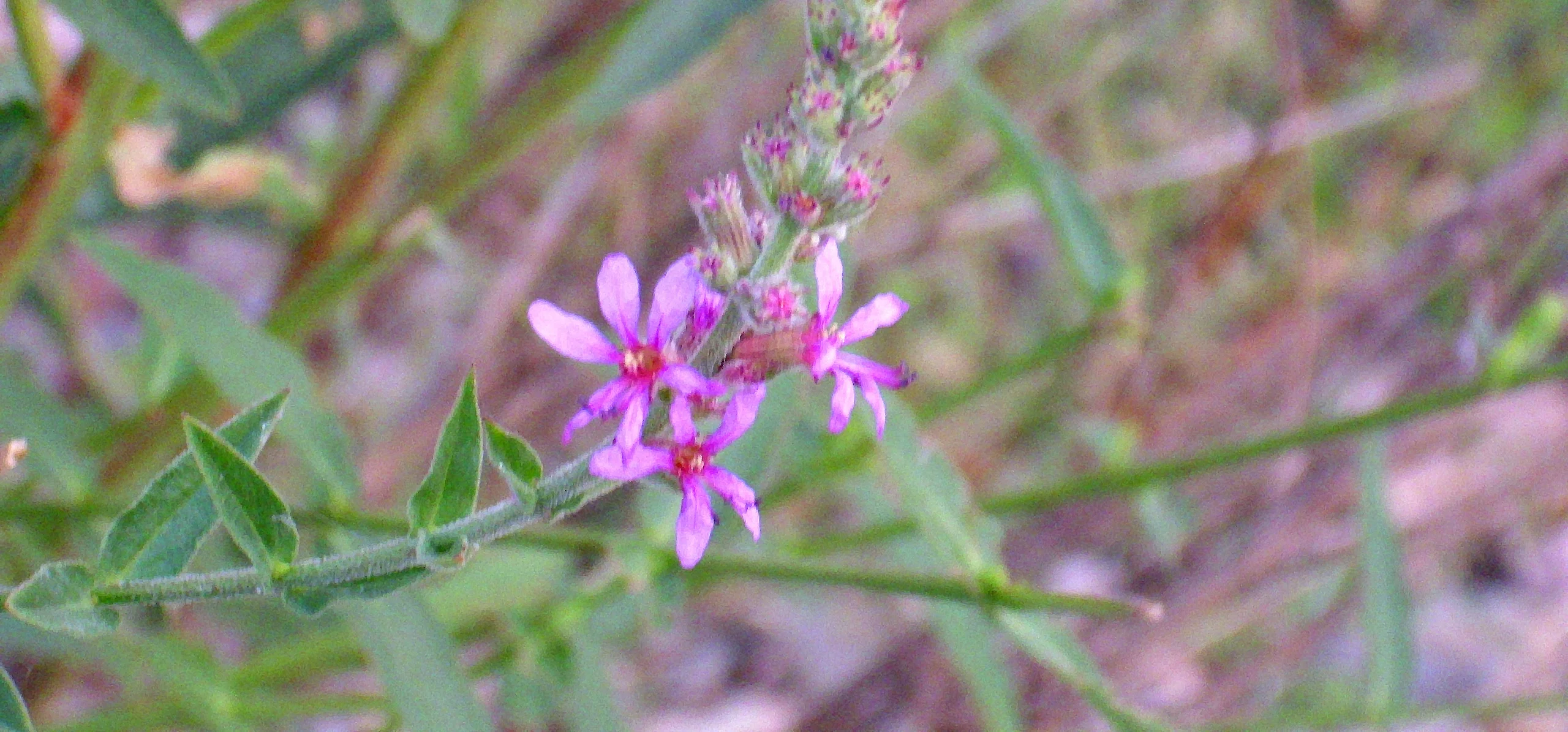
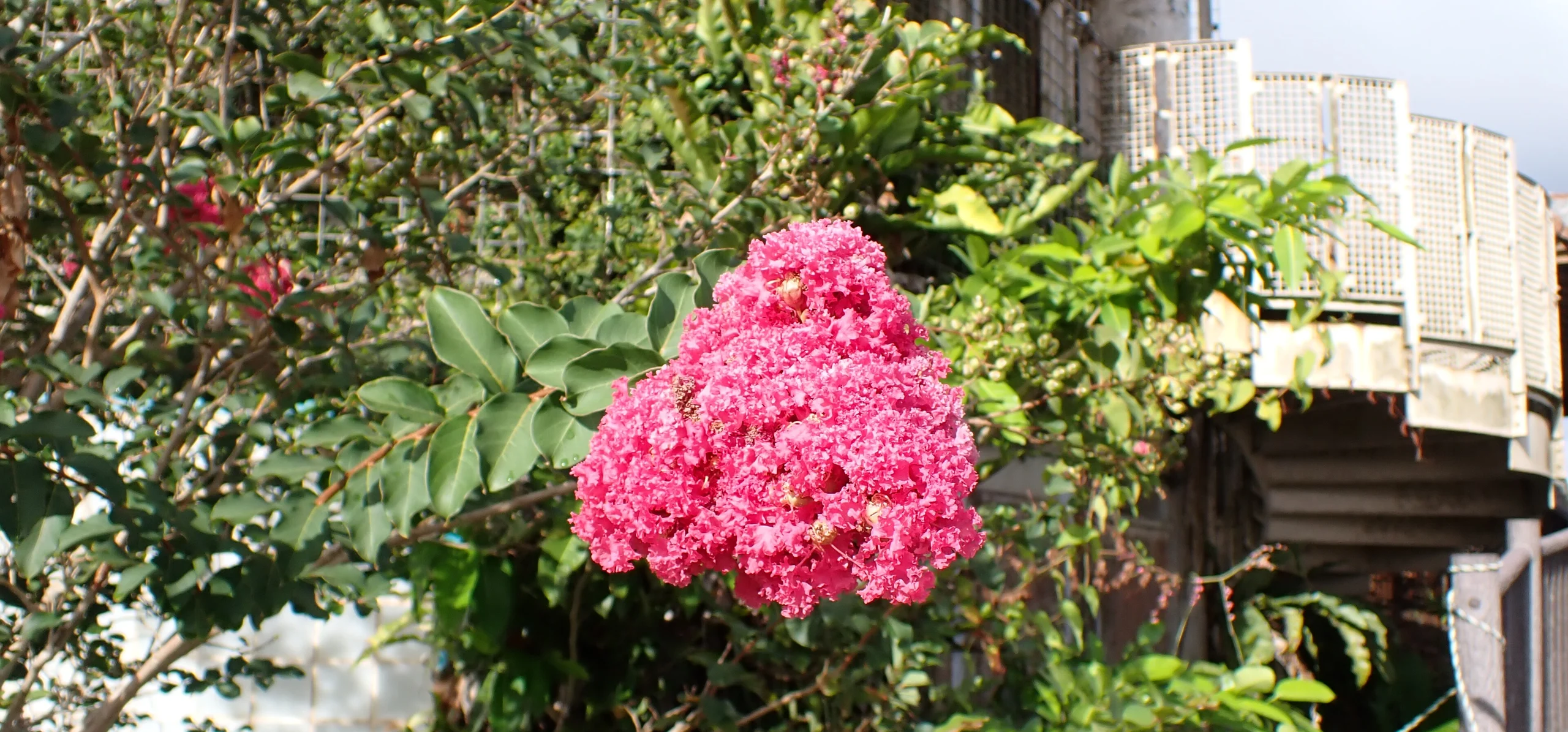
- Crinkled flower clusters from midsummer to early autumn, on current-season wood
- Propagation
- Cutting
- Seed
Dormancydeciduous; loses leaves in autumn after they colour, breaks dormancy again in mid to late spring
Time to maturityflowers within a year or two of planting; bark and shape mature over roughly a decade
Soil & climate
- Soil pH
- pH 5–6.5
- Soil types
- clay, loam, well-drained garden soil
- Drought tolerance
- Yes
Light & Placement
- Origin
- Himalaya through southern China and Indo-China
- Where to place it
- sunny specimen tree
- street tree
- mixed border back layer
- large patio container while young
- large container for young plants or dwarf cultivars before planting out
Safety
- Toxicity
- CatsSafe
- DogsSafe
- HorsesSafe
Data fromGBIF Backbone Taxonomy: Lagerstroemia inPlants of the World Online (Kew): LagersASPCA: Toxic and Non-toxic Plants, CrepeMissouri Botanical Garden Plant Finder: Clemson HGIC: Crape Myrtle
Where it grows
World distribution
Crape Myrtle is native to 9 countries: Bangladesh, Bhutan, Cambodia, China, India, Myanmar (Burma), Nepal, and Taiwan….GBIF records 8,173 documented identifications across 136 countries, with the largest concentrations in United States, China, and Brazil.
- Bangladesh
- Bhutan
- Cambodia
- China
- India
- Myanmar (Burma)
- Nepal
- Taiwan
- Vietnam
Yellow to orange dots: concentration of documented identifications per country. Green countries: sourced native range. Source: GBIFNative range from POWO (Kew).
Lagerstroemia indica is the crape myrtle grown by the mile across the American South and increasingly through southern France, valued for a long run of crinkled, papery flowers that open only once the air is genuinely hot. Its native range runs from the Himalaya through southern China and Indo-China, a summer-monsoon climate that explains almost everything about how it behaves in a garden: thin bloom in a cool, cloudy summer, a heavy display once nights stay warm, from midsummer into early autumn where the heat holds. It flowers on wood grown the same year, so the hard cut most owners give it in late winter is what sets up that display rather than something that costs it flowers. Full sun, a summer that actually gets hot, and restraint with the pruning saw are the three things to get right first.
Native Range and Why It Thrives in the Deep South
Plants of the World Online lists the native range of Lagerstroemia indica as the Himalaya through southern China and Indo-China, a region of hot, humid summers and a distinct dry season. That climate match is why the species took so readily to the Gulf Coast states after its introduction to the United States in the late 18th century, and why it is just as common along the Mediterranean coast of southern France, where summer heat is reliable even though winters run colder than its native range. Gardeners further north, or in maritime climates with cool, overcast summers, often find the plant survives fine but flowers thinly, since the buds need sustained heat to form, not just long daylight.
Full Sun and Heat: The Two Conditions That Decide the Flower Count
Crape myrtle needs full sun and good air circulation to flower well; even light afternoon shade measurably reduces bloom and raises disease pressure on the foliage. The more decisive factor, though, is heat: flower buds form in response to warm night temperatures, so a plant grown correctly in full sun can still bloom sparsely through a cool, wet summer and then flower heavily the following year once a proper heat wave arrives. This is the single most common disappointment reported by owners in borderline climates, and no amount of fertilizer or watering substitutes for the heat the species actually needs to set buds.


Pruning on New Wood, and Why "Crape Murder" Is a Mistake
Because flowers form only on the current season's growth, crape myrtle is pruned in late winter, while it is still dormant and before new growth starts, cutting out crossing and inward-growing branches and shaping the framework. What it does not need is the practice nurseries and extension offices call "crape murder": topping every trunk back to the same blunt height each year. That habit produces a cluster of weak, whip-thin shoots at the cut, weighs the branch tips down with oversized flower trusses, and permanently disfigures the vase shape and mottled trunk that make a mature specimen worth growing in the first place. Where a smaller plant is the actual goal, choosing a dwarf or semi-dwarf cultivar bred for that size removes any reason to top a full-size tree at all.
Mottled Bark and Autumn Colour
Older crape myrtle bark exfoliates in thin sheets through summer, revealing smooth new bark underneath in shades of brown, gray or cinnamon, a feature that becomes the plant's main ornamental interest once the leaves drop and stays visible all winter. Foliage turns yellow, orange or red in autumn before falling, with the strongest colour generally showing on cultivars with the deepest flower colour. Together, the winter bark and the autumn foliage are why crape myrtle is planted as a specimen or street tree rather than only for its summer flowers.
Powdery Mildew and the Fauriei Hybrids
The straight species is notably prone to powdery mildew, a grey-white fungal coating on leaves and buds that distorts new growth and can suppress flowering in humid climates. Breeders addressed this by crossing Lagerstroemia indica with the mildew-resistant Lagerstroemia fauriei, native to Japan, producing a line of hybrids identified by Native American place names. These crosses also inherited improved cold tolerance and heavier bark exfoliation from L. fauriei, which is why most large modern plantings use one of these hybrid names rather than the unimproved species.
- Natchez: white flowers, outstanding cinnamon-brown exfoliating bark, strong mildew resistance
- Tuscarora: coral-pink flowers, very good mildew resistance, introduced in 1981
- Muskogee: lavender-pink flowers, good mildew resistance, more prone to aphids than the others
Crape Myrtle Bark Scale, Aphids and Sooty Mould
Crape myrtle bark scale is an introduced pest first detected in the United States in Texas in 2004 and since spread through much of the South; it appears as white or gray waxy crusts encrusting stems, twigs and trunks, and heavy infestations reduce vigor and flowering while coating bark and leaves below in black sooty mould fed by the scale's honeydew. Aphids cause the same sooty-mould symptom on a smaller scale, clustering on soft new shoots and flower buds and excreting honeydew that the fungus then colonises; 'Muskogee' is noted as particularly susceptible to aphids among the common hybrids. Neither pest is usually fatal on its own, but a trunk visibly whitened with scale crust is a sign to treat rather than ignore, since heavy, repeated infestations do measurably weaken flowering over successive seasons.
Hardiness, Drought Tolerance and Common Mistakes
Crape myrtle's top growth is reliably winter hardy to roughly USDA zone 7, around -15C, with named hybrids such as 'Natchez' rated hardy into zone 6a. In colder pockets within that range the above-ground stems can die back to the roots in a hard winter and simply regrow from the base the following spring, which looks alarming but is not fatal to an established plant. It tolerates dry soil well once established, generally after about two years of consistent watering following planting, but confined planting sites and young transplants still need regular water through their first two summers. The ASPCA lists Lagerstroemia indica as non-toxic to cats, dogs and horses, so fallen flowers and leaf litter under the tree are not a hazard for pets that graze on them.
Common Mistakes
- Topping mature trunks into stubs instead of thinning selectively, which ruins the natural vase shape for years.
- Planting in a partly shaded spot and then blaming the cultivar for weak flowering, when the shade is the real cause.
- Skipping the first two years of establishment watering that a young tree needs before it earns its drought-tolerant reputation.
- Choosing a full-size cultivar for a tight space and then fighting its mature height with hard annual cuts instead of picking a dwarf form.
Test your plant knowledge
Tap a card to flip it and reveal the answer.
Lagerstroemia indica flowers on wood produced the same year, so pruning it in late winter does not sacrifice that season's blooms. Tap to reveal ✓ True
Topping every trunk back to the same height each year, sometimes called 'crape murder', is the recommended way to keep a crape myrtle small. Tap to reveal ✕ False
'Natchez' and 'Tuscarora' are Lagerstroemia indica x fauriei hybrids bred mainly for resistance to powdery mildew. Tap to reveal ✓ True
A crape myrtle in full sun flowers just as heavily in a cool, cloudy summer as it does in a hot one. Tap to reveal ✕ False
The ASPCA lists Lagerstroemia indica as toxic to cats and dogs. Tap to reveal ✕ False
Sources
References consulted for this guide
- GBIF Backbone Taxonomy: Lagerstroemia indica L.gbif.org
- Plants of the World Online (Kew): Lagerstroemia indica L.powo.science.kew.org
- ASPCA: Toxic and Non-toxic Plants, Crepe Myrtleaspca.org
- Missouri Botanical Garden Plant Finder: Lagerstroemia indicamissouribotanicalgarden.org
- Clemson HGIC: Crape Myrtlehgic.clemson.edu
- Reference entity : Wikipédiaen.wikipedia.org