Lantana
Lantana camara
Family · Verbenaceae
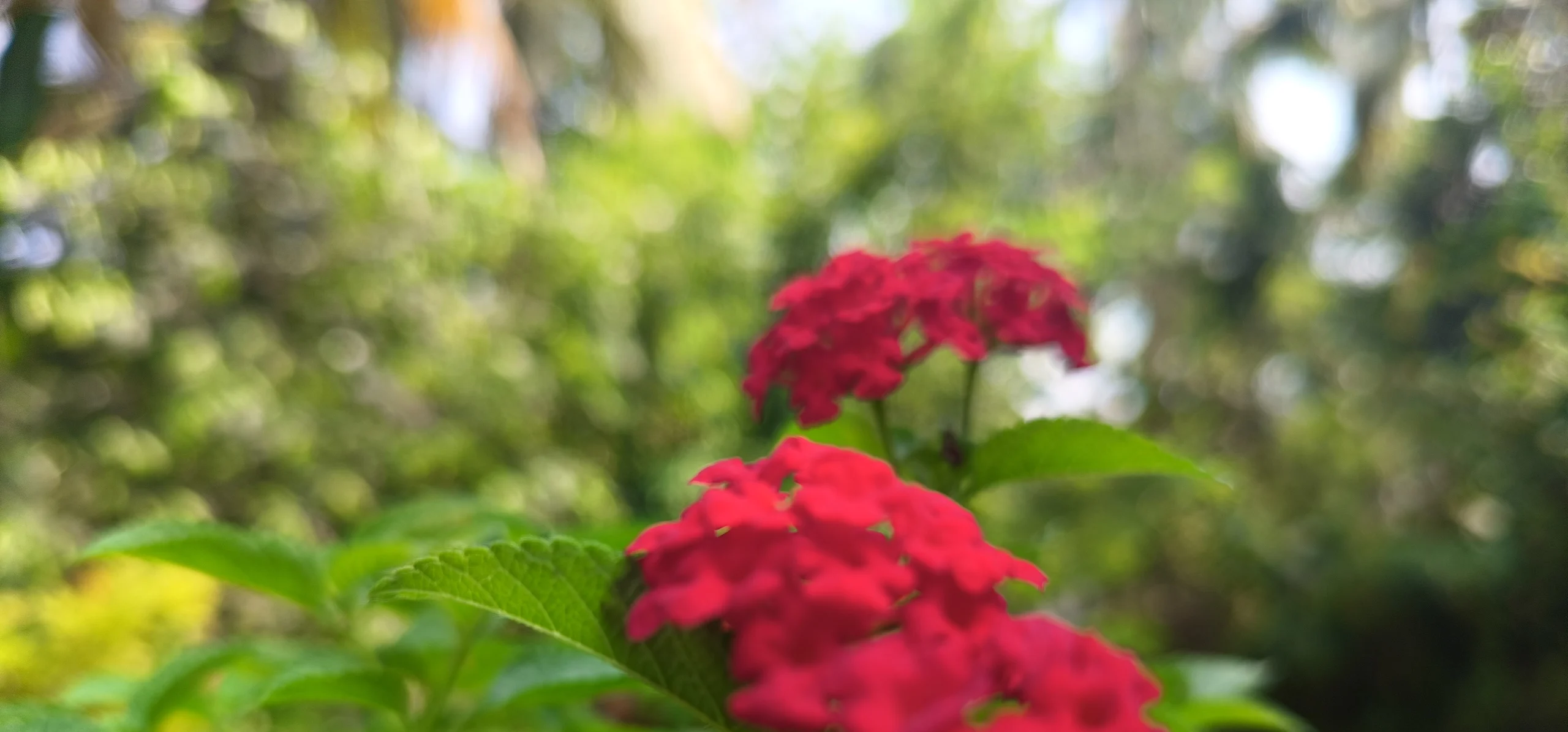
Lantana camara thrives in full sun and poor soil, flower clusters shifting from yellow to red as they age; toxic to pets, one of the worst invasive weeds.
Lantana camara
Plant profile
- WateringLittleWater every 7 days
- Light exposureFull sun
- Ideal temperature5–38 °C
- Hardiness zoneUSDA 9–11
Growth
- Family
- Verbenaceae
- Life cycle
- Perennial
- Growth speed
- 8/10
- Mature size
- 30–183 cm
- Spread
- 38–183 cm
- Propagation
- Seed
- Cutting
FloweringSmall florets in dense clusters open yellow or orange and age toward pink or red, flowering from spring to first frost
Dormancynone in frost-free climates; frost kills top growth, so it is grown as an annual or overwintered under cover where winters are cold
Time to maturityflowers within its first growing season; reaches ultimate size over roughly 5 to 10 years per the RHS
Soil & climate
- Soil types
- well-drained soil (sand, loam, clay or chalk), tolerates poor, lean ground
- Saline soil
- Tolerated
- Drought tolerance
- Yes
Light & Placement
- Where to place it
- brightest available window when overwintering a potted plant
- full-sun bed or border
- sheltered, south-facing patio
- large, well-drained container moved under frost-free cover for winter
OriginNative to Mexico and tropical America; naturalized as a serious invasive shrub throughout the tropics and subtropics
Safety
- Toxicity
- CatsToxic
- DogsToxic
- HorsesToxic
- HumansToxic
Invasive speciesOne of the most damaging invasive shrubs in the tropics and subtropics, notably Australia, India and eastern/southern Africa; birds spread the berries and its roots and leaf litter release allelochemicals that suppress native plant growth.
Data fromLantana camara L., GBIF Backbone TaxonomPlants of the World Online (Kew): LantanASPCA: Toxic and Non-Toxic Plants, LantaRHS: Lantana camara (yellow sage)Clemson Cooperative Extension HGIC: Lant
Where it grows
World distribution
Lantana is native to 25 countries: Antigua & Barbuda, Aruba, Bahamas, Belize, Brazil, Cayman Islands, Colombia, and Costa Rica….GBIF records 137,987 documented identifications across 202 countries, with the largest concentrations in Australia, Brazil, and South Africa.
- Antigua & Barbuda
- Aruba
- Bahamas
- Belize
- Brazil
- Cayman Islands
- Colombia
- Costa Rica
- Cuba
- Curaçao
- Dominican Republic
- Ecuador
Show 13 more countriesShow fewer countries
- El Salvador
- Guatemala
- Guyana
- Haiti
- Honduras
- Jamaica
- Mexico
- Nicaragua
- Panama
- Puerto Rico
- St. Lucia
- Trinidad & Tobago
- Venezuela
Yellow to orange dots: concentration of documented identifications per country. Green countries: sourced native range. Source: GBIFNative range from POWO (Kew).
Lantana camara earns a spot on a sun-baked patio or border for one reason above all: the flower clusters keep changing colour as they age, so a single cluster can show yellow, orange, pink and red florets at once and the whole plant looks like it is blooming in three shades simultaneously from spring to the first frost. It wants heat and full sun, tolerates poor, dry soil better than rich, moist ground, and shrugs off missed waterings once it is established, which makes it one of the easiest flowering plants for a hot, exposed spot. In cold climates it is grown as a summer annual or a container plant brought under cover for winter, since a hard frost kills it outright. The catch is real: this same toughness has made the species one of the world's most damaging invasive weeds outside cultivation, and its berries and foliage are toxic to pets, horses and people, so where and how it is grown matters as much as how it is cared for.
Origin and the Colour-Changing Clusters
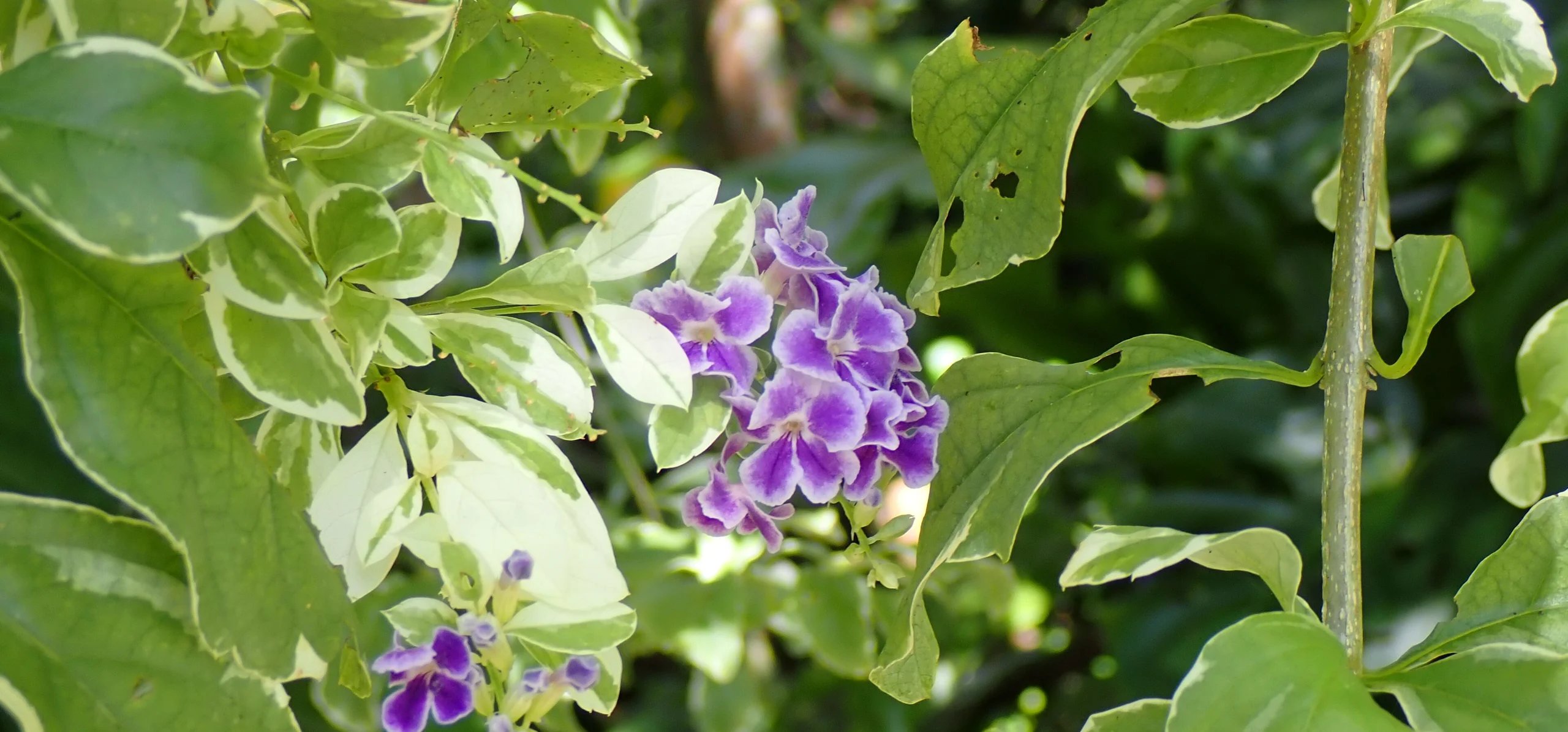
Plants of the World Online lists the native range of Lantana camara as Mexico to Tropical America, and GBIF's accepted classification places it in Verbenaceae, the verbena family, under the order Lamiales. The individual flowers are small, salver-shaped and only about a centimetre across according to the RHS, but they open in dense, rounded clusters, and each floret shifts colour as it ages and is pollinated, typically starting yellow or orange and aging toward pink or red. That shift is not just decorative: in Lantana it signals to visiting insects which florets still hold nectar, so a cluster with an outer ring of spent red flowers and a fresh yellow centre is directing pollinators to fresh nectar. Centuries of breeding have produced hundreds of cultivars, but this wild-type pattern of flowers ageing from yellow toward red remains the plant's signature.
Full Sun, Heat and Placement
Both the RHS and Clemson Cooperative Extension's Home and Garden Information Center are unambiguous about light: lantana wants full sun and a south-facing, sheltered spot, and flowering drops off sharply in shade. The RHS lists an ultimate height and spread of 1 to 1.5 metres for a typical garden plant, reached over five to ten years, though compact cultivars stay under 40cm and vigorous types form bushy mounds well over a metre and a half wide. Heat is not a problem; it keeps flowering through the hottest weeks of summer when many bedding plants stall. Give it room away from paths and play areas, since the foliage has a strong, musky scent when brushed and, as covered below, is not safe to eat.


Watering, Soil and Feeding
Clemson Extension recommends consistent moisture for several weeks after planting, until the roots establish, then treats mature lantana as genuinely drought-tolerant, though weekly watering during peak bloom improves flower production. Overhead watering is discouraged, since wet foliage raises the risk of root rot. On soil, lantana is unfussy: Clemson notes it accepts practically any well-drained soil, from sand to clay to chalk, provided it does not stay wet, and it tolerates salt spray well enough for coastal gardens. Fertilise lightly in spring; heavy feeding pushes soft, leafy growth at the expense of flowers, the opposite of what most gardeners expect from a fertiliser.
Deadheading and the Hard Spring Cutback
Lantana does not stop blooming without deadheading the way some bedding plants do, but Clemson Extension recommends lightly shearing the tip growth through summer to force new side shoots and keep clusters coming, rather than letting the plant get leggy and sparse at the base. Where it survives outdoors as a perennial, the real pruning event is in spring: cut the whole plant back hard, to roughly 6 to 12 inches above the ground, in March before new growth starts, to remove the previous year's woody stems and keep it compact. Pruning in autumn is worth avoiding, since fresh cuts and the new growth they trigger reduce the plant's winter hardiness going into the cold season.
Pot Culture, Cool Climates and Overwintering
The RHS rates lantana H1C, needing a minimum of 5 to 10 degrees Celsius, which in a temperate climate means treating it as a plant for summer containers and borders that either dies with the first frost or gets moved under glass. A large, well-drained pot suits it well outdoors through the warm months; bring the container into a bright, cool but frost-free space, a porch or unheated greenhouse rather than a heated living room, once temperatures start dropping, and water sparingly until growth resumes in spring. Where winters stay reliably frost-free, lantana behaves as the evergreen shrub the RHS describes, flowering nearly year-round without needing to come indoors at all.
Sterile Cultivars and a World-Class Invasive Weed
The wild-type species sets abundant small, fleshy berries that ripen from green to black, and Clemson Extension notes that some cultivars still produce these toxic berries while sterile varieties avoid the problem entirely; nurseries increasingly favour sterile, low-seed selections precisely because they do not spread on their own. That distinction matters because the species form has become one of the most damaging invasive shrubs anywhere it has escaped cultivation in the tropics and subtropics, notably in Australia, India, and eastern and southern Africa. Birds eat the ripening berries and disperse the seed widely and quickly, seedlings establish readily in disturbed and forested ground alike, and the plant's roots and leaf litter release allelochemicals that suppress the germination and growth of surrounding native vegetation, letting lantana thickets crowd out everything beneath them. Gardeners in warm climates where lantana can seed itself into wild land should choose a known sterile or low-fertility cultivar rather than plants grown from seed of unknown parentage.
Pests and Butterflies
Lantana's nectar-rich clusters are a genuine butterfly magnet, drawing swallowtails, fritillaries and skippers to a bed or pot better than most other bedding plants. Pest pressure runs the other way: Clemson Extension lists whitefly, which leaves sticky honeydew that grows sooty mould on the leaves, lantana lace bugs, spider mites in dry conditions, and powdery mildew where the plant is grown in too much shade or poor air circulation. Root rot from soggy, poorly drained soil is the most serious problem and the easiest to prevent, since it traces straight back to overwatering or a container without drainage holes rather than to the plant itself.
Toxicity to Pets, Horses and People
The ASPCA lists Lantana camara as toxic to dogs, cats and horses, with pentacyclic triterpenoids as the toxic principle and vomiting, diarrhoea, laboured breathing and weakness as the typical clinical signs; liver damage is the more serious outcome reported in grazing livestock that eat larger quantities. The RHS goes further and flags the whole plant as harmful if eaten by people as well as pets, recommending gloves when handling and pruning it. The unripe green berries and the leaves are generally considered the most concentrated source of the toxic compounds, which is one more reason to keep the plant, and any fallen fruit, away from small children, grazing animals and pets that chew on foliage.
Test your plant knowledge
Tap a card to flip it and reveal the answer.
Lantana camara is native to Mexico and tropical America. Tap to reveal ✓ True
Lantana flowers best with only two or three hours of morning sun. Tap to reveal ✕ False
The ASPCA lists Lantana camara as toxic to cats, dogs and horses. Tap to reveal ✓ True
Perennial lantana grown outdoors year-round should be cut back hard in spring to stop it turning woody. Tap to reveal ✓ True
Every lantana cultivar sold at nurseries produces the same abundant, bird-dispersed berries as the wild species. Tap to reveal ✕ False
Sources
References consulted for this guide
- Lantana camara L., GBIF Backbone Taxonomygbif.org
- Plants of the World Online (Kew): Lantana camara L.powo.science.kew.org
- ASPCA: Toxic and Non-Toxic Plants, Lantanaaspca.org
- RHS: Lantana camara (yellow sage)rhs.org.uk
- Clemson Cooperative Extension HGIC: Lantanahgic.clemson.edu
- Reference entity : Wikipédiaen.wikipedia.org