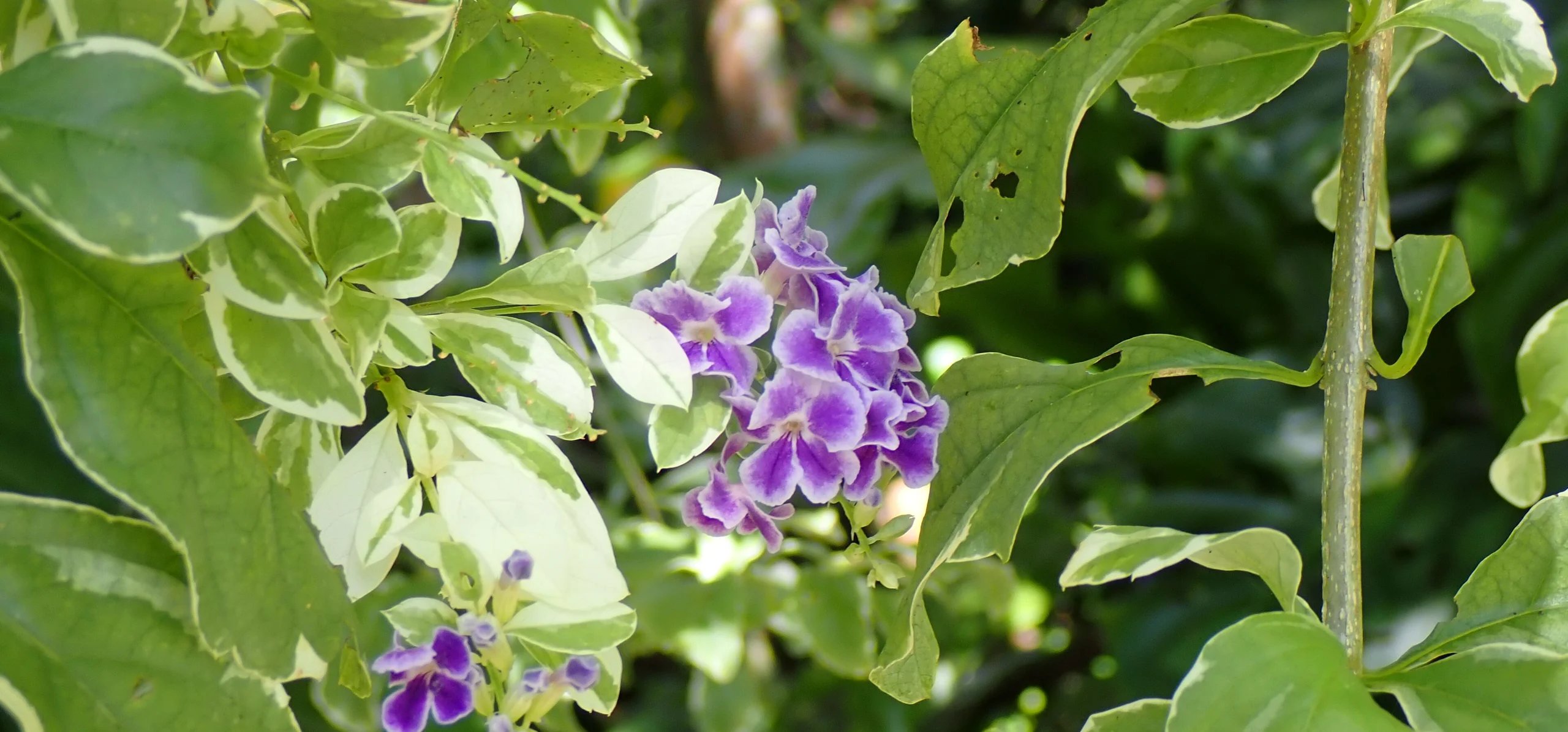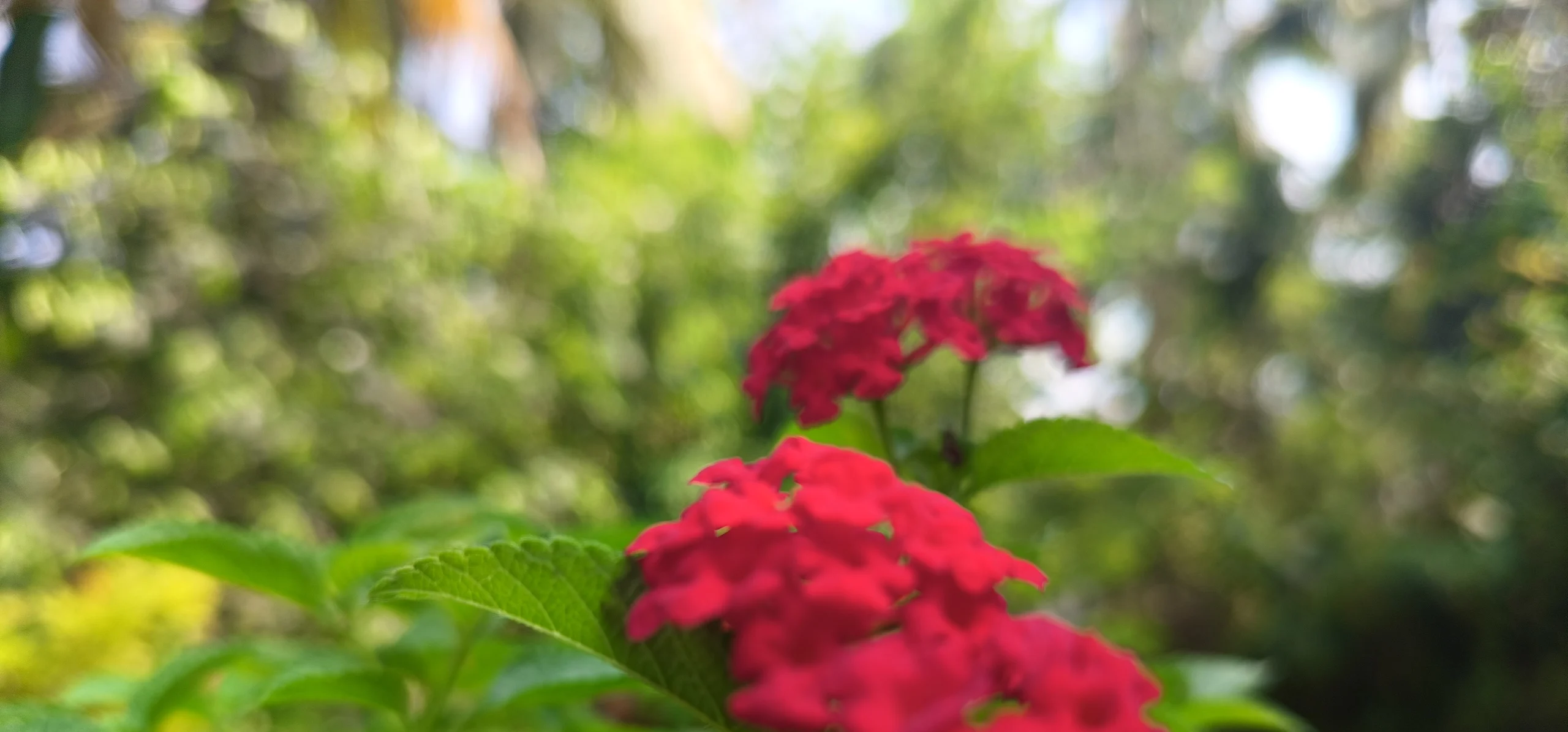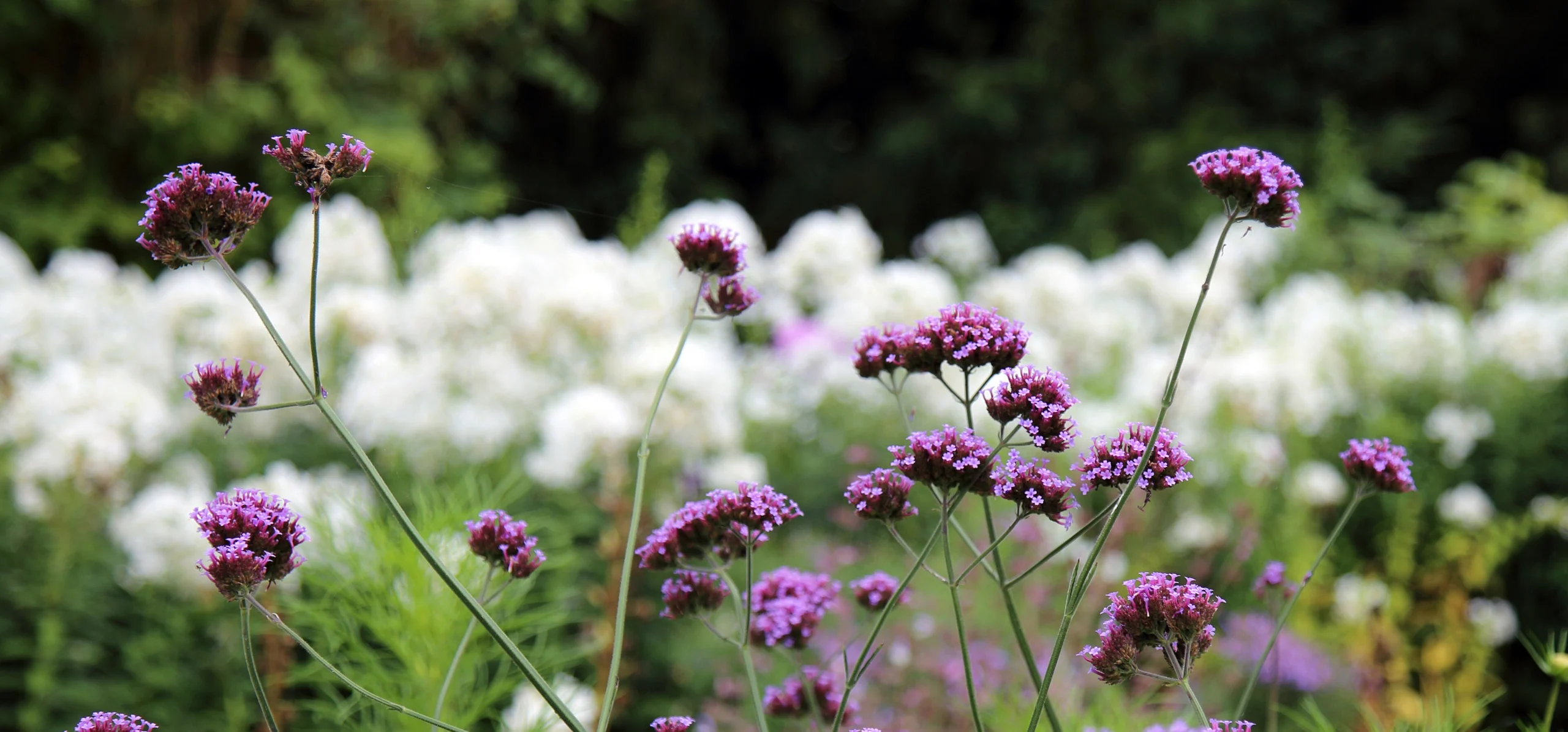
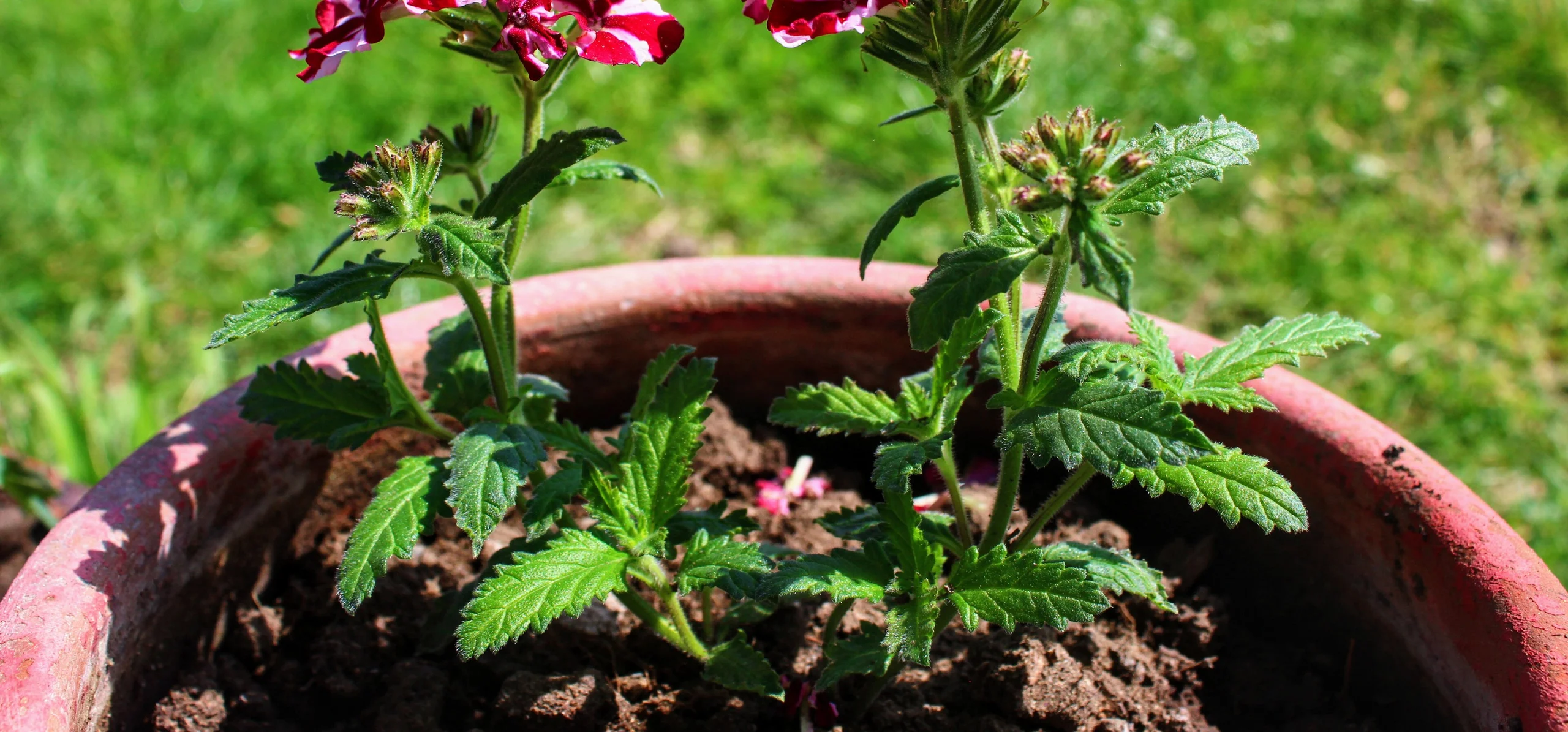
Garden Verbena
Verbena hybrida
Family · Verbenaceae
Grow garden verbena (Verbena hybrida) in full sun with well-drained soil, regular deadheading, and light feeding for blooms from spring through fall.
Verbena hybrida
Plant profile
- WateringLittleWater every 5 days
- Light exposureFull sun
- Hardiness zoneUSDA 9–10
Growth
- Family
- Verbenaceae
- Life cycle
- Perennial
- Growth speed
- 7/10
- Mature size
- 25–51 cm
- Spread
- 30–61 cm
- Flowering
- Late spring to fall (May to October)
- Propagation
- Seed
- Cutting
Dormancyfrost-killed outside zones 9-10
Time to maturityblooms the same season from seed
Soil & climate
- Soil types
- clay, loam, sand
- Drought tolerance
- Yes
Light & Placement
- Origin
- Garden hybrid; no confirmed wild native range (type material listed as cultivated)
- Where to place it
- sunny border
- raised bed edge
- rock garden
- hanging basket (trailing types)
- free-draining container with a monthly potassium-rich liquid feed
Safety
- Toxicity
- Not listed by ASPCA; treat as unconfirmed, not pet-safe
- Pet safe
- No
Invasive speciesself-seeds in mild climates but not reported invasive
Data fromVerbena hybrida, GBIF Backbone TaxonomyIPNI: Verbena hybrida Groenland & RümpleRHS: Verbena × hybrida (garden verbena, Missouri Botanical Garden: Verbena × hybNC State Extension: Verbena x hybrida Pl
Where it grows
World distribution
GBIF records 821 documented identifications across 55 countries, with the largest concentrations in United States, Sweden, and Germany.
Yellow to orange dots: concentration of documented identifications per country. Green countries: sourced native range. Source: GBIF.
One Plant, Two Scientific Names
The verbena filling a hanging basket or spilling over a patio pot with dense, star-shaped flower heads is usually sold as Glandularia x hybrida or Verbena hybrida, and both labels describe the same plant. GBIF's current backbone taxonomy accepts Verbena hybrida Groenland and Rümpler as the valid name and treats Glandularia hybrida as a synonym, while the International Plant Names Index records the opposite move: botanists Nesom and Pruski once formally transferred this hybrid into Glandularia, only for more recent taxonomic treatments to fold it back into Verbena. The disagreement exists because this is a nineteenth-century garden hybrid, first published in 1873 from a nursery illustration rather than a wild-collected specimen, so there is no natural population anywhere to settle the argument. Whichever name sits on the plant tag, you are growing the same low, spreading bedding plant with clusters of small five-petaled flowers in red, purple, pink, blue, white and bicolor combinations.
Growth Habit and Choosing a Type
Garden verbena grows in two distinct habits, and knowing which one you bought shapes where it belongs. Trailing cultivars send out creeping stems that root wherever they touch damp soil, staying under 25 cm tall while spreading 30 to 61 cm, which is why they dominate hanging baskets, window boxes and the rim of raised containers. Upright, bushy types hold their flower clusters above the foliage and reach closer to 50 cm tall, better suited to a border front or the center of a mixed container. Pinch the growing tips of young plants at planting time regardless of type: left alone, garden verbena tends to grow leggy with flowers bunched at the stem tips instead of branching into a full mound. Flower clusters open from late spring through fall, each rounded head up to about 7 cm across and made up of small five-petaled flowers that keep coming as long as spent blooms are removed.
Light and Placement
Full sun is not negotiable for this plant. Clemson Extension is blunt about it: verbena needs a location that receives direct sun throughout the day, and powdery mildew develops precisely where plants do not get enough light. Six or more hours of direct sun daily keeps growth compact and flowering continuous; in partial shade, stems stretch, flowering thins out, and mildew risk climbs. RHS rates the species H3 for hardiness, meaning it survives outdoors only in coastal and mild UK winters down to about minus 5 to 1°C; everywhere colder it is grown as a warm-season bedding annual and replaced each year, though it persists as a genuine short-lived perennial in USDA zones 9 to 10. A sheltered spot with good air movement between plants, rather than a tightly packed bed, keeps foliage drying quickly after rain or watering.


Soil and Planting
Garden verbena tolerates clay, loam and sandy soils as long as drainage is sharp; what it cannot survive is waterlogging, which brings on root and crown rot within weeks. NC State Extension lists a pH range from acid to neutral, staying below 8.0, so testing is rarely necessary outside naturally alkaline sites. Work compost into heavy clay to open the structure, and on very sandy ground expect to fertilize more often since nutrients wash through fast. Leave generous room between young plants: the trailing types alone can spread past 60 cm by midsummer, and crowded plantings trap humidity around the foliage and encourage the mildew and blight that thrive in still air. Set the crown level with the surrounding soil; planting too deep is a common way to invite crown rot in a plant that otherwise shrugs off neglect.
Watering
Established garden verbena in open ground is fairly drought-tolerant and often needs no supplemental water beyond about an inch of rain or irrigation a week during active bloom; skip overhead sprinklers, which wet the foliage and invite disease, and water at the base instead. Containers behave completely differently: potting mix dries out fast in full sun, so check the top 2.5 cm of compost with a finger and water thoroughly whenever it feels dry, which can mean daily checks in hot weather. Newly planted verbena of either kind needs consistent moisture for the first few weeks while roots establish, before easing off toward the drought-tolerant routine established plants can handle.
Feeding and Deadheading to Keep It Blooming
Garden verbena flowers continuously from late spring into fall only if spent blooms are removed regularly; left to set seed, a cluster stops producing new buds. When a planting looks tired in midsummer, cut the whole plant back by about a quarter of its height and spread, water it in, and feed lightly: Clemson Extension notes that plants treated this way return to bloom within two to three weeks. Border plants growing in reasonable soil rarely need more than a complete fertilizer such as 16-4-8 applied in mid to late spring and again after that summer trim. Container-grown verbena is hungrier: because frequent watering washes nutrients out of a small volume of compost quickly, a potassium-rich liquid feed, of the kind sold for tomatoes, applied monthly from a month after planting keeps flower production high.
Pests, Diseases and Pet Safety
Aphids, thrips, whitefly and slugs are the routine visitors; spider mites become a real problem specifically on plants already stressed by drought, so consistent watering during hot spells does double duty as pest prevention. Powdery mildew, seen as a white dusting on leaf surfaces, is the most common disease and traces straight back to insufficient sun or crowded, still air. In consistently wet conditions, botrytis blight can turn flowers brown with a grey fuzzy growth, and root or crown rot from Pythium or Rhizoctonia follows any soil that stays soggy. None of this is usually serious if sun, spacing and drainage are right from the start; Missouri Botanical Garden rates the species as having no serious insect or disease problems under typical garden conditions, and deer tend to leave it alone. On pet safety, ASPCA's toxic and non-toxic plant database has no dedicated entry for Verbena hybrida or Glandularia hybrida under either name, so treat its status as unconfirmed rather than assuming it is safe for cats, dogs or horses to chew on.
Propagation and Overwintering
Most bedding strains are grown from seed sown indoors eight to ten weeks before the last frost date, or started directly outdoors after frost has passed in warmer areas; RHS recommends sowing at around 21°C for reliable germination. Named cultivars grown from seed do not always come true to the parent's flower color, so gardeners who want an exact repeat take softwood cuttings in spring or early summer, or semi-ripe cuttings in late summer, to carry a favorite plant through winter indoors. Outside USDA zones 9 to 10, where garden verbena survives outdoors as a genuine short-lived perennial, treat it as an annual: let frost finish the display, lift container plants indoors before the first hard freeze, or take late-summer cuttings as an insurance policy rather than trying to overwinter the whole plant in the ground.
Test your plant knowledge
Tap a card to flip it and reveal the answer.
Garden verbena needs full sun to bloom well and avoid powdery mildew. Tap to reveal ✓ True
ASPCA officially lists garden verbena as non-toxic to cats and dogs. Tap to reveal ✕ False
Once established in open ground, garden verbena needs daily watering through summer. Tap to reveal ✕ False
Glandularia x hybrida and Verbena x hybrida both refer to the same plant. Tap to reveal ✓ True
Pinching the growing tips of young plants at planting time helps prevent leggy growth. Tap to reveal ✓ True
Sources
References consulted for this guide
- Verbena hybrida, GBIF Backbone Taxonomygbif.org
- IPNI: Verbena hybrida Groenland & Rümpler (nomenclatural record)ipni.org
- RHS: Verbena × hybrida (garden verbena, florist's verbena)rhs.org.uk
- Missouri Botanical Garden: Verbena × hybrida Plant Findermissouribotanicalgarden.org
- NC State Extension: Verbena x hybrida Plant Toolboxplants.ces.ncsu.edu
- Reference entity : Wikidatawikidata.org