Purpletop Vervain
Verbena bonariensis
Family · Verbenaceae
Full sun and free-draining soil keep tall, wiry Verbena bonariensis upright, with self-seeding to manage from summer through autumn bloom.
Verbena bonariensis
Plant profile
- WateringLittleWater every 10 days
- Light exposureFull sun
- Hardiness zoneUSDA 7–11
Growth
- Family
- Verbenaceae
- Life cycle
- Perennial
- Growth speed
- 7/10
- Mature size
- 60–250 cm
- Spread
- 10–50 cm
- Flowering
- Summer through autumn, until the first frost
- Propagation
- Seed
- Cutting
Dormancydies back after the first hard frost where grown as an annual; may resprout from the base in zones 7-8
Time to maturityflowers in its first year from spring-sown seed
Soil & climate
- Soil types
- chalk, clay, loam, sand
- Drought tolerance
- Yes
Light & Placement
- Where to place it
- sunny border
- gravel garden
- pollinator border
- cutting garden
- large container with a free-draining, gritty mix
OriginSE and southern Brazil to southern South America; naturalized in the southeastern United States
Safety
- Toxicity
- Not evaluated by the ASPCA; toxicity undetermined
- Pet safe
- No
Invasive speciesself-seeds freely and is considered weedy, and invasive by some sources, outside cultivated beds
Data fromVerbena bonariensis L., GBIF Backbone TaRHS: Verbena bonariensis (purple top)North Carolina State Extension: Verbena Missouri Botanical Garden Plant Finder: Plants of the World Online (Kew): Verben
Where it grows
World distribution
Purpletop Vervain is native to 6 countries: Argentina, Brazil, Chile, Paraguay, Peru, and Uruguay.GBIF records 50,618 documented identifications across 97 countries, with the largest concentrations in Australia, Netherlands, and United Kingdom.
- Argentina
- Brazil
- Chile
- Paraguay
- Peru
- Uruguay
Yellow to orange dots: concentration of documented identifications per country. Green countries: sourced native range. Source: GBIFNative range from POWO (Kew).
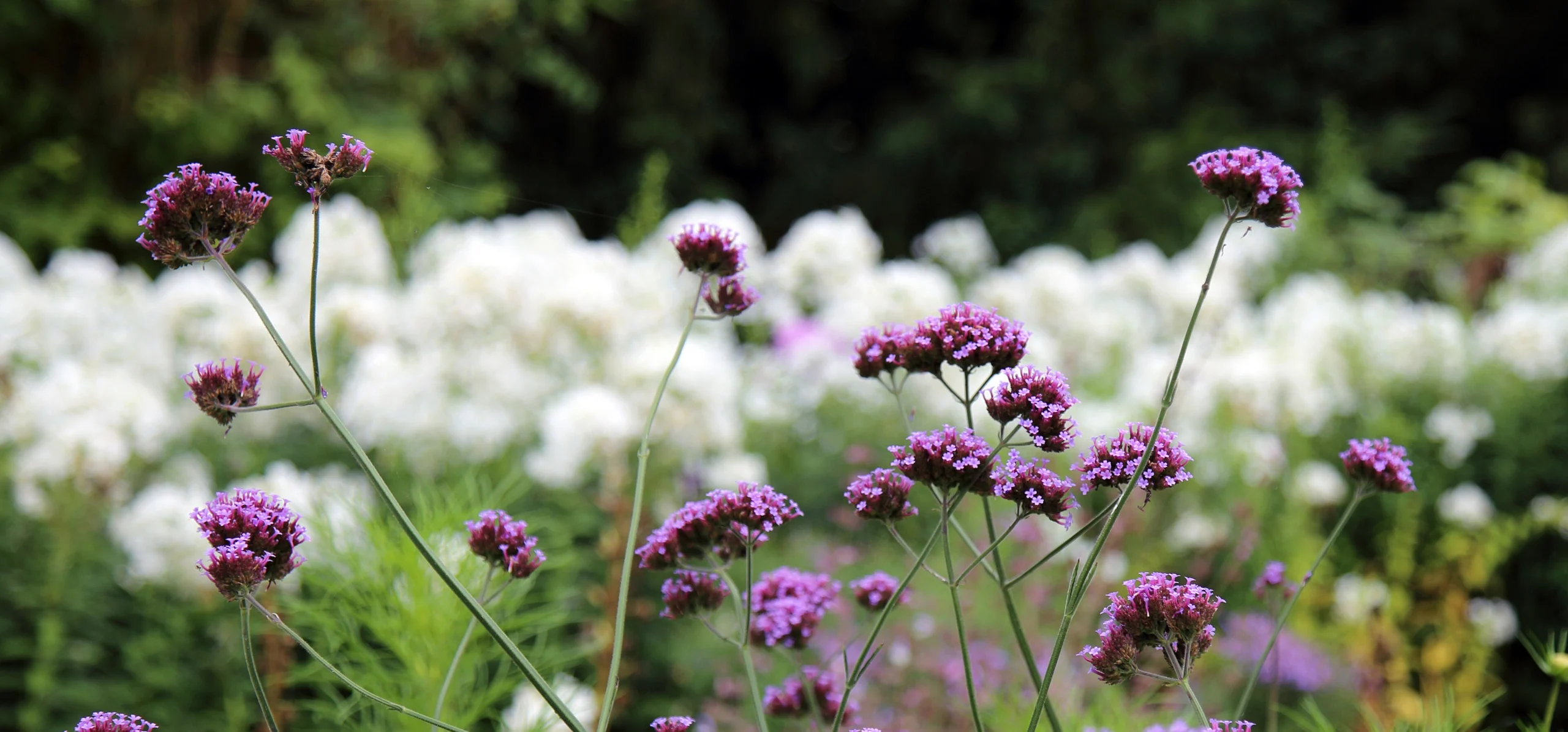
If you've just picked up a pot of Verbena bonariensis, the sparse, wiry stems topped with a small cluster of lilac-purple flowers might look more like a weed cutting than a finished nursery plant, and that is close to the point. This tender perennial, native to southeastern and southern Brazil down through southern South America, grows as an almost leafless scaffold of branching stems so that other plants show through it rather than disappearing behind it. Give it full sun and soil that drains, and a young plant from a small pot is usually flowering at eye level within eight to ten weeks. It rarely needs staking, feeding, or fussing, the real skill is deciding when to let it self-seed and when to pull the seedlings out.
Choosing a Spot: Full Sun and an Airy Habit
Verbena bonariensis only performs well in full sun. The RHS lists it as needing a south- or west-facing position with direct light for most of the day; in part shade the wiry stems stretch toward the light, lean, and carry noticeably fewer flowerheads. Because a mature plant can reach 1.5 to 2.5 metres tall on a base only 10 to 50 centimetres wide, it belongs toward the back or middle of a border, where its see-through structure lets shorter plants show through the gaps instead of being screened by solid foliage. Exposed sites are fine, the RHS rates it for both exposure and shelter, but in windy gardens the tallest stems can lean or snap near the base by late summer. A single stake pushed through the centre of the clump early in the season usually fixes this without spoiling the airy look.
Soil and Planting
This species tolerates a wide range of soils: chalk, loam, and sand are listed by the RHS, and North Carolina State Extension adds clay and shallow, rocky ground to that list. What it does not tolerate is standing water. Both sources call for free drainage over fertility, and a poor, lean soil that dries out between rains tends to produce a sturdier plant than a rich bed that stays damp. When planting from a nursery pot, loosen the surrounding soil to about twice the width of the rootball, set the crown level with the surrounding grade, and water in thoroughly once. No amendment or fertiliser is needed at planting time; feeding this plant generally produces soft, floppy growth rather than better flowers.
Watering Through Establishment and Summer
For the first four to six weeks after planting, water whenever the top few centimetres of soil dry out, typically twice a week in an average summer. Once roots have spread beyond the original rootball, usually by midsummer in the first year, Verbena bonariensis is classed as drought tolerant by North Carolina State Extension and needs supplemental water only during extended dry spells. Container-grown plants are the exception: a pot dries out far faster than open ground, so check by pushing a finger 3 to 4cm into the mix and water whenever that layer is dry, rather than on a fixed schedule.


Deadheading, Self-Seeding, and Keeping It in Bounds
Left alone, this plant seeds itself with real enthusiasm. The RHS specifically flags its potential to become a nuisance through self-sown seedlings, and North Carolina State Extension describes it as weedy, noting that some sources classify it as invasive outside cultivated beds. In practice, this means deciding early whether you want volunteers. Leave the browned seedheads standing through winter, American goldfinches feed on them into the cold months according to North Carolina State Extension, and expect a crop of seedlings around the base plant the following spring; thin them out where you do not want them. If you would rather keep a planting tidy and contained, shear off flowerheads as they fade through the season. This also tends to push flowering later into autumn.
Overwintering and Hardiness
Hardiness depends heavily on where you garden. North Carolina State Extension places Verbena bonariensis in USDA zones 7a to 11b as a true perennial. The RHS rates it H4, hardy through most of the UK down to between -10 and -5 degrees C, though a hard frost can still kill an individual plant in a difficult winter. In zone 6 and colder, treat it as an annual, or lift and pot up a specimen to overwinter under glass above freezing. Where plants do survive winter in the ground, cut the dead stems back to the basal rosette in early spring rather than in autumn; the old growth gives some frost protection to the crown and shelter to overwintering insects.
Propagation from Seed and Cuttings
Seed is the easiest route, and the one this species uses on its own. The RHS recommends sowing at 18 to 21 degrees C any time from autumn through early spring; germination is slow and uneven, so do not give up on a tray after only a couple of weeks. Plants raised early under cover and hardened off after the last frost typically flower in their first summer. North Carolina State Extension lists root cuttings as the vegetative alternative, useful for holding on to a particular named form rather than the straight species, since seed-raised plants can vary a little in height and flower colour.
Pests, Diseases, and Common Mistakes
North Carolina State Extension reports no serious insect problems on this species, though the RHS lists aphids, thrips, and leafhoppers as occasional visitors, none of which usually need treatment beyond a strong jet of water. Powdery mildew is the one disease both sources agree on, most likely in crowded plantings with poor air movement late in the season; space plants generously rather than reaching for a fungicide. The most common mistake is planting it in rich, regularly fed soil expecting bigger flowers: the result is usually soft, leggy stems that flop, and fewer blooms rather than more. The second is judging a young plant too soon. First-year growth is a squat, roughly 30cm basal clump of lance-shaped leaves, and it can look unpromising for weeks before the flowering stems shoot skyward.
Test your plant knowledge
Tap a card to flip it and reveal the answer.
Verbena bonariensis flowers best in full sun. Tap to reveal ✓ True
This plant needs rich, well-fertilised soil to flower well. Tap to reveal ✕ False
Established Verbena bonariensis is drought tolerant. Tap to reveal ✓ True
Verbena bonariensis rarely self-seeds in the garden. Tap to reveal ✕ False
In USDA zone 7, Verbena bonariensis can survive winter as a true perennial. Tap to reveal ✓ True
Sources
References consulted for this guide
- Verbena bonariensis L., GBIF Backbone Taxonomygbif.org
- RHS: Verbena bonariensis (purple top)rhs.org.uk
- North Carolina State Extension: Verbena bonariensis (Tall Verbena)plants.ces.ncsu.edu
- Missouri Botanical Garden Plant Finder: Verbena bonariensismissouribotanicalgarden.org
- Plants of the World Online (Kew): Verbena bonariensis L.powo.science.kew.org
- Reference entity : Wikipédiaen.wikipedia.org