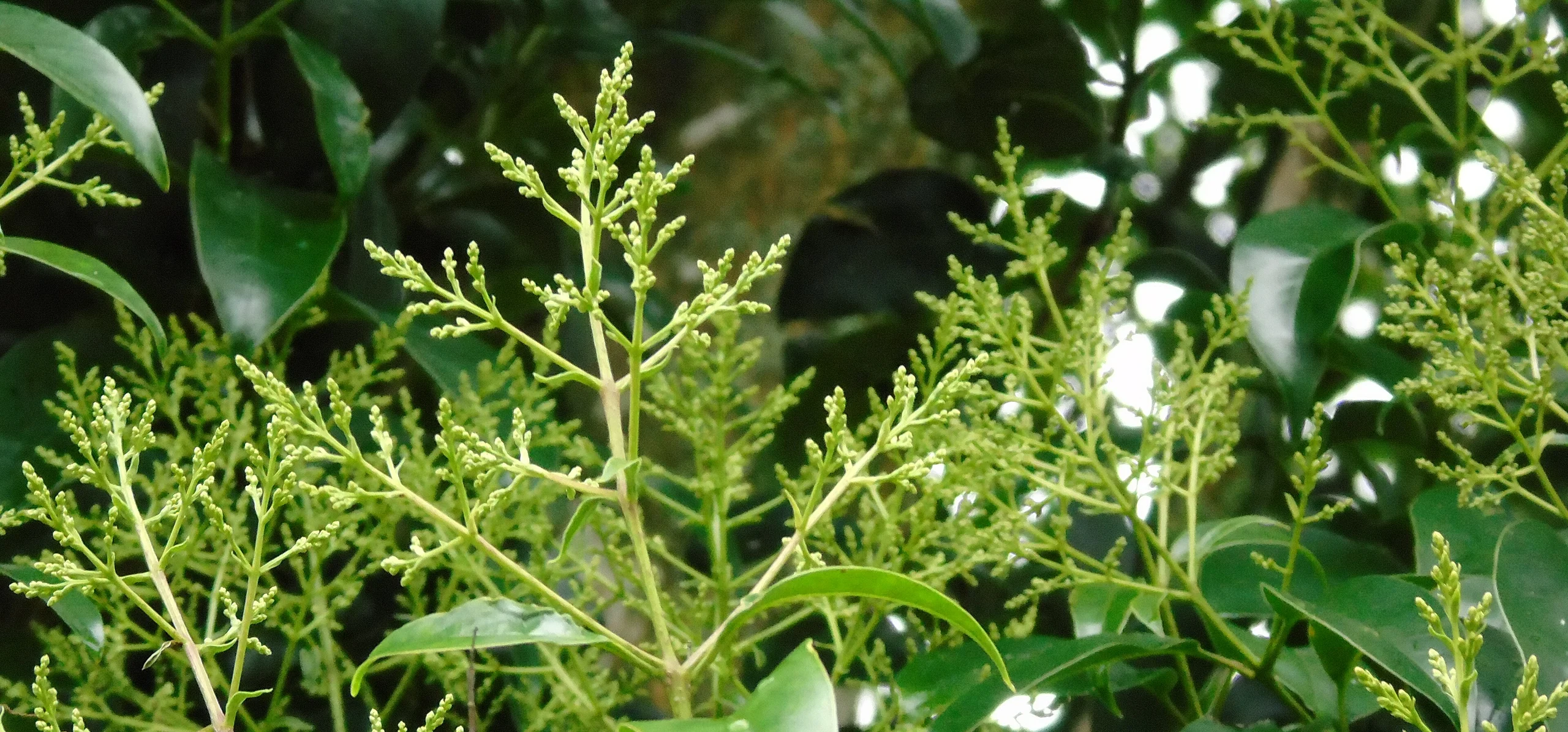
Glossy Privet
Ligustrum lucidum
Family · Oleaceae
Glossy privet grows into a dense evergreen screen fast, tolerates alkaline soil and drought, but its bird-spread berries make it invasive in many regions.
Ligustrum lucidum
Plant profile
- WateringLittleWater every 10 days
- Light exposurePartial sun
- Hardiness zoneUSDA 7–10
Growth
- Family
- Oleaceae
- Life cycle
- Perennial
- Growth speed
- 9/10
- Mature size
- 366–1200 cm
- Spread
- 244–800 cm
- Propagation
- Seed
- Cutting
FloweringCreamy white, strongly scented flower panicles in late spring to summer, followed by blue-black berries into winter
DormancyEvergreen; RHS lists the foliage as present year-round with no leafless winter dormancy
Time to maturityNorth Carolina State Extension rates annual growth as rapid; the RHS lists 20 to 50 years to reach ultimate untrained size
Soil & climate
- Soil types
- chalk, loam, sand
- Drought tolerance
- Yes
Light & Placement
- Where to place it
- clipped boundary hedge
- specimen tree in a sunny lawn or courtyard
- sheltered spot out of harsh winter wind at the cold edge of its range
OriginNative from Nepal and NE Myanmar through central and southern China, Hainan and South Korea (POWO)
Safety
- Toxicity
- HumansToxic
Invasive speciesConsidered invasive by the North Carolina Invasive Plant Council; spreads mainly by birds eating and dispersing the winter fruit, and North Carolina State Extension recommends removing flower clusters before fruit sets
Data fromGBIF: Ligustrum lucidum W.T.AitonPOWO: Ligustrum lucidum W.T.AitonRHS: Ligustrum lucidum (Chinese privet)Missouri Botanical Garden Plant Finder: NC State Extension Gardener Plant Toolbo
Where it grows
World distribution
Glossy Privet is native to 4 countries: China, Myanmar (Burma), Nepal, and South Korea.GBIF records 42,020 documented identifications across 82 countries, with the largest concentrations in United States, Australia, and China.
- China
- Myanmar (Burma)
- Nepal
- South Korea
Yellow to orange dots: concentration of documented identifications per country. Green countries: sourced native range. Source: GBIFNative range from POWO (Kew).
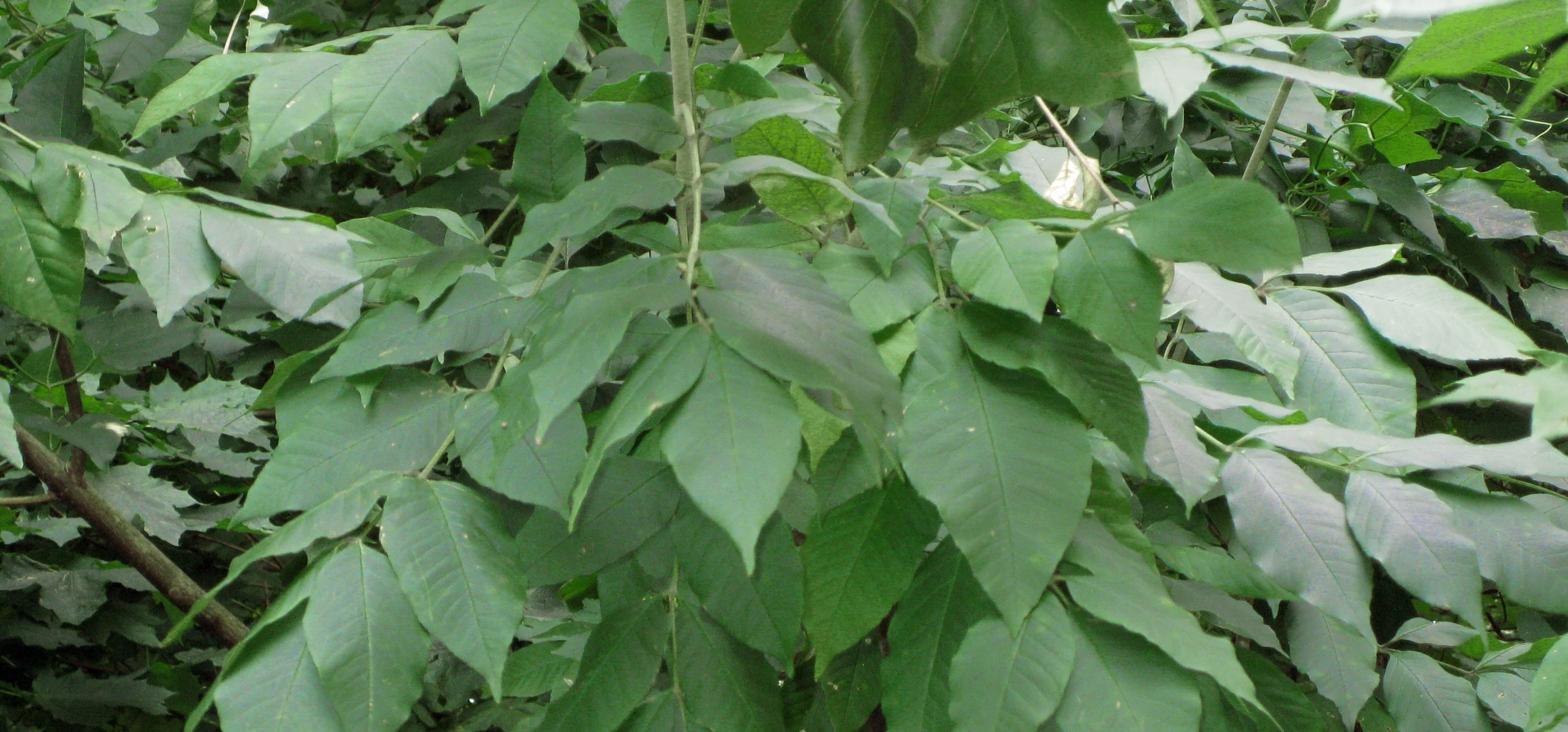
Glossy privet (Ligustrum lucidum) is a fast-growing evergreen from China, prized for decades as a screening hedge or small specimen tree and increasingly flagged by extension services as an environmental problem. The thick, polished leaves and creamy summer flower plumes are unmistakable, and so is the plant's appetite for growth: left alone it can reach 8 to 12 metres, according to the RHS, and North Carolina State Extension rates its growth rate as rapid. Buy one for a boundary hedge and you get a tough, drought-tolerant screen within a few seasons; let the birds get at the fruit and you get a colonizer that extension agents are actively asking gardeners to remove.
Origin and Telling Glossy Privet From Its Relatives
Plants of the World Online lists the native range as Nepal and northeastern Myanmar through central and southern China, Hainan and South Korea, and North Carolina State Extension narrows the core of that range to southern China and Korea. The species belongs to the olive family, Oleaceae, alongside true olives, lilacs and ash trees, which explains the leathery leaf texture.
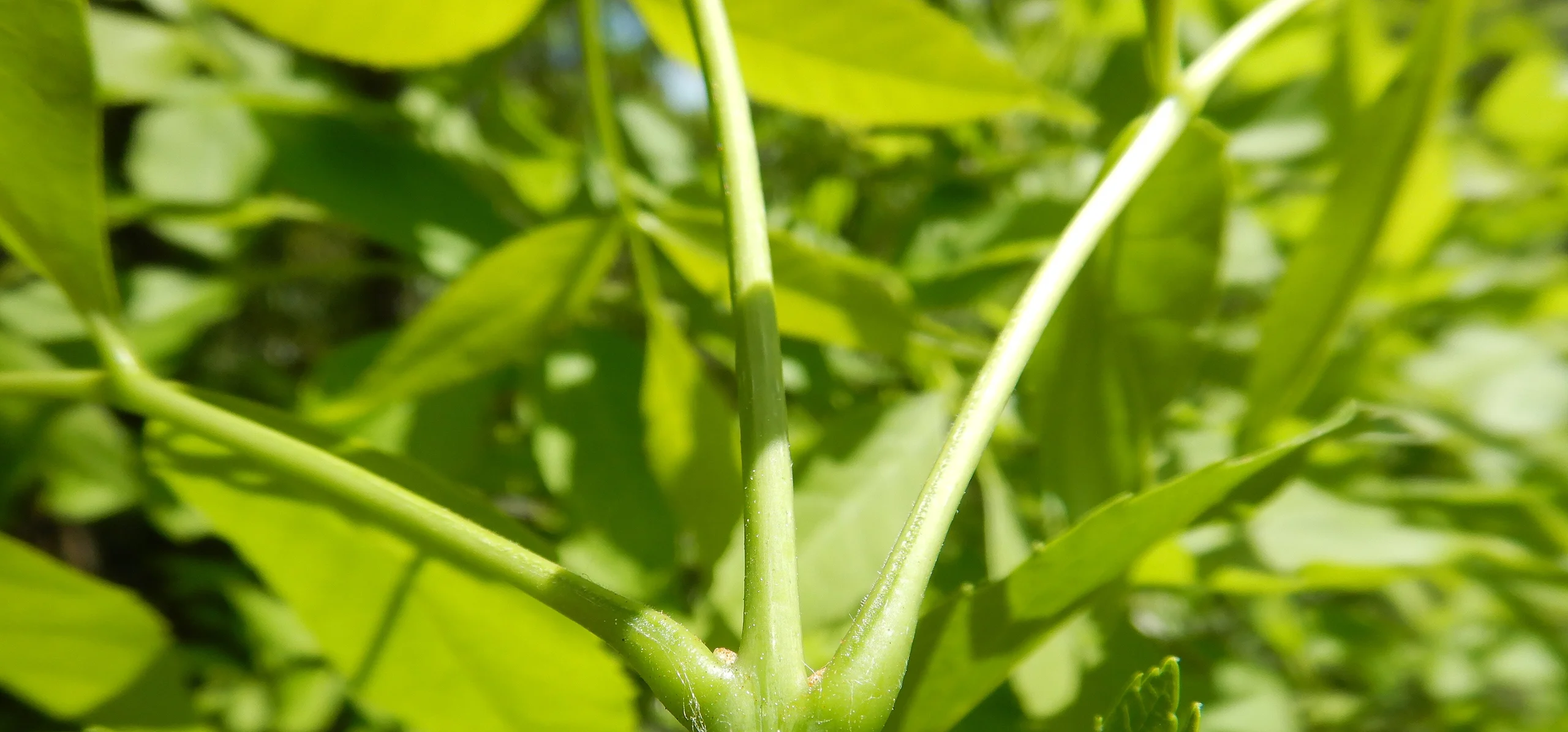
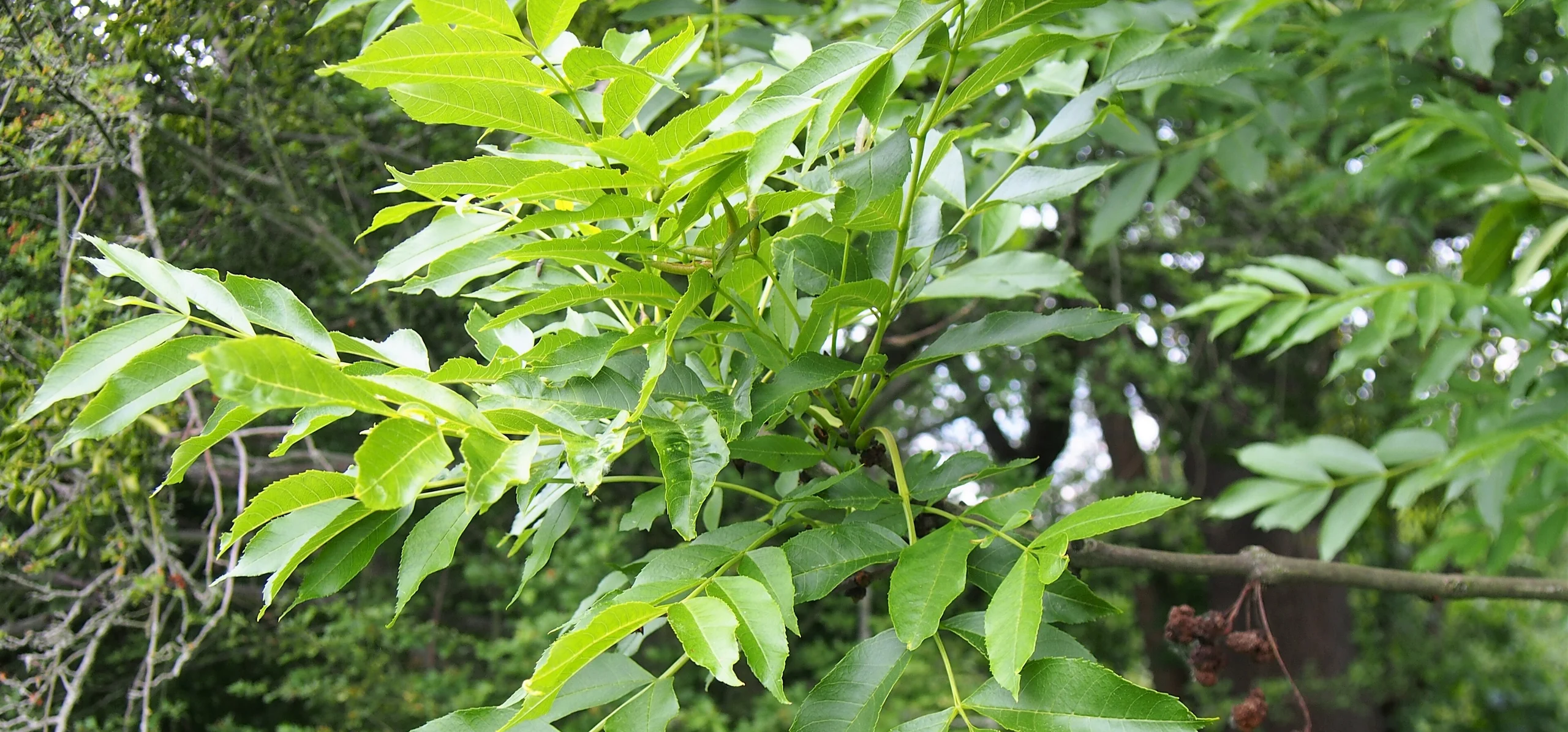
Confusion with other privets is common, since several unrelated look-alikes share the name. Glossy privet is the one built to become a tree rather than stay a hedge: RHS lists its leaves running up to 15 cm long with a pronounced gloss, and its flower panicles reaching a showy 15 cm as well, both noticeably larger than the compact Ligustrum japonicum or Ligustrum vulgare usually sold as clipped hedging. If a nursery tag just says "privet," check the mature height on the label; a plant billed to stay under 2 m is not this species.
Light, Hardiness and Placement
Grow it in full sun or partial shade; both the RHS and North Carolina State Extension list either exposure as acceptable, though flowering and foliage density thicken with more direct light. USDA hardiness runs from zone 7a to 10b according to North Carolina State Extension, and the RHS rates it H5, hardy through most UK winters down to about -15 to -10 degrees Celsius. It is, however, notably less cold-hardy than Japanese privet (Ligustrum japonicum), so gardeners at the cold edge of zone 7 should expect occasional dieback after a hard winter and plant it somewhere sheltered from prevailing wind.
Soil and Watering
Good drainage matters more than soil type. The RHS lists chalk, loam and sand as suitable, across acid, neutral or alkaline pH, and North Carolina State Extension specifically notes tolerance of alkaline soil above pH 8, a range that stalls many shrubs outright. Once established, plants are drought-tolerant in dry conditions and alkaline soil, per the same source, so a new hedge needs regular water through its first one to two seasons and can then largely fend for itself outside prolonged drought. Waterlogged, poorly drained ground is the one condition to avoid: it invites the root rot listed among the species' disease problems.


Pruning and Training
Glossy privet takes hard pruning well, which is exactly why it has been planted as clipped hedging for so long. The RHS places it in its summer pruning group, meaning cuts are best made after flowering rather than in winter, and a young plant can be cut back hard to build a dense framework without harming it. Left untrained, it grows into a small tree 8 to 12 metres tall with a spread the RHS describes as wider than 8 metres, so a specimen given free rein needs real space. For a hedge, trim two or three times through the growing season to keep the glossy new growth in check; skip a year and the plant puts on enough height to need a ladder for the next cut.
Flowering and Fruit
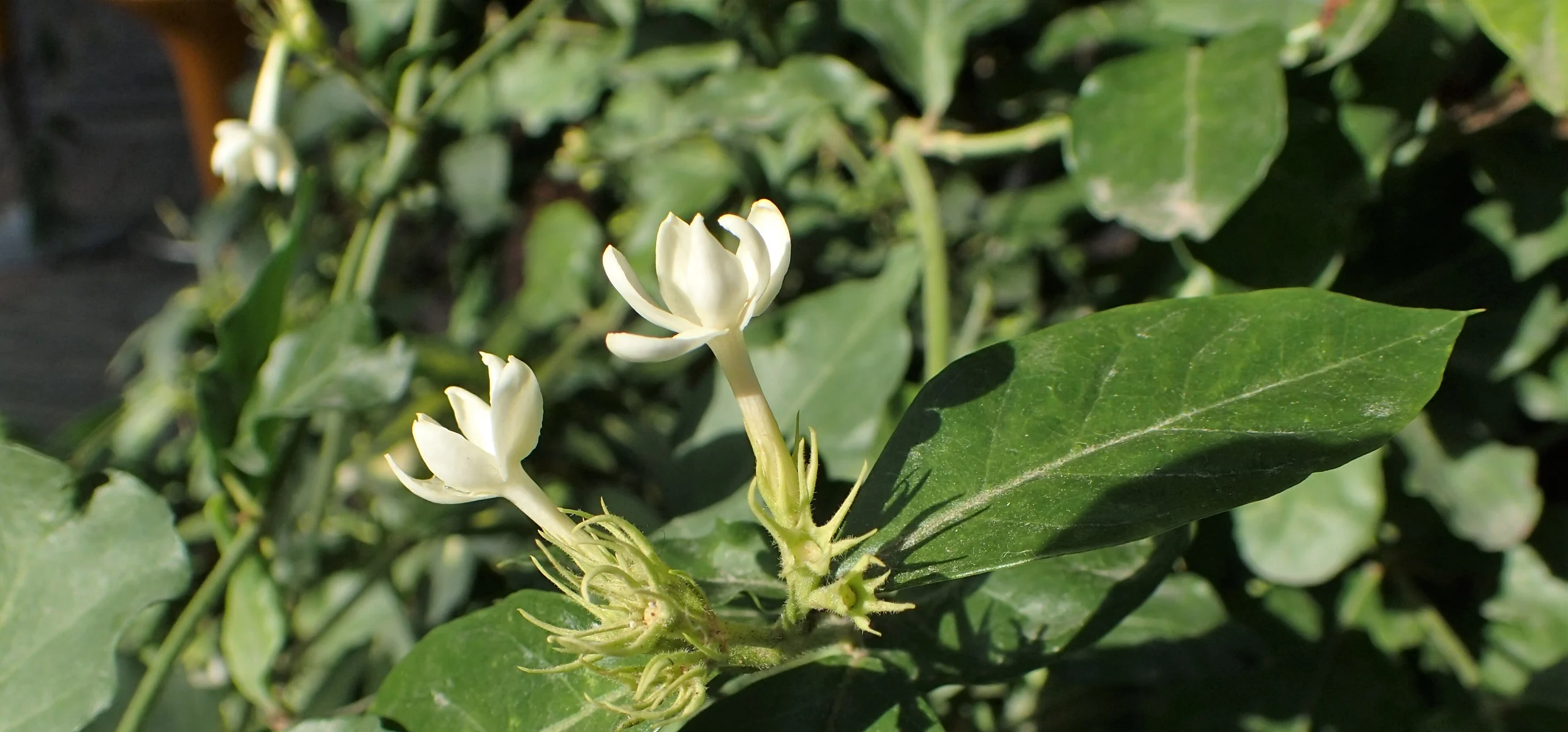
Small, creamy white flowers open in loose panicles up to 15 centimetres long; the RHS puts the flowering window at summer into early autumn, while North Carolina State Extension pins the main bloom earlier, to late spring through early summer, so expect the exact timing to shift with climate. The fragrance is strong: North Carolina State Extension describes it plainly as pungent and potentially objectionable, worth weighing before planting one under a bedroom window. Flowers give way to quarter-inch, blue-black drupes that persist into winter and that the same source flags as toxic.
Why It Is Considered Invasive
North Carolina State Extension lists glossy privet as considered invasive by the North Carolina Invasive Plant Council, and the Missouri Botanical Garden notes it has escaped cultivation and naturalized across parts of the southeastern United States, Texas and southern California, forming dense thickets that crowd out native seedlings. The mechanism is straightforward: birds eat the persistent winter fruit and carry the seed into hedgerows, woodland edges and disturbed ground. North Carolina State Extension's practical fix is to remove the flower clusters before they set fruit; if you already grow glossy privet as a hedge, deadheading after flowering is a small, seasonal habit that keeps a garden shrub from becoming a habitat problem a few gardens over.
Pests and Diseases
North Carolina State Extension lists whiteflies, Japanese and privet weevils, scale insects and privet rust mites as the recurring insect problems, alongside anthracnose and powdery mildew as the main disease risks, and flags root rot in soil that stays wet. The same source notes the species is susceptible to copper deficiency, which shows up as pale, thin new growth rather than the deep glossy green the plant is named for.
- Scale insects and whiteflies: feed on sap; heavy infestations dull the glossy foliage and weaken new growth
- Privet rust mites and weevils: chew and disfigure new growth without threatening an established plant
- Anthracnose and powdery mildew: mostly cosmetic on healthy plants, worse after stress, crowding or poor airflow
Toxicity: What to Know Around Pets and Kids
Glossy privet does not have its own entry in the ASPCA's toxic and non-toxic plant database, so nothing here can be stated as ASPCA-confirmed for this exact species. That said, North Carolina State Extension is explicit that the berries and leaves of privet can adversely affect dogs that eat them, rating the risk as medium severity, and lists the fruit itself as toxic. Treat it the way you would any unlisted but reportedly toxic shrub: keep fallen fruit swept up where pets or young children forage, and wash hands after heavy pruning sessions.
Test your plant knowledge
Tap a card to flip it and reveal the answer.
Glossy privet is a fast-growing plant once established. Tap to reveal ✓ True
Glossy privet is more cold-hardy than Japanese privet (Ligustrum japonicum). Tap to reveal ✕ False
Its summer flowers always have a pleasant fragrance. Tap to reveal ✕ False
The plant tolerates alkaline soil above pH 8. Tap to reveal ✓ True
Birds help spread this species by eating and dispersing its berries. Tap to reveal ✓ True
Sources
References consulted for this guide
- GBIF: Ligustrum lucidum W.T.Aitongbif.org
- POWO: Ligustrum lucidum W.T.Aitonpowo.science.kew.org
- RHS: Ligustrum lucidum (Chinese privet)rhs.org.uk
- Missouri Botanical Garden Plant Finder: Ligustrum lucidummissouribotanicalgarden.org
- NC State Extension Gardener Plant Toolbox: Ligustrum lucidumplants.ces.ncsu.edu
- Reference entity : Wikipédiaen.wikipedia.org