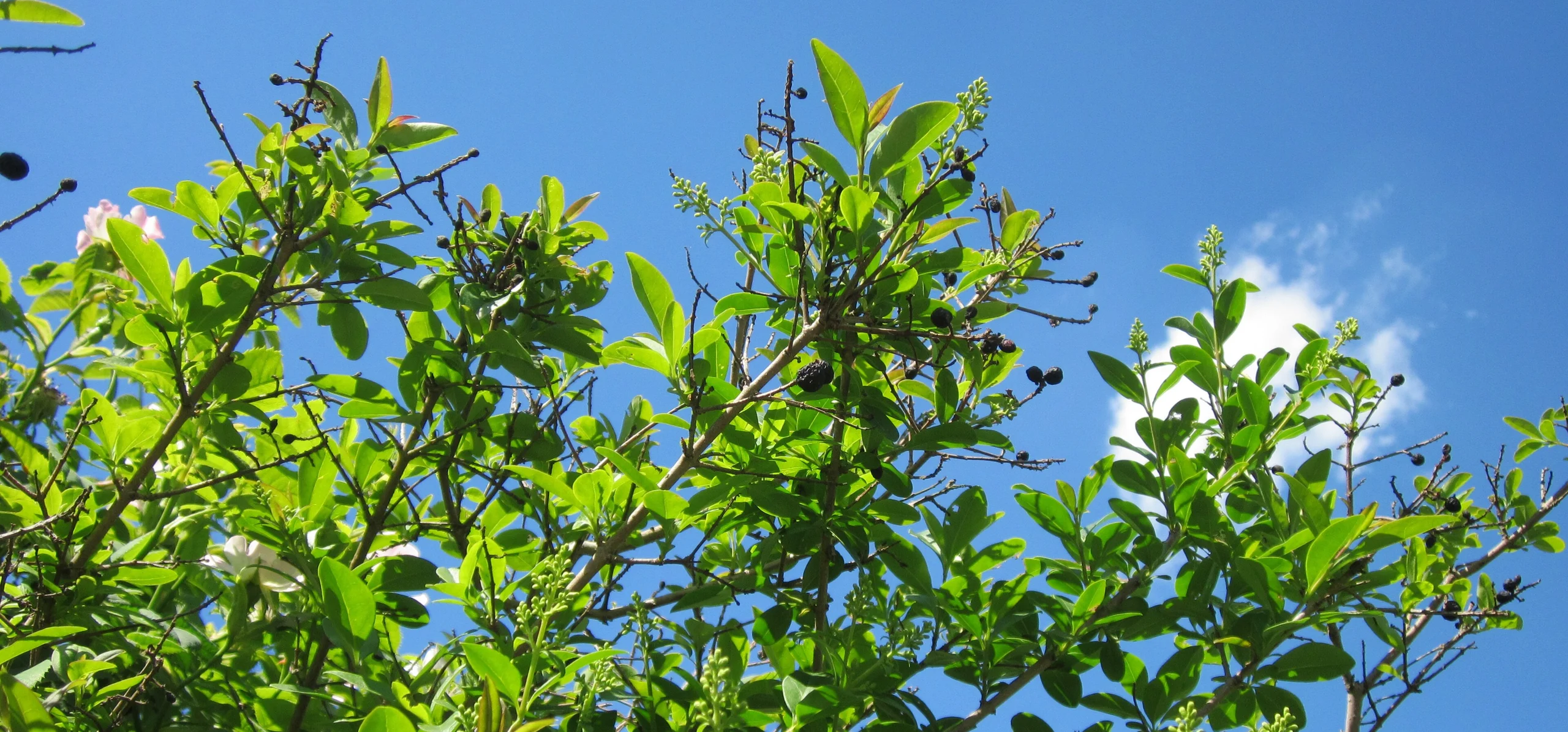
Wild Privet
Ligustrum vulgare
Family · Oleaceae
Wild privet (Ligustrum vulgare) grows fast in sun or part shade, tolerates chalk to clay soil, and needs a hard pruning a year. Berries are toxic to pets.
Ligustrum vulgare
Plant profile
- WateringLittleWater every 14 days
- Light exposurePartial sun
- Hardiness zoneUSDA 4–7
Growth
- Family
- Oleaceae
- Life cycle
- Perennial
- Growth speed
- 7/10
- Mature size
- 250–400 cm
- Spread
- 250–400 cm
- Flowering
- Small white flowers in June, followed by black berries
- Propagation
- Seed
- Cutting
DormancyDeciduous in cold winters, semi-evergreen in mild climates
Time to maturity10-20 years to full size
Soil & climate
- Soil types
- chalk, clay, loam, sand
- Drought tolerance
- Yes
Light & Placement
- Origin
- NW Africa, Europe, and NW Iran
- Where to place it
- hedges
- boundary screens
- woodland edges
- mixed borders
Safety
- Toxicity
- CatsToxic
- DogsToxic
- HorsesToxic
- HumansToxic
Invasive speciesSelf-seeds via birds; locally invasive in parts of North America
Data fromGBIF: Ligustrum vulgare L.POWO (Kew): Ligustrum vulgare L.RHS: Ligustrum vulgare (wild privet)ASPCA: Common Privet toxicityNC State Extension: Ligustrum vulgare Pl
Where it grows
World distribution
Wild Privet is native to 29 countries: Albania, Algeria, Austria, Belgium, Bulgaria, Croatia, Czechia, and Denmark….GBIF records 625,142 documented identifications across 78 countries, with the largest concentrations in France, United Kingdom, and Germany.
- Albania
- Algeria
- Austria
- Belgium
- Bulgaria
- Croatia
- Czechia
- Denmark
- France
- Georgia
- Germany
- Greece
Show 17 more countriesShow fewer countries
- Hungary
- Iran
- Ireland
- Italy
- Morocco
- Netherlands
- Norway
- Poland
- Portugal
- Romania
- Russia
- Spain
- Sweden
- Switzerland
- Türkiye
- Ukraine
- United Kingdom
Yellow to orange dots: concentration of documented identifications per country. Green countries: sourced native range. Source: GBIFNative range from POWO (Kew).
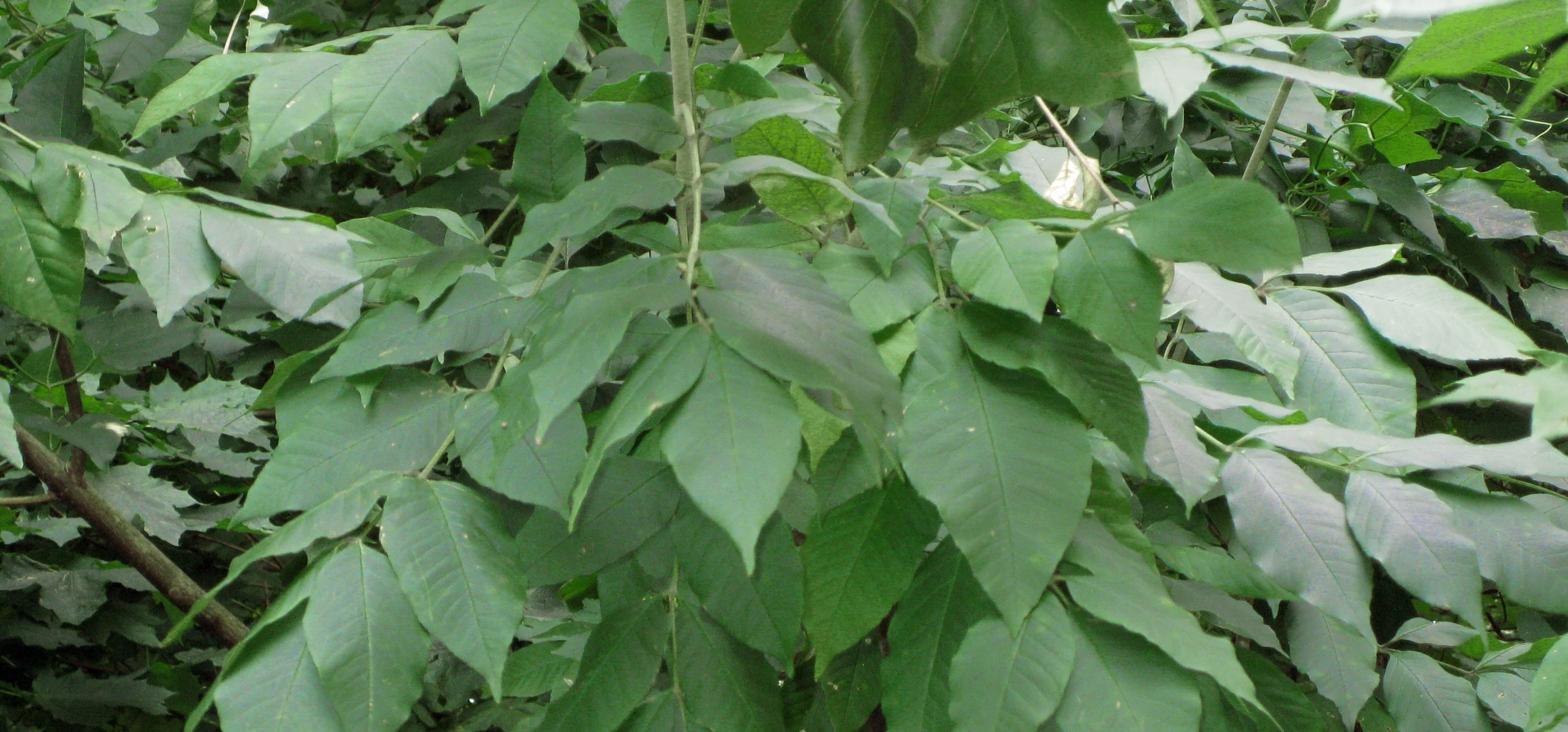
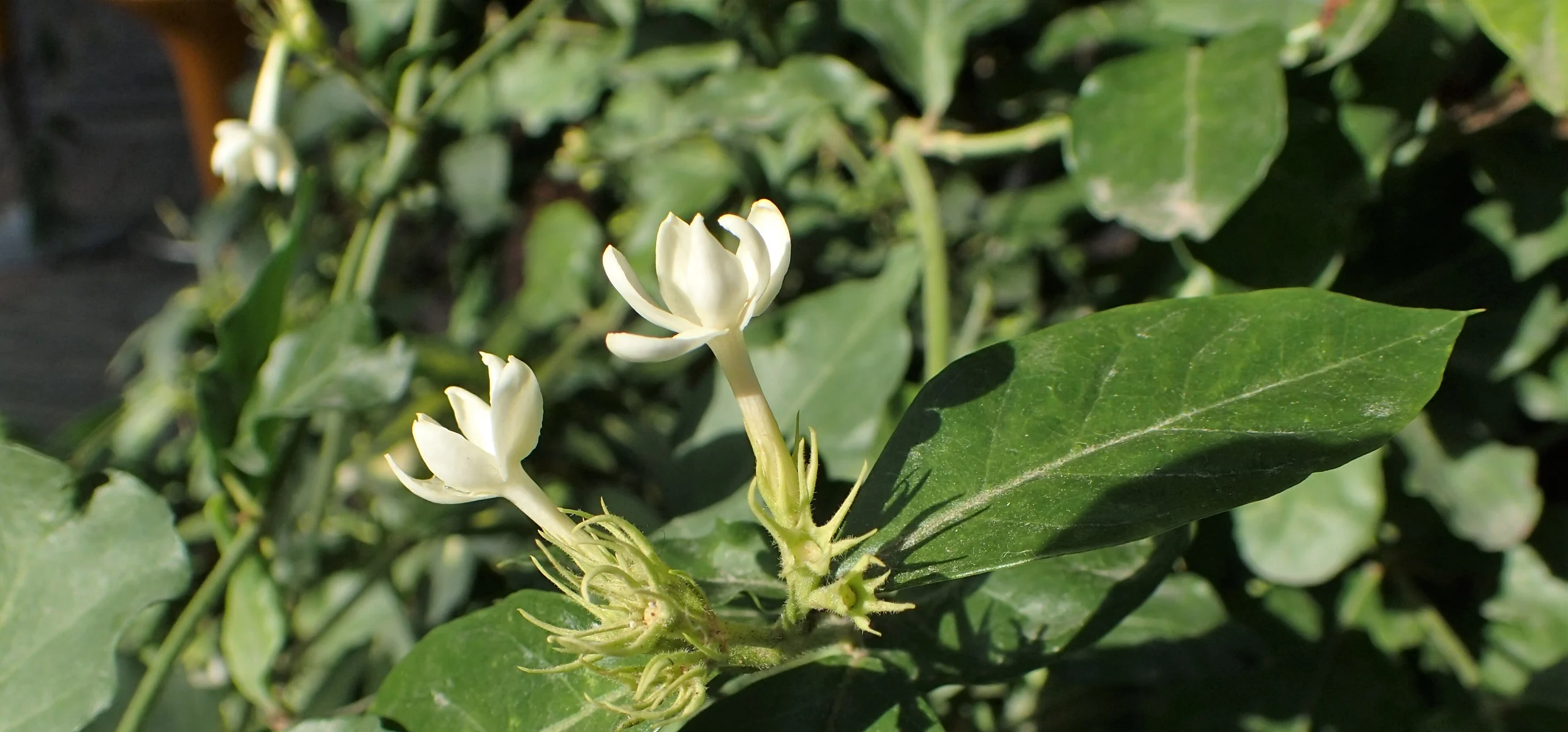
If a fast, twiggy shrub with small opposite leaves and a faint privet smell has turned up along your fence line or arrived as bare-root hedging stock, it is very likely Ligustrum vulgare, wild privet, also sold as common or European privet, a deciduous to semi-evergreen member of the olive family, Oleaceae. It drops most of its leaves after a hard frost but holds a scattering of foliage through mild winters. The small white flowers it produces in early summer carry a strong, unpleasant scent that some gardeners find overwhelming at close range, and the black berries that follow are toxic if eaten, so keep pets, children, and grazing animals away from a fruiting hedge. Beyond that, it asks for very little: full sun to part shade, ordinary soil, and one or two hard prunings a year.
Where Wild Privet Grows Naturally
Ligustrum vulgare is native to northwestern Africa, most of Europe, and northwestern Iran, per Kew's Plants of the World Online. It grows wild on chalk downs, woodland edges, and scrubby hedgerows across that range, which explains why it tolerates such a wide span of soils and why British hedgerows have leaned on it for centuries. Where it has been planted outside its native range, particularly in parts of the eastern United States, it self-seeds readily: birds eat the berries and spread the seed into wood margins and disturbed ground, and the NC Native Plant Society lists it as locally invasive in North Carolina.
Light, Soil, and Site Selection
Plant wild privet in full sun for the densest growth and heaviest flowering, though it tolerates partial shade without complaint, useful under high tree canopy or against a north-facing wall. The RHS rates it hardy to H6 (-20 to -15C), and NC State Extension lists it for USDA zones 4a-7b, so winter cold is rarely the limiting factor outside the coldest inland climates. Soil is where this species shows its origins: chalk, loam, sand, or clay all work, and it copes with acid, neutral, or alkaline pH. The one condition it does not forgive is standing water, give it drainage and it asks little else.


Watering New and Established Plants
Bare-root or container plants need regular watering through their first growing season, enough to keep the root ball from drying out completely, roughly once or twice a week in dry spells. Once established, usually by the second year, wild privet is genuinely drought-tolerant and draws moisture from a deep, wide root system; hedges growing in average garden soil rarely need supplemental water except during a prolonged summer dry spell. Watering an established hedge on a fixed schedule offers no benefit and can encourage the root rot this species is already somewhat prone to in heavy, poorly drained ground.
Pruning for Hedges and Screens
Wild privet's rapid growth rate, noted by both the RHS and NC State Extension, is exactly what made it a default hedging plant in Britain before the more reliably evergreen Ligustrum ovalifolium and cultivars like the RHS-listed var. italicum took over that role in most gardens. It responds well to hard clipping and regrows readily from old wood, so a first-year hedge can be cut back by about a third to encourage low branching, then trimmed two or three times through the growing season to hold a formal shape. Left unclipped, it grows into a loose, twiggy shrub 2.5 to 4 metres tall and wide over ten to twenty years, according to the RHS, rangier than most gardeners want from a boundary hedge.
Propagation from Cuttings
Semi-hardwood cuttings taken in mid to late summer and hardwood cuttings taken after leaf fall both root reliably, which is how most hedging stock is still produced, per the RHS. Push cuttings into a sandy, free-draining mix, keep them out of direct sun until roots form, and expect hardwood cuttings in particular to take several months over winter before new growth signals success. Growing from seed works too, since birds do it constantly in the wild, but seedlings vary more in vigour and habit than named cutting-grown stock.
Pests and Diseases to Watch For
Whiteflies, ligustrum weevils, Japanese weevils, and white peach scale are the insect problems most often reported on this species, according to NC State Extension's plant toolbox, usually cosmetic rather than fatal on an established hedge. Anthracnose, twig blight, cankers, and powdery mildew appear more often on plants stressed by poor drainage or crowded, still air, and root rot follows directly from waterlogged soil. The same source flags a tendency toward copper deficiency in some conditions, worth knowing if foliage yellows without an obvious watering or pest cause.
Toxicity: Handling the Berries and Leaves Safely
Every part of wild privet carries toxic compounds, cardiac glycosides, saponins, and protoanemonin, according to the ASPCA, and the plant is listed as toxic to dogs, cats, and horses. NC State Extension's toxicity data adds humans to that list, with reported symptoms including drooling, abdominal pain, diarrhea, vomiting, and headache or weakness after ingestion. The black berries are the main hazard because they are conspicuous and accessible in autumn; wear gloves when pruning or clearing fallen fruit, and do not plant this species where young children or grazing livestock have unsupervised access to a fruiting hedge.
Test your plant knowledge
Tap a card to flip it and reveal the answer.
Wild privet's black berries are safe for dogs and cats to eat. Tap to reveal ✕ False
Wild privet tolerates soils ranging from acid to alkaline, including chalk and clay. Tap to reveal ✓ True
Once established, wild privet needs weekly watering through the growing season. Tap to reveal ✕ False
Wild privet is always fully evergreen, even in cold winters. Tap to reveal ✕ False
Semi-hardwood and hardwood cuttings are a reliable way to propagate wild privet. Tap to reveal ✓ True
Sources
References consulted for this guide
- GBIF: Ligustrum vulgare L.gbif.org
- POWO (Kew): Ligustrum vulgare L.powo.science.kew.org
- RHS: Ligustrum vulgare (wild privet)rhs.org.uk
- ASPCA: Common Privet toxicityaspca.org
- NC State Extension: Ligustrum vulgare Plant Toolboxplants.ces.ncsu.edu
- Reference entity : Wikipédiaen.wikipedia.org