Saba Nut
Pachira glabra
Family · Malvaceae
Pachira glabra care: bright indirect light, fast draining soil, and less water than its lookalike Pachira aquatica, plus pruning, propagation and pest control.
Pachira glabra
Plant profile
- WateringLittleWater every 12 days
- Light exposureIndirect light
Growth
- Family
- Malvaceae
- Life cycle
- Perennial
- Growth speed
- 4/10
- Mature size
- 9 to 18 m in the wild; kept compact and pruned as a potted plant
- Flowering
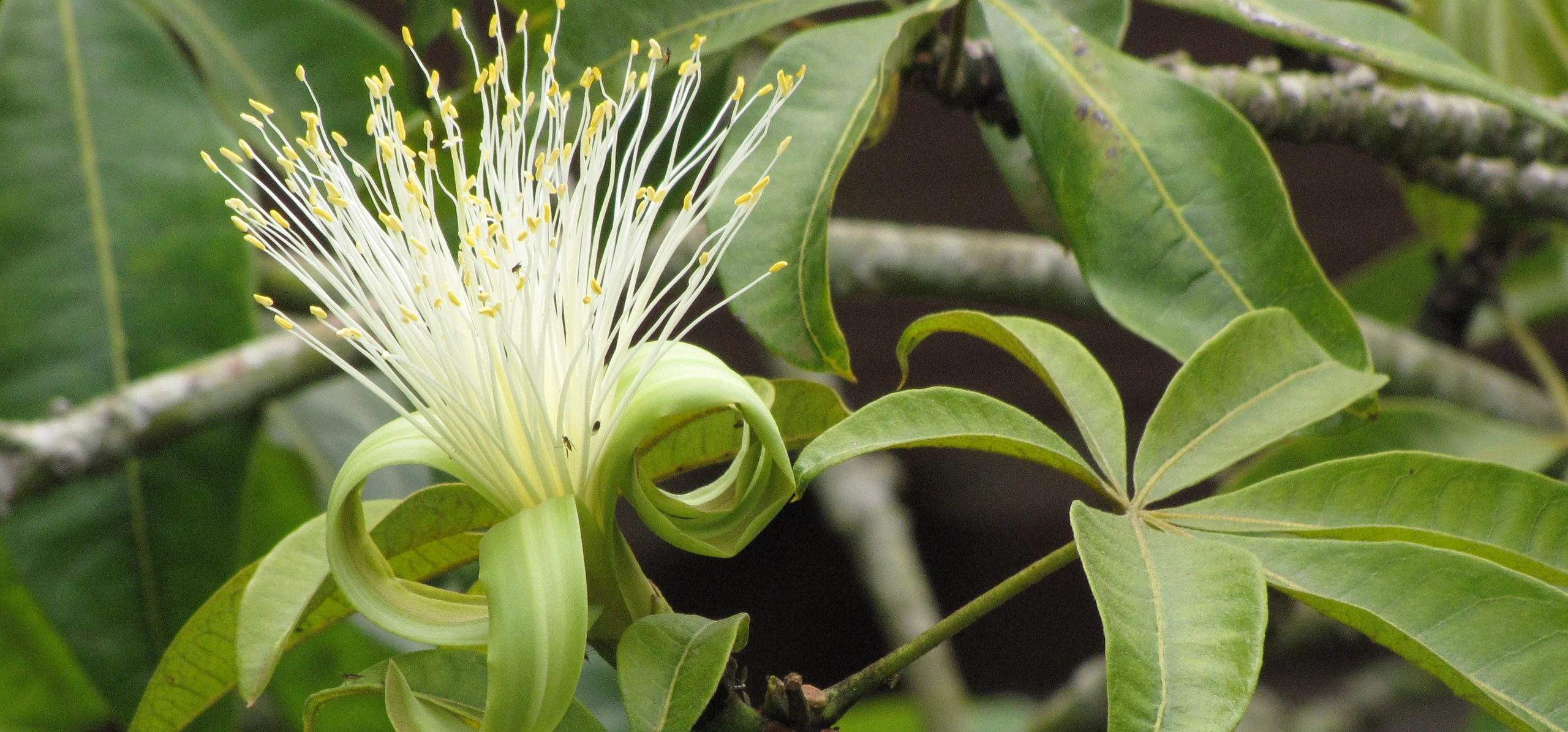
- Rare indoors; fragrant white night flowers outdoors
- Propagation
- Seed
- Cutting
DormancySlows down and rests in winter
Time to maturityKept compact and pruned as a potted specimen; flowers only after several years grown in open, frost-free ground
Soil & climate
- Soil types
- Fast draining potting mix, Added perlite or pumice, Orchid bark for structure
- Drought tolerance
- Yes
Light & Placement
- Origin
- SE. and S. Brazil
- Where to place it
- East or west window, about 1 m back
- Bright room out of direct midday sun
- Frost-free patio or greenhouse in summer
- Terracotta or any container with a drainage hole
Safety
- Toxicity
- Not evaluated by ASPCA
Data fromGBIF: Pachira glabra Pasq.POWO (Kew): Pachira glabra Pasq.
Where it grows
World distribution
Saba Nut is native to a single country: Brazil.GBIF records 1,400 documented identifications across 69 countries, with the largest concentrations in Brazil, Taiwan, and Congo - Kinshasa.
- Brazil
Yellow to orange dots: concentration of documented identifications per country. Green countries: sourced native range. Source: GBIFNative range from POWO (Kew).
Origin and how to recognize Pachira glabra
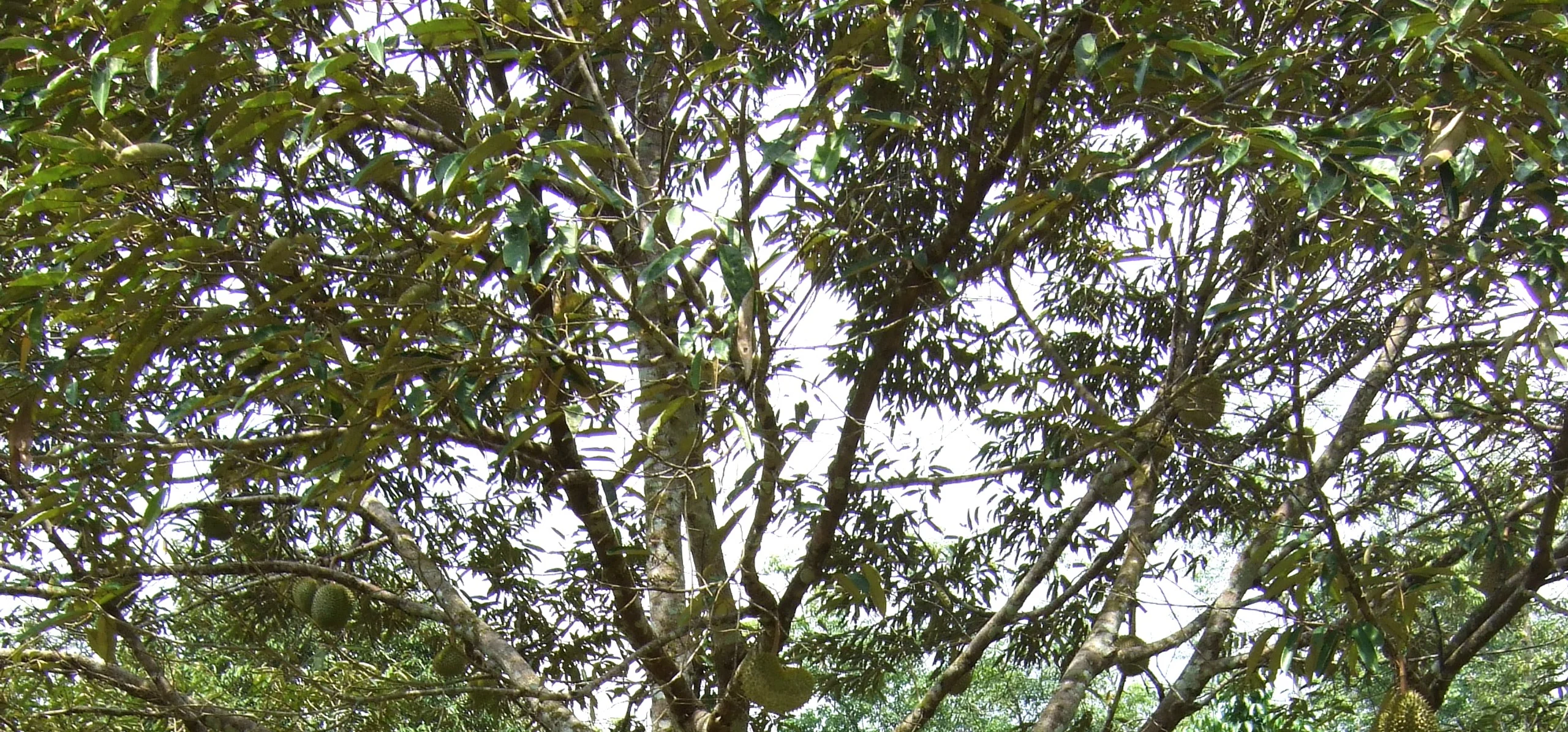
Pachira glabra grows wild along rivers and wet lowlands of south eastern and southern Brazil, reaching 9 to 18 metres as a forest tree, its trunk base already flaring into a bottle shaped caudex while the plant is still a sapling. That swelling is a water reserve, not a symptom of poor care, and it is one of two reliable ways to tell this species apart from the far more widely sold Pachira aquatica. The other is the leaflet edge: aquatica leaves carry a faint wave or tooth near the tip, while glabra, Latin for smooth or hairless, has entire, untoothed margins and a smoother greenish grey bark. The two are marketed under the same label, moneytree, and almost every braided trunk stacked at a supermarket till is aquatica, so a genuine Pachira glabra bought from a specialist grower is worth naming correctly, since it needs noticeably drier roots and its roasted seeds, unlike its cousin's, are the ones traditionally eaten as Saba nut, Guinea peanut or French peanut.
Light and placement
Indoors, place Pachira glabra where it receives bright, indirect light for most of the day: a metre back from an east or west facing window suits it well, and a few hours of gentle morning sun on the leaves is tolerated without scorching. Direct midday sun through south facing glass browns the leaflet tips within days, especially on a plant recently moved from a shadier nursery bench. In light that is too dim, new leaves emerge undersized and pale, and the plant stretches toward the nearest window instead of holding a compact shape. Turning the pot a quarter turn every couple of weeks keeps growth even on all sides, since this species leans hard toward its light source.
Watering: the trait that separates it from Pachira aquatica
This is where Pachira glabra punishes an aquatica routine. Pachira aquatica evolved in swamp margins and tolerates its roots sitting in standing water for long periods; Pachira glabra grows on better drained riverside ground and does not share that tolerance. Water only once the top half of the pot has dried, checking with a finger pushed 4 to 5 cm into the mix, and always let the pot drain fully before it goes back on a saucer or tray. A caudex that feels soft rather than firm, paired with lower leaves yellowing and dropping while the soil stays wet, points to roots sitting too long in water rather than to underfeeding, the mistake owners most often reach for first. In a centrally heated room, watering roughly every 10 to 14 days in the growing months and considerably less in winter, when the plant slows down and the caudex draws on its own reserves, keeps the roots healthy.


Soil and potting
A loose, fast draining mix matters more here than for most houseplants, precisely because the roots cannot tolerate lingering moisture. A standard peat free potting mix cut with a third of coarse perlite or pumice, plus a handful of orchid bark for structure, drains within minutes of a thorough watering while still holding enough moisture between sessions. Always choose a pot with a drainage hole; a cache pot without one is the single easiest way to accidentally recreate the waterlogging this species cannot handle. Repot a young plant every one to two years in spring, moving up only one pot size, and use the repot to check that the swollen base sits at or slightly above the soil line rather than buried, since a buried caudex stays damp and is more prone to rot.
Feeding
Feed with a balanced liquid fertiliser diluted to half strength every four weeks from spring through late summer, stopping entirely once growth slows in autumn. A plant kept in a smallish pot for its braided display responds better to light, frequent feeding than to occasional full strength doses, which tend to build up as salts around roots that are already working with a tight soil volume. Flush the pot with plain water every couple of months during the feeding season to clear any accumulated residue, and hold off on fertiliser altogether for at least a month after repotting, while fresh roots settle into the new mix.
Pruning and training the trunk
Left alone, Pachira glabra grows a single upright trunk, but the braided multi stem look sold commercially is created early, while stems are still pliable, by weaving two or more young plants together and letting the trunks fuse as they thicken with age; once a trunk has hardened it can no longer be reshaped without snapping it. On an established plant, pinch new shoot tips back to a leaf node to encourage bushier growth and prevent the canopy from becoming top heavy on its narrow braided base. Prune in spring, just as new growth resumes, using clean shears, and expect a cut stem to push new leaves from the node just below the cut within a few weeks rather than from the wound itself.
Propagation from seed and cuttings
Pachira glabra is most reliably grown from seed, sown fresh since viability drops quickly once the seed dries out, in a warm, consistently moist mix; germination is uneven and can take several weeks. Semi ripe stem cuttings taken in late spring, dipped in rooting hormone and kept in a humid, warm propagation tray, root more slowly and less reliably than seed but let you reproduce a specific braided or variegated specimen exactly. Either way, keep new starts out of direct sun and resist the urge to water them as often as an established plant; the same drainage rule that protects a mature Pachira glabra applies even more strictly to a rootless cutting or a fresh seedling.
Pests, diseases and common mistakes
Spider mites and mealybugs are the most frequent visitors, mites showing as fine webbing and stippled leaves in dry centrally heated air, mealybugs as white cottony tufts wedged into leaf joints and the folds of the braided trunk, where they are easy to miss. Wipe leaves down periodically and treat both with insecticidal soap or neem oil, repeating every five days for three weeks to catch newly hatched insects. The most common outright killer, though, is root and caudex rot from a watering routine copied from Pachira aquatica or from a cache pot with no drainage hole; a caudex that has gone soft and discoloured rather than firm and green grey needs the plant unpotted immediately, rotten tissue trimmed back to clean wood, and repotting into dry, fresh mix before any further watering. A second frequent mistake is assuming this species tolerates the low light corners that Pachira aquatica shrugs off; glabra held in deep shade for months simply stalls, dropping lower leaves faster than it replaces them at the top.
Test your plant knowledge
Tap a card to flip it and reveal the answer.
Pachira glabra has smooth, untoothed leaflet edges, while Pachira aquatica leaflets show a faint tooth or wave near the tip. Tap to reveal ✓ True
Like Pachira aquatica, Pachira glabra tolerates its roots sitting permanently in standing water. Tap to reveal ✕ False
The swollen base at the bottom of a young Pachira glabra trunk is a normal water storing caudex, not a sign of disease. Tap to reveal ✓ True
Pachira glabra flowers have reddish stamens, just like Pachira aquatica. Tap to reveal ✕ False
The roasted seeds of Pachira glabra are edible and taste similar to chestnuts, giving the plant the name Saba nut. Tap to reveal ✓ True
Sources
References consulted for this guide
- GBIF: Pachira glabra Pasq.gbif.org
- POWO (Kew): Pachira glabra Pasq.powo.science.kew.org
- Reference entity : Wikipédiaen.wikipedia.org