Ninebark
Physocarpus opulifolius
Family · Rosaceae
Ninebark tolerates clay, drought and neglect, but prune right after flowering, not in winter, or you cut off next year's blooms along with the wood.
Physocarpus opulifolius
Plant profile
- WateringLittleWater every 10 days
- Light exposurePartial sun
- Hardiness zoneUSDA 2–8
Growth
- Family
- Rosaceae
- Life cycle
- Perennial
- Growth speed
- 7/10
- Mature size
- 150–245 cm
- Spread
- 120–185 cm
- Propagation
- Seed
- Cutting
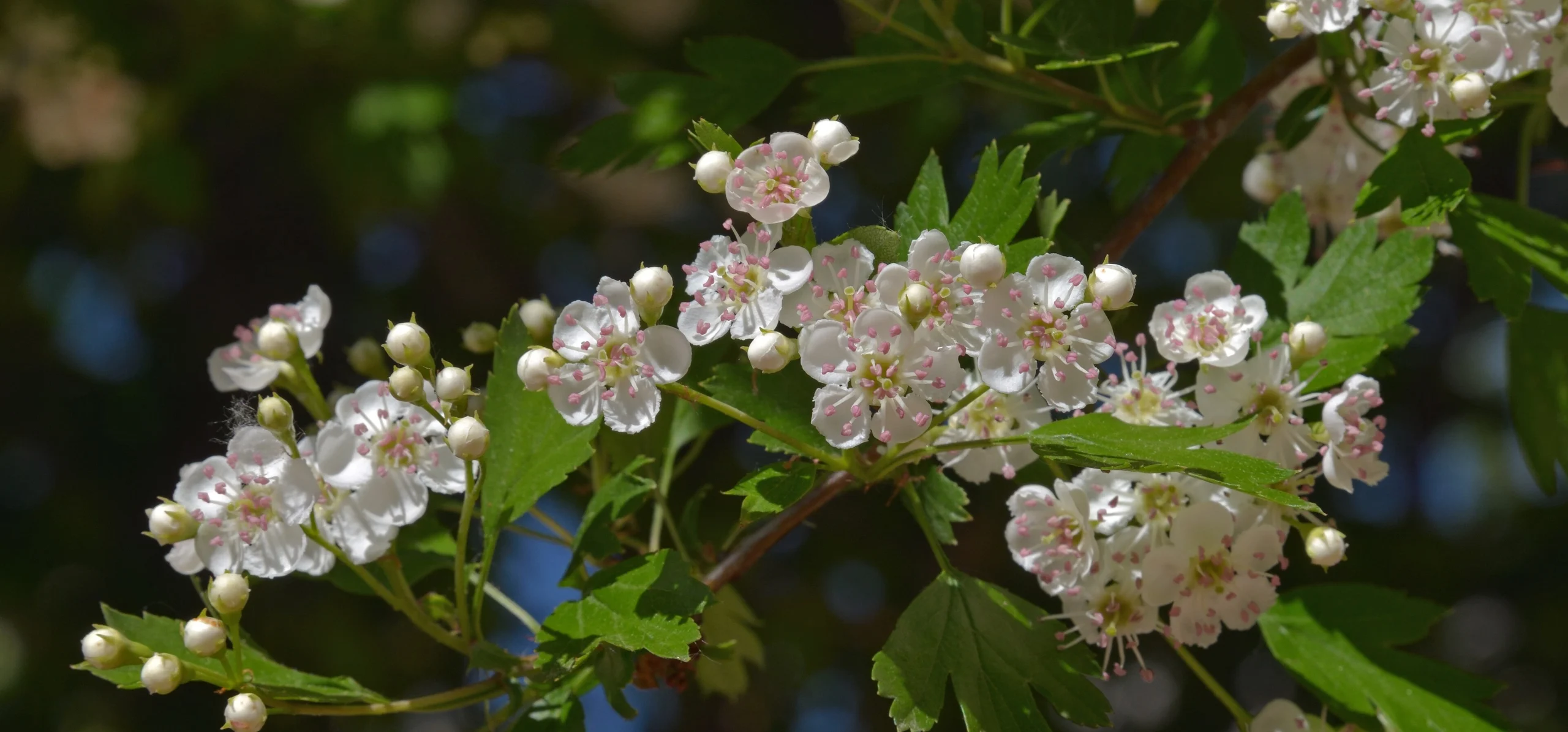
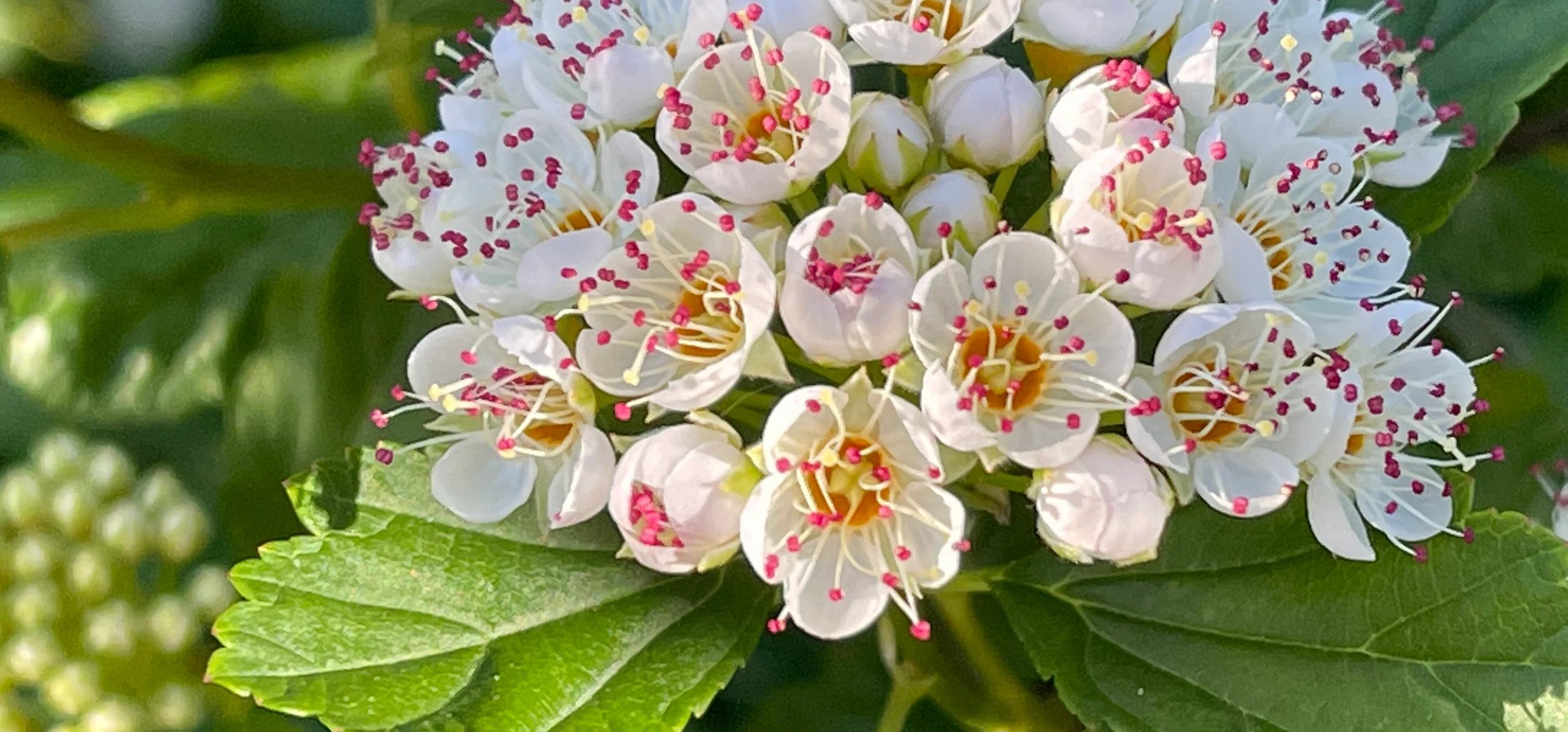
FloweringFlat clusters of small white to pink flowers in late spring, followed by reddish seed capsules
Dormancydeciduous, bare in winter with exfoliating bark visible on older stems
Time to maturitycultivars reach full size in about 5 to 10 years (RHS); rapid growth rate overall (NC State Extension)
Soil & climate
- Soil pH
- pH 5–8
- Soil types
- clay, loam, sand
- Drought tolerance
- Yes
Light & Placement
- Origin
- Eastern Canada to north-central and eastern United States (POWO)
- Where to place it
- hedge or informal screen
- foundation planting
- rain garden or streambank
- erosion-control bank planting
Safety
- Toxicity
- Not listed as toxic or non-toxic by the ASPCA
- Pet safe
- Yes
Data fromGBIF Backbone Taxonomy: Physocarpus opulPOWO: Physocarpus opulifolius (L.) MaximMissouri Botanical Garden Plant Finder: NC State Extension Gardener Plant ToolboRHS: Physocarpus opulifolius 'Diabolo'
Where it grows
World distribution
Ninebark is native to 2 countries: Canada and United States.GBIF records 27,770 documented identifications across 42 countries, with the largest concentrations in United States, Russia, and Canada.
- Canada
- United States
Yellow to orange dots: concentration of documented identifications per country. Green countries: sourced native range. Source: GBIFNative range from POWO (Kew).
Physocarpus opulifolius, commonly called ninebark, is a tough, upright deciduous shrub native to eastern Canada and the north-central and eastern United States, valued for two things a nursery tag rarely explains well: bark that peels away in curling strips to reveal layers of reddish-brown wood underneath, and a tolerance for neglect that few flowering shrubs can match. The straight species reaches 5 to 8 feet tall and 4 to 6 feet wide, per North Carolina State Extension, though the purple- and gold-leaved cultivars sold at most nurseries, Diabolo, Summer Wine, Amber Jubilee, run from 3 to 10 feet depending on selection. It flowers once in late spring in flat clusters of small white-to-pink blooms, then spends the rest of the year working as a foliage and structure plant. If you inherited an overgrown, leggy specimen, the pruning section below has good news: this is one of the few shrubs you can cut back hard and expect a full recovery within a season.
Bark That Peels in Layers: Where the Name Comes From
The name ninebark refers to the way mature bark exfoliates in thin strips, peeling back to expose several layers of reddish to light brown wood underneath, a trait Missouri Botanical Garden describes plainly as bark that peels in strips to reveal several layers of inner bark. Clemson Cooperative Extension adds the detail that matters for pruning decisions: this showy effect only develops on stems more than half an inch thick, so a shrub cut back every year never shows it. GBIF's Backbone Taxonomy accepts the name Physocarpus opulifolius, a member of the rose family despite flowers that look closer to spiraea, and Kew's Plants of the World Online gives its native range as eastern Canada to the north-central and eastern United States. There it grows as a thicket along streambanks, on sand and gravel bars, and on rocky slopes, exactly the rough, seasonally wet sites that explain why it shrugs off conditions that would kill a more refined shrub.
Choosing a Cultivar: Straight Species, Diabolo, Summer Wine and the Rest
The wild species has dull green, three- to five-lobed leaves that turn an unremarkable yellow in autumn, which is why almost everything sold in garden centers today is a colored-leaf selection bred from it. 'Diabolo', which carries the RHS Award of Garden Merit, holds deep purple, maple-like foliage that stays dark through summer heat and reaches 1.5 to 2.5 m in both height and spread over five to ten years. 'Summer Wine' ('Seward') gives a similar burgundy color on a more compact frame, useful where Diabolo would outgrow the space. 'Amber Jubilee' mixes gold, orange and purple tones on the same plant through the season, and dwarf selections such as 'Tiny Wine' and 'Little Devil' stay in the 3 to 5 foot range for foundation planting. Pick by two things: the mature footprint you actually have room for, since cultivars vary by a factor of three, and, in humid climates, mildew resistance, covered further down.
Light and Site: Full Sun Keeps the Foliage Color
Ninebark flowers and colors best with six or more hours of direct sun a day, and North Carolina State Extension notes that the plant tolerates partial shade but fades: purple and gold cultivars drift toward plain green as light drops. In its hottest, most humid southern range, Clemson Extension recommends some afternoon shade to keep foliage from scorching. Because it takes hard pruning, poor soil and road salt in stride, it earns its keep as a hedge or informal screen, a foundation planting where a softer shrub would sulk, or a rain garden and streambank stabilizer, where its natural habitat, moist ground along water, makes it one of the more reliable choices for erosion control on a bank.
Soil and Watering: Built for Harsh, Wet or Dry Ground
Few flowering shrubs cover as wide a soil range. North Carolina State Extension lists it as tolerant of clay, loam and sand, and of acid, neutral and alkaline pH alike, while Missouri Botanical Garden describes its preferred conditions as average, slightly acidic, dry to medium moisture, well-drained soil, adding that the species is drought tolerant and grows well in harsh conditions once established. That range runs in both directions: Clemson Extension lists it among reliable rain garden plants, at home in soil that floods periodically as well as in ground that dries out between waterings. Water a newly planted shrub regularly through its first season while roots establish; after that, supplemental water is mostly needed during extended dry spells.
How often to water your Ninebark
Pruning: Right After Flowering, Never in Winter
The Royal Horticultural Society places ninebark in pruning group 2, the early-flowering shrubs that set next year's buds on this year's wood, and North Carolina State Extension is specific about the window: prune just after blooming, no later than mid-August. Cut later, or wait until winter dormancy the way you would with a summer-flowering shrub, and you remove the wood carrying next spring's flowers. For a plant that has gone leggy or bare at the base, the exception is a full rejuvenation cut: ninebark tolerates being cut to the ground in late winter and, given its rapid growth rate, rebuilds a full canopy within a season or two. Outside of that reset, prune lightly and only as needed, since heavy annual cutting keeps removing the older, thicker stems where the exfoliating bark actually shows.
Propagation From Stem Cuttings
North Carolina State Extension lists three propagation routes for ninebark: seed, root cuttings and stem cuttings, and stem cuttings are the practical choice for reproducing a named cultivar true to type, since seedlings from a purple-leaved plant do not reliably come back purple. Take cuttings from firm, current-season growth in summer once the stem has begun to harden below the tip, strip the lower leaves, and root them in a free-draining mix kept consistently moist; ninebark's own tolerance for rough conditions extends to its cuttings, which root readily compared with many woody shrubs. Division and layering are not typically used on this species, since its upright, single-crowned habit does not produce the spreading suckers or low branches those methods depend on.
Powdery Mildew: Which Cultivars Resist It
North Carolina State Extension calls ninebark relatively trouble-free but notes it can be susceptible to powdery mildew and fireblight, and resistance varies sharply by cultivar. Purple 'Summer Wine' and green-leaved 'Nanus' both hold up well against the powdery mildew fungus that coats new growth in a white film during humid weather, while yellow-leaved selections including 'Dart's Gold', 'Morning Star' and 'Nugget' are consistently the most susceptible. 'Diabolo' falls in between, mildewing in a wet, stagnant-air summer but usually shrugging it off with decent spacing. Give plants room for air to move, avoid wetting the foliage when you water, and thin out a few interior stems on a crowded shrub rather than reaching for a fungicide first; on a plant this tolerant of hard pruning, better airflow solves most mildew problems on its own.


Test your plant knowledge
Tap a card to flip it and reveal the answer.
Ninebark sets next year's flower buds on this year's wood, so hard pruning in winter removes next spring's blooms. Tap to reveal ✓ True
The showy exfoliating bark of ninebark appears on young, first-year stems. Tap to reveal ✕ False
Ninebark tolerates clay, loam or sandy soil across acid, neutral and alkaline pH. Tap to reveal ✓ True
Every ninebark cultivar has the same resistance to powdery mildew. Tap to reveal ✕ False
An overgrown, leggy ninebark can be cut back to the ground to rejuvenate it. Tap to reveal ✓ True
Sources
References consulted for this guide
- GBIF Backbone Taxonomy: Physocarpus opulifolius (L.) Maxim.gbif.org
- POWO: Physocarpus opulifolius (L.) Maxim.powo.science.kew.org
- Missouri Botanical Garden Plant Finder: Physocarpus opulifoliusmissouribotanicalgarden.org
- NC State Extension Gardener Plant Toolbox: Physocarpus opulifolius (Eastern Ninebark)plants.ces.ncsu.edu
- RHS: Physocarpus opulifolius 'Diabolo'rhs.org.uk
- Reference entity : Wikipédiaen.wikipedia.org